How Long Do Russian Blue Cats Live: Lifespan Secrets Unveiled
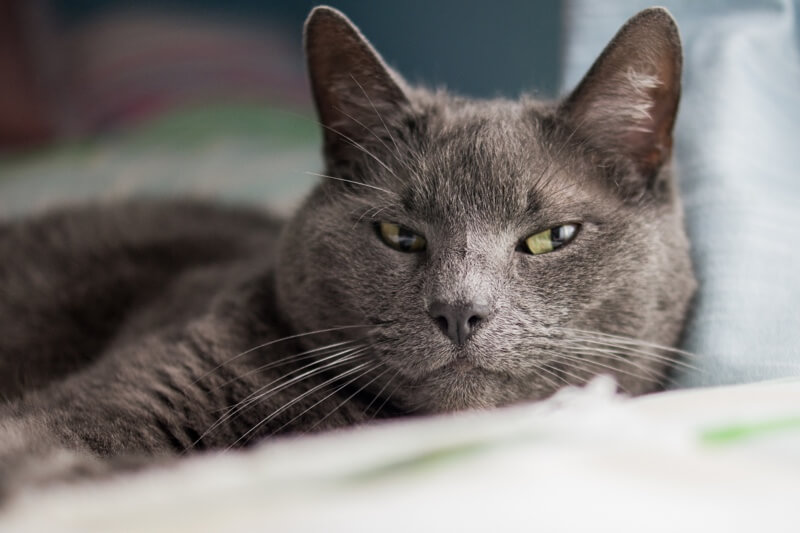
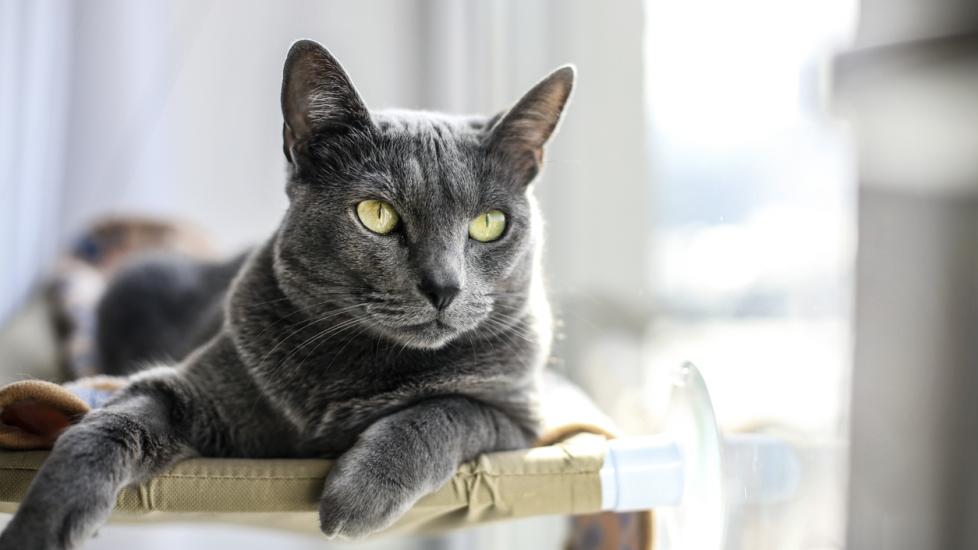
Imagine welcoming a charming Russian Blue cat into your home, its sleek, silvery-blue coat and bright green eyes capturing your heart instantly. You’re not just gaining a pet; you’re inviting a loyal companion into your life.
But as with any beloved family member, you want to know how long you’ll have together. Understanding the lifespan of Russian Blue cats isn’t just about numbers—it’s about ensuring you provide the best care to maximize their years. Dive into this article to discover how you can make the most of your time with this special breed, uncover secrets to their longevity, and learn how to keep your furry friend healthy and happy for as long as possible.
Whether you’re already a proud cat parent or considering adding a Russian Blue to your family, this guide is crafted for you.
Russian Blue Cat Lifespan
Russian Blue cats are known for their striking appearance and gentle nature. They are not just beautiful but also have a notable lifespan. Understanding the lifespan of a Russian Blue cat helps in providing better care. They are generally healthy and robust cats, living long lives with proper care.
What Is The Average Lifespan?
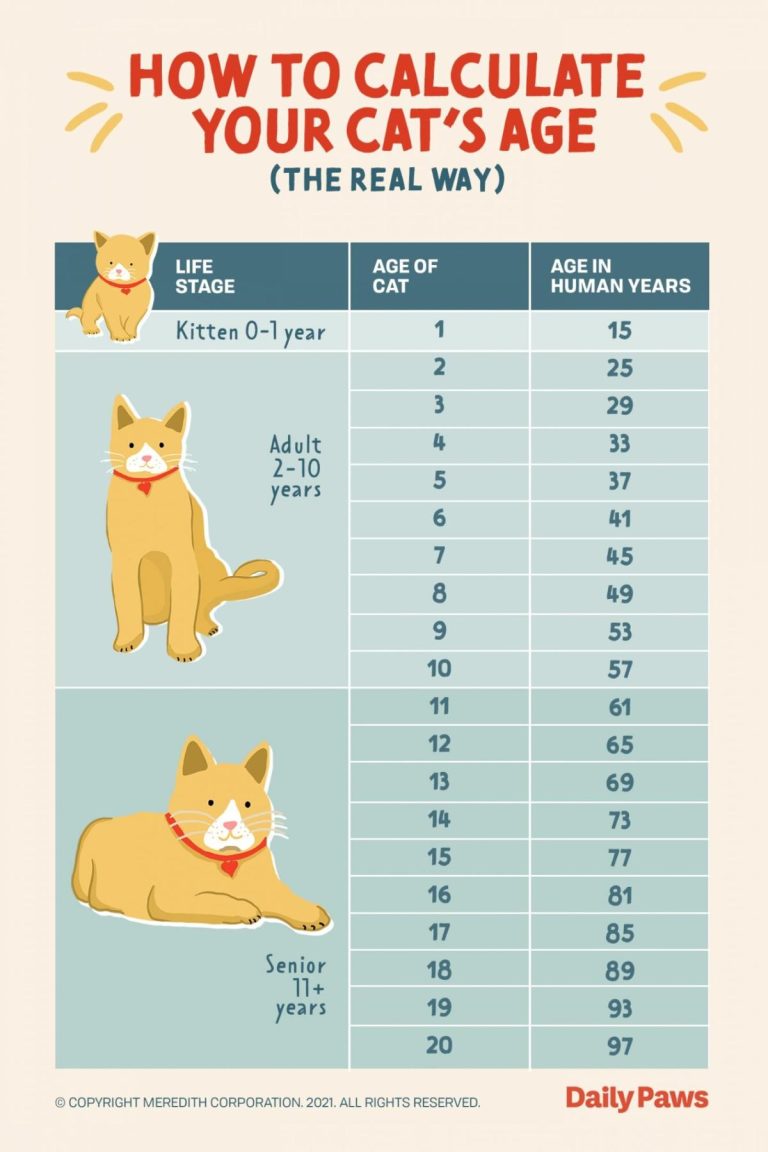
The average lifespan of a Russian Blue cat is 15 to 20 years. Many factors contribute to this long life. Proper diet, regular vet visits, and a loving home are crucial. Cats with these conditions often live longer.
Factors That Influence Lifespan
Diet plays a significant role in a cat’s health. Russian Blue cats need a balanced diet to thrive. Exercise is also important. Active cats tend to live healthier lives. Regular vet check-ups can prevent health issues. These check-ups catch problems early, increasing lifespan.
Common Health Concerns
Russian Blue cats are generally healthy. Still, they can face common feline health issues. Obesity is a concern if not monitored. Dental health is another area to watch. Regular teeth cleaning can prevent dental problems.
Providing a safe and loving environment is crucial. Regular playtime keeps your cat active and engaged. Fresh water should always be available. A clean litter box helps in maintaining hygiene. These simple practices ensure a happy and long life for your Russian Blue cat.
Factors Affecting Lifespan
Understanding the lifespan of Russian Blue cats involves several factors. Their longevity depends on genetics, diet, and exercise. Each plays a critical role in their overall health. Knowing these factors helps in providing better care.
Genetic Influences
Genetics can significantly impact a Russian Blue cat’s lifespan. This breed is known for its robust health. However, genetic diseases can still occur. Regular vet visits help identify potential genetic issues early. Breeding from healthy lines reduces the risk of inherited conditions. Responsible breeders prioritize health over appearance.
Diet And Nutrition
A balanced diet is essential for a Russian Blue’s health. Proper nutrition supports a strong immune system. High-quality cat food with essential nutrients is crucial. Avoid feeding them table scraps or unhealthy treats. Obesity can shorten their lifespan, so portion control is vital. Fresh water should always be available to keep them hydrated.
Exercise And Activity
Exercise keeps Russian Blue cats healthy and happy. These cats love interactive play. Regular activity prevents obesity and boredom. Toys and climbing structures encourage movement. A stimulating environment enhances their physical and mental well-being. Daily playtime strengthens your bond with them.
Common Health Issues
Understanding common health issues is essential to ensure your Russian Blue cat lives a long and healthy life. These cats are known for their stunning appearance and gentle demeanor, but they are not immune to health problems. By being aware of potential issues, you can take proactive steps to safeguard your feline friend’s well-being. Let’s dive into some key areas.
Genetic Disorders
Russian Blue cats can sometimes be prone to genetic disorders. One of the most notable is kidney disease. This condition can sneak up on your cat, often showing symptoms only when it’s advanced. Regular check-ups can help catch these issues early.
Another genetic concern is hypertrophic cardiomyopathy, a heart condition. While not extremely common, it’s a serious matter that can affect your cat’s longevity. If your cat shows signs like lethargy or breathing difficulties, a vet visit is crucial.
Have you ever noticed your cat limping slightly? Joint disorders, though not frequently discussed, can also be genetic. Ensuring your cat maintains a healthy weight can help mitigate these issues.
Environmental Risks
Your cat’s environment plays a significant role in its health. Exposure to harmful chemicals found in cleaning products can be risky. Opt for pet-friendly alternatives to keep your feline safe.
Consider the outdoor threats too. If your Russian Blue roams outside, the risk of accidents or encounters with other animals increases. Supervised outdoor time or creating a safe indoor play area can reduce these risks.
Stress is another environmental factor that can impact your cat’s health. Have you moved recently or welcomed a new pet? These changes can stress your cat out. Creating a calm and stable environment helps your cat adjust and stay healthy.
What steps are you taking to mitigate these risks in your home? Share your experiences or tips in the comments below.
By staying informed about these common health issues, you can make thoughtful decisions that keep your Russian Blue thriving. Your vigilance and care are key to your cat’s happiness and health.

Credit: www.aspcapetinsurance.com
Tips For Extending Lifespan
Russian Blue cats typically live 15 to 20 years. Maintain a healthy diet and regular vet check-ups to extend their lifespan. Provide mental stimulation and a stress-free environment for a happier, longer life.
If you’re a proud owner of a Russian Blue cat, you’re likely wondering how you can ensure your feline friend lives a long, healthy life. These enchanting creatures are known for their striking blue-gray coats and gentle personalities. While Russian Blues typically live between 15 to 20 years, there are steps you can take to potentially extend their lifespan. Let’s dive into some practical tips that can make a significant difference in the longevity of your beloved pet.Regular Vet Check-ups
Scheduling regular vet check-ups is crucial for your cat’s health. These visits help catch potential issues early on. Your vet can provide vaccinations, dental care, and advice tailored to your cat’s specific needs. Think about it: Would you skip your own health appointments? It’s the same for your furry friend. Regular vet visits can keep your Russian Blue thriving. Remember, the best care is proactive, not reactive. Set reminders for those appointments and stick to them.Healthy Lifestyle Choices
Diet and exercise are key to your cat’s well-being. Providing a balanced diet with high-quality cat food ensures they get the nutrients they need. I once had a Russian Blue named Luna who loved to chase feathers. This playful activity kept her active and engaged. Consider toys and activities that stimulate both body and mind. Hydration is equally important. Fresh water should always be available. You might even invest in a water fountain to encourage more drinking. What kind of lifestyle does your cat lead? Making small changes can have a big impact. Incorporating these tips into your routine can help your Russian Blue live a longer, healthier life. Your commitment to their care will shine through in their happiness and vitality.Comparing Lifespan With Other Breeds
Russian Blue cats often live between 15 to 20 years, outliving many other cat breeds. Their lifespan is influenced by factors like diet and care, making them a beloved choice for cat owners.
Understanding how long Russian Blue cats live compared to other breeds can guide you in making informed decisions about your pet. While all cats bring joy and companionship, their lifespan can vary significantly. Knowing these differences can help you choose a breed that best fits your lifestyle and long-term plans.Average Lifespan Of Russian Blue Cats
Russian Blue cats typically live between 15 and 20 years. Their longevity is often attributed to their robust health and genetic makeup. With proper care, including regular vet check-ups, a balanced diet, and plenty of playtime, they can enjoy a long, healthy life.How Do Other Breeds Compare?
When comparing Russian Blues to other breeds, you might be surprised by the differences. For instance, Siamese cats usually live around 15 years, similar to Russian Blues, but they require more attention and care to reach this age. On the other hand, breeds like the Maine Coon often have a shorter lifespan, averaging around 12 to 15 years. This is partly due to their larger size, which can lead to health issues.Factors Influencing Lifespan
Several factors affect a cat’s lifespan, regardless of the breed. Genetics play a crucial role, but so do diet, exercise, and regular veterinary care. Some breeds are more prone to certain diseases, so knowing these can help you provide better care. Would you be willing to invest in a breed that requires more frequent vet visits?Personal Insights: Choosing A Breed
Years ago, I chose a Russian Blue for its reputed longevity and calm demeanor. It was a decision based on wanting a long-term companion without frequent health issues. This experience taught me the importance of researching and understanding the lifespan of different breeds before making a choice. Would you consider the same factors when choosing your next feline friend?Is Longevity Everything?
While lifespan is important, it’s not the only factor to consider. The breed’s temperament, care needs, and compatibility with your lifestyle are equally crucial. A longer lifespan means more years of companionship, but it also means more years of responsibility. Are you ready for the long haul with a Russian Blue or another breed? Comparing the lifespan of Russian Blue cats with other breeds can be eye-opening. It highlights not just the years they might live, but the quality of life they can enjoy and bring to your home.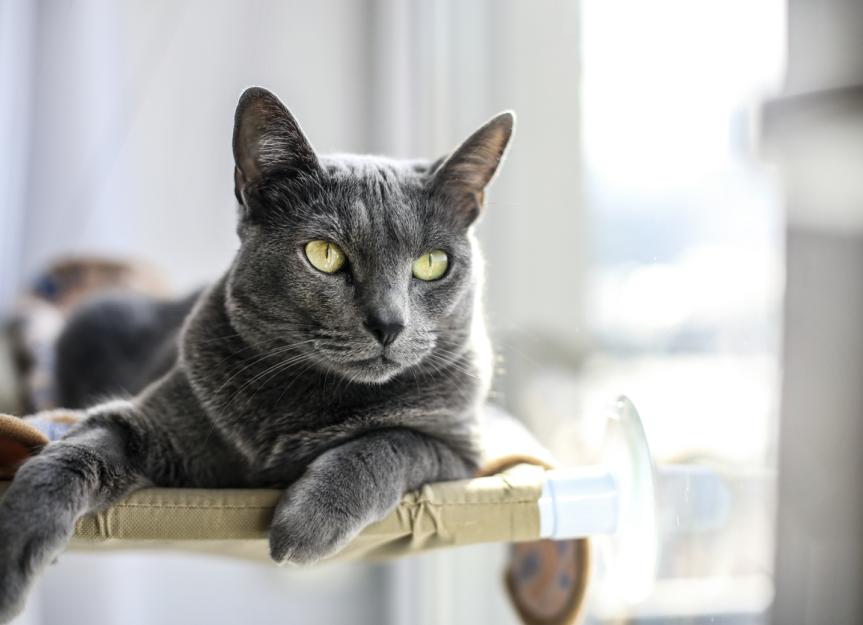
Credit: www.petmd.com
Signs Of Aging In Russian Blue Cats
Russian Blue cats typically live between 15 to 20 years. Signs of aging include slower movements, decreased appetite, and more frequent naps. Regular vet visits help maintain their health and identify age-related changes early.
Understanding the signs of aging in Russian Blue cats can help you provide better care for your feline friend during their golden years. Just like humans, cats experience changes as they age, and recognizing these changes early can make a significant difference in their quality of life. Let’s delve into some of the most common signs of aging in Russian Blue cats and how you can address them.Behavioral Changes
As Russian Blue cats age, you might notice shifts in their behavior. They may become less active or playful, preferring to nap in their favorite sunny spots. Have you noticed your cat becoming more vocal or seeking more attention? Increased vocalization can be a sign of aging. Additionally, some older cats may become more anxious or irritable. If you see these changes, consider whether your cat is comfortable with their environment. Sometimes, simply adding a cozy bed or a new toy can help ease these transitions.Physical Signs
Physical changes are often more noticeable and can include a variety of symptoms. Your Russian Blue might start to gain or lose weight due to metabolic changes. Regular vet check-ups can help monitor these fluctuations. You might also observe changes in their coat. An older Russian Blue may have a duller coat or experience more shedding. Ensuring they have a balanced diet can support their skin and coat health. Finally, pay attention to their mobility. Does your cat hesitate to jump or climb like they used to? This could be due to arthritis or joint stiffness, common in older cats. Providing ramps or steps can make it easier for them to navigate their space. Incorporating these insights into your daily routine can significantly impact your Russian Blue’s comfort and happiness. By staying observant and proactive, you can ensure your beloved pet enjoys their senior years to the fullest. What changes have you noticed in your aging cat, and how have you adapted to meet their needs? Your experiences might just offer the perfect solution for another pet owner facing similar challenges.Historical Lifespan Data
Russian Blue cats have captivated people with their striking beauty. Their enchanting green eyes and plush, blue-gray coats are unforgettable. But how long do these elegant creatures typically live? Understanding their lifespan involves looking at historical data. This can offer insights into their longevity and health trends.
Lifespan Data From The Early 1900s
In the early 1900s, Russian Blue cats were rare. Breeders paid close attention to their health. Records from this era suggest lifespans of 10-12 years. This data is significant due to fewer veterinary advancements.
Mid-20th Century Lifespan Trends
By the mid-20th century, Russian Blue cats became more popular. Better understanding of feline health emerged. Lifespans extended to 12-15 years. Improved veterinary care played a crucial role in this increase.
Recent Lifespan Observations
In recent years, Russian Blue cats benefit from excellent care. Lifespans now often reach 15-20 years. This improvement reflects advances in nutrition and medical care. More pet owners prioritize regular check-ups and vaccinations.
Factors Influencing Lifespan Over The Years
Several factors influence the lifespan of Russian Blue cats. Diet, environment, and healthcare are key contributors. Historical data shows the impact of these factors. A well-balanced diet supports longevity. A safe, loving home environment is crucial. Regular veterinary visits detect and prevent health issues early.
Credit: www.petmd.com
Frequently Asked Questions
Do Russian Blue Cats Have Health Issues?
Russian Blue cats are generally healthy and have few genetic health issues. Regular veterinary check-ups are crucial. Maintain their diet and exercise for optimal health. Monitor for common feline ailments like dental disease or obesity. Always consult a vet for specific concerns.
Do Russian Blue Cats Like To Be Held?
Russian Blue cats often enjoy being held but value their independence. They form strong bonds with their owners. Each cat’s preference can vary, so it’s important to understand their comfort levels. Always approach them gently and respect their space if they seem reluctant.
Do Russian Blue Cats Get Attached To One Person?
Yes, Russian Blue cats often bond closely with one person. They are loyal and affectionate companions. This breed enjoys spending time with their chosen human. Russian Blues tend to follow their favorite person around, seeking attention and comfort. Their attachment makes them wonderful, loving pets.
What Age Do Russian Blues Calm Down?
Russian Blues typically calm down around the age of 2 to 3 years. Their playful kitten behavior gradually transitions into a more relaxed demeanor. Adult Russian Blues are known for their gentle and affectionate nature, making them wonderful companions. Regular interaction and a stable environment help maintain their calmness.
Conclusion
Russian Blue cats often enjoy a long life. Typically, they live 15-20 years. Proper care boosts their lifespan. Regular vet visits are essential. Balanced diet and exercise keep them healthy. Love and attention also matter. Their calm nature makes them great companions.
These cats thrive in peaceful environments. Consider their needs and they’ll reward you. A loyal, loving friend for many years. Owning a Russian Blue is truly a joy. They bring warmth and comfort. Cherish each moment with your furry friend.
Their presence enriches our lives.