How to Potty Train a Cat With a Litter Box: Expert Tips
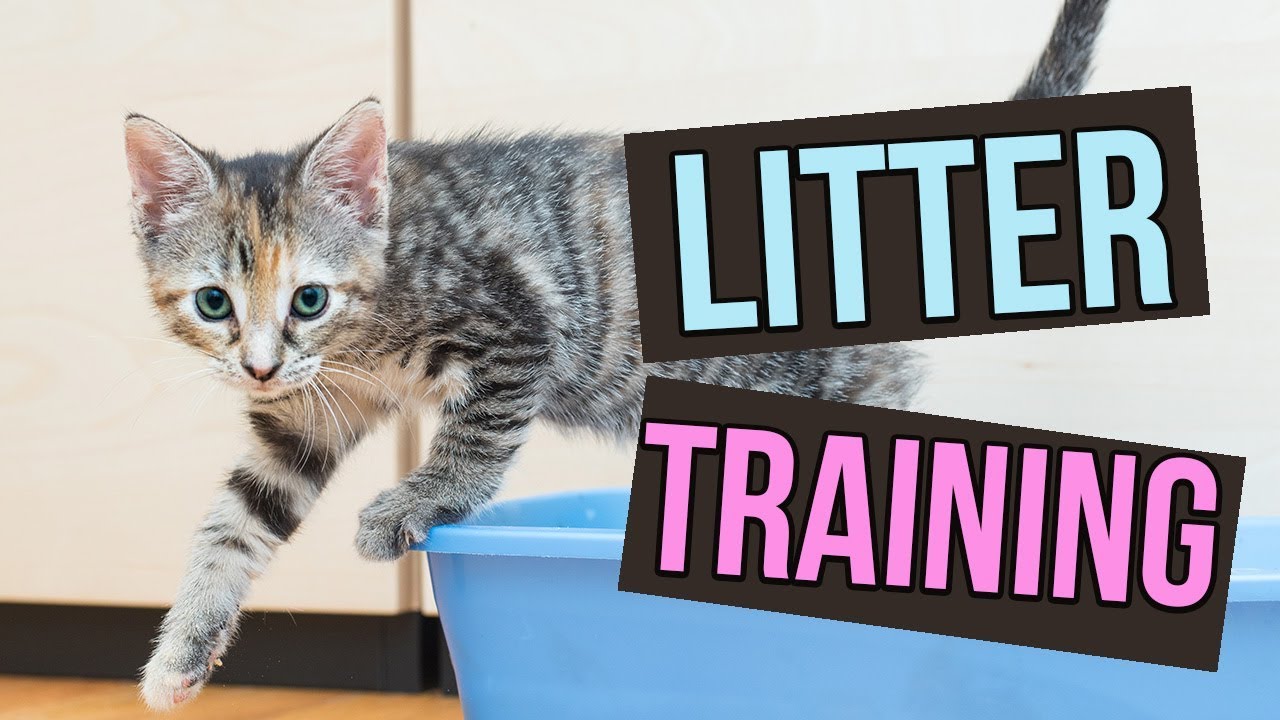
Have you ever wondered if you could train your cat to use a litter box with ease? You’re not alone.
Potty training a cat can seem like a daunting task, but with the right techniques, it can become a smooth and manageable process. Imagine a home where you don’t have to worry about unexpected messes. You’re not just gaining convenience; you’re giving your cat a cleaner, healthier environment.
In this guide, you’ll discover simple steps and practical tips to help your feline friend master the art of using a litter box. Unlock the secrets to a stress-free potty training experience and see the transformation for yourself. Ready to make your life easier and your cat’s life better? Let’s dive in!
Choosing The Right Litter Box
Potty training a cat requires a suitable litter box. Choosing the right one is crucial. It ensures your cat’s comfort and encourages consistent use. The right litter box can make the transition smoother.
Size And Design Considerations
The litter box must be big enough. Your cat should fit comfortably inside. A cramped box can deter use. Consider your cat’s size when picking a box. Larger cats need more space. Small kittens can use smaller boxes initially. Design matters too. High walls keep litter contained. Low entry points help kittens and older cats. Some designs offer privacy. Others are open and spacious.
Types Of Litter Boxes
There are several types available. Open boxes are simple and accessible. They provide easy access for cats. Covered boxes offer privacy. They also control odors better. Self-cleaning boxes minimize maintenance. They automatically scoop waste. Disposable boxes are temporary. They’re ideal for travel or emergencies. Consider your lifestyle and cat’s preference. Each type has its benefits and drawbacks.
Selecting The Best Cat Litter
Choosing the right cat litter makes potty training easier. A good litter reduces mess and keeps your home fresh. Cats can be picky, so finding the right one matters. Consider texture, scent, and clumping ability. Each type has its benefits.
Clumping Vs Non-clumping
Clumping litter forms solid clumps when wet. This makes it easy to scoop. It keeps the rest of the litter clean. Many cat owners prefer this type. Non-clumping litter absorbs moisture but doesn’t form clumps. It needs more frequent changing. It can be a better choice for some cats.
Scented Vs Unscented Options
Scented litters mask odors with added fragrance. They can keep the area smelling fresh. But some cats dislike strong scents. Unscented litters are free from added fragrances. They rely on material to control odor. Cats with sensitive noses might prefer unscented options. Your cat’s preference may vary, so testing both types can help.
Setting Up The Litter Box
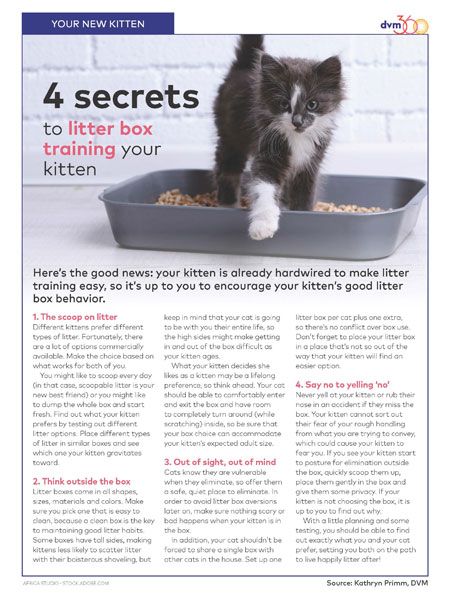
Start by placing the litter box in a quiet, accessible spot. Encourage your cat with gentle guidance. Clean regularly to maintain hygiene and comfort.
Setting up the litter box is the first step in potty training your cat. It might seem simple, but the right setup can make a huge difference in how quickly your cat adapts. You’ll want to create an environment that’s welcoming and encourages your cat to use the litter box consistently.Optimal Location
The location of the litter box is crucial for successful potty training. Place it in a quiet, low-traffic area where your cat can have privacy. Think about how you would feel using the bathroom in a busy hallway—your cat needs the same consideration. Avoid placing the litter box near loud appliances or in areas with high foot traffic. This can cause stress for your cat and deter them from using it. If you have multiple floors, consider having a litter box on each level to prevent your cat from choosing the floor over the box.Initial Preparation
Before introducing your cat to the litter box, make sure it’s clean and inviting. Remove any packaging materials and ensure it’s free of strong odors. Cats are sensitive to smells, and a fresh litter box will be more appealing. Add a layer of litter that is at least two inches deep, so your cat can dig and cover their waste comfortably. Consider using unscented litter as some cats are put off by strong perfumes. You might find that clumping litter is more convenient for cleaning. Do you remember a time when your cat seemed to hesitate using the box? Perhaps the litter was too shallow, or the box was too small. Pay attention to their behavior and adjust accordingly. Your cat’s comfort with the litter box setup is key to successful potty training.Introducing Your Cat To The Litter Box
Introducing your cat to the litter box requires patience and consistency. Cats are naturally clean animals, but they may need guidance. Creating a welcoming environment helps them adapt quickly. The first step is to ensure the litter box is easily accessible. Place it in a quiet, private area. This reduces stress and encourages regular use.
Gradual Introduction Techniques
A gradual approach works best for introducing a litter box. Start by placing your cat near the box after meals. This helps them associate the box with toileting. Allow them to explore the box without pressure. If they seem hesitant, gently encourage them by tapping the litter. Avoid forcing them inside. Instead, let curiosity lead them.
Using Positive Reinforcement
Positive reinforcement is key to successful litter training. Praise your cat when they use the box. Use a gentle voice and offer treats. Rewarding good behavior builds positive associations. Avoid scolding if they have accidents. Instead, clean the area without drawing attention. Consistent rewards motivate your cat to use the box regularly.
Creating A Routine
Creating a routine is key for successful cat potty training. Cats thrive on consistency. Establishing a routine helps your cat adapt quickly to using a litter box. A structured schedule simplifies the process. It also reduces stress for both you and your cat.
Regular Feeding And Bathroom Schedule
Feed your cat at the same time each day. Consistent feeding leads to predictable bathroom habits. After eating, your cat will likely need to use the litter box. Schedule bathroom breaks after meals. Guide your cat to the litter box immediately after feeding. This reinforces the habit of using the box. It helps your cat understand where to go.
Monitoring Progress
Keep track of your cat’s bathroom habits. Note any changes in behavior. Observe if your cat uses the litter box regularly. Praise your cat when it uses the box correctly. Positive reinforcement encourages repetition. If your cat struggles, adjust the routine. Ensure the litter box is always clean. A clean box invites use. Your observation is crucial for identifying patterns and adapting the routine.
Credit: www.cruceroclick.com
Addressing Common Challenges
Potty training a cat with a litter box involves patience and consistency. Start by placing the box in a quiet spot. Encourage your cat by gently guiding them to the box after meals.
Potty training a cat is not always a smooth journey. Many cat owners encounter challenges that test their patience. Understanding these challenges helps make the process easier. Let’s look at two common issues: handling accidents and dealing with reluctance.Handling Accidents
Accidents happen. Even the most well-trained cats might slip up. Clean accidents quickly to prevent odors. Use an enzyme-based cleaner to remove all traces. This discourages repeat accidents in the same spot. Keep a routine. Feed and play with your cat at the same times. This helps regulate their schedule.Dealing With Reluctance
Some cats resist using the litter box. This is common. Make sure the box is clean. Cats dislike dirty spaces. Try different litter types. Some cats prefer one texture over another. Place the litter box in a quiet, accessible spot. Loud noises might scare your cat away. Reward your cat when they use the box. Treats and praise work wonders. Remember, patience is key. Each cat learns at their own pace. `Maintaining The Litter Box
Proper maintenance of a cat’s litter box is crucial for successful potty training. It keeps your cat comfortable and ensures a clean home environment. Regular care helps prevent unpleasant odors and promotes healthy habits.
Cleaning Frequency
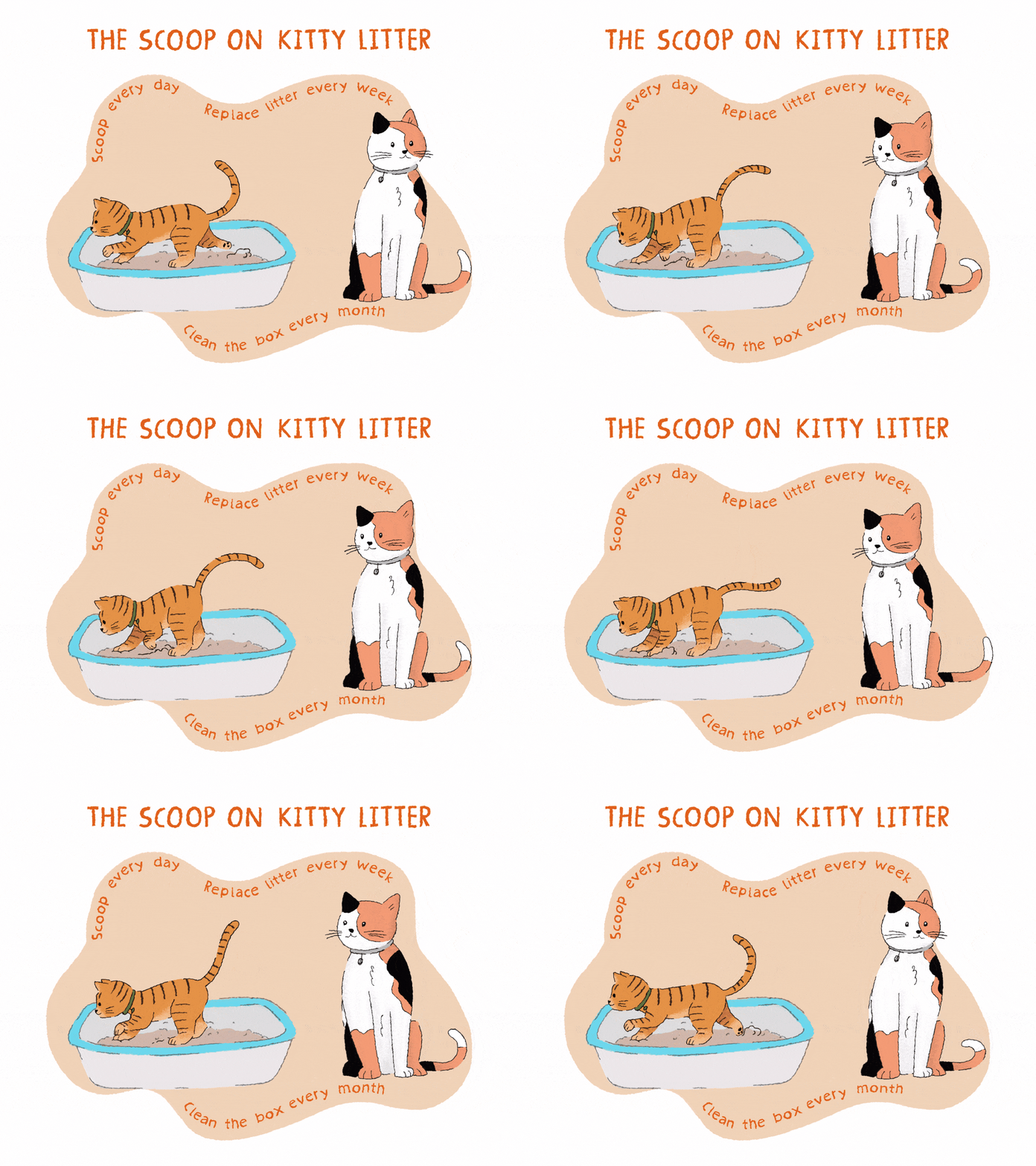
Clean the litter box daily to keep it fresh. Remove waste using a scoop to ensure hygiene. Replace the entire litter at least once a week. This prevents buildup and maintains a pleasant area for your cat.
Regular cleaning encourages your cat to use the box. Cats dislike dirty spaces. Consistent maintenance also reduces the risk of your cat seeking alternative spots.
Preventing Odor
Choose a quality litter that controls odor effectively. Look for unscented options to avoid irritating your cat. Baking soda can be a helpful addition to combat smells.
Ventilation is key in odor prevention. Place the litter box in a well-ventilated area. This helps disperse any lingering scents and keeps the air fresh.
Consider a litter box with a cover to contain odor. Ensure it’s comfortable and accessible for your cat.
Credit: www.cruceroclick.com
Consulting A Veterinarian
Potty training a cat can be challenging. Sometimes, you may need expert advice. Consulting a veterinarian offers valuable insights. They provide tailored advice for your feline friend. This ensures a smoother training process.
When To Seek Help
Seek help when your cat refuses the litter box. If accidents become frequent, it’s time to consult. A vet can determine underlying issues. They may suggest changes in diet or environment. Early consultation prevents long-term problems.
Behavioral Issues
Cats may show behavioral issues during training. These include anxiety or aggression. A veterinarian identifies behavioral triggers. They offer strategies to calm your cat. This ensures a peaceful transition to litter box use.
Understanding your cat’s behavior is key. A vet helps decode these signs. This makes potty training less stressful for both you and your cat.
Credit: www.hartz.com
Frequently Asked Questions
How To Train A Cat To Pee In A Litter Box?
Place the litter box in a quiet, accessible spot. Introduce your cat to it. Reward them when they use it. Clean the box regularly to maintain hygiene. Be patient and consistent with your training.
How Long Does It Take To Train A Cat To Use A Litter Box?
Training a cat to use a litter box usually takes about one week. Start by placing the litter box in a quiet, accessible area. Encourage the cat to use it after meals and playtime. Consistent reinforcement and patience help ensure successful litter box training.
Every cat is different, so be patient.
How Can I Get My Cat To Start Pooping In The Litter Box Again?
Ensure the litter box is clean and accessible. Try changing the litter type or location. Consult a vet for health issues. Provide positive reinforcement when your cat uses the litter box. Remove any stressors or changes in the environment.
Do Cats Prefer Open Or Closed Litter Boxes?
Cats have individual preferences for litter boxes. Some prefer open boxes for easy access, while others like closed ones for privacy. It’s important to observe your cat’s behavior to determine their preference. Offering both options can help identify what makes your cat most comfortable.
Conclusion
Training your cat to use a litter box is simple. Patience is key. Start with a clean box. Find a quiet spot for it. Encourage your cat gently. Praise them when they use it. Consistency helps them learn faster. Remember, accidents happen.
Keep trying. Adjust the box as needed. Remove any obstacles. Cats love routine. Stick to a schedule. Soon, your cat will feel comfortable. They will use the litter box regularly. Enjoy a cleaner home. Celebrate your success together. Happy training!

Similar Posts