Can U Train a Cat: Unleash Feline Potential
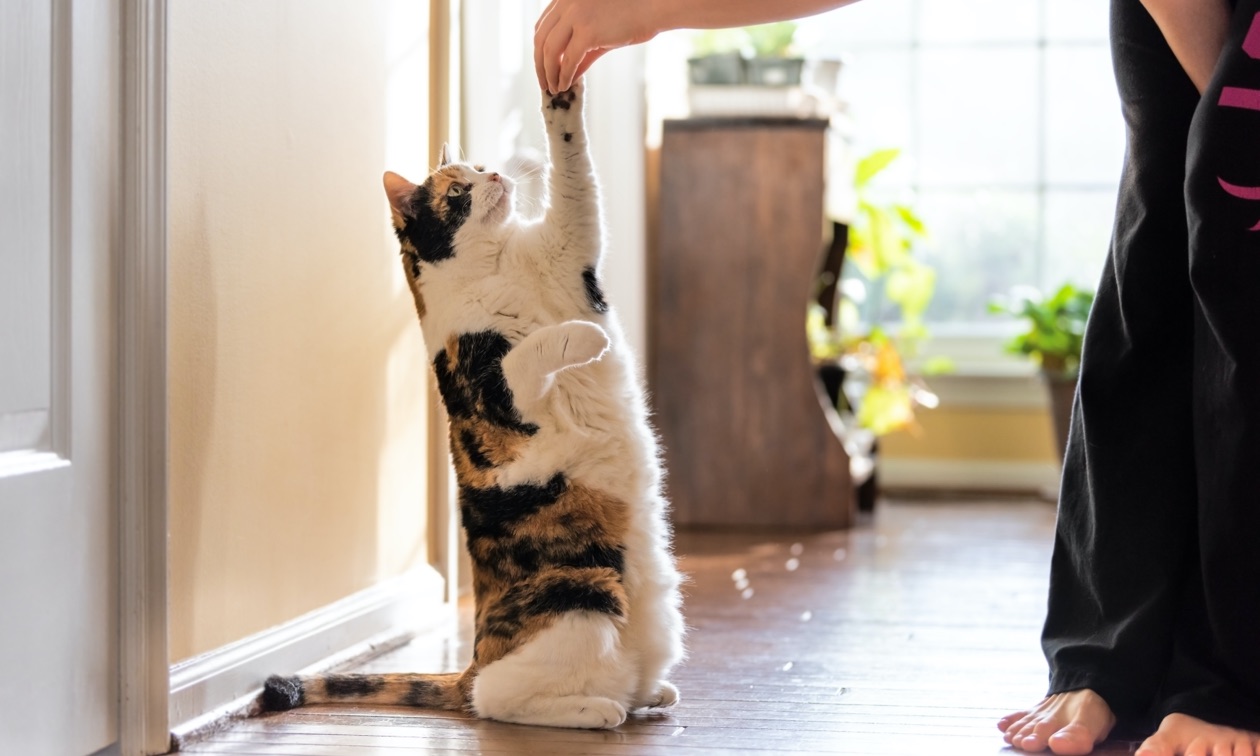
Imagine the joy of having a cat that comes when you call, uses the litter box flawlessly, or even performs a few tricks. You might be wondering if your feline friend can learn all this or if training is reserved only for dogs.
You’re not alone in pondering this question. Many cat owners find themselves curious about the possibilities of training their beloved pets. After all, cats are known for their independence and unique personalities, which can make the idea of training them seem a bit daunting.
But what if there were ways to communicate with your cat that are both effective and enjoyable for both of you? You’ll discover the secrets behind cat training, uncovering techniques that are surprisingly simple and engaging. Are you ready to unlock the potential of your cat’s mind? Let’s dive in and explore how you can transform your relationship with your furry companion.
Understanding Cat Behavior
Cats have a reputation for being mysterious and independent creatures. Understanding their behavior is key to training them. Many people assume cats are untrainable due to their aloof nature. But, diving into their behavior can reveal surprising insights. By understanding their instincts, social dynamics, and communication signals, you can build a stronger bond with your feline friend.
Natural Instincts
Cats are natural hunters. Even the most domesticated cat retains the instincts of their wild ancestors. Have you noticed your cat stalking toys or pouncing on shadows? These behaviors are rooted in their hunting instincts. Recognizing this can help you engage them in meaningful play.
Scratching is another instinctual behavior. It’s not just about sharpening claws; it’s a way to mark territory. Providing a scratching post can save your furniture and satisfy your cat’s natural urge.
Social Dynamics
Cats are often seen as solitary, but they have complex social structures. If you have multiple cats, observe how they interact. Some may be dominant, while others more submissive. This dynamic affects how they respond to training.
Even a solo cat has social needs. They seek companionship and attention from you. Respond to their cues for affection and you’ll foster trust. How do your cats greet you? This can offer insights into their social behavior.
Communication Signals
Cats communicate through a variety of signals. From purring to tail positions, each gesture has meaning. A raised tail often signals a happy cat, while a twitching tail might indicate irritation. Understanding these signals can guide your training approach.
Vocalizations are another form of communication. A cat’s meow can be a greeting or a demand for food. Pay attention to the context. When your cat meows, consider what they might be asking for.
Have you ever wondered why your cat kneads on your lap? This behavior is comforting for them. Recognizing these signals helps you respond appropriately, enhancing your relationship.
Understanding cat behavior is a journey. It requires patience and keen observation. What unique behaviors does your cat display? By tuning into their natural instincts, social dynamics, and communication signals, you can train them with ease. Remember, every cat is unique. Adapt your approach and watch your bond flourish.
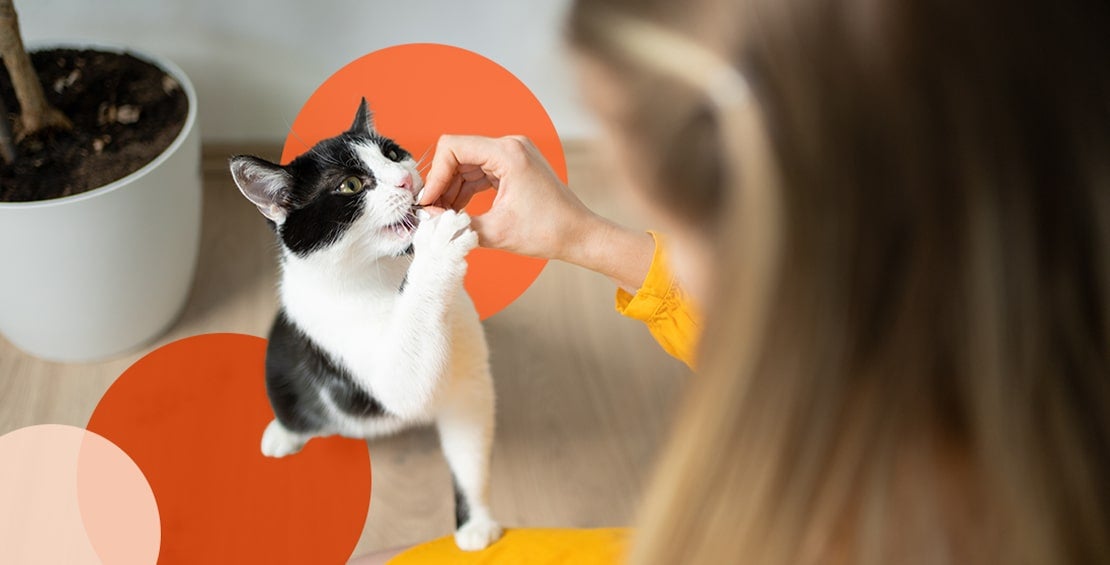
Credit: yourpetandyou.elanco.com
Training Basics
Training a cat may seem challenging, but it can be rewarding. Understanding the fundamentals is key to success. Start with realistic goals and a positive approach. Cats learn differently than dogs. Patience and consistency are your best tools.
Setting Expectations
Cats have unique personalities. Some learn quickly, others take time. Set small, achievable goals. Celebrate little successes. Expect progress, not perfection. Remember, training is a journey. Your cat might surprise you.
Creating A Safe Environment
A safe space is crucial for training. Cats need to feel secure. Ensure the area is quiet and free from distractions. Familiarize your cat with the space. Comfort leads to better learning. Safety first, always.
Essential Tools
A few tools can aid cat training. Use treats as rewards. Cats respond well to positive reinforcement. Clickers can help mark desired behaviors. Toys keep training fun and engaging. Keep sessions short and enjoyable.
Effective Techniques
Training a cat involves patience and consistency. Use positive reinforcement with treats to encourage desired behaviors. Cats respond well to short, regular sessions, making learning fun.
Training a cat may sound challenging, but with the right techniques, it’s entirely possible. Cats can be taught to follow commands and perform tricks just like dogs. The key lies in understanding their unique behaviors and motivations. You might be wondering how to start this journey of feline education. Let’s dive into some effective techniques that can help you train your cat successfully.Positive Reinforcement
Cats respond well to positive reinforcement. Reward your cat with treats or affection whenever they perform a desired behavior. This builds a connection between the action and the reward. Imagine your cat sitting calmly on command. Each time they do so, offer them a tasty treat. This encourages them to repeat the behavior. Does your cat have a favorite snack? Use it to motivate them during training sessions.Consistency And Patience
Training requires consistency and patience. Cats don’t learn overnight. Set aside time each day for short training sessions. Regular practice helps them remember what they’ve learned. Be patient with your feline friend. If they don’t get it right the first time, that’s okay. Just keep trying. Have you ever tried teaching a cat to shake paws? It may take several attempts, but with steady practice, they’ll master it.Using Clicker Training
Clicker training can be a game-changer. It involves using a small device that makes a clicking sound to mark desired behaviors. Once your cat associates the click with a reward, training becomes easier. Start by clicking and immediately giving a treat when your cat performs an action you want to reinforce. Soon, they’ll recognize the click as a positive signal. Have you considered clicker training for your cat’s mischievous habits? As you apply these techniques, observe your cat’s reactions closely. Are they more responsive to certain rewards? Adjust your approach based on their preferences. Remember, training a cat is a journey filled with small victories. How will you celebrate your first successful command?Teaching Tricks
Cats can learn tricks, though it takes patience and persistence. Treats and positive reinforcement encourage them to respond. Short sessions help maintain their interest and focus.
Teaching your cat tricks might sound like a lofty goal, but it’s entirely achievable and can be a fun way to bond with your feline friend. Cats are intelligent creatures, and with patience and consistency, you can teach them to perform various tricks. Whether it’s responding to simple commands or mastering more advanced skills, training your cat can provide mental stimulation and strengthen your relationship.Simple Commands
Start with basic commands that are easy for your cat to grasp. Sit and come are great initial tricks. Use a treat as a lure and reward them immediately when they follow your command. I taught my cat, Luna, to sit by holding a treat above her head and moving it backward. She naturally sat, and I rewarded her instantly. Have you tried teaching your cat a simple command yet? Repeat these exercises in short sessions. Cats have short attention spans, so keep it engaging and fun.Advanced Tricks
Once your cat masters the basics, move on to more advanced tricks like high five or roll over. These require a bit more patience. Use a clicker or a specific word as a marker to signal a correct action. Luna loves giving high fives now, and it’s always a hit with guests. Watching her learn was as rewarding for me as it was for her. What advanced trick would you like your cat to learn? Consistency is crucial. Practice regularly and always end on a positive note to keep your cat motivated.Problem Solving Activities
Engage your cat’s mind with problem-solving activities. These activities teach them to think critically and improve their cognitive skills. Puzzle feeders or interactive toys can be excellent tools. I noticed that Luna became less bored and more playful after introducing problem-solving games. Do you have interactive toys for your cat? Observe your cat’s behavior during these activities. It’s fascinating to see their problem-solving skills in action, and it gives you insight into their unique personality. Teaching tricks to your cat isn’t just about obedience; it’s about creating a fun, stimulating environment. So, what trick will you start with today?Addressing Challenges
Training a cat poses unique challenges due to their independent nature. Patience and consistency are key in teaching basic commands. Cats respond well to positive reinforcement, making treats and praise effective tools for success.
Training a cat can often feel like an uphill battle, but it’s not impossible. Cats are known for their independence, and while they might not respond to commands like a dog, they can learn certain behaviors with patience and the right approach. Addressing challenges is crucial for a successful training experience, ensuring a harmonious relationship between you and your feline friend.Handling Stubbornness
Cats have a reputation for being stubborn, and this trait can make training difficult. If your cat refuses to listen, try to understand what motivates them. Is it food, toys, or praise? Using treats as rewards can be effective. Keep training sessions short and fun to maintain their interest. Remember, patience is key. Consistency will gradually break through that stubborn barrier.Dealing With Fear
Fear can be a significant hurdle when training your cat. A frightened cat is less likely to respond positively to training efforts. Create a safe environment where your cat feels secure. Use a calm voice and gentle actions to reassure them. When I first trained my cat, I found that sitting quietly near her helped. She slowly learned to associate my presence with safety.Managing Aggression
Aggression can be a challenging behavior to manage during training. It’s important to identify triggers that lead to aggressive responses. If your cat shows aggression, avoid punishment, as it can worsen the behavior. Instead, redirect their energy with interactive toys or play sessions. Observe your cat’s body language closely. Understanding their signals can prevent potential outbursts. Training a cat requires a mix of patience, understanding, and creativity. Have you found effective strategies in handling these challenges? Your insights could make the journey smoother for fellow cat owners.
Credit: yourpetandyou.elanco.com
Maintaining Progress
Training a cat requires patience and consistency. Maintaining progress ensures your cat retains the skills learned. Cats, like humans, may forget. Regular reinforcement helps solidify training. This section explores key strategies to maintain your cat’s progress.
Regular Practice
Consistency is crucial in cat training. Short, frequent sessions work best. Spend a few minutes daily reinforcing skills. Use toys and treats to make it fun. Cats respond well to positive reinforcement. Make practice sessions enjoyable for both of you. This strengthens the bond and reinforces learning.
Monitoring Behavior
Pay close attention to your cat’s behavior. Notice changes in their response to commands. Observe if your cat seems confused or uninterested. This can indicate a need for adjustments. Understanding your cat’s mood helps tailor your approach. Keep notes on their progress. This helps track what works best.
Adjusting Techniques
Every cat is unique. What works for one may not work for another. Be ready to adjust techniques. If a method fails, try a new one. Experiment with different rewards. Some cats prefer treats, others like toys. Tailor your training to fit your cat’s preferences. Flexibility ensures continued success.
Benefits Of Training
Training a cat might seem unusual, but it offers many benefits. These advantages extend beyond just teaching tricks. Training can improve your relationship with your feline friend. It also boosts their mental activity and improves their social skills. Let’s explore these benefits in more detail.
Strengthening Bond
Training sessions strengthen the bond between you and your cat. Spending time together builds trust. It helps your cat feel more secure. They begin to understand your cues and respond positively. This mutual understanding leads to a deeper connection. A well-trained cat is often more affectionate. They enjoy your company more.
Enhancing Mental Stimulation
Cats need mental challenges to stay sharp. Training provides this stimulation. It keeps their minds active and engaged. Learning new tricks or commands sparks their curiosity. A stimulated cat is a happy cat. Mental exercise prevents boredom and reduces anxiety. It can also slow down cognitive decline in older cats.
Improving Social Skills
Training improves a cat’s social interactions. It teaches them how to behave around people and other animals. Social skills are important for indoor and outdoor cats. A trained cat is less likely to react negatively in new situations. This makes vet visits or travel less stressful. Better social skills lead to a more harmonious household.
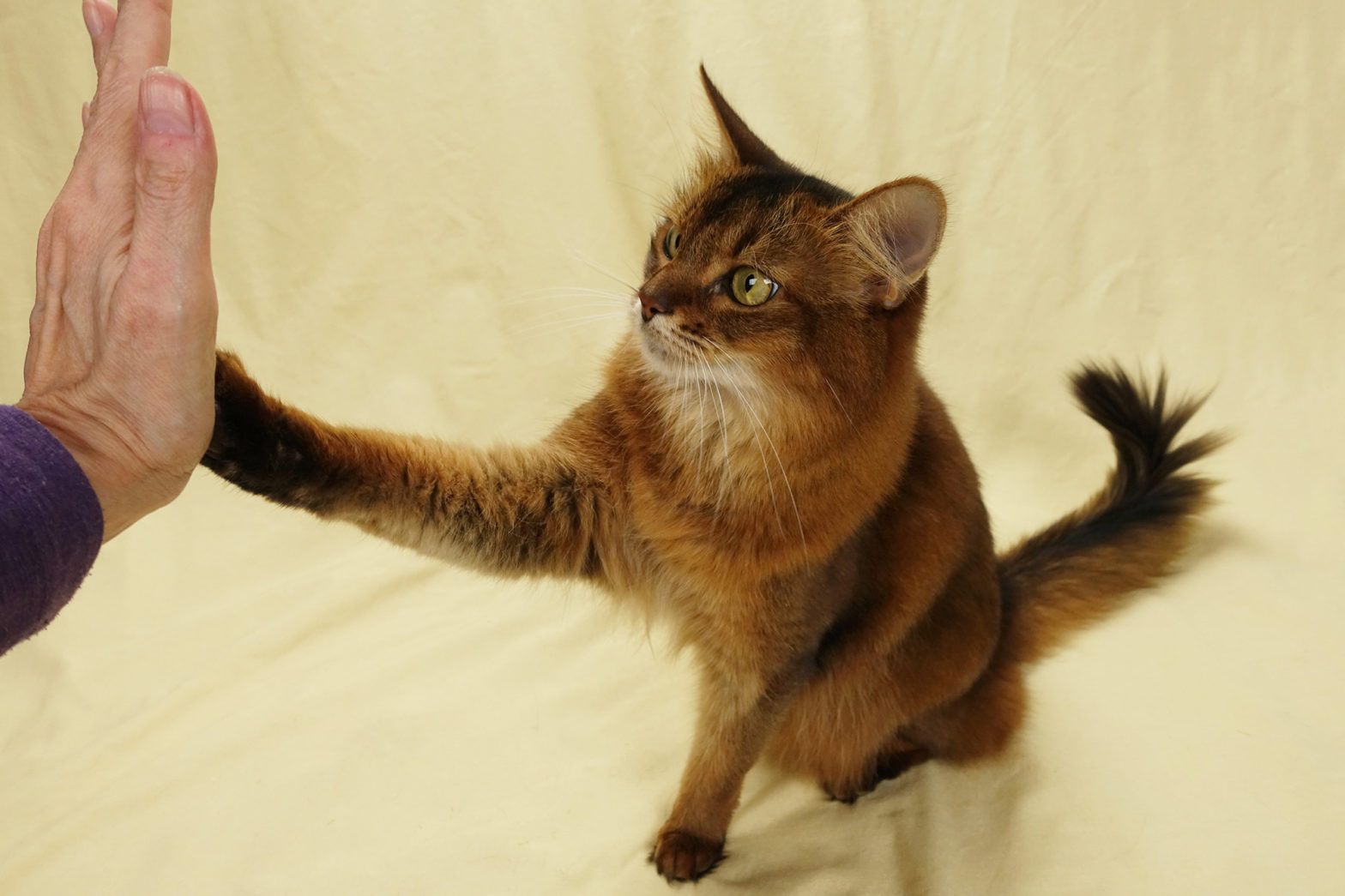
Credit: www.fearfreehappyhomes.com
Frequently Asked Questions
How To Discipline A Cat?
Use positive reinforcement to reward good behavior. Redirect unwanted actions with toys or distractions. Consistency is key in teaching acceptable behavior. Avoid punishment; it can create fear or aggression. Use a firm voice for commands to guide your cat.
What Is The 3-3-3 Rule For Cats?
The 3-3-3 rule helps cats adjust when adopted. In 3 days, they decompress. In 3 weeks, they settle in. In 3 months, they fully adapt to their new home. This timeline supports their emotional and physical comfort.
How Do You Teach A Cat No?
Use a firm voice to say “no” when your cat misbehaves. Redirect their attention with toys. Consistently reward good behavior with treats. Avoid physical punishment. Be patient and persistent for effective training.
Is It Possible To Train A Cat To Behave?
Yes, you can train a cat to behave with patience and consistency. Use positive reinforcement, like treats and praise, to encourage good behavior. Focus on rewarding desired actions rather than punishing bad ones. Training sessions should be short and fun to keep your cat engaged.
Conclusion
Training a cat is possible with patience and consistency. Cats respond well to positive reinforcement. Treats and praise encourage good behavior. Small steps lead to big progress. Begin with simple commands. Gradually introduce more complex tasks. Every cat is unique.
Their pace of learning varies. Celebrate small victories along the way. Keep training sessions short and fun. Avoid frustration and stress. Building trust is key. A strong bond with your cat enhances training success. Enjoy the process of learning together.
Your efforts will reward you with a well-behaved feline friend. Happy training!

Similar Posts