Are Cats Potty Trained? Discover the Feline Truth
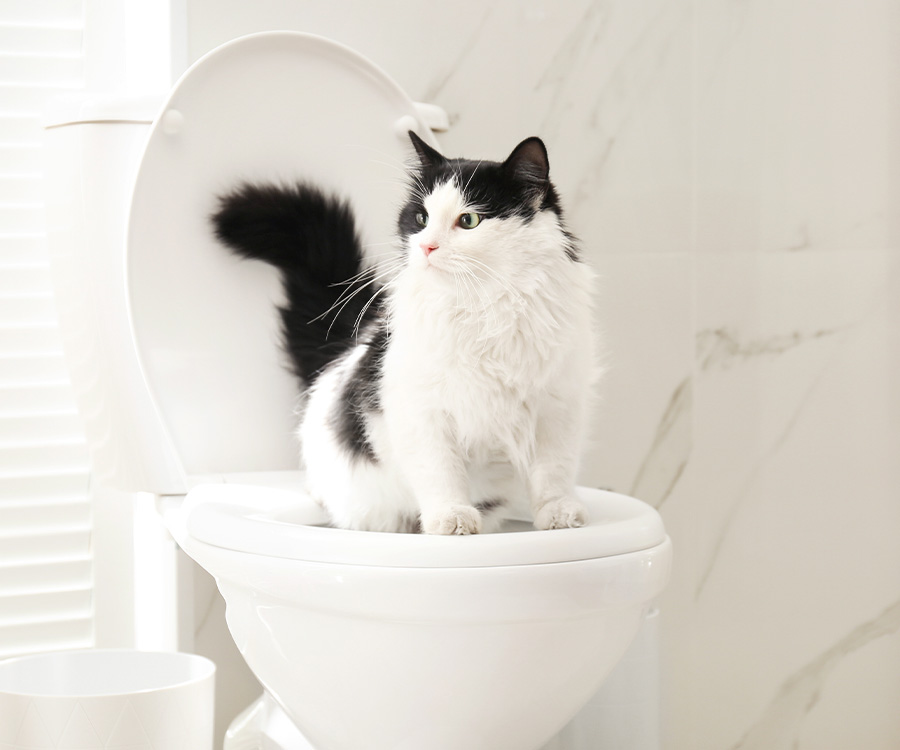
Have you ever wondered if your feline friend can be as tidy as a well-trained dog? You’re not alone.
Many cat owners find themselves questioning whether their cats can be potty trained. Understanding your cat’s behavior is crucial, especially when it comes to their bathroom habits. Imagine the convenience and cleanliness of having a cat that knows exactly where to go.
No more messy surprises or unpleasant odors. But is it really possible? Dive into this article to uncover the truth about potty training cats, and discover techniques that could transform your home into a cleaner, happier space. Curious? Let’s unravel the mystery together!
Credit: schertzanimalhospital.com
Cat Potty Training Basics
Training your cat to use the potty might sound like a daunting task, but with patience and consistency, it can become a reality. Cats are naturally clean animals, and their instinct to bury waste can be harnessed in a structured training process. The basics of cat potty training involve understanding your cat’s behavior, setting up the right environment, and gradually transitioning them from a litter box to a toilet.
Understanding Your Cat’s Behavior
Observe your cat’s bathroom habits. Does your cat prefer a certain spot or show signs before they need to go? Recognizing these patterns can help you anticipate when they need to use the toilet. Cats are creatures of habit, and this understanding will aid in smooth transitioning.
Setting Up The Right Environment
Start by placing the litter box in the bathroom. Gradually raise it using sturdy materials until it is at toilet level. This step familiarizes your cat with the bathroom environment, making the transition less intimidating.
Transitioning From Litter Box To Toilet
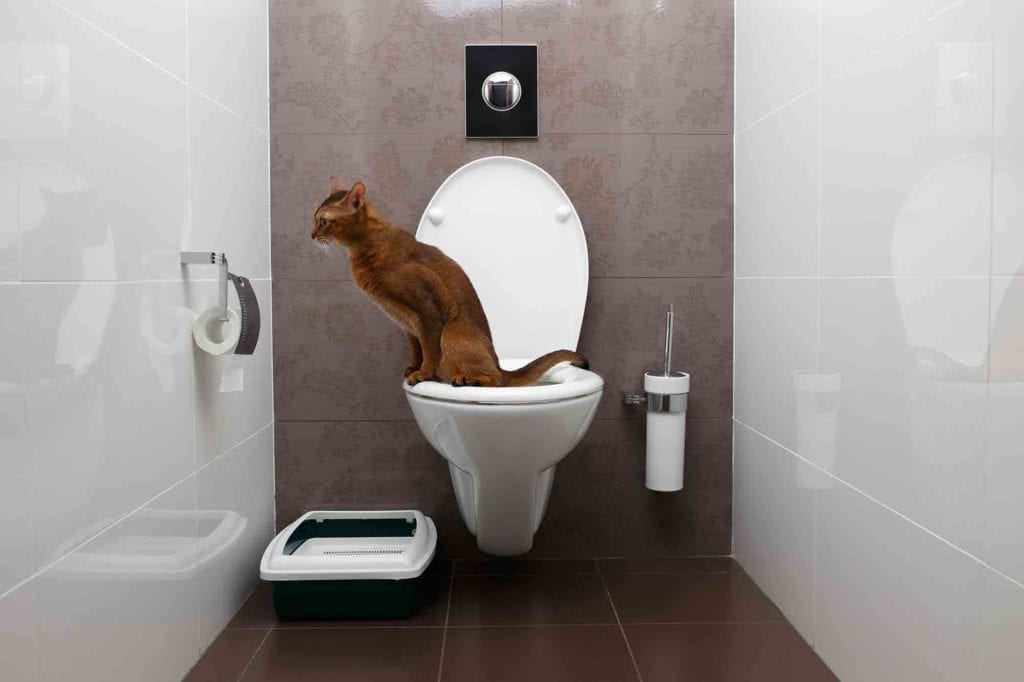
Once your cat is comfortable with the raised litter box, replace it with a training seat that fits over the toilet. Ensure it is stable to prevent accidents. Slowly reduce the amount of litter each day. Your cat will learn to balance and aim correctly.
Consistency And Patience
Consistency is key. Stick to the routine even if progress seems slow. Celebrate small victories. If your cat uses the toilet successfully, reward them with affection or a treat. This positive reinforcement encourages repeated behavior.
Challenges And Solutions
Training might hit a few bumps. If your cat reverts to old habits, reassess the training environment. Address any stress or discomfort they might be experiencing. Remember, patience is your best friend during this process.
Do you think your cat would embrace potty training? Many cats do, but each one is unique. Understanding and adapting to your cat’s needs can lead to success. It’s a journey, but with these basics, you’re well on your way to a potty-trained feline!
Credit: www.fourpaws.com
Natural Instincts Of Cats
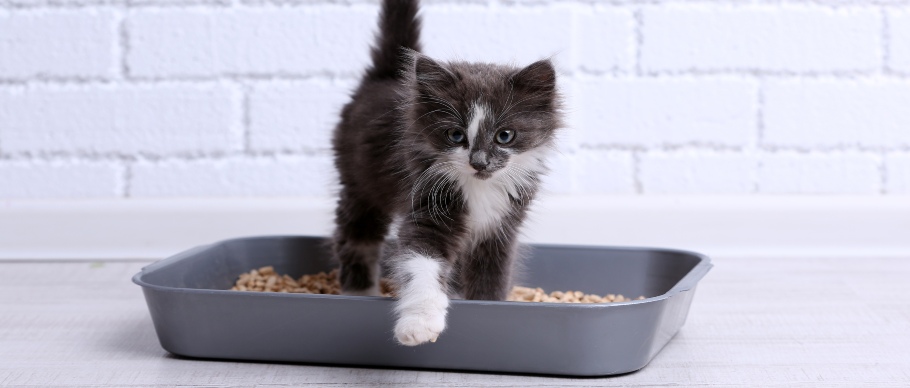
Cats have a natural instinct to use litter boxes due to their desire to bury waste. This behavior mimics their outdoor habits, making potty training straightforward. Providing clean litter boxes encourages this instinctive behavior.
Cats are fascinating creatures, boasting a mix of independence and instinctual prowess. One of their most intriguing traits is their ability to naturally use a litter box. This isn’t merely by chance but rather a testament to their ingrained behaviors.Understanding The Litter Box Instinct
Cats have an innate desire to bury their waste. This behavior stems from their wild ancestors who buried their scent to avoid predators. By providing a litter box, you’re tapping into this natural inclination, making potty training a breeze.The Role Of Scent
Cats rely heavily on scent to navigate their world. They are drawn to familiar smells, which is why consistent placement of their litter box is crucial. A sudden change can confuse them, leading to accidents.A Personal Story: Felix And His Litter Box Journey
I once adopted a kitten named Felix. Despite being only a few weeks old, he instinctively knew where to go. Felix’s quick adaptation was a clear reminder of the powerful instincts cats possess.How Environment Influences Behavior
The environment plays a significant role in a cat’s potty training success. A quiet, low-traffic area encourages regular use of the litter box. Consider if your cat’s potty habits are influenced by their surroundings.Encouraging Positive Litter Box Habits
Encouragement can go a long way. Reward your cat with gentle praise or a treat when they use their litter box. This positive reinforcement can solidify good habits.Common Challenges And Solutions
Sometimes, despite your best efforts, a cat may refuse the litter box. Ensure the box is clean, as cats are fastidious creatures. If the issue persists, it might be time to consult a vet. Understanding your cat’s natural instincts is key to successful potty training. By aligning with these instincts, you can foster a harmonious living environment for both you and your feline friend. Are there other aspects of your cat’s behavior that surprise you?Litter Box Training
Cats are naturally clean creatures. Many pet owners wonder if their cats are potty trained. Litter box training is essential for keeping your home clean. It helps your feline friend adapt to household living. This process is straightforward, but requires patience and the right tools. Let’s explore how to effectively train your cat using a litter box.
Choosing The Right Litter Box
Selecting the right litter box is crucial. Cats need space to move comfortably. Choose a box large enough for your cat to turn around. Some cats prefer open boxes, while others like covered ones. Consider your cat’s preferences. Look for boxes with low sides if your cat is small or elderly. This ensures easy access without strain.
Selecting Suitable Litter
Litter comes in various types. Clay, clumping, and biodegradable options are popular. Clumping litter is easy to clean. It forms solid clumps, making scooping simple. Some cats have sensitive paws. Softer litter may be more comfortable for them. Avoid scented litter. Strong smells can deter cats from using the box.
Placement Of The Litter Box
The location of the litter box matters. Cats need privacy and quiet when using the box. Place it in a low-traffic area of your home. Avoid putting it near noisy appliances. Ensure the box is accessible. Cats should reach it easily without barriers. Keep it away from their food and water bowls. This encourages hygiene and proper use.
Signs Of Successful Training
Cats can learn to use the litter box with proper training. Recognizing signs of successful potty training helps owners ensure their cats are on track. These signs demonstrate that your cat understands and follows the routine. Observing these indicators can offer peace of mind and highlight your pet’s progress.
Understanding Litter Box Usage
One sign is consistent use of the litter box. Cats should use the box regularly without accidents elsewhere. This shows they know where to go when nature calls.
Regular Cleaning Habits
Another indicator is regular cleaning behavior. A trained cat will cover their waste in the litter box. This instinctive action suggests they have adopted proper habits.
Comfortable Around The Litter Box
Comfort near the litter box is crucial. A trained cat approaches and uses the box confidently. They should not show hesitation or discomfort.
Positive Interaction With Owners
Positive interactions with owners can reflect successful training. Cats might seek approval or attention after using the litter box correctly. This behavior indicates their understanding of the training.
Minimal Stress Signals
Minimal stress signs also point to successful training. Cats should not display anxiety or distress related to litter box use. Calm and relaxed behavior is ideal.
Common Challenges In Potty Training
Cats often face challenges during potty training. Some may refuse the litter box or urinate outside it. Stress, medical issues, or improper litter can contribute to these problems. Patience and understanding their needs help improve training success.
Potty training a cat might seem like a straightforward task, but it often presents challenges that can test your patience. Cats are naturally clean animals, yet they might encounter hurdles in adapting to a litter box. Understanding these common challenges can help you create a more harmonious environment for both you and your feline friend.Dealing With Accidents
Accidents happen even to the best-trained cats. It’s crucial to handle these mishaps with patience rather than frustration. Clean the area thoroughly to eliminate any lingering odors that might attract your cat back to the spot. Consider using enzymatic cleaners designed for pet accidents. Have you ever wondered why a cat might return to the same spot? Cats are guided by scent, so removing all traces is key.Addressing Litter Box Avoidance
Litter box avoidance is another common challenge. This often results from a dirty box, an unsuitable location, or even a disliked litter type. Regular cleaning and experimenting with different litter can help. Place the box in a quiet, accessible area away from noisy appliances. You might find that your cat prefers a specific type of litter texture; observing their preferences can guide your choices. What changes have you noticed when you switched litter types?Understanding Behavioral Issues
Behavioral issues can complicate potty training. Stress, changes in environment, or health problems can lead to unexpected potty habits. Cats are sensitive to changes, so maintaining a stable routine is beneficial. If your cat starts avoiding the litter box, consider recent changes in their environment or health. Consulting a vet can help rule out medical problems. Have you ever considered how a new pet or a move might affect your cat’s behavior? By addressing these challenges with empathy and adaptability, you pave the way for successful potty training. Remember, every cat is unique, so what works for one might not work for another. Embrace the process as an opportunity to deepen your understanding of your feline companion. How will you tackle the next challenge with your cat’s potty training?Advanced Potty Training Methods
Advanced potty training methods can make life easier for cat owners. Some cats learn basic litter box use quickly. Others may benefit from advanced techniques. These methods can improve your cat’s habits and your home environment.
Toilet Training Techniques
Toilet training a cat can save space and money. Start by placing a litter box near the toilet. Gradually raise it using books or boxes. The goal is to reach toilet height. Next, move the box over the toilet seat. Use a special training seat if needed. Gradually reduce litter to help your cat adjust. Patience is key. Cats need time to adapt to changes.
Training Multiple Cats
Training multiple cats requires a different approach. Each cat has its personality and pace. Set up separate litter boxes for each cat. This prevents territorial disputes. Observe each cat’s progress individually. Positive reinforcement works well. Reward good behavior with treats or praise. Consistency is important. Stick to a routine that suits all your cats.
Maintaining Good Hygiene
Cats often use litter boxes instinctively, making them naturally inclined toward cleanliness. They prefer tidy environments for their bathroom needs. This behavior aligns with their strong desire to maintain good hygiene.
Keeping your cat’s environment clean is essential for their health and happiness. Cats are naturally clean animals, but they need a little help from you to maintain good hygiene. A clean litter box and a fresh-smelling home not only benefit your cat but also enhance your living space.Cleaning The Litter Box
Cleaning the litter box is crucial for maintaining hygiene. Scoop the litter box at least once a day to remove waste. This prevents buildup and keeps your cat happy. Change the litter completely every week to ensure freshness. Some cats are picky and may avoid a dirty box. Regular cleaning reduces the risk of odors and bacterial growth. Consider using litter box liners for easier cleanup. They save time and help keep the box itself cleaner. Your cat will appreciate the effort, and you’ll notice a fresher space.Preventing Odors
Preventing odors requires more than just cleaning. Ensure proper ventilation in the area where the litter box is placed. This allows any lingering smells to dissipate quickly. Using baking soda can help neutralize odors. Sprinkle a small amount into the litter box before adding fresh litter. This simple trick can make a big difference. Be mindful of the type of litter you choose. Some litters are better at controlling odor than others. Experiment until you find one that works best for your household. Have you ever walked into a room and been greeted by a less-than-pleasant smell? Regular litter maintenance can prevent this, making your home more inviting for guests and more comfortable for you and your feline friend.
Credit: www.thalinepal.com
Health Considerations
Cats are generally clean animals. They instinctively use litter boxes. This behavior is beneficial for their health. Proper potty training ensures your cat’s well-being. A trained cat is less likely to have urinary issues. Regular monitoring of their habits is crucial.
Recognizing Urinary Problems
Urinary problems in cats can be subtle. Watch for changes in their routine. Frequent trips to the litter box may indicate an issue. Difficulty urinating is a serious sign. Blood in urine needs immediate attention. Cats may avoid the litter box if in pain. These signs can indicate urinary tract infections.
Consulting A Veterinarian
Any signs of urinary problems require professional advice. A veterinarian can diagnose issues accurately. Treatment plans improve your cat’s health. Early consultation prevents complications. Regular check-ups help maintain their urinary health. Keep your cat’s comfort a priority. A healthy cat is a happy cat.
Myths And Misconceptions
Many believe that cats are born with natural potty training skills. This leads to various myths and misconceptions. Understanding these myths can help new cat owners. It also aids in better pet care practices.
Myth: Cats Are Naturally Potty Trained
Many think cats instinctively use litter boxes. This isn’t entirely true. Cats learn this behavior from their mothers. If a kitten lacks guidance, it may struggle with litter training.
Misconception: All Cats Use The Litter Box Perfectly
Not all cats use litter boxes flawlessly. Some cats may refuse due to stress. Others may avoid it if it’s dirty. Health issues can also cause litter box problems.
Myth: Punishing Cats For Accidents Works
Punishing a cat for an accident is ineffective. It creates fear, not learning. Positive reinforcement is a better approach. Rewarding good behavior encourages consistent litter box use.
Misconception: Litter Type Doesn’t Matter
Some believe any litter works for all cats. This is not true. Cats have preferences for specific textures and scents. Choosing the right litter can prevent issues.
Myth: Outdoor Cats Can’t Be Litter Trained
Outdoor cats can learn to use a litter box. It requires patience and consistency. Gradual introduction helps them adapt. Success is possible with time and effort.
These myths and misconceptions can confuse cat owners. Understanding the truth helps in better cat care. It ensures a happier relationship with your feline friend.
Frequently Asked Questions
Are Cats Naturally Potty Trained?
Cats instinctively use litter boxes due to their natural burying behavior. Most kittens learn this quickly from their mothers. Owners should provide a clean litter box to encourage this habit. Some cats may need guidance, but generally, they adapt easily to using a litter box.
Are Cats Hard To Potty Train?
Cats are generally easy to potty train. They naturally prefer using a litter box due to their instinctual behavior. Consistency and proper placement of the litter box are crucial. Most cats quickly learn and adapt, making the process straightforward for owners.
How Long Will It Take To Potty Train A Cat?
Potty training a cat typically takes 2-4 weeks. Success depends on consistency and patience. Start with a litter box, gradually moving it to the desired location. Reward positive behavior and ensure the environment is stress-free. Each cat is unique, so adjust methods to fit individual needs for best results.
Do Cats Need To Be Toilet Trained?
Cats typically use litter boxes instinctively and don’t need toilet training. Most learn from their mothers. Provide a clean, accessible litter box, and they usually adapt quickly. If issues arise, consult a vet to rule out health problems. Training to use a human toilet is possible but not necessary.
Conclusion
Cats can be potty trained with patience and effort. Understanding their habits helps in training. Use litter boxes that fit their needs. Make sure the location is quiet and accessible. Cleanliness matters; cats dislike dirty boxes. Rewards encourage good behavior.
Training takes time. Be consistent and patient. Success varies among cats, but most can learn. Enjoy the journey of training your cat. It’s a rewarding experience for both of you. Happy training!

Similar Posts