Can Cats Relieve Stress: Discover Calming Benefits
Feeling stressed out lately? You’re not alone.
Stress seems to be a constant companion for many of us, creeping into our lives and making things more challenging. But what if there was a simple, furry solution to help ease those tense moments? Imagine coming home after a long day, and being greeted by a soft purr and a gentle nuzzle.
Cats have a unique way of weaving themselves into our lives, offering comfort and joy without asking for much in return. Could these adorable creatures be the answer to your stress? As you delve into this article, you’ll discover how cats might just be the ultimate stress-relief companions. Their soothing presence, playful antics, and unconditional love could be just what you need to lighten your mental load. Curious to find out how? Keep reading to uncover the calming power of cats and how they might transform your days for the better.

Credit: www.instagram.com
The Science Behind Cats And Stress Relief
Cats can lower stress by providing companionship and comfort. Their gentle purring is soothing and can calm anxiety. Stroking a cat releases endorphins, helping people relax and feel happier.
Cats have long been celebrated for their mysterious ways and calming presence. But what is it about cats that seems to melt away stress like a warm cup of tea? Science has some intriguing answers. From their soothing purrs to their gentle companionship, cats offer more than just cute antics—they may actually help you manage stress effectively. This section uncovers the science behind why having a cat might be the stress relief you’ve been looking for.Biological Effects Of Cats On Humans
Imagine the rhythmic sound of a cat’s purr. This comforting vibration is not just pleasant; it’s therapeutic. Studies show that the frequency of a cat’s purr can help lower blood pressure and heart rate. When you stroke a cat, your body releases oxytocin, a hormone associated with love and bonding. This biological response can lead to reduced stress levels. It’s like your body is saying, “Relax, everything is going to be okay.” Cats also influence other hormones. By spending time with your feline friend, you might experience increased levels of serotonin and dopamine, chemicals that boost mood and happiness.Psychological Benefits Of Cat Companionship
Cats are known for their independent nature, yet their companionship is deeply rewarding. Their presence alone can provide a sense of comfort and security. Having a cat can encourage mindfulness. Observing a cat’s playful antics or quiet demeanor can help you focus on the present moment, pulling you away from stressful thoughts. Let’s not forget the joy of shared routines. Feeding and playing with your cat creates a daily rhythm that can add structure to your life, making stress feel more manageable. Do you find yourself talking to your cat after a long day? Many people do, and it’s surprisingly therapeutic. Expressing your thoughts to a non-judgmental listener can be a simple way to ease stress. Have you noticed these effects with your own cat? If you haven’t yet experienced the soothing presence of a feline friend, maybe it’s time to consider welcoming one into your home. The science—and your stress levels—might thank you for it.Therapeutic Roles Of Cats
Cats can help reduce stress through their calming presence and gentle purring. Their affectionate nature offers comfort and relaxation. Spending time with cats can ease anxiety and create a peaceful environment.
Cats have long been cherished companions, not just for their playful antics and purring presence, but also for their surprising therapeutic roles. These furry friends have a unique way of offering solace during stressful times. Whether it’s their gentle purring or their soft fur, cats have a calming effect that many find soothing. But how exactly do they help alleviate stress? Let’s explore some of the therapeutic roles that cats play in our lives.Cats As Emotional Support Animals
Cats can serve as emotional support animals, offering comfort and a sense of security. Imagine coming home after a tough day to find your cat waiting at the door, ready to greet you. Their mere presence can reduce anxiety levels and bring a smile to your face. Their non-judgmental nature means they accept you as you are, creating an environment where you feel safe to unwind. Studies show that interacting with cats can lower blood pressure and reduce feelings of loneliness.Animal-assisted Therapy And Cats
Animal-assisted therapy often includes cats to help individuals cope with emotional and mental challenges. These sessions can be particularly beneficial in settings like hospitals or nursing homes where stress is prevalent. Cats in therapy programs offer affection without demanding much in return. This can be especially comforting for those who find it difficult to express their emotions or connect with others. Their presence can encourage social interaction and help improve mood. Could having a cat as part of a therapy program enhance the emotional well-being of more people? By considering these therapeutic roles, you might find a new appreciation for the way cats contribute to stress relief. Have you ever noticed how a simple purr can change your mood?Interactions That Soothe Stress
Cats can be a calming presence, reducing stress through gentle purring and playful antics. Their soothing interactions can ease anxiety and create a peaceful environment. Spending time with a cat may offer emotional relief and relaxation.
Cats are known for their calming presence. Their playful antics and gentle purring can create a soothing environment. Interacting with cats can help reduce stress. Here are some ways cats can improve your mood.Physical Touch And Stress Reduction
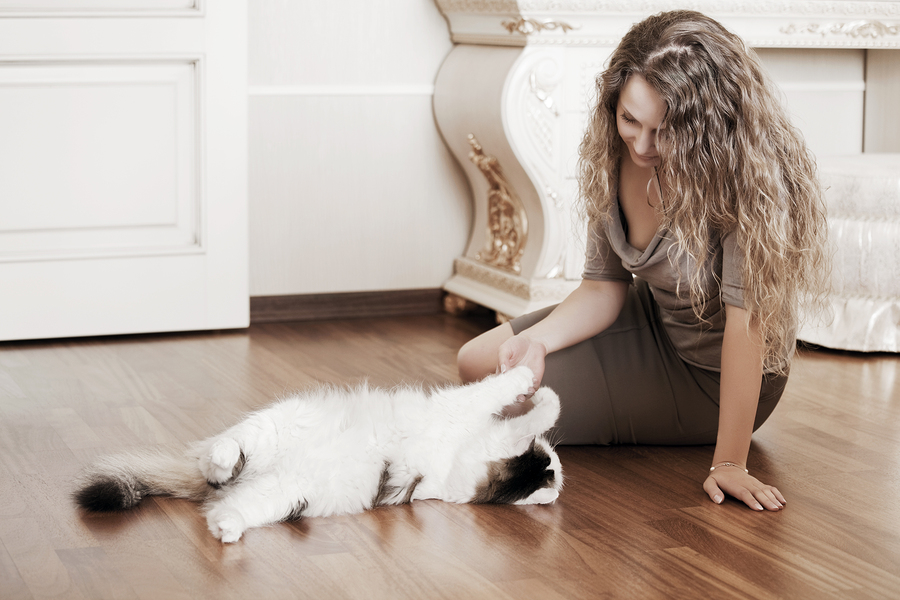
Petting a cat can lower stress levels. Stroking their soft fur can release oxytocin. This hormone promotes happiness. The rhythmic motion of petting can calm the mind. A cat’s purr offers comfort. It’s like a natural therapy. This touch creates a connection. It provides a sense of warmth and peace.Observing Cat Behavior For Relaxation
Watching cats play can be mesmerizing. Their graceful movements captivate attention. It’s a delightful distraction from daily worries. Cats nap often, which can inspire relaxation. Their peaceful sleep reminds us to slow down. Observing their curiosity brings joy. It encourages mindfulness. Enjoy their antics and unwind. Cats offer a window into tranquility.Creating A Stress-free Environment With Cats
Creating a stress-free environment with cats is more than just having a furry companion around. It’s about setting up your space to optimize the calming effects of having a cat. As someone who has shared their home with cats for years, I’ve found that the right environment can make a significant difference in reducing stress levels. Cats have an innate ability to bring tranquility, but how can you enhance this through your home setup?
Designing Cat-friendly Spaces
Start by assessing your home’s layout. Is there enough space for your cat to roam and explore? Cats love to climb, so consider adding shelves or cat trees. Think vertical. These additions don’t just keep your cat entertained; they also create a feeling of space and freedom, which is relaxing for both of you.
You might be surprised by how much a cozy corner can change the mood. Create a little nook with soft bedding where your cat can retreat. It’s not just for them—watching a cat curl up comfortably can be soothing for you, too.
Are there places where your cat can observe the outside world? A window perch can provide endless entertainment, keeping your cat engaged and less likely to act out. Observing their curiosity can be a delightful distraction from everyday stresses.
Incorporating Cat Play Into Daily Routines
Playing with your cat isn’t just fun—it’s a stress buster. Dedicate a few minutes each day to interactive play. Use toys that mimic prey to stimulate their instincts. This kind of play can be as engaging for you as it is for your cat.
Have you ever noticed how a quick play session can lift your mood? It’s an excellent way to break up a stressful day. Try to schedule these playtimes during your breaks. A few minutes of tossing a toy or watching your cat chase a laser pointer can refresh your mind.
Consider involving your family or roommates in these sessions. It’s a simple way to bond and share smiles. Plus, cats love the attention, and seeing them happy can be incredibly rewarding.
So, how will you design your space and routine to harness your cat’s stress-relieving potential? The possibilities are endless. And the benefits are waiting for you both to enjoy.
Caring For Cats To Maximize Benefits
Caring for cats can help reduce stress and bring joy. Their gentle purring and playful nature offer comfort. Cats create a calming atmosphere, perfect for relaxation.
Caring for cats isn’t just about feeding them or cleaning their litter box; it’s about creating a nurturing environment where both you and your feline friend can thrive. By meeting your cat’s needs, you enhance the bond and unlock stress-relieving benefits. Imagine coming home after a long day and being greeted by the gentle purrs of your cat, instantly melting away the tension. But how do you ensure this relationship is mutually beneficial? Let’s delve deeper.Meeting Cats’ Needs For Mutual Stress Relief
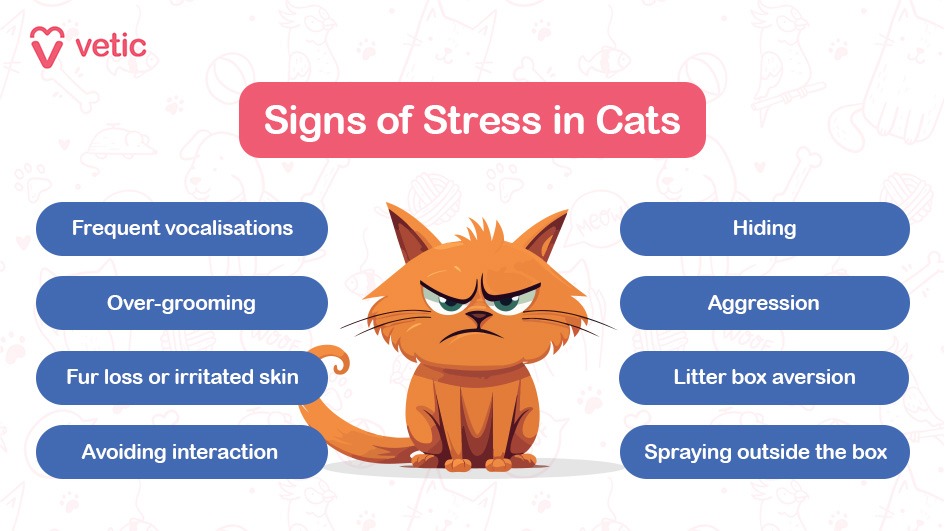
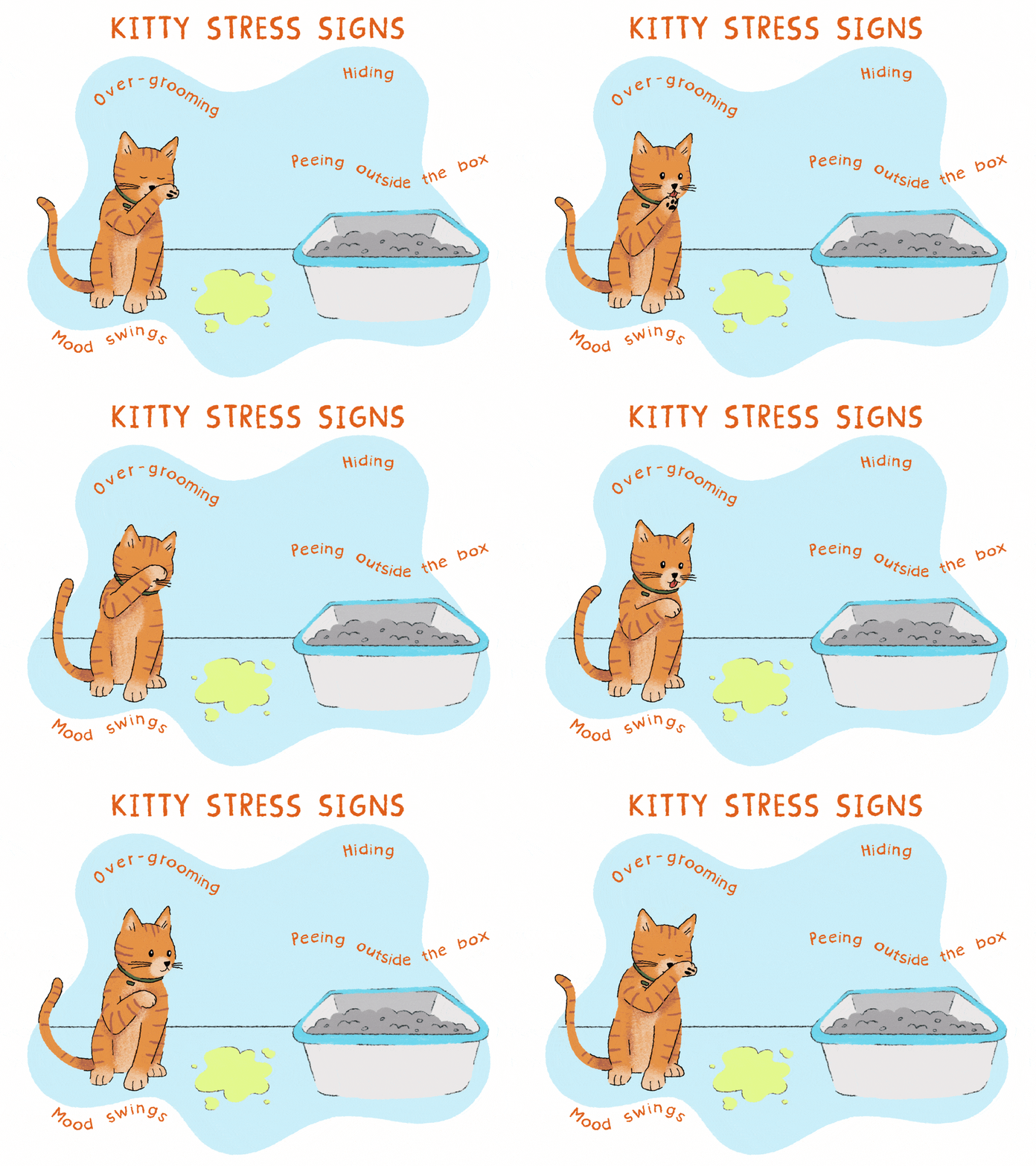
Understanding your cat’s needs is key. Cats crave routine and predictability. Simple actions like feeding them at the same time each day can make a world of difference. Does your cat have a favorite spot by the window? Ensure it’s always accessible. These small gestures create a safe environment, reducing stress for both of you. Consider your cat’s behavior. Does it seem anxious or withdrawn? These might be signs of unmet needs. Addressing them promptly can prevent stress build-up.Healthy Cat Practices For Stress Management
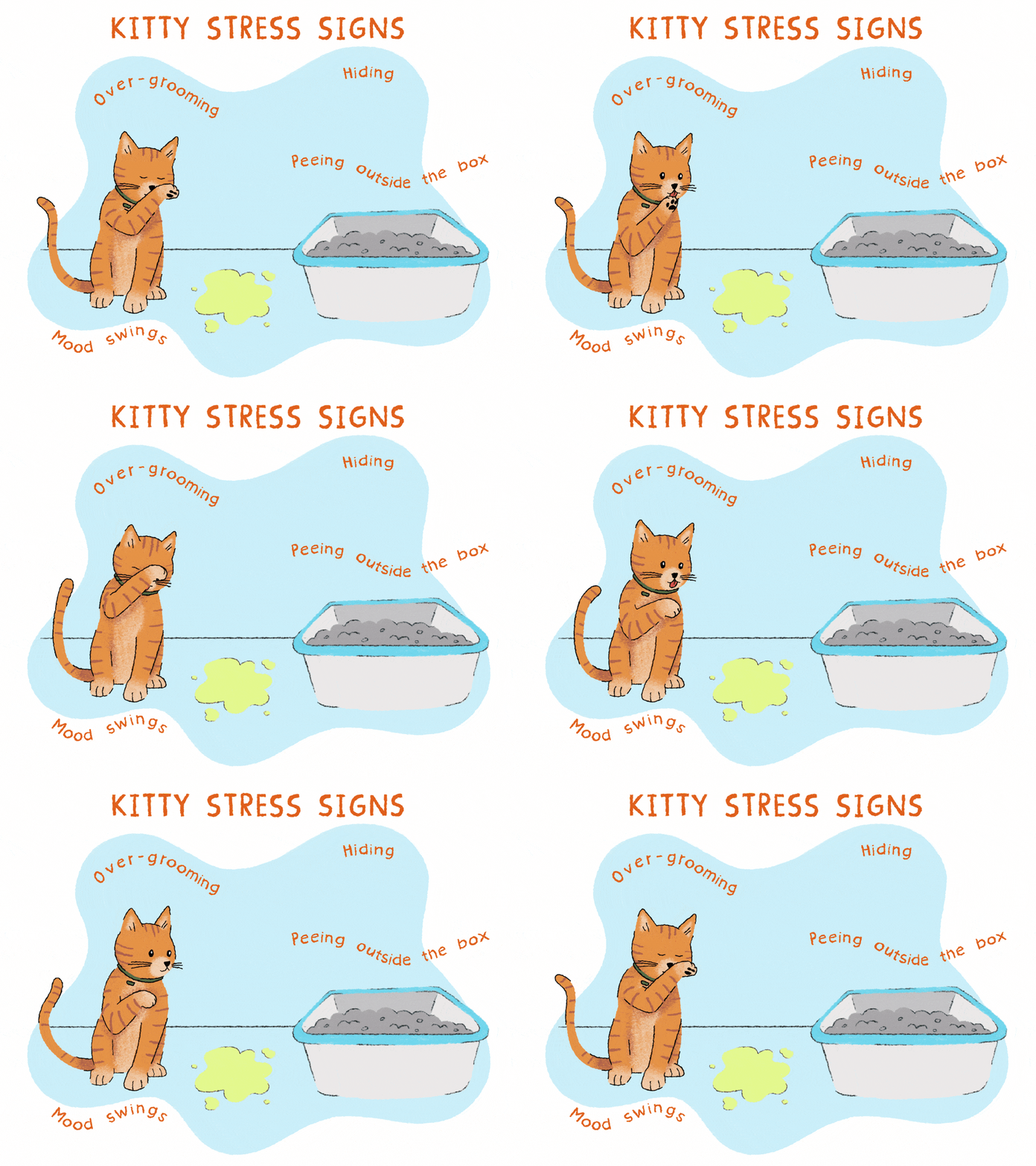
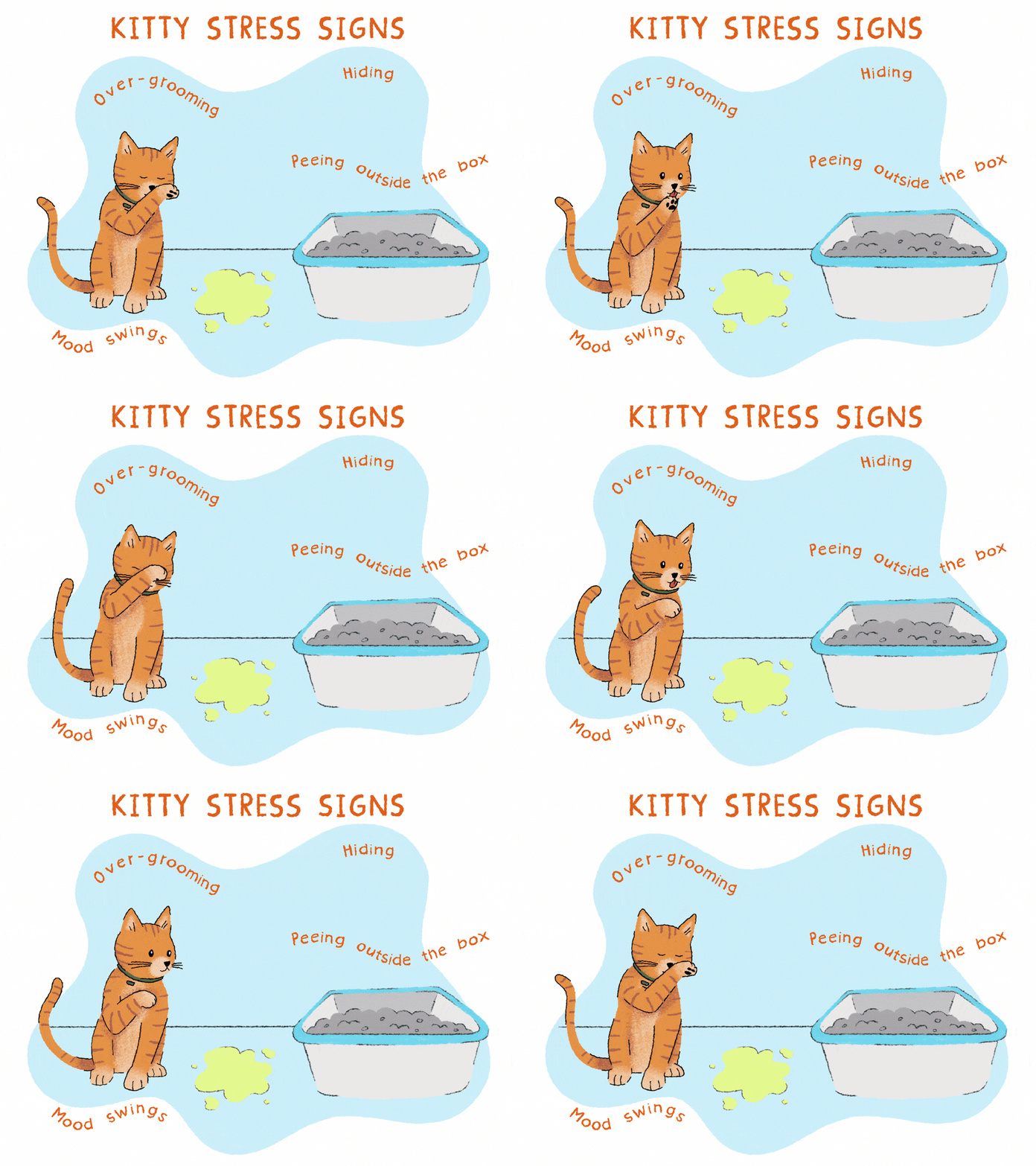
Providing mental and physical stimulation is vital. Regular playtime can do wonders. Toys like feather wands or laser pointers keep their minds sharp and bodies active. Grooming is not just about keeping your cat clean. It’s a bonding ritual. A few minutes spent brushing can calm both of you, fostering relaxation. Have you thought about your cat’s diet? A balanced diet supports their health, keeping stress levels in check. Research shows that proper nutrition is linked to mood stability in cats. Now, reflect on your interactions. Are you respecting your cat’s boundaries or overwhelming them with affection? Finding the right balance is crucial for harmonious coexistence. By catering to your cat’s needs, you create a sanctuary of mutual comfort and joy. What changes will you make today to enhance your stress-free zone?:strip_icc()/reducing-anxiety-in-cats-554064-FINAL-5b9faac146e0fb00507d984e.png)
Credit: www.thesprucepets.com
Personal Stories Of Stress Relief
Many find comfort in cats during stressful times. Their purring can soothe anxious feelings and create a calming atmosphere. Personal stories reveal how their gentle presence offers emotional support and relaxation.
Cats have long been cherished companions. They offer more than just cuddles and purrs. Many people find solace in their feline friends during stressful times. Personal stories abound, revealing how cats can ease anxiety and improve mental well-being. These narratives highlight the powerful bond between humans and their pets. Let’s dive into some heartwarming testimonials and case studies.Testimonials From Cat Owners
Sarah, a busy teacher, credits her cat Luna for her calm evenings. After a long day, Luna greets her with gentle purrs and head nudges. Sarah says Luna’s presence makes her feel relaxed and cared for. Mark, who works from home, shares a similar experience. His cat, Whiskers, sits beside him during stressful meetings. The quiet companionship helps Mark manage his stress levels. Whiskers provides comfort without any demands. Anna, a college student, struggled with anxiety during exams. Her cat, Felix, would curl up on her lap as she studied. Felix’s warmth and steady purring helped Anna focus and stay calm. She believes Felix played a key role in her academic success.Case Studies On Cats And Mental Health
A recent study explored the link between cats and mental health. Researchers found that cat owners reported lower stress levels. The study included participants from various backgrounds, ensuring diverse insights. One case involved a single mother experiencing chronic stress. Her cat, Muffin, became a source of stability. Muffin’s playful antics and affection provided much-needed emotional support. This case highlighted how cats can positively impact mental health. Another case focused on elderly individuals living alone. Participants reported feeling less lonely with their cats. The companionship boosted their mood and reduced feelings of isolation. The study concluded that cats significantly enhanced their emotional well-being. These stories and studies illustrate the profound impact of cats on stress relief. They emphasize the importance of pets in our lives.Potential Challenges And Solutions
Cats can help reduce stress, but allergies and pet care expenses might pose challenges. Regular grooming and budgeting can ease these issues, allowing for a more relaxing companionship.
Cats can be wonderful companions. They offer comfort and reduce stress. Yet, owning a cat comes with challenges. Not every cat suits every person. Some people face allergies. Others worry about pet care. Knowing these challenges helps in making informed choices. Let’s explore potential hurdles and solutions.Allergies And Other Concerns
Many people love cats but have allergies. Cat fur can trigger sneezing and itching. Dander is a common allergen. Regular cleaning can help reduce allergens. Vacuum your home often. Use air purifiers to clean the air. Choose hypoallergenic cat breeds. These breeds produce fewer allergens. Consult a doctor if allergies persist. Medication might be necessary. Consider your health before adopting a cat.Choosing The Right Cat For Stress Relief
Different cats have different temperaments. Some cats are calm and cuddly. Others are playful and energetic. Assess your lifestyle. A busy person might prefer an independent cat. A person seeking companionship might want a friendly cat. Visit shelters and interact with cats. Observe their behavior. Ask staff for recommendations. Consider adopting an older cat. They often have a settled demeanor. Ensure the cat matches your personality. A good match enhances stress relief.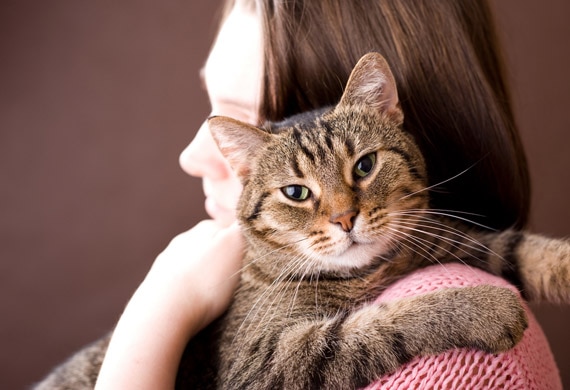
Credit: www.petmd.com
Frequently Asked Questions
Can Cats Help You With Stress?
Cats can help reduce stress by providing companionship and comfort. Their purring can have a calming effect. Interacting with cats can boost mood and lower anxiety levels. Spending time with them can promote relaxation and emotional well-being.
Is Getting A Cat Good For Depression?
Cats can help reduce depression by providing companionship and comfort. Their playful behavior and unconditional love boost mood. Caring for a pet also adds routine, reducing loneliness and stress. Consult a therapist for personalized advice on pet ownership and mental health.
Can Cats Sense Stress And Anxiety?
Cats can sense stress and anxiety in humans. They pick up on body language and vocal cues. Cats often respond with comforting behaviors to provide emotional support. Their sensitivity makes them excellent companions during stressful times.
Can Cats Heal Your Anxiety?
Cats can help reduce anxiety. Their purring and companionship offer comfort and calmness. Interaction with cats releases endorphins, which improve mood. Their presence can provide emotional support, reducing feelings of loneliness and stress.
Conclusion
Cats can truly help relieve stress. Their purring soothes frazzled nerves. Playing with them boosts happiness and reduces tension. Stroking their fur can calm anxious minds. These furry friends offer companionship and emotional support. They can sense when you’re stressed.
Curling up with a cat can make you feel less alone. Their presence provides comfort and peace. A cat’s love is simple yet profound. Consider welcoming a cat into your life. They might just be the stress relief you need.
A simple solution for a calmer day.

Similar Posts