Can Cats Reduce Stress: Uncover the Feline Calm
Feeling overwhelmed by the daily grind? You’re not alone.
Stress can creep into your life, affecting your mood and health. But what if there was a simple, furry solution to your stress woes? Imagine a world where your stress melts away with a gentle purr or a soft nuzzle.
Cats, with their quirky antics and calming presence, might just be the stress relief you’ve been searching for. We’ll explore how these lovable companions can transform your anxiety into tranquility. Ready to discover the secret to a more relaxed you? Keep reading to uncover how cats can be the purr-fect remedy for stress.
The Science Behind Cat-induced Calm
Feeling stressed? Consider spending time with a cat. Cats offer more than companionship. They can calm your mind. This is not just a belief. Science supports it. Cats have unique effects on our bodies and minds.
Biological Benefits Of Cat Companionship
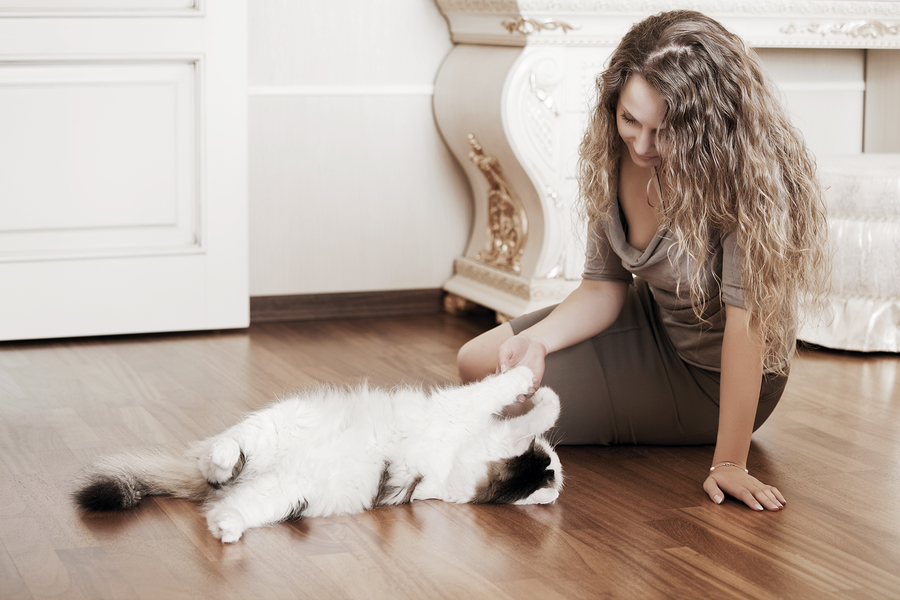
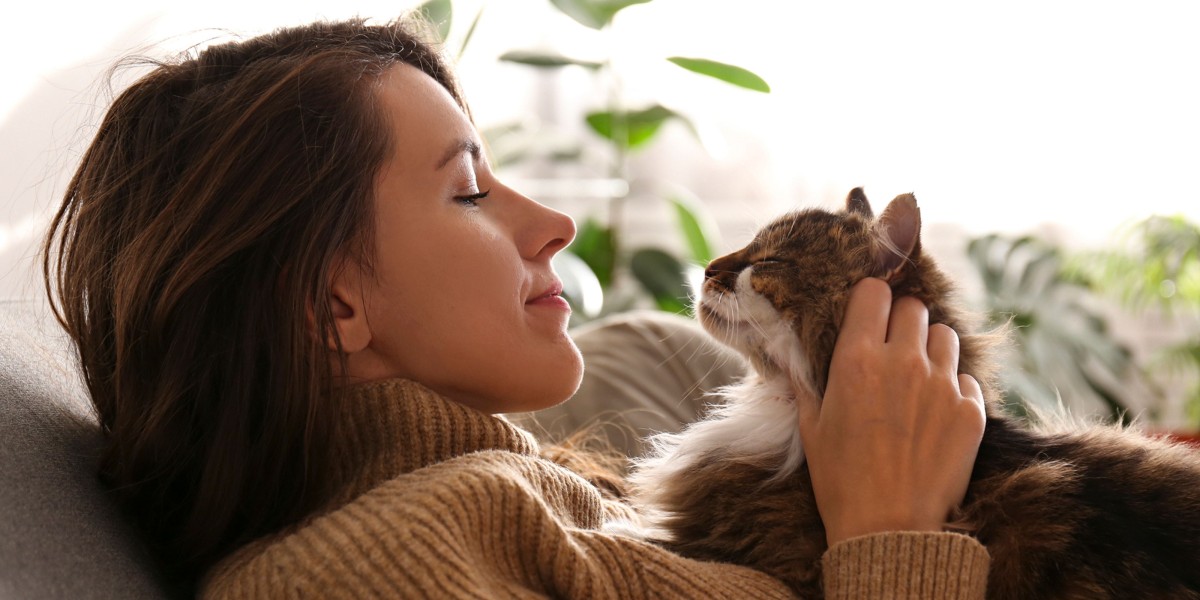
When you pet a cat, your body reacts. It releases oxytocin, the love hormone. Oxytocin helps lower stress levels. Your heart rate slows down. Blood pressure drops. This biological reaction promotes relaxation.
Cats’ purring adds more benefits. The sound has healing properties. It vibrates at a frequency that reduces stress. Listening to a cat purr can soothe nerves. It creates a sense of peace.
Psychological Impact Of Cat Interaction
Cats improve mental well-being. Their presence can ease anxiety. They offer a sense of security. This emotional support boosts your mood. Playing with cats can distract from worries. It provides a mental break.
Cats also offer unconditional love. Their affection makes you feel valued. This enhances self-esteem. Feeling accepted reduces stress levels. Cats bring joy and comfort to daily life.
:strip_icc()/reducing-anxiety-in-cats-554064-FINAL-5b9faac146e0fb00507d984e.png)
Credit: www.thesprucepets.com
Cats As Therapy Animals
Cats offer warmth and companionship, making them perfect therapy animals. Their gentle purring can soothe anxiety and stress. Interacting with cats helps lower blood pressure and promotes relaxation, enhancing overall well-being.
Cats have quietly entered the spotlight as effective therapy animals, providing more than just cute companionship. Their gentle presence and calming nature make them ideal partners in reducing stress. It’s fascinating how these furry companions can transform a stressful environment into a sanctuary of peace.Role Of Cats In Animal-assisted Therapy
Cats have a unique role in animal-assisted therapy. They are not just pets but valuable partners in therapeutic settings. Their calm demeanor helps alleviate anxiety and promote relaxation. Therapists often use cats to help patients open up. The presence of a cat can ease tension and create a comfortable atmosphere for therapy. It’s not uncommon for patients to express feelings more freely when a cat is nearby. Cats also help in building routines. Their need for daily care encourages patients to engage in regular activities. This routine can lead to improved mental health and reduced stress levels.Case Studies Of Cats In Stress Reduction
Research shows that cats can significantly reduce stress. In one case, a college student found solace in a therapy cat during exams. The cat’s purring and gentle nature helped the student manage anxiety and focus better. Another study observed veterans with PTSD who interacted with therapy cats. Many reported decreased stress and improved sleep patterns. The cats offered a sense of safety and warmth, essential for stress relief. A corporate office implemented a cat therapy program to boost employee morale. Employees noted increased productivity and a more relaxed work environment. The cats provided a much-needed break from the daily grind and helped reduce workplace stress. Have you ever considered how a cat could help you manage stress? Their presence might just offer the comfort and relaxation you’re looking for. Cats as therapy animals are making a difference, one purr at a time.Behavioral Traits Of Cats That Promote Relaxation
Cats have a gentle purring sound that soothes nerves. Their soft fur and playful antics can calm stress, promoting relaxation. Curling up next to a cat may offer comfort and peace in a busy world.
Cats are more than just adorable companions; they possess unique behavioral traits that can promote relaxation and reduce stress in humans. Imagine coming home from a hectic day and finding your feline friend waiting to greet you. Their soothing presence and gentle actions can create an atmosphere of calm that many people find comforting. Let’s explore some of these behaviors and see how they can help ease your tension.Purring And Its Soothing Effects
The gentle sound of a cat purring can be incredibly calming. Scientific studies suggest that the frequency of a cat’s purr can have healing properties. When your cat curls up next to you and begins to purr, it may help lower your stress levels and promote relaxation. Have you ever noticed how your mood shifts when you hear a cat purr? It’s as if the vibrations resonate through your body, creating a sense of peace. This simple yet powerful behavior can make a stressful day feel a little more manageable.Affectionate Behaviors That Calm
Cats have a special way of showing affection that can be incredibly soothing. A gentle nuzzle or a slow blink from your cat can communicate a sense of trust and love. These small gestures can make you feel appreciated and cherished. Try observing how your cat interacts with you when you’re feeling stressed. Do they sit quietly by your side or perhaps gently tap you with their paw? These affectionate behaviors can remind you of the importance of connection and presence, offering a gentle reminder to pause and breathe. By paying attention to these behaviors, you might find new ways to relax and de-stress. Could your feline friend be more than just a pet, but a natural stress reliever? Engaging with your cat’s calming traits might just be the key to finding that peace you’ve been seeking.Creating A Stress-free Environment With Cats
Cats can help reduce stress by providing companionship and soothing presence. Their gentle purring and playful antics create a calming atmosphere. Having a cat around can ease tension, offering comfort during stressful moments.
Creating a stress-free environment with cats can be a delightful way to soothe your mind and nurture your well-being. Cats have a natural knack for turning tension into tranquility, and their presence can be a calming balm for stress. Imagine coming home after a long day to find your feline friend purring contentedly beside you—it’s a moment of pure, stress-free bliss. But how do you create such an environment? It’s all about understanding your cat’s needs and fostering a harmonious space for both of you.Tips For Enhancing Cat-owner Bond
Strengthening the bond with your cat is vital for creating a stress-free environment. Spend quality time playing with your cat; simple games like fetch with a toy mouse or a laser pointer chase can be great fun. Grooming sessions can be relaxing for both you and your cat. Regularly brush your cat to keep them clean and comfortable. Plus, it’s a wonderful opportunity for cuddles and gentle conversation. Don’t overlook the power of routine. Cats thrive on predictability, so feeding and playing at the same times daily can help your cat feel secure, enhancing your bond.Setting Up A Relaxing Space For Cats
Your home should be a sanctuary for your cat. Create cozy nooks with soft blankets or cushions where your cat can retreat and relax. Consider investing in a cat tree or shelves for climbing. Cats love high places where they can observe their surroundings, which helps them feel safe and content. Ensure your cat has access to windows, providing them with entertainment and a view of the outside world. A sunny spot can be their favorite nap area, adding to their comfort. What changes can you make to your home that will cater to your cat’s comfort and help reduce your stress? A little effort goes a long way in making both you and your cat feel at ease.Potential Challenges And Solutions
Cats can be wonderful companions, offering affection and reducing stress. Yet, some challenges may arise. Allergies, fear of cats, or stressors might affect the joy of owning a cat. Understanding these challenges helps in finding solutions. Let’s explore how to address these issues effectively.
Addressing Allergies And Fear Of Cats
Allergies can be a significant concern for cat owners. Sneezing and itchy eyes are common symptoms. If allergies are mild, try using air purifiers. Regular cleaning and grooming your cat can reduce allergens. Medication might be necessary if symptoms persist. Consult a doctor for advice.
Fear of cats is another challenge for some. Past experiences or myths may cause fear. To overcome this, spend time observing cats. Learn their behaviors and sounds. Gradually interact with a friendly cat. Building trust takes time. Patience is key to easing fears.
Managing Cat-induced Stressors
While cats can reduce stress, they might also introduce new stressors. Scratching furniture or loud meowing can be frustrating. Training your cat can help manage these behaviors. Provide scratching posts to protect furniture. Establish a routine to reduce excessive meowing.
Some cats need more attention and playtime. Lack of stimulation can lead to destructive behaviors. Engage your cat with toys and games. Consider interactive toys for mental stimulation. A tired cat is often a well-behaved cat. Balancing attention and alone time is essential.
Credit: www.purina.com
Personal Stories And Testimonials
Many cat owners share heartwarming stories about their furry friends easing daily stress. Cats offer companionship and comfort, helping to calm anxious minds. Personal testimonials highlight how the gentle purring and playful antics of cats can create a peaceful atmosphere at home.
Personal experiences often tell the best stories. They help others relate and understand the real impact of cats in reducing stress. Many cat owners share touching tales of how their feline friends bring comfort. These stories highlight the emotional bond between humans and cats. People find solace in simple cat interactions. Let’s dive into some personal accounts and community insights.Real-life Experiences Of Stress Relief
Sarah, a college student, felt overwhelmed with exams. Her cat, Whiskers, seemed to sense her anxiety. Whiskers would cuddle next to her, purring softly. This simple act helped Sarah calm down and focus. She believes Whiskers played a key role in her success. Mark, a busy professional, faced constant work pressure. His evenings with Luna, his cat, became his sanctuary. Luna’s playful antics brought laughter into his stressful days. Mark felt more relaxed and ready to face new challenges. Cats like Luna can truly change one’s perspective on stress.Community Insights On Feline Comfort
In a local survey, many cat owners shared their thoughts. They mentioned how their cats provided emotional support. One respondent said her cat’s gentle purring had a soothing effect. Another described how watching her cat play lifted her mood instantly. A community support group discussed their experiences. Members exchanged stories of how cats helped them cope with loneliness. They agreed that cats have a unique way of offering silent companionship. This connection created a sense of belonging and reduced stress levels. These stories and insights show the remarkable role cats play. For many, cats are more than pets; they are stress relievers.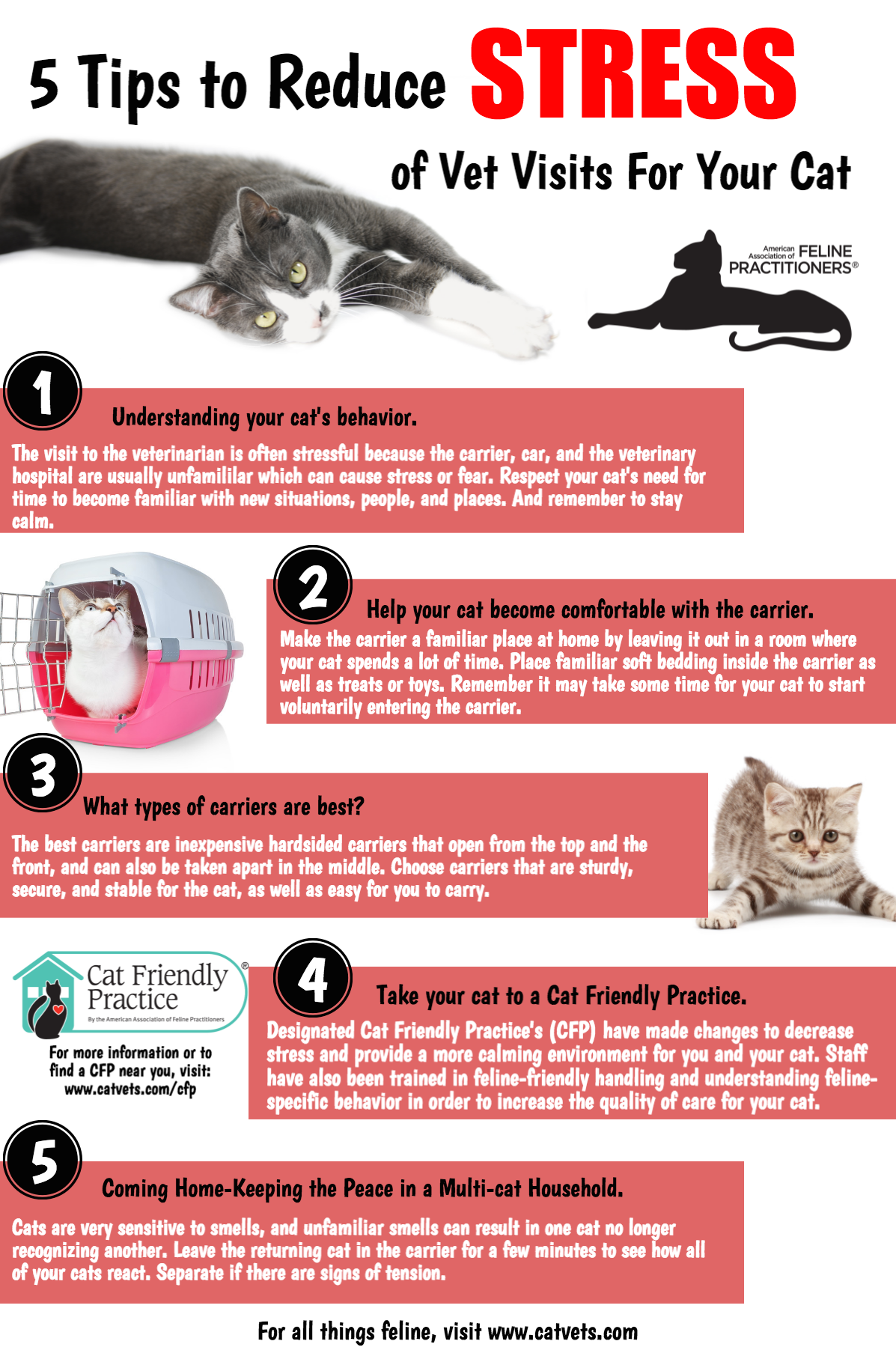
Credit: blooranimalhospital.ca
Frequently Asked Questions
Can Cats Reduce Your Stress?
Yes, cats can reduce stress. Their purring soothes and lowers anxiety levels. Petting a cat releases calming hormones. Cats provide companionship, reducing feelings of loneliness. Interacting with cats can improve mood and mental well-being. Their playful nature offers a distraction from daily stressors.
How Can You Tell If A Cat Is Stressed?
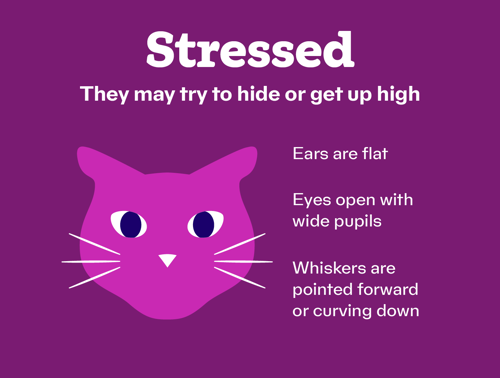
A stressed cat may exhibit hiding, reduced appetite, excessive grooming, aggression, or changes in litter habits. Look for dilated pupils, vocalization changes, or destructive behavior. Always consult a vet for persistent stress signs.
Can Cats Heal Your Anxiety?
Cats can help reduce anxiety through companionship and soothing purring sounds. They provide emotional support and comfort. Interacting with cats releases calming hormones, promoting relaxation and reducing stress. While they can’t cure anxiety, they can be a valuable part of an anxiety management plan.
Why Does My Cat Make Me Feel Better?
Cats provide comfort through their soothing presence, gentle purring, and companionship. Their playful behavior reduces stress and anxiety. Bonding with cats releases oxytocin, a feel-good hormone, enhancing mood and promoting relaxation. Their unconditional love and loyalty create a sense of security and emotional well-being.
Conclusion
Cats can be great companions during stressful times. Their gentle purring can calm nerves and soothe the mind. Playing with a cat can bring joy and relaxation. The bond with a cat can offer comfort and reduce loneliness. Cats provide a sense of routine and responsibility.
Their presence can help distract from everyday worries. Many people find peace and happiness in caring for their furry friends. Cats, with their playful nature, can bring smiles and laughter. Consider spending time with a cat to help ease stress.
You might find the companionship rewarding and refreshing.