Why is My Cat Not Using the Litter Box Anymore: Solving the Mystery

If your cat has suddenly stopped using the litter box, you’re likely feeling a mix of confusion and concern. This behavior shift can be frustrating, but understanding the reasons behind it is crucial.
You’re not alone in this struggle, and there are solutions that can help restore harmony in your home. This article will delve into the possible causes for your cat’s litter box aversion and offer practical steps to encourage your feline friend back to their usual routine.
By the end, you’ll be equipped with the knowledge to address this issue and ensure your cat’s comfort and well-being. Curious to find out what might be causing this behavior and how you can fix it? Read on to discover the answers you need.
Common Reasons For Litter Box Avoidance
Cats are known for their cleanliness and loyalty to using litter boxes. If your feline friend suddenly stops using the litter box, it can be distressing. Understanding the common reasons for litter box avoidance is crucial for resolving the issue. There are several factors that may lead to this behavior. Let’s explore these reasons together.
Medical Issues
Health problems can often cause litter box avoidance. Urinary tract infections are a common culprit. They make urination painful, leading cats to associate the litter box with discomfort. Kidney disease can also lead to changes in bathroom habits. If your cat is older, arthritis might make entering the box difficult.
Consult a veterinarian to rule out medical concerns. Early diagnosis can prevent further complications. Treatment can help your cat return to normal habits.
Behavioral Problems
Stress and anxiety often affect litter box use. Cats may feel threatened by other pets or changes in routine. Territorial disputes can lead to avoidance. If your cat feels insecure, it might seek alternative places to relieve itself.
Observing your cat’s behavior can provide clues. Addressing behavioral issues can improve litter box habits. Consider changes in your cat’s environment or routine.
Environmental Changes
Changes in environment can impact litter box use. Moving the box to a new location can confuse your cat. Cats are creatures of habit; any disruption in their environment can cause distress.
New household members or renovations can also affect your cat’s behavior. Keep the litter box in a quiet and accessible location. Ensure it’s clean and free from odors. Familiarity and comfort are key for your cat’s litter box use.
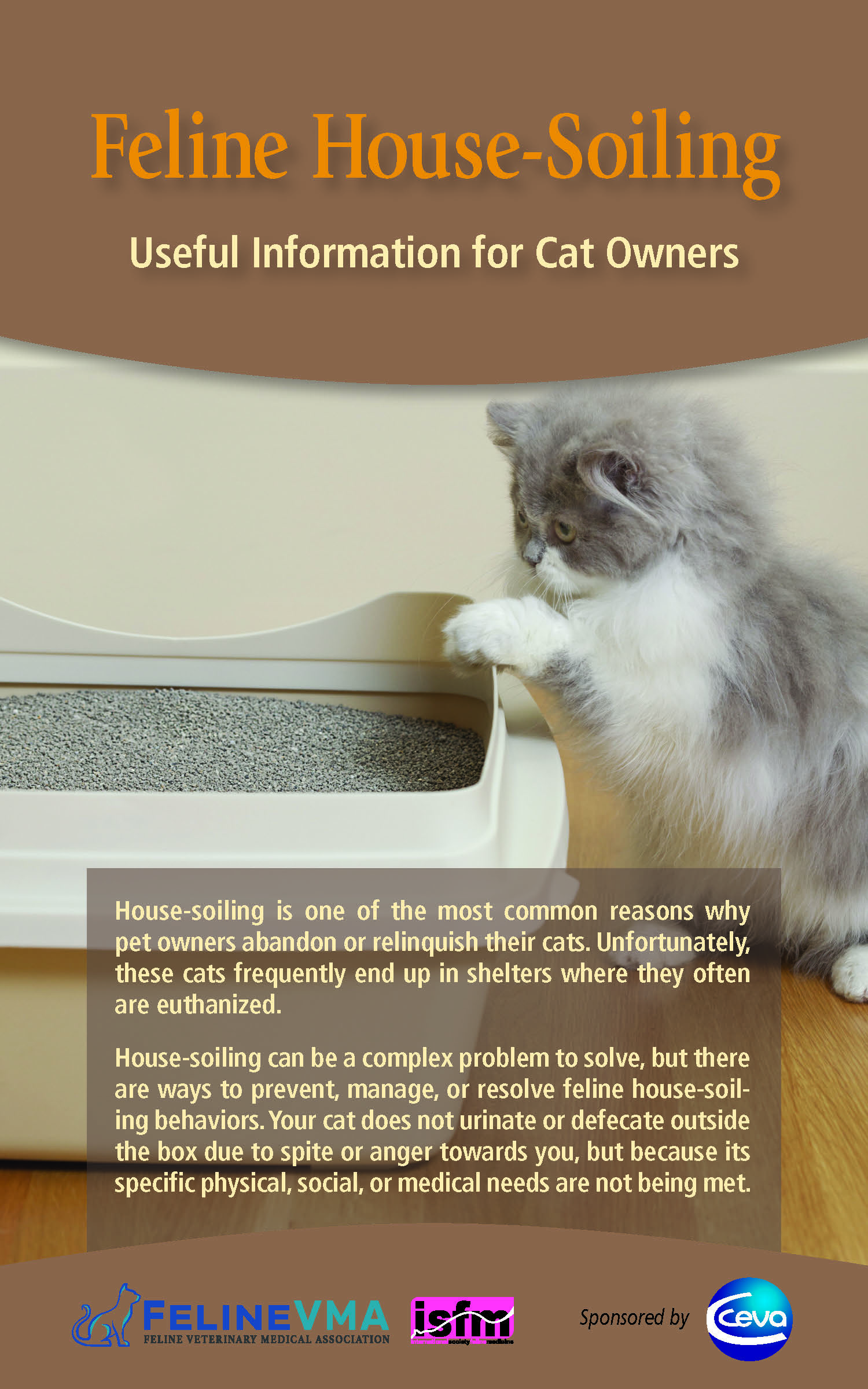
Credit: catfriendly.com
Assessing Health Concerns
Understanding why your cat avoids the litter box can be challenging. Health issues often lead to this behavior. Identifying these concerns early is crucial. It helps in solving the problem effectively.
Signs Of Illness
Observe your cat closely for any signs of illness. Look for changes in appetite or weight. Check if they are drinking more water than usual. Notice if they have diarrhea or vomiting. Cats often hide their pain. A change in litter habits could signal discomfort.
Consulting A Veterinarian
Take your cat to a veterinarian for a check-up. They can identify health issues causing litter box avoidance. A vet visit ensures your cat receives proper care. Discuss any changes in behavior with the vet. They might suggest tests or treatments. This step is vital for your cat’s health and comfort.
Behavioral Factors
Cats are creatures of habit. When your cat stops using the litter box, it can be troubling. Behavioral factors often play a significant role. Understanding these can help you address the issue. Let’s explore some common behavioral reasons.
Stress And Anxiety
Cats can feel stress just like humans. Changes in the environment can cause anxiety. Moving to a new home or rearranging furniture can upset them. Loud noises or new pets can also be stress triggers. This stress might lead them to avoid the litter box.
To help, try to create a calm environment. Use comforting items like their favorite toys or blankets. Give them a quiet space where they feel safe. Consistent routines can also reduce stress levels.
Territorial Disputes
Territorial behavior can influence litter box habits. Cats are territorial animals by nature. The presence of another cat might cause disputes. Your cat may avoid the litter box if they feel threatened.
Observe interactions between your cats. Look for signs of aggression or tension. Provide separate litter boxes for each cat. This can help reduce competition and make each cat feel secure.
Understanding these behavioral factors can help you address litter box issues. Your cat’s comfort and security are essential for a happy home.
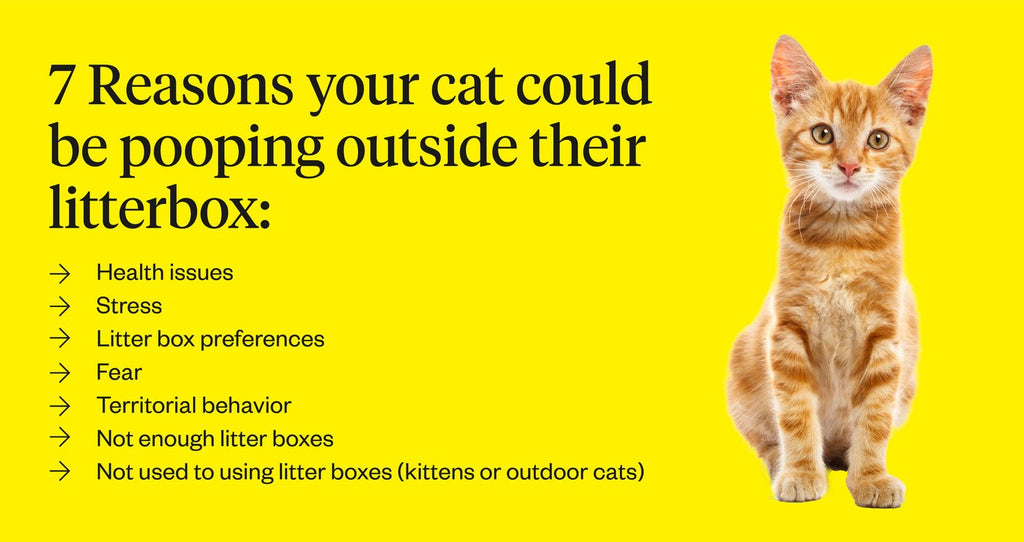
Credit: www.aspca.org
Environmental Influences
Changes in the home environment can affect a cat’s litter box habits. New furniture, loud noises, or even different scents might cause stress. Identifying and addressing these changes can help encourage your cat to use the litter box again.
Cats are creatures of habit, and any change in their environment can disrupt their routine. If your cat has suddenly stopped using the litter box, environmental influences might be the culprit. Understanding these influences can help you create a cat-friendly environment and encourage your feline friend to return to the box.Litter Box Location
The placement of the litter box is crucial. Cats prefer quiet and private spots for their business. If you’ve recently moved the box to a noisy or high-traffic area, your cat might avoid it. Think about your cat’s perspective. Would you like to use the bathroom in the middle of a bustling hallway? Consider relocating the litter box to a more secluded area. A corner in a less frequented room could make all the difference.Type Of Litter
Cats can be picky about the type of litter in their box. If you’ve changed brands or types recently, this might be why your cat is avoiding the litter box. Some cats prefer clumping litter, while others might opt for non-clumping or natural options. Observe your cat’s reaction to different litters. A sudden switch might be unsettling for them. Try reintroducing the previous litter type or gradually transitioning to the new one.Cleanliness And Maintenance
Cats are fastidious creatures. A dirty litter box can be off-putting. If you’re not cleaning the box frequently, your cat might find it uninviting. How often do you scoop the box? A daily scoop can maintain cleanliness and encourage use. Also, consider a weekly complete change of the litter and washing the box. This not only improves hygiene but also renews the scent, attracting your cat back. — Reflect on these environmental factors: Could they be affecting your cat’s litter box habits? Small adjustments can make a big impact. Making your cat comfortable again is a step towards solving the litter box mystery.Effective Solutions
Discovering your cat is not using the litter box can be frustrating. Understanding the reasons and finding effective solutions is essential. Different issues might lead to this behavior. Here, we focus on practical solutions to address this common problem.
Improving Litter Box Environment
A clean litter box is crucial for your cat’s comfort. Scoop waste daily to maintain hygiene. Cats prefer quiet places for their litter boxes. Ensure the box is in a calm, private spot. The size of the litter box matters too. A spacious box allows easy movement. Try different litter types to find your cat’s preference. Some cats are picky about texture and scent.
Addressing Health Issues
Health problems might cause litter box avoidance. Urinary tract infections are common in cats. Check for signs like frequent urination or pain. Consult a vet if you suspect health issues. Regular check-ups help detect problems early. Keeping your cat healthy encourages proper litter box use.
Reducing Stress
Stress affects a cat’s behavior significantly. Changes at home can stress your cat. New pets or people might cause anxiety. Create a peaceful environment for your cat. Use calming sprays to reduce stress. Ensure your cat has a safe space to retreat. Toys and playtime help relieve stress and anxiety.

Credit: www.youtube.com
Preventing Future Problems
Cats avoiding the litter box can signal stress or health issues. Keep the box clean and accessible. Consider changes in environment or routine that might affect your cat’s behavior.
When your cat stops using the litter box, it can be frustrating and confusing. However, addressing the issue promptly can prevent future problems. By focusing on routine check-ups and consistent cleaning practices, you can maintain a healthy and happy environment for your feline friend. Here’s how you can effectively manage these areas to keep your cat using the litter box consistently.Routine Check-ups
Regular visits to the vet can catch health issues before they become serious. Cats often stop using the litter box due to underlying medical conditions like urinary tract infections or arthritis. Scheduling routine check-ups ensures you can address these problems early. Think about the last time you had your cat checked by the vet. Was it over a year ago? If so, it might be time to book an appointment. Keeping up with vaccinations and health screenings is a key step in preventing litter box issues.Consistent Cleaning Practices
Cats are clean animals and prefer a tidy litter box. Cleaning the box regularly can prevent them from seeking alternative locations. Aim to scoop out waste daily and change the litter at least once a week. Have you ever walked into a room with a foul odor? Imagine how your cat feels if their litter box is left uncleaned. A clean box makes for a happy cat. Use unscented litter to avoid overwhelming your cat’s sensitive nose. Place the litter box in a quiet, easily accessible area. Cats need privacy but also want to feel safe when using the box. Avoid moving the box frequently, as this can confuse your cat. By sticking to these practices, you can reduce the likelihood of litter box aversion. What steps will you take to ensure your cat remains comfortable and content in their environment? Addressing these factors proactively can save you and your cat from future stress.Frequently Asked Questions
Why Is My Cat Suddenly Refusing To Use The Litter Box?
Your cat may avoid the litter box due to stress, illness, or a dirty box. Check for changes in environment, clean the box regularly, and consult a vet if health issues are suspected. Providing a quiet, comfortable space can encourage proper litter box use.
How Do I Get My Cat To Use The Litter Box Again?
Clean the litter box regularly. Ensure it’s in a quiet, accessible location. Use unscented, fine-grain litter. Reintroduce your cat slowly, rewarding positive behavior with treats. Consult a vet if issues persist.
Why Doesn’t My Cat Use His Litter Box Anymore?
Cats may avoid the litter box due to stress, illness, or a dirty box. Check for medical issues and ensure the box is clean and accessible. Consider any recent changes in the home that could affect your cat’s behavior.
What Is The Most Common Reason Cats Stop Using The Litter Box?
Cats often avoid the litter box due to stress or changes in their environment. Medical issues like urinary tract infections can also cause this behavior. Ensure the litter box is clean and easily accessible to encourage use. Address any potential health concerns with a vet for proper guidance.
Conclusion
Cats stop using the litter box for many reasons. Stress, health issues, or box placement may be factors. Observe your cat closely. Changes in behavior could signal health concerns. Consult a vet if issues persist. Ensure the litter box is clean and accessible.
Try different types of litter if needed. Your cat’s comfort is key. Patience and understanding help resolve the problem. A happy cat means a happy home.

Similar Posts