Why Do Cats Nibble When You Pet Them: Unveiling Feline Behavior
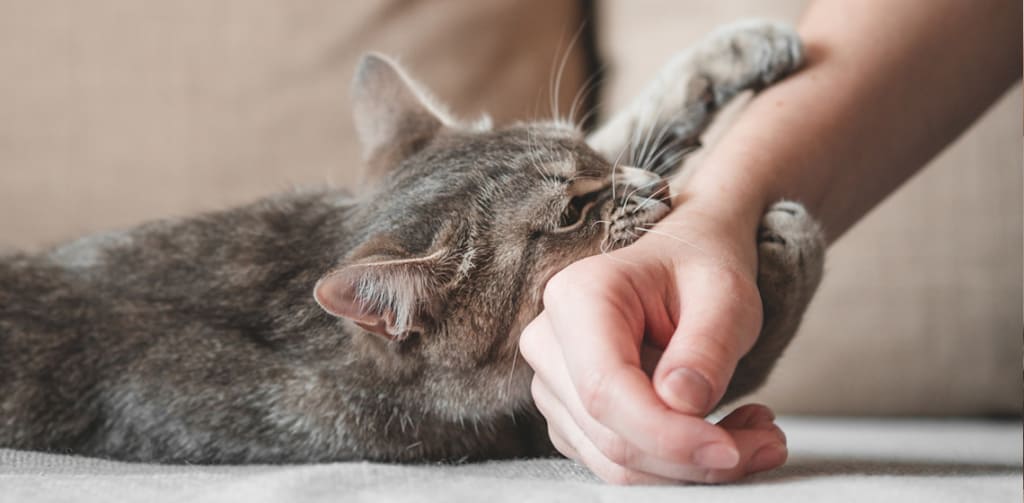
Have you ever been peacefully petting your cat only to feel a sudden nibble on your hand? It’s a curious behavior that leaves many cat owners puzzled and sometimes a bit startled.
If you’ve been wondering why your feline friend mixes gentle purring with unexpected nibbles, you’re not alone. Understanding the reasons behind this quirky habit can deepen your bond with your cat and help you create a more harmonious home environment.
As you read on, you’ll discover the fascinating psychology behind your cat’s nibbles, uncovering insights that will transform the way you interact with your furry companion. Prepare to unravel the mystery and see your cat’s actions in a new light.
Feline Communication
Cats have unique ways of communicating with humans. They don’t speak like us, but they express themselves clearly. Understanding their signals helps build a better bond. It also prevents misunderstandings when they nibble during petting sessions. Let’s explore the ways cats communicate.
Body Language Signals
Cats use their bodies to communicate feelings. A flicking tail can mean irritation or excitement. When a cat rubs against you, it’s marking you with its scent. Ears forward usually mean curiosity or relaxation. Flattened ears can indicate fear or aggression. A slow blink is a sign of trust and affection.
Vocalizations And Their Meanings
Cats have a wide range of vocal sounds. A purr often means contentment, but not always. Sometimes, cats purr when they are anxious or in pain. A meow can mean many things like hunger or wanting attention. Hissing is a clear sign of fear or threat. Chirping and chattering might happen when they see birds. These sounds express excitement or frustration.
Credit: www.feliway.co.uk
Reasons For Nibbling
Have you ever been gently nibbed by your cat while petting them? It can be a confusing experience, but rest assured, it’s quite common. Understanding the reasons behind this behavior can help deepen your bond with your feline friend. Let’s explore some of the reasons why cats might nibble when you pet them.
Affectionate Behavior
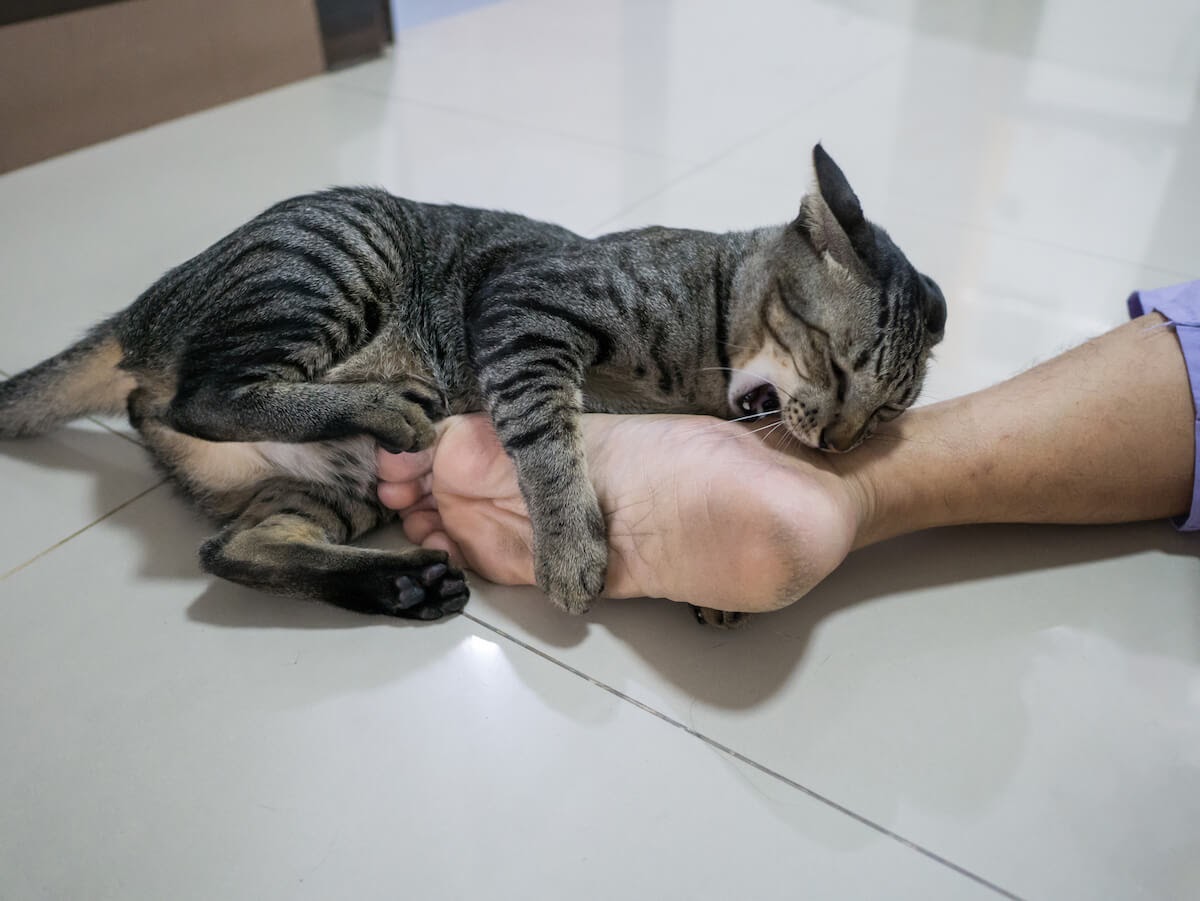
Cats often use nibbling as a form of affection. It’s their way of saying, “I enjoy your company.” Much like when they knead with their paws, a light nibble can be a sign of comfort and love. When your cat nibbles gently, it’s similar to how they groom their fellow feline friends. This behavior shows trust and security, indicating that they see you as part of their family.
Overstimulation Response
While petting your cat, pay attention to their cues. Sometimes, a nibble can mean they’re feeling overstimulated. Cats have sensitive nerve endings, and prolonged petting can become overwhelming. If you notice your cat’s tail twitching or ears flattening, it might be time to take a break. This nibble is their way of communicating, “I need a breather.”
Playful Interaction
Remember those playful moments when your cat suddenly pounces on a toy? Nibbling can also be an invitation to play. Cats often exhibit hunting behaviors during playtime. If your cat seems energetic or playful after nibbling, try engaging them with a toy. It’s their way of saying, “Let’s have some fun!”
Understanding why your cat nibbles can enhance your interactions and help you respond appropriately. Next time your kitty gives you a gentle bite, consider what message they’re trying to convey. How do you perceive your cat’s nibbling behavior?
Understanding Cat Sensitivity
Cats often nibble while being petted due to overstimulation or playfulness. These gentle bites are a form of communication. They indicate either affection or a subtle request to pause the petting. Understanding these cues can strengthen the bond between you and your feline friend.
Cats are fascinating creatures, often keeping us on our toes with their unique behaviors. One such behavior is nibbling when you pet them. To understand this, we need to consider cat sensitivity. Cats have heightened senses and their skin is incredibly sensitive. This sensitivity can influence how they react to touch, making their responses seem puzzling at times.Sensitive Skin Areas
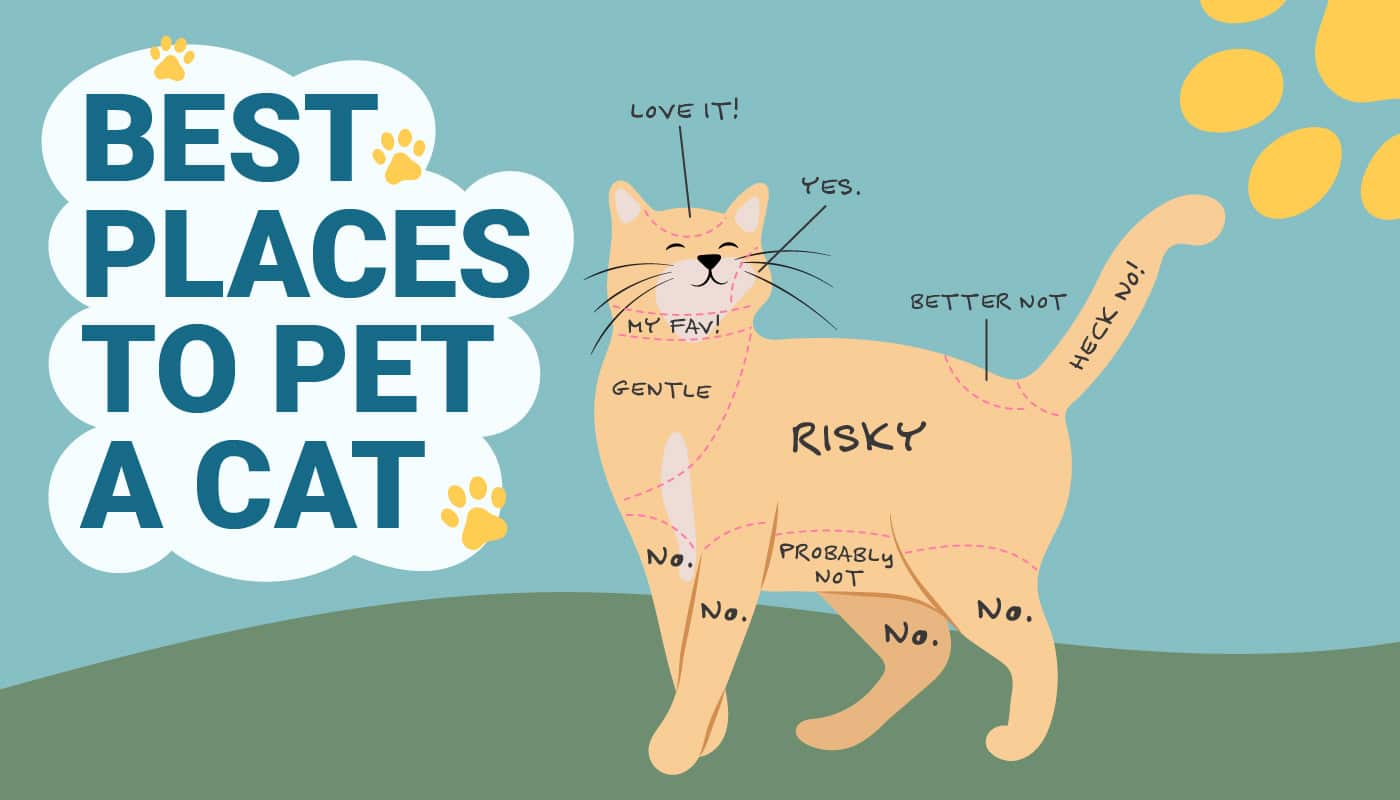
Cats have specific areas on their body that are more sensitive than others. These include the base of the tail, the belly, and the paws. When you pet these areas, your cat might feel a stronger sensation than in less sensitive areas like their back. Imagine how you feel when someone tickles your feet. For your cat, a gentle stroke in these sensitive areas can sometimes feel overwhelming.Influence Of Touch Intensity
The way you pet your cat also plays a crucial role. A light touch might be soothing, but too much pressure can be irritating. Have you ever noticed your cat squirming or nibbling when you pet them too hard or too long? Your cat’s reaction is their way of communicating discomfort. By adjusting the intensity of your touch, you can make petting a more enjoyable experience for both you and your feline friend. Next time you pet your cat, pay attention to their cues. Are they purring or showing signs of discomfort? Understanding these signals can strengthen your bond with your cat and make petting a delightful routine.
Credit: thevets.com
Behavioral Patterns
Cats may nibble while being petted due to overstimulation or playful behavior. This gentle biting can signal excitement or affection. Understanding these nuances helps in enhancing the bond with your feline friend.
Cats are fascinating creatures with unique ways of communicating. One intriguing behavior is nibbling when you pet them. Understanding why they do this can help you bond better with your feline friend. Let’s explore their behavioral patterns.Individual Personality Traits
Each cat is a world of its own. Some are more reserved, others more playful. Your cat’s personality might influence how they react to your touch. Do they love attention or prefer solitude? Cats who enjoy human interaction might nibble to show affection. It’s their way of saying, “I like this, keep going!” On the other hand, some cats nibble when they feel overstimulated. It’s a gentle reminder to take it slow. Consider your cat’s mood and preferences to understand their nibbling better.Breed-specific Tendencies
Different breeds have different quirks. Some are known for being more social, while others are more independent. For instance, Siamese cats are vocal and interactive, often nibbling to engage with you. They might nibble when they’re excited, as part of their playful nature. Meanwhile, a Persian might nibble less, preferring quiet companionship. Knowing your cat’s breed can offer clues about their nibbling habits. Does your cat belong to a breed known for specific behaviors? Consider how their breed characteristics might influence their nibbling tendencies. Understanding why your cat nibbles can deepen your connection. It’s a way to communicate and express their feelings. Next time you feel those tiny teeth, think about what your cat might be trying to tell you.Managing Nibbling
Cats are curious creatures, and their behaviors can sometimes be puzzling, especially when they nibble while being petted. This nibbling can be gentle or sometimes a bit more intense. So, how do you manage this unique behavior? Understanding your feline friend’s signals can help create a more harmonious bond. Let’s dive into some practical ways to handle nibbling.
Recognizing Warning Signs
Noticing the subtle signs of discomfort is crucial. Cats often give clues before they start nibbling. These might include flicking their tails, flattening their ears, or suddenly stopping purring. Once, while petting my cat, I noticed her tail twitching and ears shifting back. Before I knew it, she was nibbling my hand. Recognizing these signs early allows you to adjust your approach and prevent nibbling.
Pay attention to your cat’s body language. Are they tense or relaxed? A relaxed cat usually enjoys being petted, but tension might signal that they’re not in the mood. Observing these signs can improve your interactions with your cat.
Adjusting Petting Techniques
Changing the way you pet your cat can make a big difference. Try different techniques to see what your cat prefers. Some cats love gentle strokes on their head, while others prefer being petted on their back. I found that my cat enjoys gentle pats on her head more than long strokes down her back. This simple adjustment reduced her nibbling significantly.
Consider the duration and intensity of your petting. Cats can be sensitive to prolonged or vigorous petting. Shorter, softer strokes might be more comforting. Experiment with different techniques to discover what keeps your cat comfortable and nibble-free.
How do you know if your cat is enjoying the petting? Look for signs of contentment like purring or kneading. If nibbling becomes frequent, it might be a cue to change your approach. What adjustments will you try to make your cat feel more at ease?

Credit: www.ranchovillagevet.com
Building Trust
Cats nibble when you pet them as a sign of affection and trust. Gentle nibbles show they’re comfortable with you. Understanding this behavior helps strengthen your bond with your feline friend.
Building trust with your feline friend is a crucial part of understanding why cats nibble when you pet them. Cats communicate in mysterious ways, and a gentle nibble can be their way of saying, “I trust you.” It’s a subtle gesture, often overlooked, that signifies your cat feels safe and secure around you. But how do you foster this trust? Let’s explore some practical ways to build a strong bond with your cat.Creating Safe Environments
Creating a safe environment for your cat is key to building trust. Think about your home from your cat’s perspective. Are there cozy spots where they can retreat when they need solitude? Consider adding soft blankets or cat-friendly furniture. Cats need spaces where they feel in control. A perch by the window or a snug hideaway can make all the difference in helping your cat feel at ease. Observe your cat’s body language. Are their ears perked up, or is their tail flicking? A relaxed cat is more likely to trust and nibble gently. If your cat seems anxious, try to identify the stressors in their environment and make adjustments.Strengthening Human-cat Bonds
Building a bond with your cat is about quality time. Spend a few minutes each day playing with your cat. Use toys they enjoy, like feather wands or laser pointers. Notice how they respond to different types of interaction. Some cats love a gentle scratch behind the ears, while others prefer a soft stroke along their back. Pay attention to their preferences to strengthen your bond. Think about the last time your cat purred contentedly in your lap. Was it after a long play session, or perhaps after you gave them their favorite treat? These moments are crucial in building a trusting relationship. Have you ever considered how your mood affects your cat? Cats are sensitive to your emotions. If you’re stressed, they might pick up on it and become wary. Stay calm and patient, and watch how it positively impacts your interactions with them. Building trust takes time, but the rewards are worth it. A gentle nibble can be a sign of a deepening bond and a cat that feels safe in your presence. So next time your cat nibbles when you pet them, remember it might just be their way of saying, “I trust you.”Frequently Asked Questions
Why Does My Cat Grab My Hand And Bite Me?
Cats bite hands to play, show affection, or communicate overstimulation. Provide toys to redirect playful biting.
Do Cats Nibble When They Are Happy?
Yes, cats may nibble when happy. They often use gentle bites to show affection or playfulness. Nibbling can also be a sign of trust and comfort. Always observe your cat’s body language to understand their mood and intentions.
Why Does My Cat Nibble Me With Her Front Teeth?
Cats nibble with their front teeth to show affection or playfulness. They might also be grooming you, expressing comfort.
Why Do Cats Nibble While Being Petted?
Cats may nibble as a form of affection or play. It’s their way of showing love or seeking attention. Sometimes, nibbling can also be a response to overstimulation. Understanding your cat’s body language can help you determine the reason behind their nibbling behavior.
Conclusion
Cats nibble for many reasons. Some nibble to show affection. Others might feel playful or overstimulated. Understanding their behavior helps improve your bond. Watch your cat’s signals closely. Respect their boundaries. This prevents unwanted bites. Enjoying petting time with your cat can be rewarding.
It strengthens your relationship. Remember, each cat is unique. Their behavior reflects their personality. Learning their habits takes time. Patience is key. Nibbling isn’t always negative. Sometimes it’s just a cat’s way of communicating. Embrace these moments. They bring joy and connection.
Your furry friend appreciates your understanding.

Similar Posts