Have you ever wondered what makes your favorite coffee blend so unique? It might surprise you that the answer lies in the secretive world of civet cats.
These elusive creatures play an unexpected role in the coffee industry, and their story is more fascinating than you might think. But civet cats are more than just coffee connoisseurs; they’re intriguing animals with behaviors and characteristics that captivate scientists and animal lovers alike.
As you dive into this article, you’ll discover the surprising relationship between civet cats and coffee production, unravel myths surrounding these mysterious mammals, and explore their diverse habitats. You’re about to unlock the secrets behind civet cats and their impact on the world around you. Prepare to be amazed by the untold stories and surprising facts that will change the way you think about these curious creatures. Are you ready to uncover the truth about civet cats? Keep reading to satisfy your curiosity and gain insights you never expected.
Civet Cat Species
Civet cats are small mammals found in Asia and Africa. These animals have distinctive markings and long, slender bodies. Known for their musky scent, civet cats play a role in perfume production.
Civet cats, often shrouded in mystery and intrigue, are fascinating creatures that captivate the curiosity of many. These small to medium-sized mammals are known for their unique appearance and the musky scent they produce. While they are called “cats,” civet cats are not true felines but belong to a family of their own, Viverridae. This family is quite diverse, housing several different species, each with its distinct characteristics and habitats.Common Civet Varieties
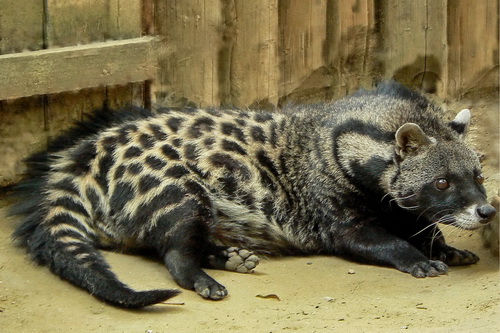
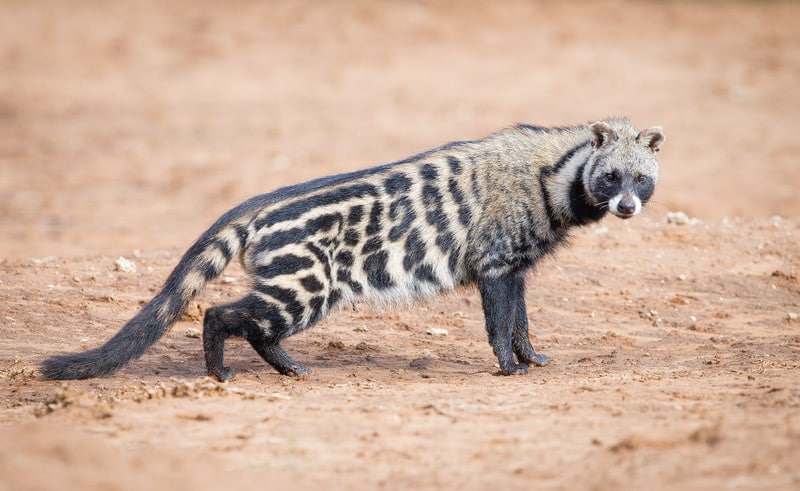
Did you know there are over a dozen species of civet cats? Some of the most well-known include the African Civet, the Asian Palm Civet, and the Large Indian Civet. Each species has its unique traits and adaptations. The African Civet is easily recognizable by its black and white striped fur and is often found in the savannas and forests of sub-Saharan Africa. In contrast, the Asian Palm Civet is smaller and more arboreal, frequently seen in the lush forests of South and Southeast Asia. The Large Indian Civet, with its distinctive ringed tail and robust body, thrives in varied environments, from dense forests to open grasslands in India and Southeast Asia. Each variety has adapted to its surroundings, showcasing nature’s incredible diversity.Habitat And Distribution
Civet cats are widely distributed across Africa and Asia, inhabiting a range of environments. You’ll find them in dense tropical rainforests, open savannas, and even in urban areas. Their adaptability to different habitats is one of their most remarkable traits. Imagine spotting a civet cat in your backyard if you live in Southeast Asia or Africa. These animals are nocturnal, so they come alive at night, often surprising unsuspecting residents. Their presence in urban areas is a testament to their resilience and adaptability. Civets are not just survivors; they are essential to their ecosystems. They help in seed dispersal, contributing to forest regeneration. Have you ever wondered how many plants owe their existence to these nocturnal gardeners? These creatures are more than just exotic animals; they are integral parts of their ecosystems, each species playing a unique role. Understanding civet cats and their diverse species opens a window into the complex web of life on our planet.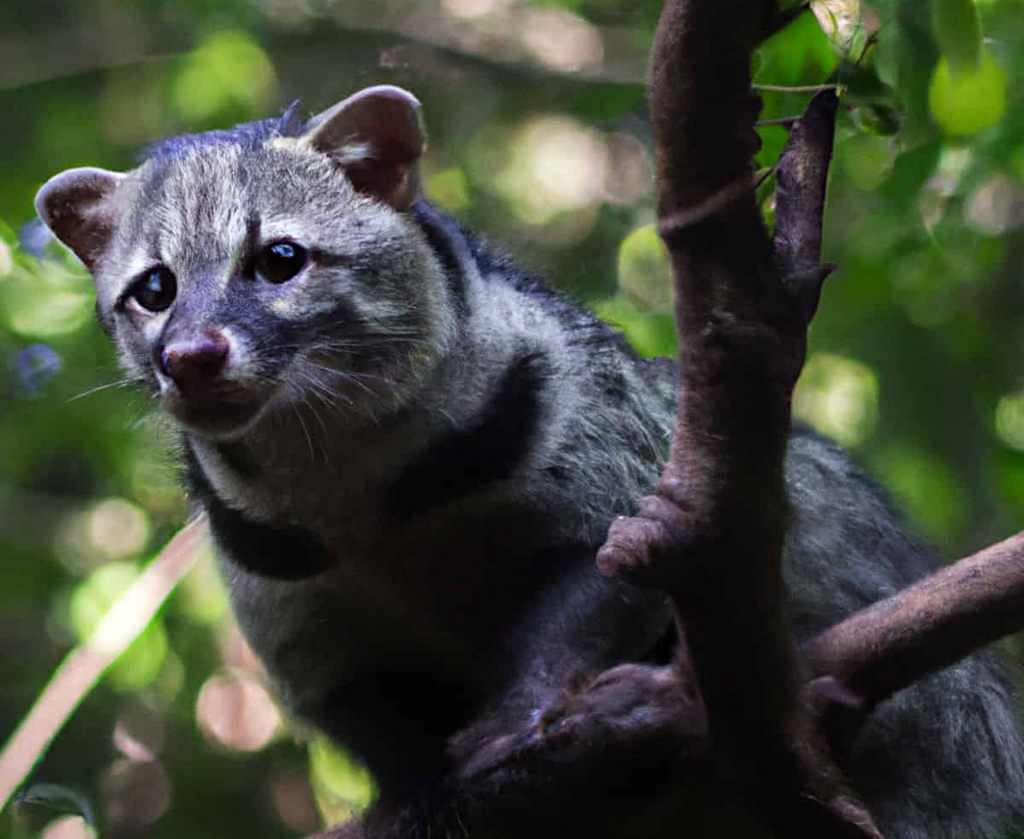
Credit: naturalnicheperfume.com
Physical Characteristics
Civet cats have slender bodies, short legs, and long tails. Their fur is grayish with dark spots and stripes. They resemble small, agile mammals and are often mistaken for other creatures due to their unique appearance.
Have you ever wondered what makes civet cats so unique and intriguing? These fascinating creatures are not actually cats but belong to a distinct family of mammals known for their striking physical characteristics. Understanding their physical traits is key to appreciating their role in the ecosystem and their allure to humans. Let’s dive into the specifics of their size, appearance, and unique markings.Size And Appearance
Civet cats vary in size, but they generally range from small to medium-sized mammals. Most species measure between 17 to 28 inches in body length. Their tails can be nearly as long as their bodies, adding to their distinctive look. Their bodies are slender and agile, perfect for navigating their forest habitats. Civet cats have a low-set body with short legs, which gives them a raccoon-like appearance. Their eyes are large and round, providing excellent night vision. When I first saw a civet cat in the wild, I was struck by its graceful movements. You might notice their sleek fur, which can be coarse or smooth depending on the species. This adaptability helps them thrive in various environments.Unique Markings
Civet cats are often recognized by their unique markings, which can be quite mesmerizing. These markings typically include spots, stripes, or both, depending on the species. The African civet, for example, is known for its bold black and white spots, resembling a checkerboard pattern. This striking appearance is not just for show; it serves as camouflage in their natural habitat. Some species, like the Asian palm civet, have more subtle markings with faint stripes along their body. Their colors can range from grey and brown to black, helping them blend into their surroundings. These markings are more than just a visual spectacle. They play a crucial role in communication and mating. Have you ever considered how these patterns might affect a civet’s interaction with other animals? Next time you spot one in a documentary or a zoo, take a moment to appreciate the intricate patterns that tell a story of survival and adaptation. These unique characteristics make civet cats not only captivating but also a vital part of the biodiversity tapestry.Diet And Feeding Habits
Civet cats, small nocturnal mammals, primarily feed on fruits, insects, and small animals. Their diet varies by region, adapting to available resources. They play a vital role in seed dispersal, aiding forest regeneration.
Civet cats have intriguing eating habits. They are not picky eaters. Their diet varies based on availability and location. Understanding their diet helps us learn about their role in nature.Omnivorous Nature
Civet cats eat both plants and animals. This makes them omnivores. They enjoy fruits, small mammals, and insects. They also eat birds and reptiles. This diet helps them survive in different environments. They adapt to food changes easily. This versatility is key to their survival.Role In Ecosystem
Civet cats play a vital role in ecosystems. They help control insect and rodent populations. By eating fruits, they spread seeds. This aids plant growth and forest regeneration. Their presence keeps the ecosystem balanced. They connect various parts of the food web. Without them, ecosystems could suffer. `Behavior And Social Structure
Civet cats, often shrouded in mystery, are intriguing creatures with unique behavioral traits and social structures. Understanding their behavior gives us a glimpse into their world, allowing us to appreciate their role in biodiversity. Let’s explore the nocturnal activities and territorial behavior of these fascinating animals.
Nocturnal Activities
Did you know civet cats are primarily nocturnal? These elusive creatures come alive when the sun sets, engaging in activities that ensure their survival. As dusk falls, civet cats embark on their nightly quests for food. They are omnivorous, feasting on fruits, small animals, and even insects.
Have you ever wondered what it’s like to navigate the world under the cover of darkness? Civet cats excel in this, relying on their keen sense of smell and hearing. Their nocturnal lifestyle helps them avoid predators and minimizes competition for food. But what happens when daylight breaks? They retreat to their hideouts, often in trees or dense foliage, to rest and prepare for another night.
Territorial Behavior
Civet cats are known for their territorial nature. You might be surprised to learn that they mark their territories using scent markings, a practice crucial for communication. This behavior ensures they maintain control over their domain, signaling to others to keep away.
Imagine having a special place that’s just yours, where you feel secure. Civet cats establish such areas, defending them fiercely from intruders. This territorial instinct can lead to conflicts, especially when resources are scarce. But it also fosters a sense of community, as civet cats often respect the boundaries set by others.
Have you ever considered the impact of territory on social interactions? In civet cats, territorial boundaries define social structures, influencing how they interact with neighboring civets. This delicate balance between aggression and cooperation is a key aspect of their survival strategy.
Understanding civet cats’ behavior and social structure raises interesting questions about our own interactions with nature. How can we learn from their adaptability and resilience? Observing these nocturnal creatures can offer valuable insights into the delicate balance of ecosystems and the importance of respecting boundaries. Next time you find yourself outside after dark, consider the hidden world of civet cats and the lessons they might teach us about survival and coexistence.
Role In Coffee Production
Civet cats play a unique role in coffee production. These small, nocturnal mammals are key to making one of the world’s most expensive coffees. Known as Kopi Luwak, this coffee is made from beans eaten and digested by civet cats. The process involves the beans passing through the civet’s digestive system, where they undergo fermentation. This fermentation changes the flavor profile of the coffee beans. It results in a smoother and less acidic taste. The beans are collected from the feces of the civet cat, cleaned, and roasted.
Kopi Luwak Coffee
Kopi Luwak is highly sought after for its unique taste. The beans’ journey through the civet cat’s digestive system changes their chemical composition. This transformation is said to enhance the coffee’s flavor. Many describe it as rich and less bitter than regular coffee. The rarity and exotic nature of this process contribute to its high price. Coffee enthusiasts and connoisseurs often seek this rare brew for its distinct taste. It has become a symbol of luxury in the coffee world.
Controversies And Ethics
Despite its popularity, Kopi Luwak faces ethical concerns. The production process raises questions about animal welfare. Some producers keep civet cats in captivity under poor conditions. This captivity can lead to stress and health issues for the animals. Critics argue that the practice is cruel and unethical. They call for better standards and practices in the industry. Ethical production methods are becoming more important to consumers. Awareness of these issues is leading to changes in the coffee market.
Conservation Status
Civet cats, often mistaken for felines, belong to the Viverridae family. These nocturnal creatures face threats from habitat loss and hunting. Conservation efforts are crucial to ensure their survival and maintain ecological balance.
Civet cats, those elusive creatures often misunderstood, face various challenges in the wild. Their conservation status is a growing concern for ecologists and wildlife enthusiasts worldwide. You might wonder why these small, nocturnal animals are so important. Their role in the ecosystem is crucial, from seed dispersal to maintaining the delicate balance of their habitats. Let’s take a closer look at the conservation status of civet cats and what is being done to protect them.Threats And Challenges
Civet cats face numerous threats that jeopardize their survival. Habitat loss is a significant issue. As forests are cleared for agriculture or urban development, these animals lose their homes. Poaching is another severe threat. Civet cats are often hunted for their musk, used in perfumes, and sometimes for their meat. This illegal trade puts immense pressure on their populations. Pollution and climate change further threaten their habitat. Changes in weather patterns can disrupt their food sources and breeding cycles, making it harder for them to thrive.Conservation Efforts
Despite these challenges, there are ongoing efforts to protect civet cats. Many countries have established protected areas and national parks. These safe havens provide a refuge where civet cats can live and reproduce without human interference. Wildlife organizations are actively working to combat illegal poaching. Anti-poaching patrols and stricter laws are being implemented to deter hunters and traders. Community involvement plays a vital role. Educating locals about the importance of civet cats helps foster coexistence. People are encouraged to engage in conservation activities, such as habitat restoration and monitoring civet populations. What can you do to help? Supporting wildlife conservation organizations or participating in eco-friendly initiatives can make a difference. Every action counts in ensuring these fascinating creatures continue to roam our planet.Cultural Significance
Civet cats hold cultural importance in various regions due to their role in producing kopi luwak, a unique coffee. Their secretive nature adds mystery, sparking interest and admiration among wildlife enthusiasts. In some cultures, they are symbols of luck and prosperity, making them beloved creatures.
Civet cats, often overshadowed by their exotic allure, hold a significant cultural weight in various societies. Their influence stretches beyond the confines of nature and spills into the realms of art, history, and symbolism. Understanding their cultural significance can offer you a fresh perspective on these enigmatic creatures.Historical References
Throughout history, civet cats have been featured in numerous ancient texts and folklore. Their unique characteristics have often made them subjects of curiosity and reverence. In some cultures, they were believed to possess mystical qualities, serving as intermediaries between the natural and spiritual worlds. In medieval Europe, civet cats were prized for their musk, which was used in perfumes and medicines. This made them symbols of luxury and wealth, often depicted in the art of the elite. Imagine the intrigue of possessing something so rare that it was worth its weight in gold. Have you ever considered how animals have shaped trade and economies? The demand for civet musk was so high that it influenced trade routes and commerce. This historical significance underscores the profound impact these animals had on human society.Symbolism In Art
Civet cats have inspired artists across different cultures. They often appear as motifs in traditional paintings and carvings, embodying various themes and messages. In Asian art, for example, civets symbolize mystery and stealth, qualities admired and feared alike. In African folklore, civets are celebrated for their cunning nature. Artists often depict them in vibrant colors, capturing their essence and the cultural stories they represent. These artistic expressions offer you a glimpse into how societies interpret the world around them. Have you ever noticed how animals in art can express complex human emotions? The depiction of civet cats often communicates deeper meanings, inviting viewers to ponder their own relationship with nature. Civet cats are more than just exotic animals; they are woven into the fabric of human culture. Their historical and artistic significance challenges us to appreciate the rich tapestry of life they contribute to. As you explore this intriguing subject, consider how civet cats continue to influence our world today.
Credit: blog.nature.org
Credit: www.purekopiluwak.com
Frequently Asked Questions
Is A Civet Cat An Actual Cat?
A civet cat is not an actual cat. It belongs to the Viverridae family, related to mongoose. Civets are small, nocturnal mammals found in Asia and Africa. They are known for their musk-producing glands, often used in perfumery. Despite their name, civet cats differ significantly from domestic cats.
Can A Civet Cat Be A Pet?
Civet cats are not ideal pets. They require specialized care and can be aggressive. Many countries have legal restrictions. Keeping them as pets can be challenging and unethical. Consider adopting domesticated animals instead.
Are There Civet Cats In The Us?
Civet cats are not native to the US. They are primarily found in Africa and Asia. Some zoos and private collections may have civets, but they are not widespread in the US. These animals are known for their musk used in perfumes.
Is A Civet Cat A Raccoon?
A civet cat is not a raccoon. Civets belong to the Viverridae family, while raccoons are in the Procyonidae family. Both animals are different species with distinct characteristics.
Conclusion
Civet cats are fascinating creatures with unique habits. They play vital roles in their ecosystems. These animals are not well known but hold great importance. Understanding their lifestyle helps us appreciate biodiversity. Civets contribute to seed dispersal and natural balance.
Knowing more about them encourages conservation efforts. Protecting civet cats ensures ecosystem health. Every creature has its place in nature’s web. Civets remind us of the intricate beauty of wildlife. Their existence highlights the need for preservation. Learn about civet cats and spread awareness.
Together, we can make a difference.