What is Litter for Cats: Essential Guide & Tips
Imagine stepping into a world where your cat feels comfortable, clean, and happy every day. As a cat owner, you want the best for your furry friend, and a crucial part of their daily life is their litter.
But what is litter for cats, and why is it so important for your feline’s well-being? Understanding the basics of cat litter not only helps you choose the right type but also ensures a healthier environment for both you and your pet.
Get ready to discover how the right litter can transform your cat’s routine and make your home a more pleasant place. Dive into this article to uncover the secrets behind choosing the perfect litter and learn how it can lead to a happier, cleaner life for your beloved cat.
Types Of Cat Litter
Cats need a clean place to do their business. Choosing the right litter is important. Different types offer various benefits. Some are better for smell, others for the environment. Let’s explore three popular types of cat litter.
Clay Litter
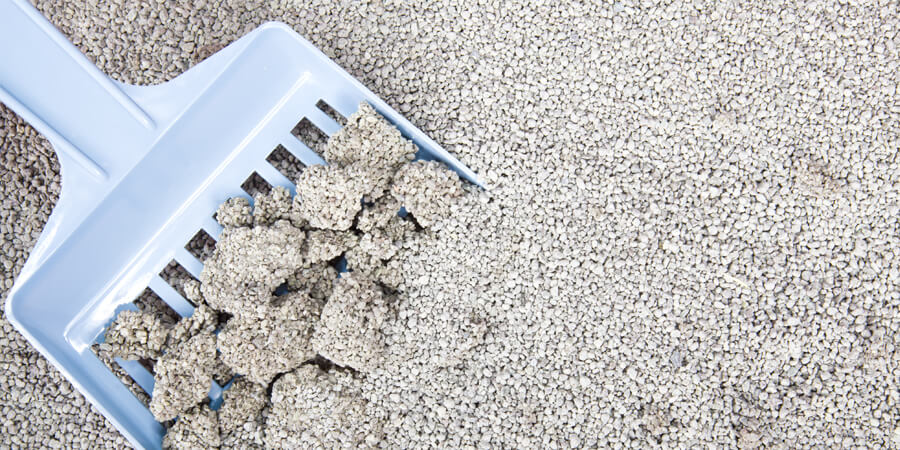
Clay litter is common in many homes. It absorbs moisture well. This type clumps when wet. Makes scooping easy. It controls odor effectively. Clay litter is affordable. But it can be dusty. Cats may track it around the house. Consider this when choosing.
Silica Gel Litter
Silica gel litter is another option. It looks like tiny crystals. This type absorbs moisture quickly. It controls odor for a longer time. Silica gel litter is low-dust. Cats track it less. It can be more expensive. Some cats might not like the texture.
Biodegradable Options
Eco-friendly choices are available too. Biodegradable litter is made from natural materials. Examples include corn, wheat, or pine. It is safe for the environment. This type often controls odor well. It is also less dusty. Biodegradable litter can be flushable. Check the packaging to be sure. Remember, each cat is different. Choose a litter that suits your pet’s needs.
Credit: www.worldsbestcatlitter.com
Choosing The Right Litter
Choosing the right cat litter is crucial for both your feline friend and your home environment. With so many options available, it can be overwhelming to decide which type suits your cat and lifestyle best. This decision isn’t just about convenience; it can affect your cat’s health and your home’s cleanliness. Let’s dive into some critical factors you should consider when making this choice.
Considerations For Allergies
Just like humans, cats can have allergies. Some litters contain dust or fragrances that might trigger allergic reactions in sensitive cats. If your cat sneezes frequently or seems uncomfortable around the litter box, it might be time to switch to a hypoallergenic option. Look for litters made from natural materials like paper or corn that are less likely to irritate.
Odor Control Features
No one enjoys the smell of a dirty litter box. Thankfully, many litters come with built-in odor control features. Some use activated charcoal or baking soda to neutralize smells effectively. If you’ve ever walked into a room and been hit by an overwhelming odor, you understand the importance of this feature. Consider how often you can scoop and change the litter. More frequent clean-ups might mean you can opt for a less odor-intensive option.
Clumping Vs Non-clumping
Clumping litter forms solid masses when wet, making it easier to scoop. This can be more hygienic, as it allows for quick removal of waste. Non-clumping litter absorbs moisture without forming clumps, meaning you’ll need to change the entire box more frequently. If you’re busy and prefer less frequent full changes, clumping might be the way to go. Think about your daily schedule—can you commit to regular maintenance, or would a low-maintenance option fit better?
Choosing cat litter isn’t just a mundane task; it’s a decision that impacts your pet’s comfort and your home’s atmosphere. So, what matters most to you and your cat? Is it allergy safety, odor management, or ease of cleaning? Take the time to weigh these factors, and you’ll find the perfect fit for your furry companion.
Benefits Of Using Cat Litter
Cat litter offers a clean, convenient solution for indoor cats, absorbing moisture and controlling odors effectively. It simplifies waste management, maintaining a hygienic environment for both pets and owners.
Cats bring joy and companionship, but they also come with responsibilities, like managing their litter. The benefits of using cat litter go beyond mere convenience. A good cat litter not only makes your life easier but also enhances the well-being of your feline friend. Let’s dive into how cat litter can be a game-changer for both you and your pet.
Hygiene And Sanitation
Keeping a clean environment is crucial for your cat’s health and your home. Cat litter provides a designated spot for your cat to relieve itself, reducing the risk of unwanted messes. It helps in preventing the spread of bacteria and parasites that can thrive in unsanitary conditions. Imagine walking into a home where the cat’s litter box is clean, and there’s no trace of any foul smell. That’s the power of choosing the right cat litter. You’ll notice a significant difference in how your home smells and feels.
Reducing Odors
Odor control is a major concern for cat owners. No one wants their home to smell like a litter box. Quality cat litter often contains materials designed to absorb odors effectively. Some litters come with activated charcoal or baking soda to neutralize unpleasant smells. This means you can host guests without worrying about embarrassing odors. Have you ever visited a friend’s home and been amazed at how fresh it smelled, despite having a pet? The secret often lies in the choice of cat litter.
Ease Of Cleaning
Cleaning up after your cat doesn’t have to be a chore. Modern cat litters are designed for easy maintenance, often clumping together to make scooping a breeze. This feature saves you time and effort, allowing you to maintain a clean box with minimal hassle. Think about all the extra time you’ll have when cleaning takes just a few minutes each day. You can spend more quality time with your cat instead of dealing with a mess. Wouldn’t you prefer to play with your cat rather than cleaning up after it? Incorporating a good cat litter into your pet care routine can make life simpler and more pleasant. What changes will you notice when you switch to a high-quality cat litter?
Litter Box Maintenance
Cat litter provides a clean, odor-controlled space for pets to relieve themselves. Different types cater to various preferences, including clumping and non-clumping options. Regular maintenance ensures a healthy environment for both cats and owners.
Maintaining your cat’s litter box is crucial for a happy and healthy home. A clean litter box not only keeps your home smelling fresh but also ensures your cat feels comfortable using it. The key to effective litter box maintenance is consistency. Let’s break down how you can keep your cat’s litter area clean and welcoming.
Daily Cleaning Routine
Start by scooping out waste every day. This prevents odors from building up and keeps the litter box inviting for your cat. Consider it a quick task; it takes just a few minutes. Keep a small trash bag handy to make the process smoother. Ever noticed your cat refusing to use a dirty litter box? They’re quite particular about cleanliness. Daily cleaning avoids this issue.
Weekly Deep Clean
A weekly deep clean is necessary to tackle hidden grime. Dump out all the litter and wash the box with mild soap and warm water. Scrub any stubborn spots with a brush. Rinsing thoroughly ensures no soap residue remains, which could irritate your cat. Have you ever felt overwhelmed by odors despite daily cleaning? A deep clean usually solves this problem.
Replacing Litter Regularly
Fresh litter keeps your cat happy and your home odor-free. Depending on the type of litter you use, a full change might be needed every couple of weeks. If the litter starts to break down or smells even after cleaning, it’s time for replacement. Consider a high-quality litter for less frequent changes. Do you find your cat avoiding the box? Old litter might be the culprit. Regular replacements help prevent this. Maintaining your cat’s litter box might seem like a chore, but it’s essential for both you and your feline friend. How do you plan to make litter box upkeep a part of your routine?
Common Litter Box Issues
Understanding common litter box issues helps maintain a happy home for cats. Sometimes, these issues disrupt harmony between pets and their owners. Identifying and addressing these problems is crucial. Let’s explore some frequent challenges cat owners face.
Litter Tracking
Litter tracking occurs when cats carry litter outside the box. It spreads across floors, causing a mess. Choose litter types that minimize tracking. Use mats around the box to catch stray particles. Regularly clean the area to maintain tidiness.
Cats Avoiding The Litter Box
Some cats refuse to use their litter boxes. This can stem from various reasons. Dirty boxes deter cats. Keep the box clean and fresh. Placement matters too. Boxes in noisy or busy areas may scare cats away. Consider a quiet, accessible spot.
Dealing With Over-usage
Over-usage can lead to messy, smelly boxes. Multiple cats need multiple boxes. One box per cat is ideal. Scoop waste daily to manage odor. Replace litter frequently for freshness. Creating a consistent cleaning routine helps keep boxes inviting.
Eco-friendly Litter Choices
Choosing the right litter is crucial for cat owners. Many seek eco-friendly options. These options are better for the environment. They are also safe for cats. Traditional litters harm nature. Eco-friendly choices offer a sustainable alternative. They reduce waste and pollution. Let’s explore some of these choices.
Recycled Paper Litter
Recycled paper litter is a popular choice. It’s made from reused paper products. This litter is biodegradable. It breaks down naturally. It’s soft and gentle for cats’ paws. Absorbent and lightweight, it controls odors well. It is dust-free, reducing allergies. Recycled paper litter is a responsible option.
Corn And Wheat Based Options
Corn and wheat-based litters are natural choices. They come from renewable resources. These litters clump well. This makes cleaning easy. They are flushable, reducing waste. These options are free from chemicals. They are safe for pets and humans. Corn and wheat litters offer a green solution.
Natural Scent Alternatives
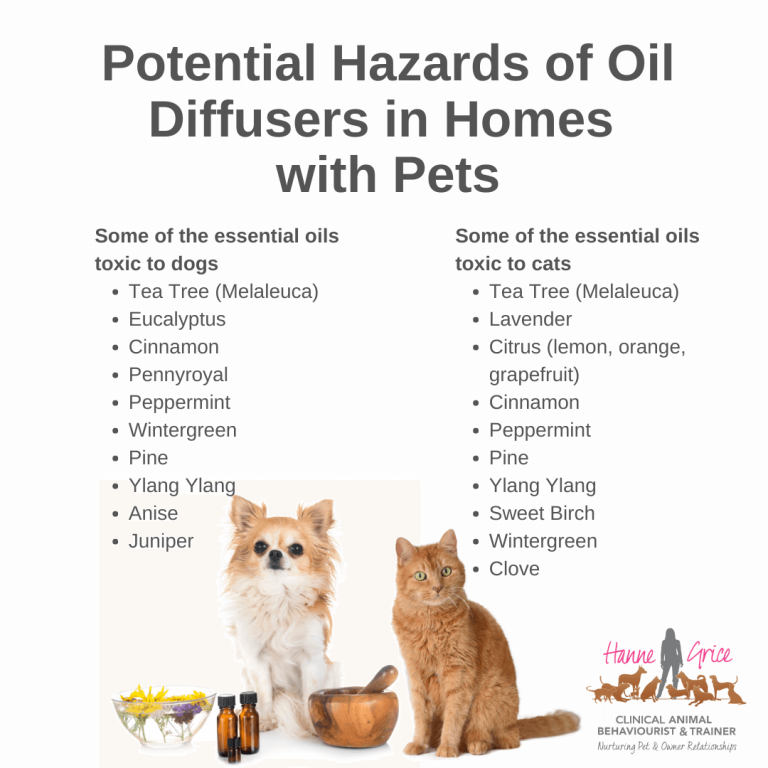
Many eco-friendly litters use natural scents. These scents come from essential oils. They provide a pleasant smell. Natural scents help mask odors. They are free from artificial fragrances. This is better for sensitive cats. Essential oils also have calming effects. Natural scent alternatives create a fresh environment.
Tips For Training Cats
Understanding litter is crucial for cat training. Litter helps cats maintain hygiene and learn where to relieve themselves. Choose the right litter to ensure your cat feels comfortable and adapts quickly to using the litter box.
Training your cat to use the litter box might seem daunting, but with the right approach, it can be a smooth process. Cats are naturally clean animals, so they are inclined to use a designated spot for their needs. However, patience and consistency are key. Let’s dive into some practical tips to help guide your feline friend.
Introducing A New Litter
When introducing a new litter, start by mixing it with the old one. Gradually increase the amount of new litter while reducing the old. This helps your cat adjust without feeling overwhelmed. Cats can be picky about the texture and scent of their litter. Observe your cat’s behavior closely. If they seem hesitant, try experimenting with different types until you find one they prefer. Keep the litter box clean. Scoop it daily and change the litter regularly to keep it fresh and appealing.
Positive Reinforcement Methods
Reward your cat each time they use the litter box correctly. Use treats or verbal praise to encourage this behavior. Positive reinforcement helps your cat associate the litter box with a pleasant experience. Place the litter box in a quiet and accessible location. Avoid high-traffic areas where your cat might feel stressed or distracted. Be patient. Training takes time, and every cat learns at their own pace. Celebrate small victories to keep both you and your cat motivated.
Addressing Behavioral Problems
If your cat is avoiding the litter box, try identifying the root cause. Stress, changes in the environment, or medical issues could be factors. Consider consulting a veterinarian if problems persist. Ensure the litter box is the right size for your cat. A box that’s too small or difficult to access can be a deterrent. Observe your cat’s habits. Do they seem anxious or uncomfortable? Addressing emotional or environmental triggers can help resolve litter box issues. By understanding your cat’s needs and preferences, you can make the training process more effective. What challenges have you faced while training your cat? Share your experiences in the comments below!
:strip_icc()/different-types-of-cat-litter-4688913-hero-3f1c939bf51f4e4cb30fe719b1f57189.jpg)
Credit: www.thesprucepets.com
:strip_icc()/SPRPETS-Arm-and-Hammer-Feline-Pine-Cat-Litter-Lindsay-Boyers-04-aeef063030674d4ba35f20e50d2b9989.jpeg)
Credit: www.thesprucepets.com
Frequently Asked Questions
What Is Cat Litter Used For?
Cat litter absorbs moisture and controls odors from cat waste. It provides a clean space for cats to eliminate. Made from clay, silica, or natural materials, it helps maintain hygiene in homes with cats. Regular changing prevents smells and promotes a healthy environment for both cats and humans.
What Does Litter Mean In Cats?
In cats, “litter” refers to a group of kittens born to the same mother. It also denotes the material used in a litter box for cats to urinate and defecate.
What Is Cat Litter Made Out Of?
Cat litter is primarily made from clay, silica gel, recycled paper, or natural materials like corn and wheat. Each type has unique absorption properties, controlling odor and moisture effectively. Choose based on your cat’s preference and environmental concerns.
What Is Considered A Litter Of Cats?
A litter of cats refers to a group of kittens born from the same mother at the same time. Typically, a litter includes 3 to 5 kittens, but it can vary. This term is commonly used by breeders and veterinarians to describe newborn kittens.
Conclusion
Choosing the right cat litter keeps your pet happy. Different types offer unique benefits. Clumping litter makes cleaning easy. Non-clumping options absorb well. Natural choices are eco-friendly. Silica gel controls odors. Consider your cat’s needs and habits. Some cats prefer specific textures.
Litter training impacts your home’s cleanliness. Regular changes ensure freshness. Reduce odors with baking soda. Clean the litter box often. Your cat deserves a clean space. Happy cat, happy home. Remember, a suitable litter enhances your cat’s comfort.