What is Best Cat Food for Indoor Cats: Top Picks
Are you wondering what the best cat food for your indoor feline friend is? Feeding your cat the right diet is crucial for their health and happiness.
With so many options on the market, it can be tough to figure out which one is ideal for your indoor cat. But don’t worry—you’re not alone in this quest. Understanding what your indoor cat needs can make all the difference in their well-being.
Imagine seeing your cat with a shiny coat, full of energy, and in perfect health. Wouldn’t that be amazing? You’ll uncover the secrets to choosing the best cat food for indoor cats. Keep reading to ensure your furry friend gets nothing but the best.
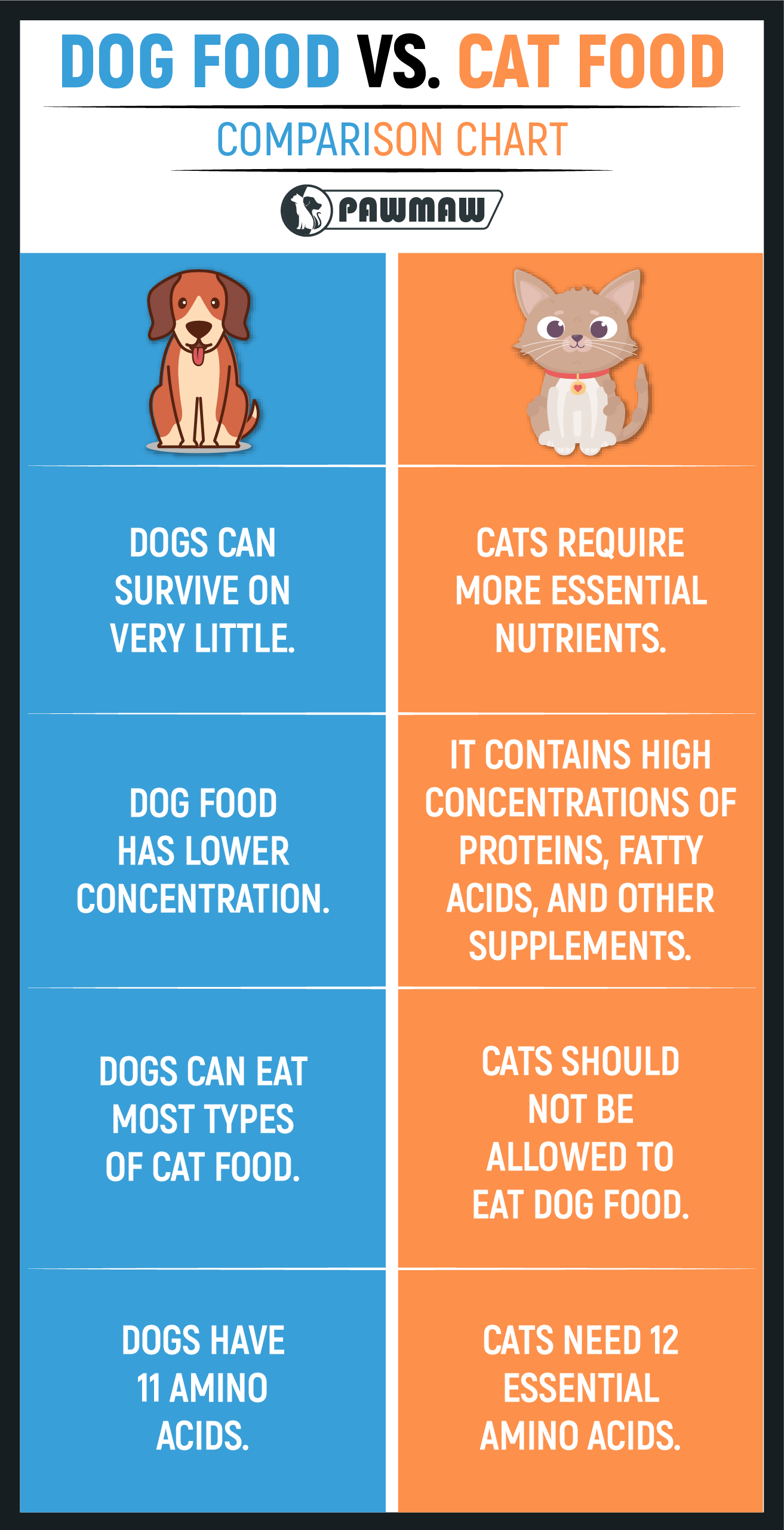
Credit: puvana.com
Key Nutritional Needs
Indoor cats have specific nutritional needs to stay healthy. Their lifestyle is less active, requiring tailored nutrition. Understanding these key nutritional needs helps in choosing the best cat food.
Protein Requirements
Protein is essential for indoor cats’ muscle maintenance. High-quality protein supports growth and repair. Choose cat food with real meat as the first ingredient. Avoid foods with excessive fillers. Ensure the protein source is easily digestible.
Importance Of Fiber
Fiber helps in maintaining a healthy digestive system. It aids in preventing hairball formation. Fiber-rich diets promote regular bowel movements. Opt for cat food with balanced fiber content. Look for ingredients like beet pulp or pumpkin.
Essential Vitamins And Minerals
Vitamins and minerals support overall health. They boost immunity and maintain skin health. Key vitamins include A, E, and C. Essential minerals like calcium and phosphorus are vital. Choose cat food with a complete nutrient profile. Check for taurine, crucial for heart and eye health.
Types Of Cat Food
Choosing the best cat food for indoor cats involves understanding their unique needs. Indoor cats benefit from high-protein, low-fat diets to maintain a healthy weight. Wet food, dry kibble, and grain-free options are popular choices, providing essential nutrients and hydration.
When choosing the best food for your indoor cat, it’s essential to understand the different types available. Each cat food type has its unique benefits and drawbacks, and knowing these can help you make an informed decision. Whether you prefer dry, wet, or even a homemade diet, ensuring that your feline friend receives a balanced and nutritious diet is key.Dry Food Options
Dry cat food, often referred to as kibble, is a popular choice for many cat owners. It’s convenient, easy to store, and typically more affordable. The crunchy texture can also help in reducing plaque buildup on your cat’s teeth. However, dry food can be low in moisture, which is crucial for your cat’s urinary health. Consider if your cat drinks enough water throughout the day. If not, you may need to supplement their diet with additional moisture sources.Wet Food Benefits
Wet cat food is often found in cans or pouches and is known for its high moisture content. This can be particularly beneficial for cats who don’t drink much water, helping to keep them hydrated. Many cats find wet food more palatable due to its texture and aroma. Feeding wet food can also help manage your cat’s weight as it typically contains fewer carbohydrates than dry food. Yet, it can be pricier and requires more storage space. Can you balance the cost with the health benefits?Raw And Homemade Diets
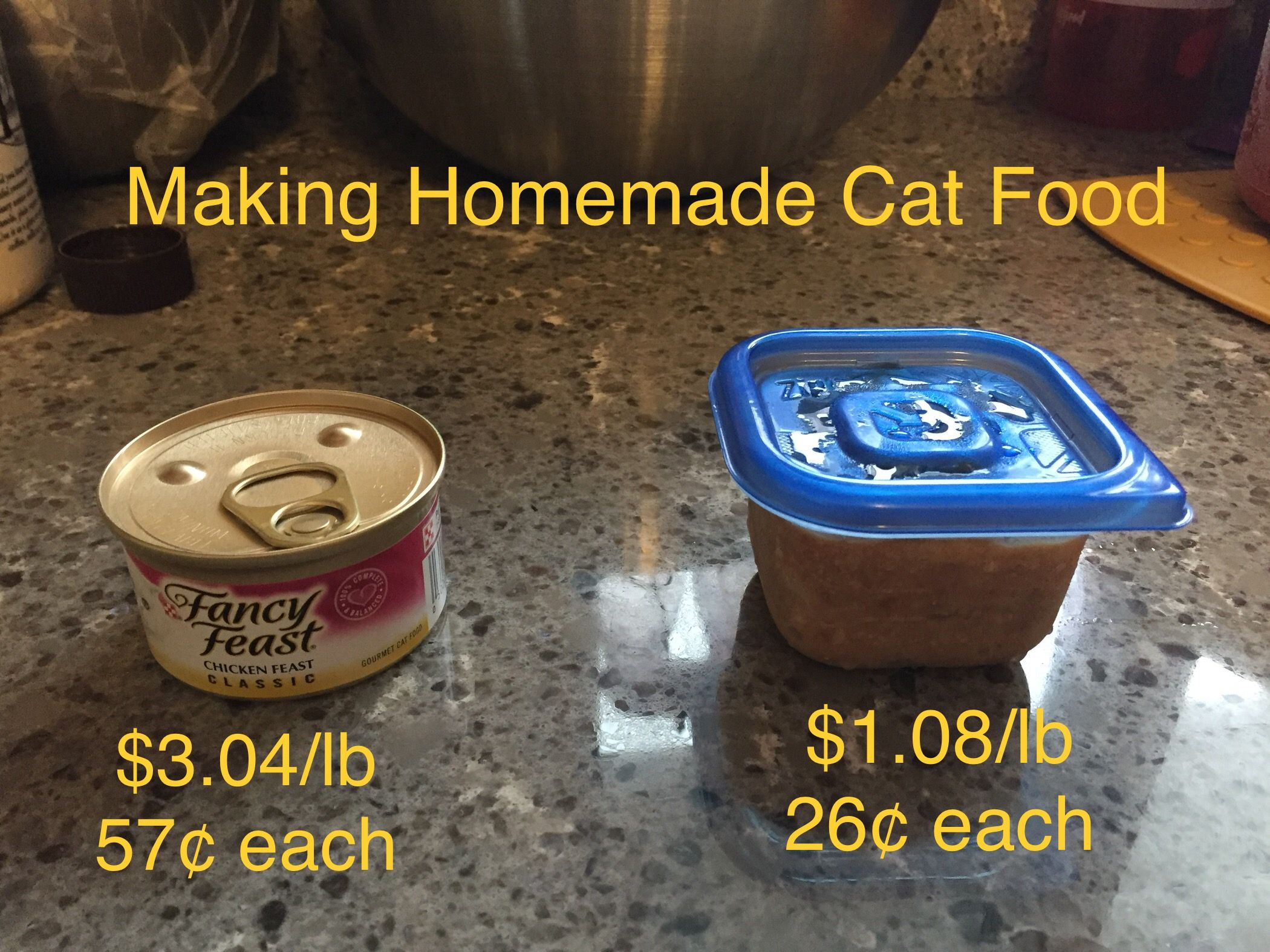
Some cat owners opt for raw or homemade diets to have more control over their pet’s nutrition. This can involve feeding fresh meats and a variety of other ingredients to mimic a cat’s natural diet. Proponents argue that it leads to healthier coats and increased energy. However, preparing these diets requires careful planning to ensure nutritional balance. Are you ready for the commitment of meal prep and potential food safety risks? Consulting with a vet or pet nutritionist can offer guidance to prevent nutrient deficiencies. Choosing the right type of food for your indoor cat involves understanding their specific needs and lifestyle. Your choice should reflect not just what is convenient, but what is most beneficial for your furry friend’s health and happiness.Top Brands For Indoor Cats
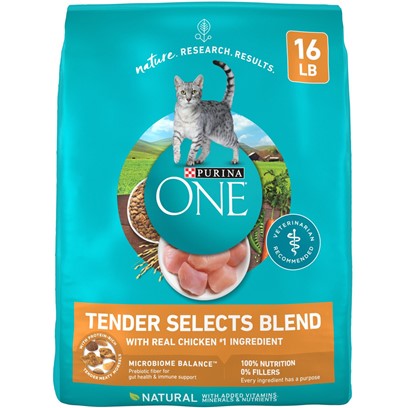
Indoor cats thrive on quality nutrition from top brands. Options like Blue Buffalo, Hill’s Science Diet, and Purina offer balanced meals. These brands focus on high protein and essential nutrients, catering to an indoor cat’s unique needs.
When choosing the best cat food for your indoor feline friend, it’s crucial to select brands that cater specifically to their unique needs. Indoor cats often lead a more sedentary lifestyle, which means their dietary requirements can differ significantly from their outdoor counterparts. Knowing the top brands can make all the difference in maintaining your cat’s health and happiness.Premium Choices
If you’re looking to spoil your furry companion with top-notch nutrition, premium brands offer high-quality ingredients that focus on overall health. Royal Canin Indoor Adult Dry Cat Food is a standout choice. It provides precise calorie content to help maintain an ideal weight. Hill’s Science Diet Indoor Cat Food is another excellent option, known for its emphasis on digestive health and coat condition. Its natural fiber blends ensure hairball control, a common issue in indoor cats. These brands may cost a bit more, but the benefits they offer can be worth every penny.Budget-friendly Options
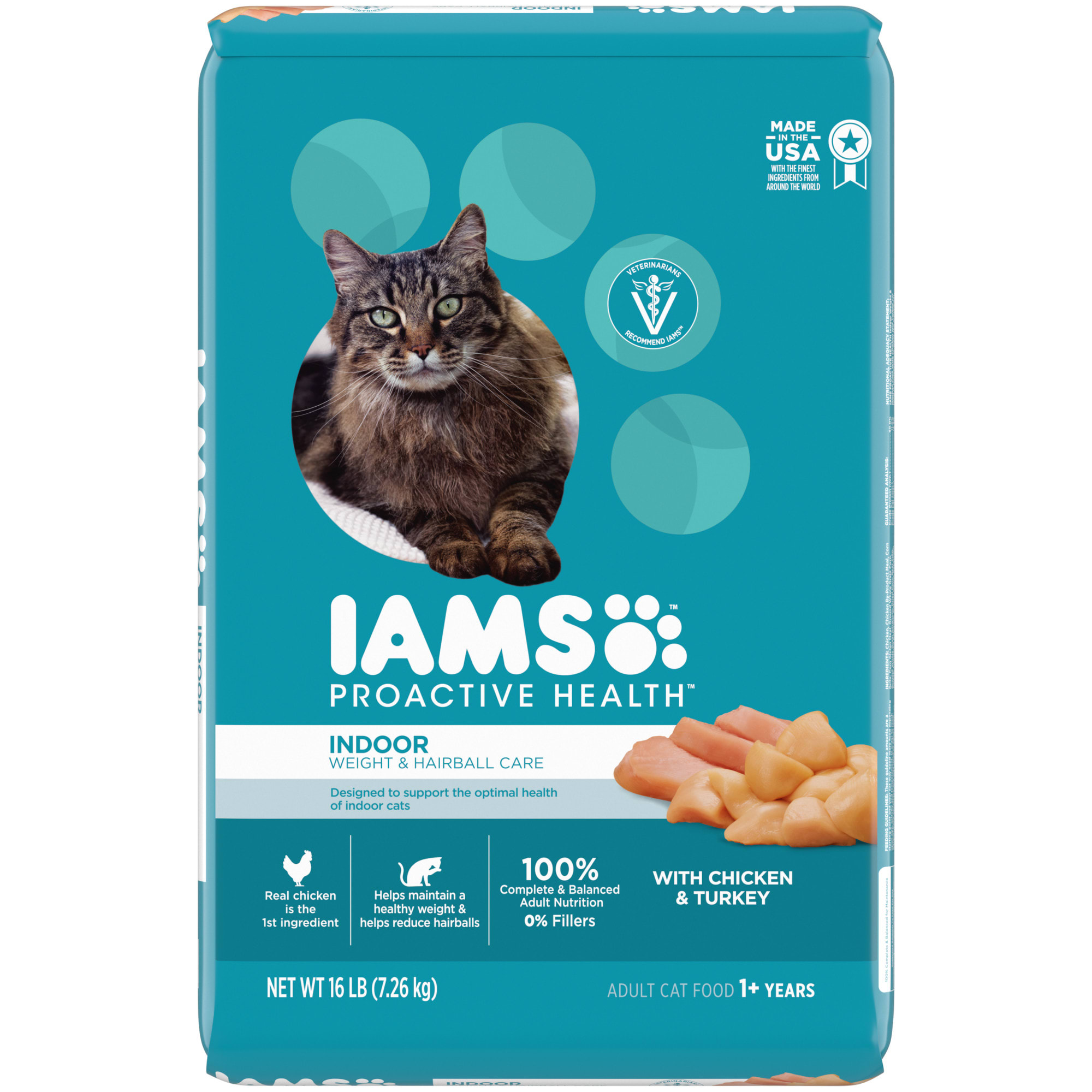
Not everyone can splurge on cat food, and that’s perfectly fine. There are budget-friendly options that don’t compromise on quality. Purina Cat Chow Indoor Formula offers a balanced diet with added fiber to support hairball control. Iams ProActive Health Indoor Weight & Hairball Care delivers essential nutrients without breaking the bank. It focuses on weight management and hairball prevention. Why spend a fortune when you can get quality nutrition at a fraction of the cost?Special Diets
Does your cat have specific dietary needs? Special diet options cater to conditions like allergies, weight issues, or urinary health. Blue Buffalo Indoor Health Natural Adult Dry Cat Food is free from artificial preservatives and uses real meat, making it ideal for cats with sensitivities. Wellness CORE Grain-Free Indoor Formula offers a protein-rich diet without grains, perfect for cats with food sensitivities or allergies. Have you considered the specific needs of your indoor cat when choosing their food? Tailored diets can significantly improve their quality of life. In your experience, have you noticed how diet changes affect your cat’s behavior or health? Making informed choices in food selection can lead to a happier and healthier indoor cat.
Credit: www.miamiherald.com
Choosing Based On Age And Health
Selecting cat food based on age and health ensures your indoor cat gets the right nutrients. Kittens need food rich in proteins and fats for growth. Older cats benefit from easily digestible ingredients that support joint health. Adjusting diet according to specific health needs helps maintain vitality and well-being.
When selecting the best cat food for your indoor feline, considering their age and health is essential. Cats have different nutritional needs at various life stages, and their health conditions can further influence their diet. Identifying these needs can enhance their well-being and longevity. As you navigate the choices, remember that what works for one cat might not be ideal for another. Are you ready to dive deeper and find what suits your cat best?Kittens
Kittens are bundles of energy with rapid growth rates. They need food rich in protein and fats to fuel their development. Look for options with added vitamins and minerals to support their immune system. You might notice your kitten eating more frequently; their tiny stomachs need regular nourishment. Offer small, frequent meals to keep their energy up.Adult Cats
Adult cats have stabilized in their growth but still require balanced nutrition. Protein remains important but in moderate amounts. Some indoor cats can become sedentary, leading to weight gain. Consider foods with lower calories and higher fiber to maintain their weight. Keep an eye on your cat’s activity level and adjust their diet accordingly.Senior Cats
Senior cats often face health challenges like arthritis or kidney issues. They need food that is gentle on their organs. Opt for options with lower phosphorus levels and added omega-3 fatty acids. These can help with joint health and inflammation. Observing your cat’s behavior and consulting with a vet can help tailor their diet to their health needs. Which stage resonates most with your cat’s needs? Are there specific health concerns you’re addressing through their diet? Your observations can be the key to their optimal health.Common Ingredients To Avoid
Indoor cats need food free from artificial preservatives and by-products. Avoid fillers like corn and soy, which provide little nutritional value. Prioritize natural ingredients for healthier cats.
Choosing the best cat food for your indoor feline friend can feel like navigating a minefield of ingredients. Cats are obligate carnivores, meaning their diet must be rich in animal proteins. Despite this, many cat foods contain ingredients that can be harmful or simply unnecessary. Knowing which ingredients to avoid will help you make a healthier choice for your indoor cat.Artificial Preservatives
Artificial preservatives are common in cat food to extend shelf life. However, some of these chemicals, like BHA, BHT, and ethoxyquin, can be harmful. Studies have linked them to potential health risks, including cancer. When I switched my cat’s food to a brand without these preservatives, her coat became shinier and she seemed more energetic. Consider checking labels carefully. Is your cat’s food free from these artificial additions?Fillers And By-products
Fillers such as corn, wheat, and soy are often used to bulk up cat food. These ingredients offer little nutritional value and can lead to weight gain and digestive issues. By-products, like “meat meal” or “animal digest,” are low-quality protein sources. I noticed my indoor cat gained weight quickly when her diet included these fillers. Opting for food with real meat as the first ingredient made a noticeable difference. Have you checked if your cat’s food prioritizes quality over quantity?Harmful Additives
Some cat foods contain additives like artificial colors and flavors, which serve no real purpose other than making the food look appealing to humans. These additives can trigger allergies or sensitivities in some cats. After eliminating foods with these additives, my cat’s skin irritations reduced significantly. Could your cat’s allergies be linked to these unnecessary extras? Always aim for foods with natural ingredients and no added colors or flavors. Understanding what goes into your cat’s food is crucial for their health and happiness. By avoiding these common ingredients, you give your indoor cat the best chance at a long, healthy life. What changes can you make today to improve your furry friend’s diet?Tips For Transitioning Foods
Finding the best cat food for indoor cats involves understanding their unique nutritional needs. Indoor cats often require fewer calories due to less activity. Choose high-protein, low-carb options to maintain their health and weight.
When you decide to switch your indoor cat’s diet, it’s essential to do so thoughtfully. A sudden change in food can upset their digestive system, leading to discomfort and potential health issues. Here’s a guide to smoothly transitioning your feline friend to a new diet.Gradual Introduction
Start by mixing a small amount of the new food with your cat’s current food. Gradually increase the proportion of the new food over 7 to 10 days. This slow introduction helps your cat’s digestive system adjust to the new ingredients. In my experience, my cat, Whiskers, was a bit hesitant at first. But by the end of the week, he was happily munching away on his new diet. Have you ever noticed how your cat reacts to changes in their routine? They can be quite particular.Monitoring Reactions
Keep an eye on your cat for any signs of discomfort, such as vomiting, diarrhea, or changes in appetite. If you notice any of these reactions, it may be a sign that the new food doesn’t agree with them. It’s crucial to watch for positive changes too. A shinier coat, more energy, and healthy stools are good indicators. Have you considered keeping a food diary to track these changes?Consulting A Veterinarian
Before making a significant change to your cat’s diet, it’s wise to consult your veterinarian. They can provide personalized advice based on your cat’s health needs. Your vet may also recommend specific brands or formulations that are best suited for indoor cats. After all, wouldn’t you want to ensure your cat is getting the best nutrition possible? Making a dietary change can seem daunting, but with careful planning and observation, you can find the best food for your indoor cat. What steps will you take to ensure a smooth transition for your furry friend?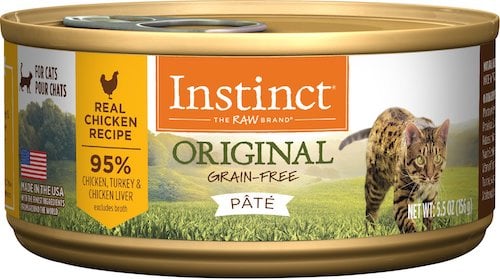
Credit: greensafaris.com
Frequently Asked Questions
What Is The Healthiest Cat Food For An Indoor Cat?
Choose high-quality cat food with real meat as the primary ingredient. Ensure it includes essential nutrients like omega-3 fatty acids, taurine, and vitamins. Opt for brands like Hill’s Science Diet or Royal Canin, formulated specifically for indoor cats. Always consult your veterinarian for personalized recommendations.
What Is The Best Food To Feed A House Cat?
High-quality, meat-based dry or wet cat food is ideal. Ensure it meets AAFCO standards for balanced nutrition. Consult your vet for specific dietary needs.
What Should You Feed An Indoor Cat?
Feed indoor cats high-quality, protein-rich cat food. Ensure balanced nutrition with essential vitamins and minerals. Include occasional wet food for hydration. Fresh water should be available at all times. Avoid feeding them human food, especially toxic items like chocolate or onions.
Regularly monitor weight and adjust portions accordingly.
What Is The Healthiest Dry Food To Feed Your Cat?
Choose a high-quality dry cat food with real meat as the first ingredient. Look for options with balanced nutrients, essential vitamins, and minerals. Avoid foods with artificial additives, fillers, or by-products. Brands like Hill’s Science Diet, Royal Canin, and Wellness Core are often recommended for optimal feline health.
Conclusion
Choosing the right cat food boosts your indoor cat’s health. Consider factors like nutritional needs and ingredients. Prioritize high-quality proteins and balanced nutrients. Indoor cats need fewer calories but require essential vitamins. Check labels for harmful fillers or artificial additives.
Consult your vet for personalized advice. Your cat deserves the best diet for a happy, healthy life. Remember, a nutritious meal supports their well-being and longevity. Invest in quality food. Your furry friend will thrive. Keep their diet in mind, and enjoy more purr-filled moments together.

Similar Posts