Why Does My Cat Always Want to Be near Me: Exploring Feline Affection

Have you ever wondered why your cat always seems to be glued to your side? Whether you’re working, relaxing, or even trying to catch some sleep, your feline friend is right there, purring away.
It’s almost like you have a tiny, furry shadow. But why do cats do this? Is it love, instinct, or something else entirely? You’re not alone in pondering this endearing yet puzzling behavior. We’ll uncover the reasons behind your cat’s constant companionship and explore what it means for your bond.
Get ready to unlock the secrets of your cat’s heart and discover why you’re the center of their universe.
Feline Attachment
Cats are often seen as independent animals. But many cats show strong attachment to their owners. This bond goes beyond simple companionship. It is a blend of trust, comfort, and emotional security. Understanding feline attachment can help explain why your cat always wants to be near you.
Trust And Safety
Your cat sees you as a source of safety. They feel secure in your presence. This trust grows from daily interactions. Feeding, petting, and playing build this bond. Cats feel protected and loved by their owners.
Comfort And Warmth
Cats love warmth. Your body provides the heat they crave. Sitting close or snuggling offers them comfort. This physical closeness reassures them. It mimics the warmth of a cat colony.
Social Interaction
Cats are social creatures. They enjoy interaction with humans. Sitting near you offers companionship. They listen, watch, and sometimes talk with you. This interaction satisfies their social needs.
Routine And Familiarity
Cats thrive on routine. Your daily schedule offers predictability. This familiarity comforts them. They know when you eat, sleep, or relax. Being near you fits their routine.
Emotional Bond
Your cat has an emotional bond with you. This bond is deep and meaningful. Cats express emotions through closeness. Sitting near you shows their affection. It is their way of saying “I care.”
Social Nature Of Cats
Cats often seek companionship, displaying their social nature by staying close to their owners. Their behavior signals comfort and security. This proximity strengthens the bond, making them feel safe and loved.
Cats are often seen as independent creatures, but they also have a social side that many people overlook. This social nature can explain why your cat seems to want to be near you all the time. Understanding this aspect of feline behavior can deepen your bond with your pet and make cohabitation more enjoyable.The Pack Instinct
Cats, like their wild ancestors, have a pack instinct. They might not form packs like wolves, but they thrive in a social environment. When your cat follows you from room to room, it’s showing its natural inclination to be part of a group.Seeking Safety And Comfort
Your presence provides your cat with a sense of security. This is why they often sleep next to you or sit on your lap. It’s not just about warmth; it’s about feeling safe with someone they trust.Curiosity And Observation
Cats are naturally curious. They like to observe and learn about their surroundings, including you. Your activities and routines provide endless entertainment and mental stimulation for them.Affectionate Bonds
Cats form strong bonds with their human companions. This isn’t limited to needing food or care. They genuinely enjoy your company and express affection through proximity.Your Cat’s Unique Personality
Every cat is different. Some are more social than others. Your cat’s desire to be near you might simply be a trait of its unique personality. Recognizing this can help you cater to their social needs better. Have you ever noticed how your cat mirrors your emotions? When you’re sad, they might be more affectionate. This behavior indicates their sensitivity to human emotions. Cats are more than just pets; they’re empathetic companions. So, why does your cat always want to be near you? It’s a mix of instinct, comfort, curiosity, affection, and personality. Next time your feline friend shadows your every move, remember they’re not just seeking attention—they’re looking for connection. How will you respond to this social invitation from your cat?Seeking Comfort And Security
Have you ever wondered why your cat always stays close to you? Cats often seek comfort and security. This behavior stems from their natural instincts. They find solace near their trusted human companions.
Seeking Warmth And Safety
Cats love warmth. Your body provides a cozy heat source. By staying close, they feel safe and snug. This behavior mimics their time as kittens. They cuddled with their mothers for warmth and protection.
Familiarity And Trust
Your scent comforts them. Cats have strong senses. Your familiar scent calms and reassures them. It signals trust and a safe environment. This makes them feel secure in your presence.
Bonding And Affection
Cats form deep bonds with their owners. They express affection by staying near. This closeness strengthens the bond. They see you as part of their family. Being near shows their affection and attachment.
Reducing Stress And Anxiety
Cats can feel stress too. Staying close to you reduces their anxiety. Your presence provides comfort. It helps them feel less anxious. This is especially true in unfamiliar environments.

Credit: www.reddit.com
Understanding Cat Behavior
Understanding cat behavior can be fascinating. Cats are mysterious creatures with unique traits. They form strong bonds with their owners. These bonds often lead them to seek constant companionship. Knowing why your cat stays close is important.
Body Language Signals
Cats communicate through body language. They may rub against you for attention. Purring and eye contact are signs of trust. A slow blink is a cat’s way to say “I love you.” Tail positions also reveal moods. A high, twitching tail shows excitement. A tucked tail might indicate fear or discomfort.
Vocalization And Purring
Vocalization varies among cats. Some are very vocal, others are quiet. Meowing can mean many things. It might signal hunger, or a desire to play. Purring usually means contentment. Cats purr when happy or relaxed. Sometimes, they purr to soothe themselves when stressed. Listening to your cat helps you understand its needs.
Bonding Through Routine
Cats are creatures of habit. They thrive on routine. This predictability helps them feel safe and secure. When your cat sticks to a routine with you, it’s a sign of trust. Their desire to be near you is a part of this bonding process. Routine interactions become moments of connection. These moments strengthen the bond between you and your feline friend. Let’s explore two key routines: feeding times and play sessions.
Feeding Times
Feeding time is crucial for cats. They associate meal times with comfort. It becomes a special ritual. When you feed your cat, it’s not just about food. It’s a moment of shared experience. Your cat learns to trust you. They know you’ll provide for them. This trust builds a stronger bond. Consistent feeding times make them feel secure. They know they can rely on you. This reliability enhances your relationship.
Play Sessions
Play is essential for a cat’s well-being. It’s also a bonding opportunity. During play, your cat engages with you. These sessions are fun and interactive. They stimulate your cat’s mind and body. Play sessions create positive associations. Your cat looks forward to this time with you. It strengthens the emotional connection. Regular playtimes become a cherished routine. It makes your bond grow even stronger.
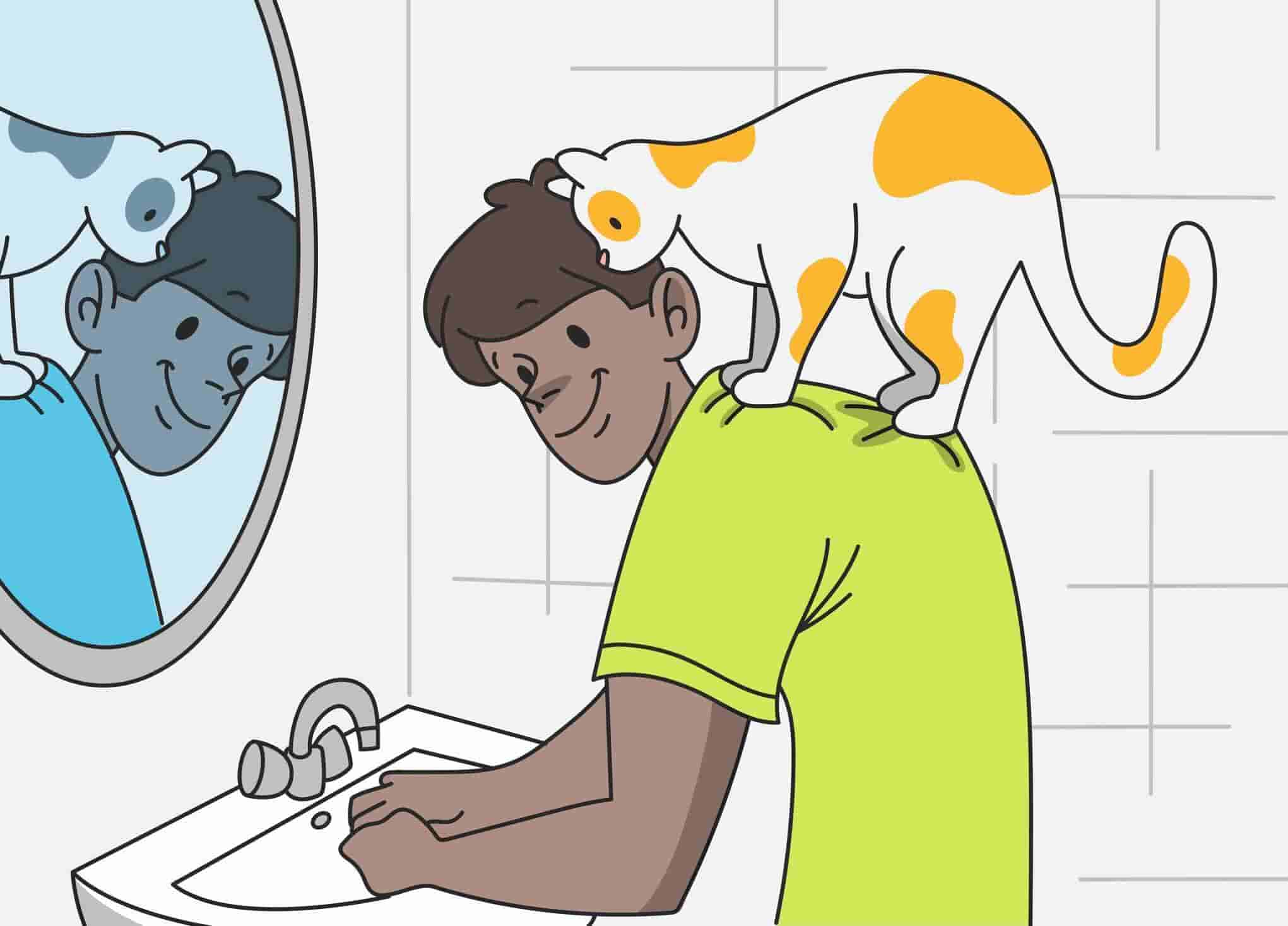
Credit: petcube.com
Impact Of Environment
Your cat’s desire to be near you often relates to their environment. Cats seek comfort, security, and stimulation from their surroundings. A cat’s environment impacts their need for companionship. When they feel secure, they are happier and more affectionate. By understanding the influence of their surroundings, you can create a welcoming space for your furry friend.
Safe Spaces
Cats love having safe spaces to retreat to. These areas provide them with a sense of security. A cozy bed or a quiet corner can become their sanctuary. Ensure these spaces are free from loud noises or disturbances. Cats prefer consistency and predictability in their environment. Familiar scents and soft textures make them feel at home. Offering a safe space helps them feel more connected to you.
Stimulating Toys
Interactive toys play a crucial role in a cat’s environment. They keep your cat engaged and mentally stimulated. Toys that mimic prey can satisfy their hunting instincts. Balls, feathers, or laser pointers keep them entertained for hours. Rotate toys regularly to maintain their interest. Engaging play sessions strengthen the bond between you and your cat. This interaction fulfills their need for companionship.
Health And Well-being
Understanding your cat’s health and well-being is crucial. Cats often stay close to their owners for comfort. This behavior can indicate their health status. A content and healthy cat usually feels secure. But sometimes, a cat’s clinginess might suggest other issues. These could range from stress to health concerns.
Signs Of Stress
Cats show stress in various ways. Excessive grooming is one sign. Another sign is changes in eating habits. Some cats might hide more often. Others might become aggressive or overly affectionate. Recognizing these signs early can help address the root cause. Stress can impact a cat’s health negatively.
Veterinary Advice
Regular vet check-ups are essential. They help ensure your cat is healthy. A vet can provide insights into behavioral changes. They might suggest tests to rule out health issues. Sometimes, a health problem causes clinginess. Early diagnosis can prevent serious issues. Always consult a vet if worried about your cat’s behavior.

Credit: www.reddit.com
Strengthening The Human-cat Bond
Cats are known for their mysterious and independent nature. Yet, many cats love being close to their humans. This behavior is more than just comfort. It’s about strengthening the bond between you and your feline friend. The connection goes beyond mere companionship. It’s a mutual understanding and affection. Cats show love in subtle ways. Being near you is one of them. This closeness fosters trust and builds a strong relationship. Let’s explore how quality time and respecting boundaries enhance this bond.
Quality Time Together
Spending quality time with your cat is crucial. It helps strengthen your bond. Play with them daily. Use toys they love. Interactive play keeps them engaged. It’s also a great way to build trust. Cats enjoy routine. Establish a regular playtime. This consistency fosters a sense of security. Cats love attention. Pet them gently. Talk to them softly. They respond to your voice. It reassures them. Your presence is comforting.
Respecting Boundaries
Cats value their personal space. Respect their boundaries. It shows understanding. Don’t force interaction. Let them come to you. This freedom builds trust. Observe their body language. Respect their signals. If they walk away, let them go. They need time alone sometimes. Acknowledge their independence. It strengthens your bond. Cats appreciate patience. Give them time to adjust. Trust grows gradually. Love them for who they are. Their unique personality is special.
Frequently Asked Questions
What Does It Mean When Your Cat Wants To Be Near You All The Time?
Your cat staying near you shows trust, love, and a need for companionship. Cats often seek warmth and security from their owners. This behavior can also indicate curiosity or attention-seeking. Enjoy the bond and consider it a compliment.
Why Is My Cat Being So Clingy?
Your cat might be clingy due to stress, anxiety, or health issues. Changes in the environment or routine can also trigger clinginess. Ensure your cat feels secure and loved. Consider visiting a vet if the behavior persists.
What Is The 3-3-3 Rule For Cats?
The 3-3-3 rule helps cats adapt to new homes. Cats need 3 days to decompress, 3 weeks to establish a routine, and 3 months to feel fully comfortable. Patience during this period can ensure a smooth transition for your feline friend.
How Do You Tell If Your Cat Has Imprinted On You?
Your cat follows you, seeks attention, purrs often, and shows affection like kneading or head-butting. They may also sleep near you and display relaxed body language.
Conclusion
Your cat’s love for being near you is heartwarming. It shows their trust and affection. Cats seek warmth, comfort, and companionship. They find these in your presence. Their behavior strengthens your bond. Enjoy these moments. They’re precious and unique. Understanding your cat’s needs fosters a deeper connection.
Remember, every cat is different. Some are more independent, others clingy. Respect their personality. Provide a safe, loving environment. You’ll enhance their happiness. And yours too. Cherish your time together. It’s a special relationship worth nurturing. Cats enrich our lives in many ways.
They offer love, joy, and companionship. Appreciate their loyalty and love.

Similar Posts