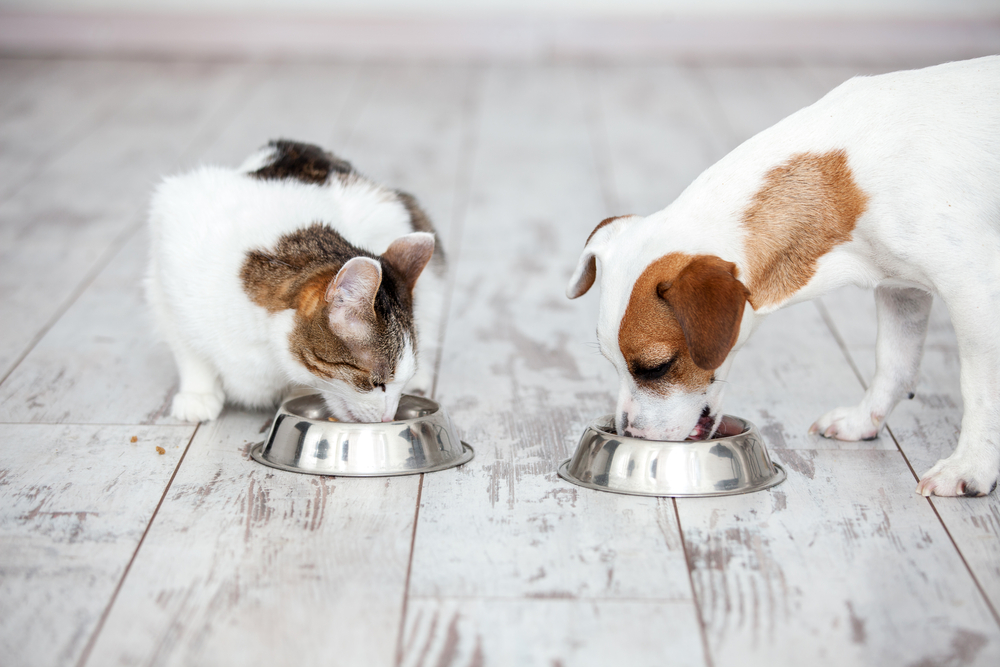
Have you ever caught your dog sneaking a bite of your cat’s food and wondered if it’s safe? You’re not alone.
Many pet owners find themselves in this situation, and it’s important to know the facts. Understanding the differences between cat and dog food can help you make informed decisions about your pet’s diet and health. We’ll dive into whether cat food is bad for dogs to eat, and why your furry friend’s nutrition matters.
Stick around, because what you discover might just surprise you and change the way you feed your pets.

Credit: www.spunkyjunky.com
Nutritional Differences
Cat food isn’t ideal for dogs. It has more protein and fat, which can upset a dog’s stomach. Dogs need different nutrients to stay healthy.
When your dog sneaks a bite of your cat’s food, you might wonder if it’s okay. Understanding the nutritional differences between cat and dog food is crucial. These differences can impact your pet’s health and well-being. Let’s dive into the key areas where cat food and dog food vary.Protein Content
Cats are obligate carnivores, meaning they need a diet high in protein. Cat food typically contains a higher percentage of protein than dog food. Dogs, being omnivores, have more flexible dietary needs and can thrive on a lower protein intake. Imagine your dog eating cat food regularly. It might seem harmless at first. But over time, this high protein can stress their kidneys. Think about the long-term effects on their health. Wouldn’t you want to ensure your dog stays healthy by giving them the right nutrition?Fat Levels
Cat food often has higher fat levels because cats need more fat in their diet. This extra fat helps cats maintain their energy and health. For dogs, too much fat can lead to obesity and pancreatitis. You might notice your dog gaining weight or becoming sluggish after eating cat food. Is that what you want for your playful pup?Vitamin And Mineral Needs
Cats require certain vitamins and minerals that dogs don’t need in the same amounts. For instance, taurine is essential for cats but not for dogs. Dog food doesn’t contain the high levels of taurine found in cat food. If your dog eats too much cat food, they might get an imbalance of vitamins and minerals. This could lead to health issues over time. Are you ensuring your dog gets the right nutrients for their specific needs? In our household, we once found our dog Max sneaking into the cat’s bowl. It was cute but concerning. After adjusting our feeding routine, Max became more energetic and happier. This simple change made a world of difference. How about you? Is it time to take a closer look at what your dog is eating? Understanding these nutritional differences can help you make informed choices for your pet’s health.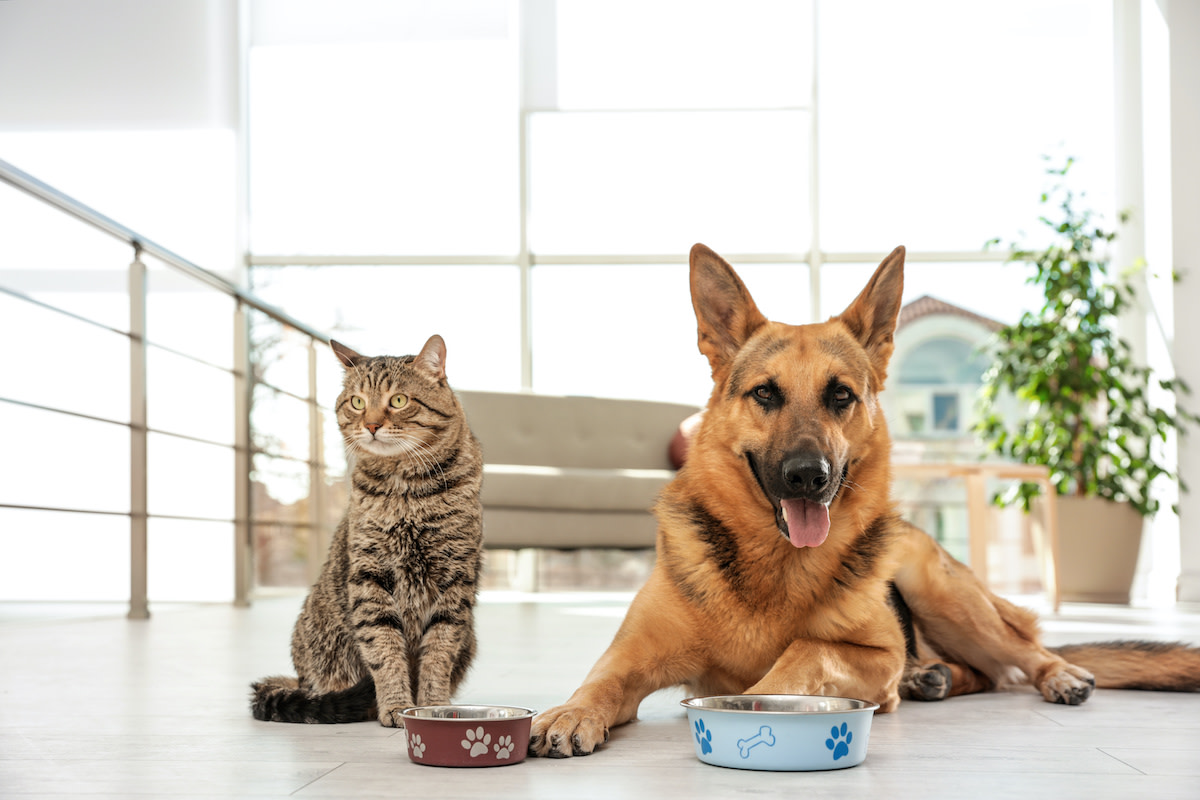
Credit: www.masterclass.com
Health Risks For Dogs
Feeding your dog cat food might seem harmless. But it can pose health risks. Cat food is formulated for cats, not dogs. Dogs have different nutritional needs. Consuming cat food regularly may lead to various health issues. Understanding these risks can help you make better choices for your pet’s diet.
Digestive Issues
Cat food is rich in protein. Dogs eating too much can suffer digestive problems. Their stomachs might struggle to process the extra protein. This can result in diarrhea or vomiting. Over time, it may lead to more severe digestive issues.
Obesity Concerns
Cat food contains higher fat levels than dog food. Dogs consuming it can gain weight quickly. Obesity in dogs leads to heart problems and joint pain. Monitor your dog’s weight if they have access to cat food.
Allergic Reactions
Some dogs are sensitive to ingredients in cat food. Allergies can cause itching, skin rashes, or ear infections. If your dog shows these symptoms, consult your vet. Identifying the cause early can prevent further complications.
Behavioral Implications
Feeding dogs cat food can lead to behavioral changes. Cats’ food lacks nutrients essential for dogs, impacting their energy and mood. Dogs might become less active or exhibit unusual behaviors when consuming cat food regularly.
Behavioral Implications When it comes to feeding your pets, you might wonder if giving your dog a bite of cat food is harmless. While it might seem like a treat, the behavioral implications of feeding dogs cat food can be more complex than you think. Understanding how this choice affects your dog’s behavior can help you make better decisions for their well-being.Feeding Habits
Dogs and cats have different dietary needs. Feeding your dog cat food occasionally might not seem harmful, but it could disrupt their feeding habits over time. A friend of mine once fed his dog cat food as a treat. Soon, his dog began to refuse its usual meals, eagerly waiting for the more flavorful cat food instead. This simple act altered the dog’s feeding habits, making meal times more challenging. Have you noticed your dog turning its nose up at regular food after tasting cat food? This can lead to nutritional imbalances, as cat food doesn’t meet a dog’s dietary requirements. Ensuring your dog sticks to its own food can prevent these issues.Resource Guarding
Sharing food between pets may seem like a bonding experience, but it can lead to resource guarding behaviors. Dogs might start guarding cat food, seeing it as a high-value resource. Once, I observed my dog growling protectively over a bowl of cat food when my cat approached. This behavior was new and concerning, as it sparked tension between my pets. If your dog starts guarding food more aggressively, it’s essential to address it promptly. This behavior can escalate, leading to conflicts not just with other pets but potentially with family members too. Does your dog seem possessive over the cat’s food bowl? Monitoring these behaviors closely can help maintain harmony in a multi-pet household. Consider providing separate feeding areas to reduce competition and stress. Behavioral changes can sneak up when you least expect them. Keeping a close eye on your pet’s actions can help you catch and correct these shifts before they become a problem.Veterinarian Insights
Ever wondered if sharing cat food with your dog might be harmless or even beneficial? While it might seem convenient, veterinarians have valuable insights about this common curiosity. Understanding these insights can help you make informed decisions for your dog’s health and diet.
Professional Opinions
Veterinarians often advise against feeding cat food to dogs. One reason is that cat food generally contains higher protein levels than dog food. Dogs might enjoy the taste, but excessive protein can lead to health issues like kidney strain.
Some vets have shared stories of dogs experiencing digestive upset after consuming cat food. Vomiting or diarrhea can occur because of the richer ingredients meant for cats. Your dog’s stomach might not be equipped to handle such intensity regularly.
Case Studies
There are documented cases where dogs have developed health problems from eating cat food. A notable example is a dog named Max, who developed pancreatitis after regularly consuming his feline friend’s meals. This serious condition could have been avoided with a proper diet.
On the flip side, occasional consumption might not be harmful. A vet in a rural area noticed that dogs who had a small amount of cat food occasionally didn’t show immediate adverse effects. However, this doesn’t guarantee safety; long-term impacts can be invisible at first.
Have you ever caught your dog sneaking a bite of cat food? How did they react? These insights might make you rethink letting them indulge in it regularly.
Consider alternatives if you’re tempted to feed cat food to your dog. Specialized treats can offer a similar taste without the risky ingredients. Choosing wisely can help prevent health issues and ensure your dog’s happiness.
Safe Alternatives
Cats and dogs have different nutritional needs. Feeding cat food to dogs can lead to health issues. Safe alternatives exist to ensure your furry friend stays healthy. Explore these options to keep your dog satisfied and nourished.
Dog-specific Diets
Dog-specific diets are crafted for canine health. They offer balanced nutrition tailored to dogs’ unique needs. High-quality dog food is rich in protein and essential vitamins. It supports energy levels and maintains a healthy coat. These diets also promote strong bones and teeth. Choose brands that prioritize your dog’s health.
Homemade Options
Homemade meals can be a healthy choice for dogs. Cooked chicken, beef, or turkey are great protein sources. Add cooked rice or pasta for carbohydrates. Vegetables like carrots and peas provide vitamins and fiber. Avoid spices and seasoning. They can harm your dog’s digestive system. Consult a vet for recipes that meet nutritional needs.
Preventative Measures
Eating cat food can harm dogs due to different nutrient needs. Cat food is rich in proteins and fats, unsuitable for dogs. To keep dogs healthy, provide them with food specifically designed for their dietary needs.
Preventative Measures Ensuring that your dog doesn’t munch on cat food might seem like a small concern, but it’s crucial for their health. Cat food is rich in fats and proteins that are tailored for feline needs, not canine. By taking preventative measures, you can maintain your dog’s health and prevent potential digestive issues.Monitoring Pet Diets
Start by establishing separate feeding areas for your pets. This helps in managing their diets and prevents them from sneaking into each other’s bowls. Observe their eating habits closely. If you notice your dog showing too much interest in the cat’s dish, it’s time to intervene. Consider feeding them at different times to minimize temptation. Keep cat food out of reach. Store it in a secure, dog-proof container. This simple step can deter your dog from indulging in what they shouldn’t.Educating Pet Owners
Many pet owners are unaware of the potential harm cat food can cause to dogs. Sharing your experiences with other pet parents can open up valuable discussions. Join online forums or local pet groups to spread awareness. Your story could prevent another dog from facing health issues. Stay informed about the nutritional needs of both cats and dogs. Educating yourself ensures you can make better choices for your pets’ diets. Consider consulting with a vet for personalized advice. They can provide insights specific to your dog’s health needs and dietary requirements. Have you ever caught your dog sneaking cat food? How did you handle it? Sharing these experiences can help others protect their pets too.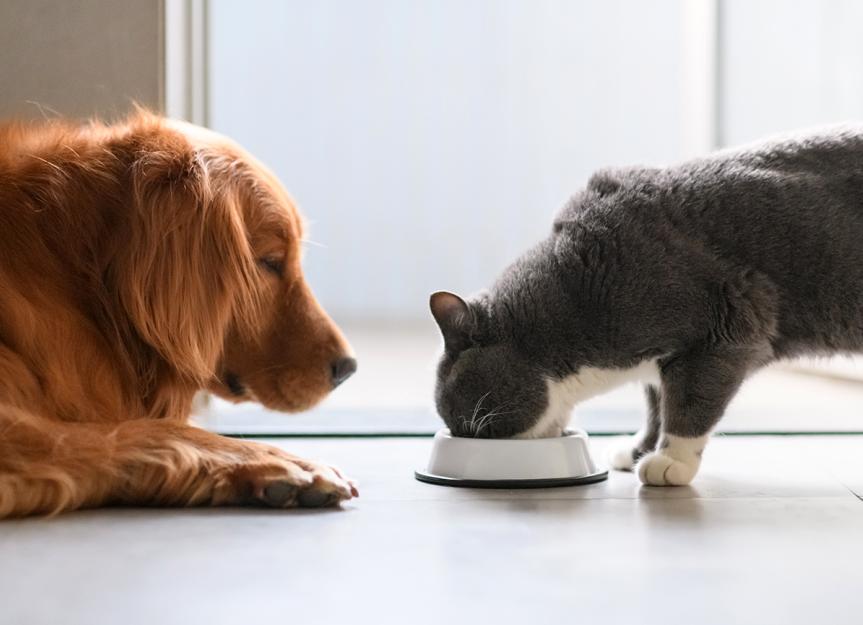
Credit: www.petmd.com
Frequently Asked Questions
What Happens If A Dog Eats Cat Food?
Dogs eating cat food occasionally isn’t harmful. Cat food is high in protein and fat, which can cause digestive upset in dogs. Regular consumption may lead to obesity, pancreatitis, or nutritional deficiencies. It’s essential to provide dog-specific food to ensure balanced nutrition for your pet.
How Bad Is Cat Food For My Dog?
Cat food is not ideal for dogs. It lacks the balanced nutrients dogs need. High fat and protein levels can cause digestive issues. Long-term consumption may lead to health problems like obesity or pancreatitis. Always feed your dog food specifically formulated for their dietary needs.
What Should I Do If My Dog Only Wants To Eat Cat Food?
Gradually mix dog food with cat food to transition your dog. Offer tasty dog treats as alternatives. Consult your vet for advice on dietary adjustments and ensure balanced nutrition. Keep cat food out of reach to encourage proper eating habits.
Can A Dog Temporarily Eat Cat Food?
Yes, a dog can temporarily eat cat food. Cat food isn’t harmful in small amounts but lacks essential nutrients for dogs. Ensure your dog returns to its regular diet soon to maintain its health and nutritional needs. Always consult your veterinarian for any dietary concerns.
Conclusion
Feeding cat food to dogs can cause health issues. Cats and dogs have different nutritional needs. Cat food lacks nutrients dogs require. High protein levels might harm dogs. Some ingredients could upset a dog’s stomach. Occasional small amounts might be fine.
Regular feeding could lead to problems. Always check labels for harmful ingredients. Consult a vet if unsure. Safe dog food options are best. Prioritize your dog’s health. Choose food formulated for them. Keep your furry friend happy and healthy. Make informed choices for their diet.
Protect them from potential risks.