Is It Bad for Puppies to Eat Cat Food: Risks Uncovered
You’ve just adopted an adorable puppy, and you’re trying your best to provide the perfect care. But there’s one little hiccup: your puppy seems more interested in the cat’s food than their own.
You might wonder, “Is it bad for puppies to eat cat food? ” It’s a common question among pet owners, and you’re not alone in your curiosity. Understanding the differences between cat and puppy food is crucial for your furry friend’s health.
In this blog post, we’ll uncover what makes these foods distinct and why sticking to the right diet is essential for your puppy’s growth and well-being. So, let’s dive in and discover how you can ensure your puppy is getting the nutrition they truly need.
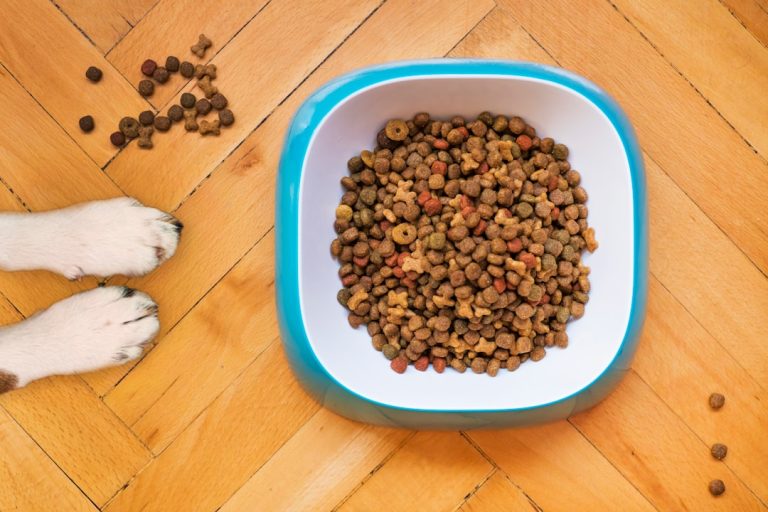
Credit: www.masterclass.com
Nutritional Differences
Puppies and cats have different nutritional needs. Cat food might seem tempting to puppies, but it’s not always the best choice. Understanding the nutritional differences can help pet owners make informed decisions.
Protein And Fat Content
Cat food often contains high protein levels. Cats are obligate carnivores and need more protein. Puppies need a balanced diet with moderate protein. Excess protein can strain a puppy’s kidneys. Cat food also has more fat. This helps cats with their energy needs. Puppies might gain weight from too much fat.
Vitamin And Mineral Variations
Cat food is rich in taurine. Taurine is vital for cats but not as critical for puppies. Puppies need other nutrients like calcium and phosphorus. These support healthy bone development. Cat food lacks these nutrients. It might not support a puppy’s growth. A balanced puppy diet is crucial for their health.
Potential Health Risks
Feeding your puppy cat food might seem harmless, especially when you see them gobbling it up with delight. However, this seemingly innocent act can lead to significant health risks for your furry friend. Puppies have different nutritional needs than cats, and feeding them food designed for felines can result in unforeseen complications. Let’s delve into some of the potential health risks your puppy might face when eating cat food.
Digestive Issues
One of the most immediate problems your puppy might encounter is digestive issues. Cat food is typically richer and higher in protein than dog food. While this might sound beneficial, it can actually upset your puppy’s stomach.
Imagine feeling bloated and uncomfortable after a rich meal—that’s what your puppy might experience. Loose stools or diarrhea can become frequent, leading to dehydration. It’s crucial to monitor your puppy’s digestive health closely. Have you ever had to clean up after an upset puppy? It’s not fun for anyone!
Allergies And Sensitivities
Puppies can also develop allergies and sensitivities from eating cat food. Ingredients like fish and grains, often found in cat food, might not sit well with your puppy. You might notice itching, redness, or even rashes on their skin.
If your puppy is scratching more than usual or seems restless, cat food could be the culprit. Would you feed your puppy something that makes them uncomfortable? Of course not. It’s essential to identify any allergic reactions early to prevent long-term health issues.
Feeding your puppy cat food regularly can lead to more than just momentary discomfort. The potential health risks, ranging from digestive troubles to allergies, are worth considering. By understanding these dangers, you can make informed choices that keep your puppy healthy and happy. What steps will you take to ensure your puppy gets the nutrition they need?
Behavioral Concerns
Puppies eating cat food can lead to health issues. Cat food is high in protein and fat, not suitable for puppies. It lacks nutrients essential for puppy growth. This can cause digestive problems or nutritional imbalances. Ensure puppies have food specifically formulated for their needs.
Eating cat food can lead to behavioral issues in puppies. Puppies are naturally curious, and their interest in cat food may seem harmless at first. However, it can disrupt their feeding habits and escalate into more serious behavioral concerns. Let’s delve into how these issues manifest and what you can do to prevent them.Feeding Habits Disruption
Switching from dog food to cat food can confuse your puppy’s feeding routine. Puppies thrive on consistency, and sudden changes can lead to unpredictable eating habits. Imagine your puppy eagerly waiting for mealtime, only to be disappointed by a different taste. This can cause your puppy to become picky, refusing its regular food and always seeking out the cat’s meal. Over time, this inconsistency might affect their nutrition and growth. You might see your puppy sneaking into the cat’s bowl, attempting to steal morsels. This behavior can become a routine, making it challenging to ensure they receive the balanced diet they need.Increased Food Aggression
Sharing food sources can trigger food aggression in puppies. If your puppy starts associating cat food with competition, it might guard its food fiercely. Have you noticed your puppy growling or snapping when near its meal? This aggression can stem from the tension of sharing food with a cat. Puppies might feel the need to protect their food, leading to aggressive behavior during mealtime. Such aggression doesn’t just affect mealtime; it can spill over into other areas, like toys or favorite resting spots. This creates stress for both the puppy and the household. To curb these behaviors, establish separate feeding areas for your pets. This helps maintain peace and ensures your puppy doesn’t feel threatened or competitive during meals. Consider the long-term effects of these behavioral concerns. Is the convenience of letting your puppy eat cat food worth the potential for disrupted habits and aggression?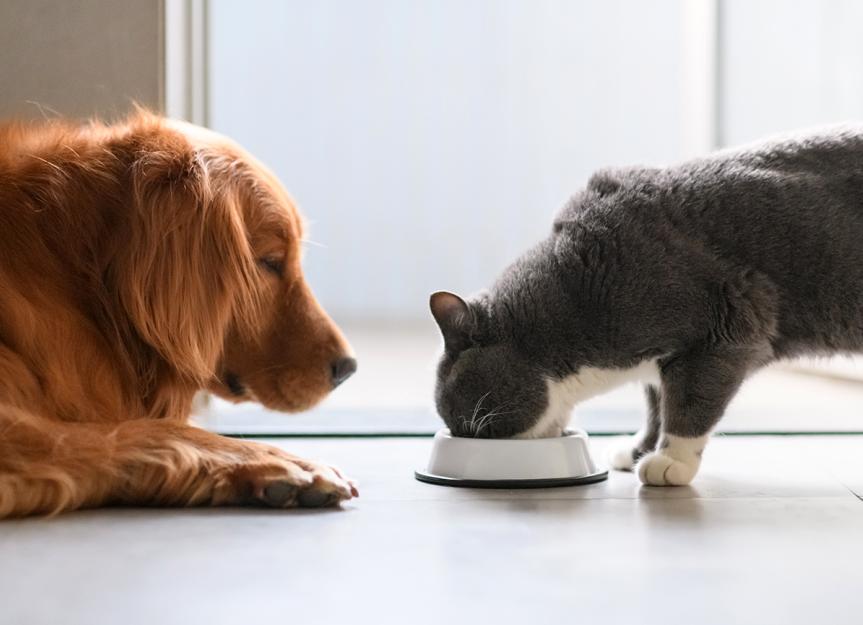
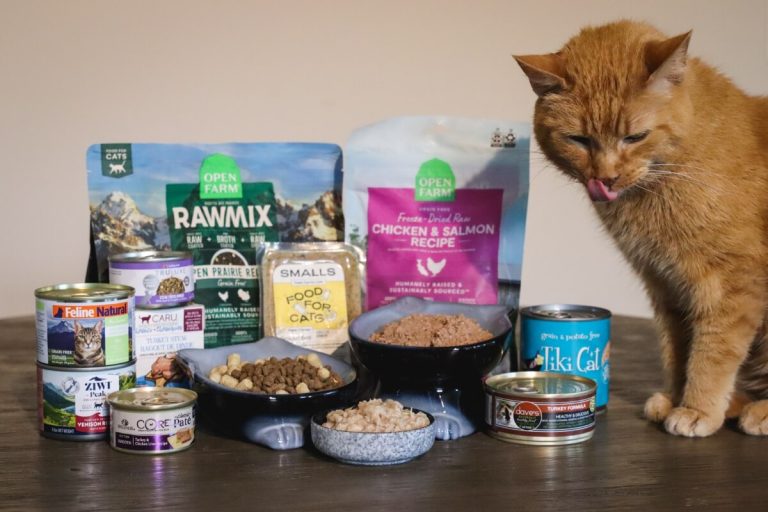
Credit: www.petmd.com
Long-term Implications
Feeding puppies cat food regularly can lead to nutritional imbalances. Puppies need specific nutrients for growth that cat food lacks. Long-term consumption may cause developmental issues or health problems.
Long-term implications arise when puppies consistently eat cat food. It may seem harmless at first. Yet, there are hidden dangers. Puppies have different dietary needs than cats. Feeding them cat food can lead to serious health issues. Understanding these risks is crucial for pet owners. Let’s delve into the potential problems.Nutritional Imbalance
Puppies need a balance of nutrients. Cat food lacks essential vitamins for dogs. It often has too much protein for puppies. This can strain their kidneys. Puppies need more carbohydrates than cats do. Cat food doesn’t provide this. Over time, nutritional imbalance can affect growth. Puppies may become lethargic or weak. Their immune system might weaken. Proper nutrition ensures healthy development.Developmental Delays
Cat food can cause developmental delays in puppies. They need specific nutrients to grow. A lack of these can stunt growth. Puppies require calcium for bones. Cat food doesn’t have enough calcium. This can lead to weak bones. Puppies also need DHA for brain development. Cat food may not provide enough DHA. This can impact learning and behavior. Proper development relies on a balanced diet.Preventive Measures
Preventive measures are essential when it comes to keeping your puppy healthy and safe. Puppies are curious by nature and might find their way into a bowl of cat food. While it might not seem like a big deal, there are reasons to be cautious. Cat food is formulated differently than dog food, containing higher protein levels and less fiber. Consuming cat food regularly can lead to nutritional imbalances in puppies. So, how can you prevent this from happening?
Proper Feeding Practices
Establishing a consistent feeding routine is key. Make sure your puppy has access to their food at specific times. This helps them understand when it’s time to eat and reduces the temptation to eat cat food.
Always measure your puppy’s food portions according to their age, size, and breed. This ensures they get the right nutrients without overeating. If you’re unsure, consult your vet for guidance.
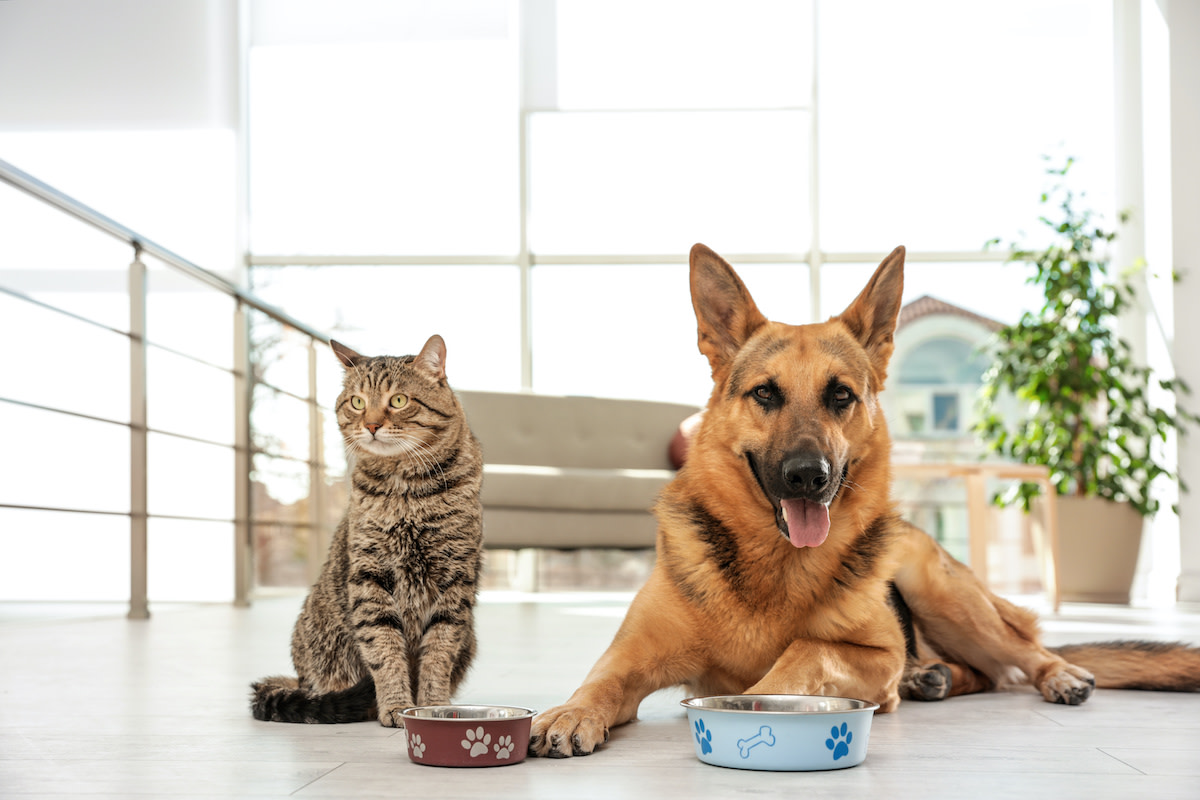
Consider using separate bowls for your puppy and cat. Choose bowls that are distinctly different in color or design to help differentiate between the two.
Creating A Safe Feeding Environment
Location matters. Feed your pets in separate areas to minimize the chance of your puppy wandering over to the cat’s bowl. If possible, feed your cat in a place your puppy can’t reach, like a higher surface.
Think about using pet gates or barriers. These can be effective in keeping your puppy away from the cat’s food zone. It’s a simple yet practical solution.
Train your puppy to understand boundaries. You can teach them basic commands like “leave it” to discourage them from approaching the cat’s food.
Have you ever noticed how your puppy seems to be more interested in the cat’s food than their own? Creating a safe feeding environment not only protects your puppy but also fosters a peaceful coexistence between your pets.
Ask yourself: Are your current feeding practices supporting your puppy’s health and safety? Making small changes today can lead to a happier and healthier future for your furry friend.
When To Consult A Veterinarian
Puppies eating cat food might lead to nutritional imbalances. Consult a veterinarian if your puppy prefers cat food consistently. Ensure balanced nutrition for healthy puppy growth and development.
Puppies sometimes nibble on cat food out of curiosity. This might seem harmless. Yet, their nutritional needs differ from cats. Cat food lacks essential nutrients for puppies. Observing your puppy’s health is crucial. Certain signs may indicate they need veterinary attention.Signs Of Nutritional Deficiency
Lethargy can be a sign of a nutritional issue. Puppies need energy to grow. Dull coat or hair loss might also occur. Their coat should be shiny and healthy. Weakness or muscle loss could be evident too. These signs suggest they aren’t getting vital nutrients.Persistent Health Issues
Frequent digestive problems require attention. Vomiting or diarrhea should not be ignored. Changes in appetite can signal a problem. Puppies should eat regularly and eagerly. Infections or slow healing wounds are concerning. These issues might need professional evaluation. `
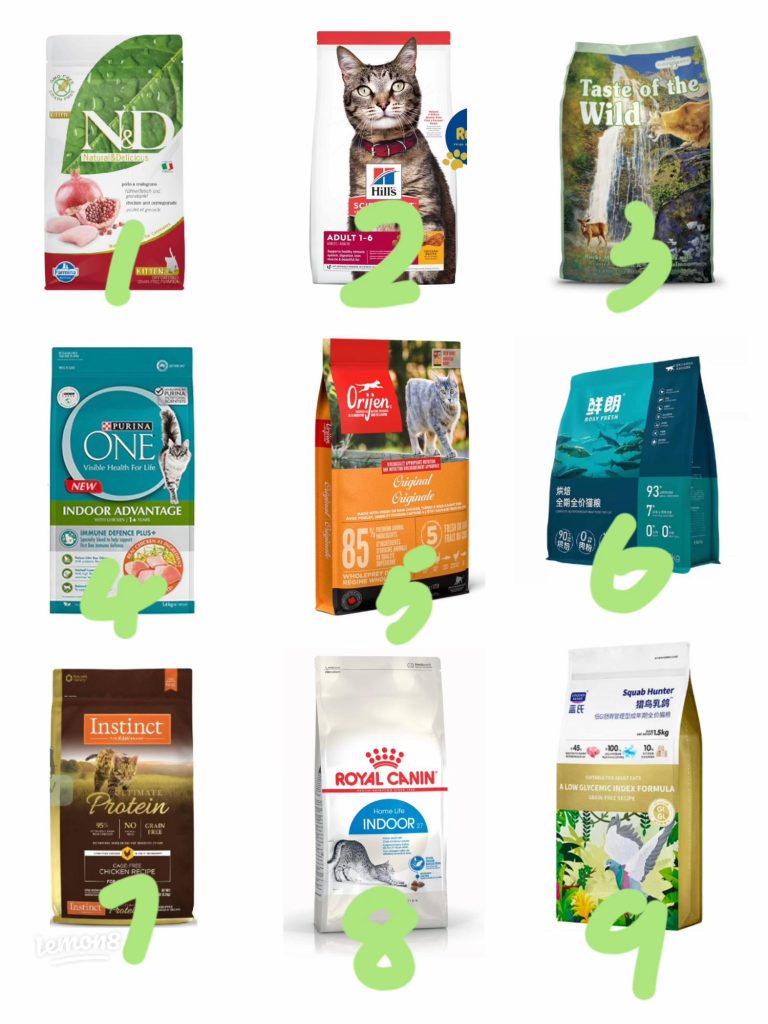
Credit: www.spunkyjunky.com
Frequently Asked Questions
What If A Puppy Eats Cat Food?
Puppies occasionally eating cat food is usually harmless. Cat food lacks essential nutrients for puppies. Regular consumption can lead to nutritional imbalances and digestive issues. Ensure puppies eat a balanced diet formulated for their growth. Consult a veterinarian if your puppy frequently eats cat food or shows signs of distress.
Will Cat Food Harm A Puppy?
Feeding cat food to a puppy can lead to nutritional imbalances. Puppies require specific nutrients for growth. Cat food lacks essential proteins and vitamins needed by puppies, potentially causing health issues. Always choose dog food formulated for puppies to ensure they receive proper nutrition and support for their development.
Will It Hurt A Small Dog To Eat Cat Food?
Small dogs can eat cat food occasionally without harm. Cat food is not ideal for dogs due to different nutritional needs. Regular consumption can lead to health issues, such as obesity or nutrient imbalance. Always prioritize dog-specific food for your pet’s optimal health.
Consult a vet for advice.
Why Is My Puppy Obsessed With Cat Food?
Puppies find cat food appealing due to its high protein content and enticing smell. They might prefer its taste over their own food. Ensure your puppy gets balanced nutrition and discourage cat food consumption to avoid digestive issues.
Conclusion
Feeding puppies cat food isn’t the best choice for their health. Puppies need specific nutrients that cat food lacks. They grow strong and healthy with the right diet. Cat food can cause digestive issues in puppies. Always choose food designed for puppies.
Consult your vet for the best diet advice. Nutrition impacts their growth and well-being. A balanced diet supports their energy and development. Keep them happy and healthy with proper meals. Your puppy deserves the best nutrition. Make informed choices for your furry friend.
Stay attentive to their dietary needs. They’ll thank you with wagging tails and joyful barks.