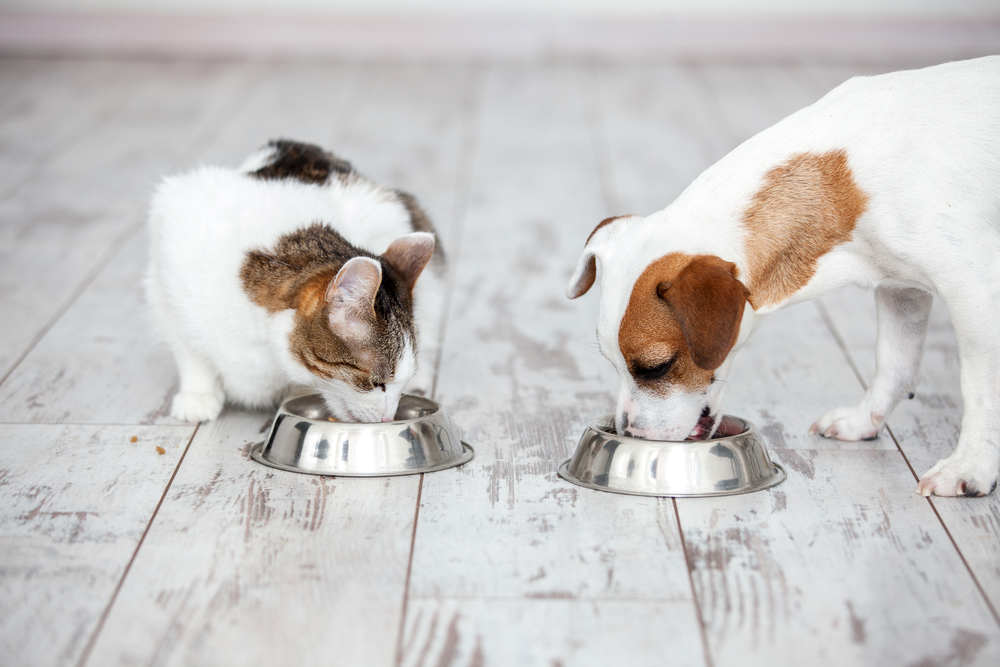
You just brought home an adorable new puppy, and you want to make sure you’re giving them the best start in life. Amidst the cuddles and playful antics, there’s one question that might pop into your mind: can puppies eat cat food?
It’s a common query for pet owners, especially if you have both cats and dogs in your household. Before you scoop some kibble into your puppy’s bowl, it’s important to know the facts. This simple dietary decision could impact your puppy’s health and development.
Stick around, and you’ll discover the truth about whether that tempting bowl of cat food is safe for your little furball. Your puppy’s well-being is in your hands, and we’re here to guide you every step of the way.
:strip_icc()/GettyImages-1137504605-4ea3ceec185f4d1e9dc39fb71f8ae04c.jpg)
Credit: www.thesprucepets.com
Puppies Vs. Cats: Nutritional Needs
Puppies and cats have different dietary needs. Their bodies require specific nutrients. Understanding these differences is crucial for their health. Feeding the wrong food can affect growth and energy. Both species have unique nutritional demands.
Puppies Need More Protein
Puppies are growing fast. They need a diet rich in protein. This supports muscle and tissue development. Cat food often contains more protein. But not all protein sources suit puppies. It’s essential to provide the right kind of protein for them.
Fat Content Matters
Fat provides energy for puppies. They need a good amount of fat in their diet. Cats, on the other hand, have different fat requirements. Their food may not meet a puppy’s needs. Always check fat content before feeding.
Vitamins And Minerals
Puppies need specific vitamins and minerals. These nutrients support bone growth and immune function. Cat food might lack certain essential elements for puppies. It’s important to choose food formulated for puppies. This ensures they get all necessary nutrients.
Different Digestive Systems
Puppies and cats have different digestive systems. Their bodies process food in unique ways. Cat food might be hard for puppies to digest. Proper digestion is key to nutrient absorption. Always consider their digestive capabilities.
Caloric Needs
Puppies are active and playful. They burn more calories than cats. Their food should match their energy levels. Cat food might not provide enough calories. Ensure your puppy’s food supports their active lifestyle.

Credit: www.usatoday.com
Ingredients In Cat Food
Cat food might seem harmless to puppies. But it’s crafted for felines. Each ingredient serves a specific purpose for cats. Understanding these ingredients can help decide if puppies can eat cat food.
Protein Content
Cat food contains high protein levels. Cats need more protein than dogs. This protein often comes from meat sources. Puppies also need protein, but in balanced amounts. Too much can strain their young systems.
Fats And Oils
Fats and oils are vital in cat food. They provide energy and support skin health. Cats need more fats than dogs. Puppies require fats too, but in a different ratio. Imbalance can lead to health issues.
Vitamins And Minerals
Cat food is rich in specific vitamins and minerals. Cats need taurine and vitamin A in high amounts. Puppies need these nutrients too, but in different proportions. Overconsumption can cause imbalances in puppies.
Potential Risks For Puppies
Puppies are curious creatures. They explore their world with enthusiasm. Sometimes this includes nibbling on cat food. While it might seem harmless, feeding cat food to puppies can pose risks. Understanding these risks can help keep your puppy healthy and safe.
Digestive Issues
Puppies have sensitive stomachs. Cat food is not designed for their systems. It can cause digestive issues. Vomiting or diarrhea can occur. This discomfort is unpleasant for your pet. It can also lead to dehydration.
Nutrient Deficiencies
Puppies need specific nutrients. These support their growth and development. Cat food lacks these essential nutrients. Over time, this can lead to deficiencies. Puppies may miss out on vital vitamins and minerals.
Health Implications
Long-term consumption of cat food can harm a puppy’s health. It can lead to obesity. Cat food is rich in fats and proteins. Puppies need a balanced diet. High fat can strain their organs. It may cause heart or kidney issues.
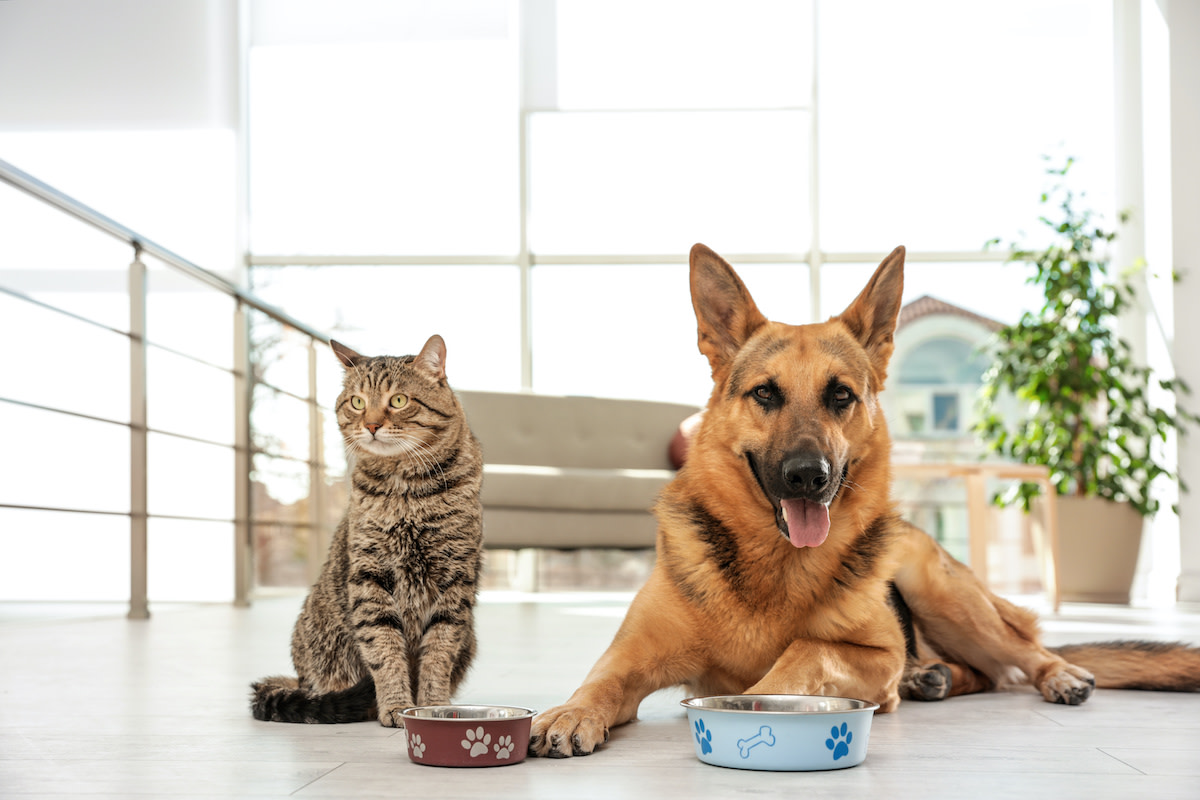
Credit: www.masterclass.com
Safe Alternatives For Puppies
Every puppy deserves a meal that nurtures its growth and health. Feeding puppies cat food might seem convenient, but it lacks essential nutrients for their development. Safe alternatives ensure your furry friend gets a balanced diet. Let’s explore puppy-specific formulas, homemade meals, and balanced diet tips.
Puppy-specific Formulas
Puppy-specific formulas cater to their unique nutritional needs. These formulas are rich in proteins and fats. They support muscle growth and energy. Vitamins and minerals boost their immune system. Always choose high-quality brands. Look for AAFCO approval to ensure balance.
Homemade Meals
Homemade meals can be a delightful treat. Fresh ingredients offer natural goodness. Cooked chicken, rice, and veggies are excellent options. Avoid onions and garlic; they’re harmful to dogs. Consult a vet for balanced recipes. Ensure every meal provides essential nutrients.
Balanced Diet Tips
A balanced diet keeps puppies healthy and active. Include proteins, carbs, and fats in meals. Proteins help in muscle development. Carbs provide energy for play. Fats support brain health. Monitor portion sizes to prevent obesity. Always provide fresh water alongside meals.
Consulting Veterinarians
When considering whether puppies can eat cat food, consulting veterinarians is a crucial step. Veterinarians can provide insights that go beyond simple yes or no answers. They help you understand the nuances of pet nutrition and ensure your puppy’s health is a top priority.
Expert Advice
Veterinarians are trained to give expert advice based on years of experience. They understand the specific dietary needs of puppies compared to cats. A vet might explain that cat food often contains higher protein levels, which can be too rich for a puppy’s developing digestive system. Have you ever wondered why puppies need different nutrients than cats?
Relying on expert advice can prevent common feeding mistakes. A veterinarian may share stories of pet owners who unintentionally caused health issues by feeding cat food to their puppies. These real-life examples underscore the importance of professional guidance.
Nutritional Assessments
Veterinarians conduct nutritional assessments to evaluate your puppy’s dietary needs. These assessments consider factors like age, breed, and activity level. They might even use a simple chart to compare the nutritional content of cat food versus puppy food.
By analyzing these factors, vets can determine if your puppy’s diet is balanced. They might suggest adding specific nutrients missing from cat food, ensuring your puppy receives a complete diet. This tailored advice helps avoid potential deficiencies or excesses.
Customized Feeding Plans
After assessing your puppy’s needs, veterinarians can create customized feeding plans. These plans are crafted to cater specifically to your puppy’s growth and development stages. Ever thought about how a feeding plan can impact your puppy’s energy levels and overall well-being?
Customized plans offer actionable steps, like choosing the right puppy food brand and portion sizes. They might suggest occasional treats that complement your puppy’s diet without upsetting their stomach. Following a feeding plan ensures your puppy is thriving on a diet tailored just for them.
Consulting veterinarians provides invaluable insights when determining your puppy’s diet. Their expertise, assessments, and feeding plans guide you in making informed choices. Have you consulted your veterinarian about your puppy’s nutritional needs lately?
Frequently Asked Questions
What Happens If My Puppy Eats Cat Food?
Puppy eating cat food occasionally isn’t harmful but lacks essential nutrients. Frequent consumption may cause digestive issues and nutritional imbalance. Consult a vet if problems arise.
Is Cat Food Ok For Puppies To Eat?
No, cat food is not suitable for puppies. It lacks essential nutrients puppies need for growth. Puppies require a balanced diet specifically formulated for their development. Feeding them cat food can lead to nutritional deficiencies and health issues. Always provide a high-quality puppy food for optimal health.
Why Does My Puppy Want To Eat Cat Food?
Puppies might find cat food appealing due to its strong aroma and higher protein content. It’s tasty and tempting for them. However, cat food isn’t nutritionally balanced for dogs and can lead to digestive issues. Always ensure your puppy has a diet specifically designed for their needs.
Is It Okay To Mix Cat Food With Dog Food?
Mixing cat food with dog food is not recommended. Cats and dogs have different nutritional needs. Cat food contains taurine essential for cats, while dog food lacks it. This practice can lead to deficiencies or health issues in pets. Always choose food specifically formulated for each pet.
Conclusion
Puppies and cat food don’t mix well. Puppies need different nutrients. Cat food lacks essential puppy nutrients. Feeding puppies cat food can cause health issues. Stick to puppy-specific food. It ensures they grow strong and healthy. Consult your vet for the best puppy diet.
A good diet leads to a happy puppy. Remember, what’s good for cats isn’t always good for puppies. Make informed choices for your furry friend’s wellbeing. Healthy food means a healthy puppy. Always prioritize their nutritional needs. Your puppy deserves the best care possible.
Keep them healthy and thriving with the right diet.