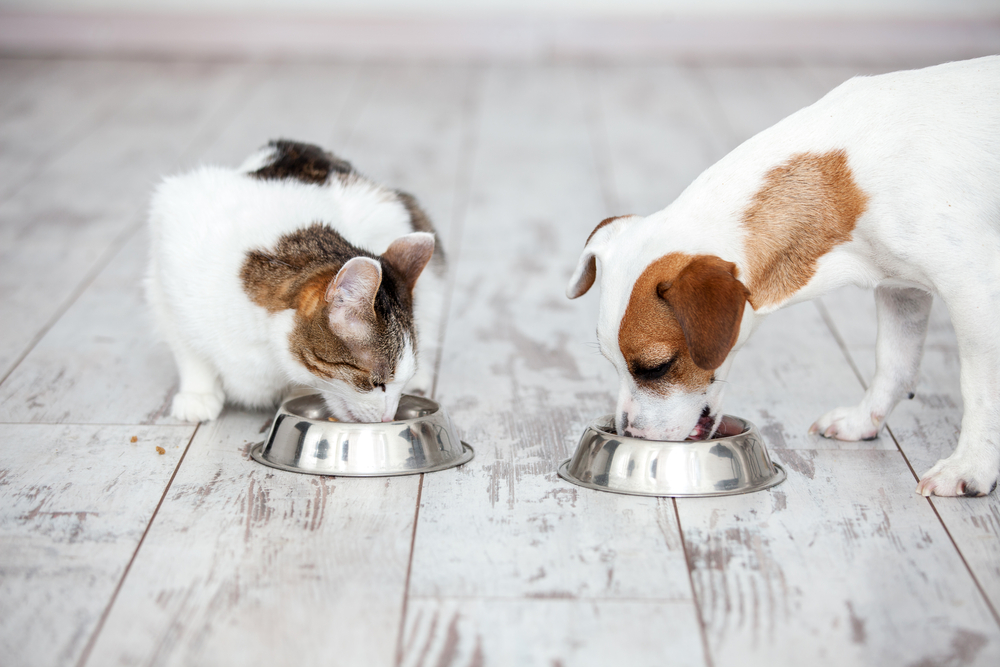
Are you wondering if it’s safe to let your dog indulge in a bowl of cat food? You’re not alone.
Many pet owners find themselves in this dilemma, especially when their furry friends seem to prefer the taste of cat food. But is it just a matter of taste, or is there more to consider? Understanding the nutritional differences between dog and cat food is crucial for your pet’s health.
This article will dive into what you need to know to make the best decision for your canine companion. Stick around to discover why what seems like a harmless snack swap might not be the best choice for your beloved pooch. Your dog’s health could depend on it!
:strip_icc()/GettyImages-1137504605-4ea3ceec185f4d1e9dc39fb71f8ae04c.jpg)
Credit: www.thesprucepets.com
Differences Between Dog And Cat Nutritional Needs
Dog and cat food are not interchangeable. Their dietary needs differ significantly. Understanding these differences is crucial for pet health. Let’s explore the nutritional needs of both animals.
Protein Requirements
Cats are obligate carnivores. They need high protein from meat. Dogs are omnivores. They can digest both plant and animal proteins. This fundamental difference impacts their food choices.
Taurine Necessity
Cats cannot produce taurine naturally. Their diet must include it. Dogs can synthesize taurine on their own. Cat food contains more taurine than dog food.
Vitamin A Levels
Cats need preformed vitamin A. They cannot convert beta-carotene into vitamin A. Dogs can convert beta-carotene found in vegetables. This means their vitamin A sources differ.
Fat Content
Cats require more fat in their diet. It’s essential for their energy needs. Dogs need less fat. Their energy sources are more varied.
Carbohydrate Tolerance
Dogs can digest carbohydrates easily. They use them for energy. Cats have limited tolerance for carbs. Their bodies don’t rely on them as much.
Amino Acid Requirements
Cats require specific amino acids like arginine. It helps in removing ammonia from their bodies. Dogs have different amino acid needs. Their diets reflect this difference.
Palatability Concerns
Cat food often has a stronger smell and taste. Cats are more selective eaters. Dog food is designed to be less pungent. It caters to dogs’ broader taste preferences.
Credit: www.masterclass.com
Why Cat Food Isn’t Suitable For Dogs
Dog nutrition needs differ from cats. Cat food lacks essential nutrients for dogs. It may cause health issues in dogs.
As a loving pet owner, you want the best nutrition for your furry friend. You might wonder if cat food can be a convenient alternative for your dog. After all, both animals are carnivores, right? But, feeding your dog cat food might not be the best choice. Let’s explore why cat food isn’t suitable for dogs.Protein Content
Dogs and cats have different protein requirements. Cat food typically contains higher protein levels to meet feline needs. While dogs need protein too, excessive protein can strain their kidneys. Imagine if your energetic pup suddenly starts feeling lethargic due to an inappropriate diet. It’s crucial to provide food that matches their specific nutritional needs.Taurine And Amino Acids
Cat food is rich in taurine, an essential amino acid for cats. Dogs produce taurine naturally, so they don’t need it in their food. Feeding them taurine-rich cat food is unnecessary and can lead to imbalances. You might notice your dog’s mood or energy levels fluctuating if they consume cat food regularly. Why risk that when you can ensure they’re getting what they need from dog food?Fat Levels
Cats thrive on higher fat content compared to dogs. Cat food often contains more fat, which can lead to weight gain in dogs. Have you ever tried to curb your dog’s eating habits after they’ve gained weight? It’s challenging. Feeding them the right food helps maintain a healthy weight and energy balance. Opt for dog food tailored to their metabolism instead. Consider these aspects when choosing the right food for your dog. Is it worth risking their health for convenience? By understanding the nutritional differences, you can make informed decisions that benefit your pet’s overall well-being.Potential Health Risks For Dogs
Feeding dogs cat food might seem harmless, but it can lead to potential health risks for your furry friend. While it might be convenient, the differences in nutritional needs between dogs and cats mean that consistently giving your dog cat food could result in health issues. Understanding these risks can help you make informed choices for your dog’s diet.
Digestive Issues
Have you ever noticed your dog experiencing an upset stomach after sneaking a bite of cat food? Cat food is richer and often contains more protein and fat than dog food, which can be too much for your dog’s digestive system to handle. This may lead to vomiting or diarrhea, leaving your pet uncomfortable.
Consider your dog’s digestive health as a priority. A sudden change in diet can disrupt their gut balance. If your dog accidentally eats cat food, monitor them for any signs of discomfort and consult your vet if symptoms persist.
Nutrient Deficiencies
Dogs and cats have different nutritional requirements. Cat food lacks certain nutrients that dogs need for optimal health, like taurine, which is essential for cats but unnecessary for dogs.
Feeding your dog cat food regularly could lead to deficiencies in essential vitamins and minerals. This might impact your dog’s energy levels, coat quality, and overall well-being. Ensure your dog receives a balanced diet tailored to their specific needs.
Weight Gain And Obesity
Cat food is calorie-dense, designed for the metabolic rate of a feline. Regularly feeding your dog cat food can lead to unwanted weight gain. This is particularly true if your dog is less active or older, making it harder for them to burn extra calories.
Have you noticed your pet getting a little pudgy after indulging in cat food? Consider adjusting their diet and portion sizes. Regular exercise and a diet appropriate for their age, size, and breed can help maintain their healthy weight.
How can you ensure your dog is getting the right nutrition? Monitor their health, consult with a vet, and choose a dog food that meets their specific dietary requirements. Your dog’s health is in your hands, so make choices that support their long-term well-being.
Occasional Consumption: Is It Safe?
Feeding dogs cat food occasionally may seem harmless. Dogs have different dietary needs than cats. Regular consumption can lead to nutritional imbalances. Keep dog-specific food as the main diet to ensure proper health.
Occasional Consumption: Is It Safe? We all want the best for our furry friends, but sometimes curiosity leads us to wonder about their dietary quirks. You might have noticed your dog sniffing around the cat’s food bowl. Is it safe for them to nibble on cat food occasionally? Let’s dive into the nuances of this tempting question.Small Quantities
If your dog sneaks a bite of cat food, don’t panic. In small quantities, cat food isn’t harmful to dogs. It’s not ideal, but it’s not toxic either. Think of it like a treat rather than a meal. Cat food is rich in protein and fat, which can be enticing for dogs. However, too much fat and protein can upset a dog’s stomach, leading to digestive issues. So, if your dog occasionally munches on cat food, keep it minimal and infrequent.Emergency Situations
Picture this: you run out of dog food and the pet store is closed. Can your dog have cat food for dinner? While not perfect, cat food can serve as a temporary solution. It’s better than skipping a meal. In emergencies, feeding your dog cat food is okay for a short time. However, prolonged consumption can lead to nutritional deficiencies. Dogs need a balanced diet that cat food can’t provide, due to different nutritional formulations. Could you be inadvertently encouraging this behavior? If your dog starts preferring cat food over their own, it might be time to reassess their diet. Ensure their meals are satisfying and nutritionally complete to avoid cross-feeding temptations. Final Thoughts Have you ever caught your dog enjoying a cat food snack? Share your experiences and insights in the comments below. Your story might help others facing similar situations.Alternative Feeding Solutions
Feeding dogs cat food occasionally might not harm them, but it’s not ideal. Dog and cat foods have different nutritional profiles. Dogs need more protein and vitamins than cats, which cat food might not provide. Always choose the right diet for your pet to ensure their health and happiness.
When it comes to feeding your furry friend, you might wonder if it’s okay to give them cat food. While an occasional nibble might not harm them, a consistent diet of cat food could lead to nutritional imbalances. So, what are some alternative feeding solutions to ensure your dog gets the right nutrients? Let’s dive into some balanced dog diet options and explore homemade dog food recipes that you can easily prepare at home.Balanced Dog Diet Options
Dogs, like people, thrive on a balanced diet. This means a mix of proteins, carbohydrates, fats, vitamins, and minerals. You can achieve this balance through commercially prepared dog foods specifically designed for your dog’s age, size, and activity level. Consider brands that emphasize natural ingredients without fillers. These typically list meat as the first ingredient and often contain vegetables and grains for added nutrition. Have you ever tried rotational feeding? This approach involves rotating different protein sources, like chicken, beef, or fish, to give your dog a variety of nutrients. This can keep mealtime exciting and help prevent food sensitivities.Homemade Dog Food Recipes
If you’re up for a little kitchen adventure, homemade dog food can be a rewarding option. It allows you to control the ingredients and ensure everything is fresh and healthy. Start with a simple recipe. Combine cooked chicken, brown rice, and a mix of veggies like peas and carrots. This blend provides a good balance of protein, carbs, and vitamins. Another tasty recipe could be turkey with sweet potatoes and spinach. Cooked together, these ingredients create a nutritious meal that your dog will love. Don’t forget to add a small amount of healthy fats, like olive oil, to your homemade meals. It supports a shiny coat and healthy skin. Remember, before making significant changes to your dog’s diet, consult with your vet. They can provide guidance tailored to your pet’s specific needs and help ensure their diet is balanced and nutritious. Have you considered making your dog’s meals at home? It could be a fun and fulfilling way to bond with your pet while ensuring they stay healthy and happy.Signs Of Nutritional Imbalance In Dogs
Feeding dogs cat food may lead to nutritional imbalance. Signs include dull coat, low energy, and digestive issues. Dogs need specific nutrients not found in cat food.
Feeding your dog cat food might seem harmless at first, but it can lead to nutritional imbalances. Dogs and cats have different dietary needs, and providing the wrong type of food can affect your dog’s health. It’s essential to recognize the signs of nutritional imbalance to ensure your furry friend stays healthy and happy.Behavioral Changes
Have you noticed your dog acting out lately? Nutritional imbalance can lead to unexpected behavioral changes. Dogs might become irritable, lethargic, or unusually hyperactive. Imagine coming home and your usually calm dog is now chewing on furniture or barking excessively. This could be a reaction to an inadequate diet. Ensuring your dog gets the right nutrients can help stabilize their mood and energy levels.Physical Symptoms
Beyond behavior, physical symptoms are a clear indicator of nutritional imbalance. You might observe a dull coat, excessive shedding, or even skin irritations. Have you ever petted your dog and felt patches of dry skin or noticed an unusual amount of fur on your clothes? Weight changes are another red flag. A dog fed cat food might gain or lose weight unexpectedly. This could lead to more serious health issues if not addressed. Regularly check your dog’s weight and coat condition to catch any potential issues early. Incorporating these checks into your routine can save you a trip to the vet. Plus, it ensures your pet stays as healthy as possible. After all, your dog depends on you to make the best choices for their well-being. Are you paying attention to what your dog’s body is telling you?Consulting A Veterinarian
Consulting a veterinarian is crucial before feeding your dog cat food. Dogs have different nutritional needs than cats. Feeding them cat food can lead to health issues over time. A vet can provide the right advice for your pet’s diet.
When it comes to feeding your dog, you might wonder if it’s okay to give them cat food. Consulting a veterinarian can be a game-changer in understanding your pet’s nutritional needs. A vet’s advice can help ensure your dog stays healthy and happy.Professional Guidance
Vets have the expertise to guide you on whether cat food is suitable for your dog. They consider your dog’s size, breed, and health conditions before offering advice. Without their guidance, you might inadvertently harm your pet’s health. A professional can explain how cat food differs from dog food. For instance, cat food is often higher in protein and fat, which might not be ideal for your dog. Knowing these details can help you make informed decisions. Veterinarians can spot potential health issues early. If your dog shows signs of an upset stomach or allergies, a vet can identify if food is the cause. This proactive approach saves you time and worry.Tailored Dietary Plans
Each dog has unique dietary needs. A vet can create a tailored plan that meets your dog’s specific requirements. This ensures your pet gets the right nutrients without unnecessary fillers. Personal story: When my dog started gaining weight, our vet adjusted his diet plan. We learned that the excess fat in cat food was the culprit. Now, he’s back to a healthy weight and more energetic. A tailored diet can address specific health issues. If your dog has allergies or a sensitive stomach, a vet can recommend alternatives to cat food. This personalized care improves your dog’s quality of life. Would you risk your dog’s health by guessing their dietary needs? Consulting a veterinarian ensures you’re making the best choices for your furry friend. It’s a small step that makes a big difference.
Credit: www.usatoday.com
Frequently Asked Questions
What Happens If My Dog Eats Cat Food?
Eating cat food occasionally won’t harm your dog. Dogs may experience mild digestive upset or gain weight. Long-term consumption can lead to nutritional imbalances since cat food lacks essential nutrients for dogs. Always monitor your dog and consult a vet for frequent occurrences.
Keep cat food out of reach.
Is It Okay To Feed Your Dog With Cat Food?
Feeding your dog cat food regularly isn’t recommended. Cat food lacks essential nutrients dogs need. It’s formulated for cats’ dietary requirements, which differ from dogs’. Occasionally, it might not harm, but consistently feeding cat food can lead to nutritional deficiencies in dogs.
Always prioritize dog-specific food for their health.
Can Dogs Eat Cat Food Safely?
Dogs should not eat cat food regularly. Cat food lacks essential nutrients for dogs. It is high in protein, which might harm dogs’ liver and kidneys. Occasional consumption is not harmful, but it shouldn’t replace dog food. Always consult a veterinarian if you’re unsure about your dog’s diet.
Why Is Cat Food Bad For Dogs?
Cat food is formulated for cats’ dietary needs, not dogs. It contains too much protein and fat for dogs. Dogs eating cat food regularly may face nutrient imbalances and health issues. It’s crucial to provide food specifically made for dogs to ensure their health and well-being.
Conclusion
Feeding dogs cat food isn’t the best idea. Dogs need specific nutrients. Cat food lacks some of these. Your dog may miss out on essential vitamins. This can affect their health over time. Always choose dog food for your pet.
It meets their dietary needs. Consult your vet for guidance. They can offer advice on a balanced diet. Remember, your dog’s health depends on what they eat. Prioritize their well-being with the right food.