How to Train Your Cat to Walk on a Leash: Expert Guide
Imagine taking a leisurely stroll around your neighborhood, your feline friend trotting happily beside you on a leash. It might sound like a scene straight out of a dream, but it can be your reality.
Training your cat to walk on a leash opens up a world of adventure and exploration for both you and your pet. If you’ve ever wondered how to turn this dream into a reality, you’re in the right place. In this guide, you’ll discover simple, effective steps to help your cat embrace the great outdoors safely and confidently.
Don’t miss out on the opportunity to enrich your cat’s life and strengthen your bond—read on to find out how.

Credit: www.youtube.com
Choosing The Right Leash And Harness
Training your cat to walk on a leash is possible. It starts with choosing the right equipment. A good leash and harness make the process easier and safer. They ensure your cat feels comfortable. Let’s explore how to select the best leash and harness for your feline friend.
Types Of Leashes
Leashes come in different types. Standard leashes are simple and easy to use. Retractable leashes allow your cat more freedom. Short leashes offer more control. Choose a leash that suits your training style. Consider the length and material. Nylon is strong and durable. Leather feels comfortable in your hand. Think about what works best for your cat.
Selecting The Best Harness
Harnesses are safer than collars for cats. They distribute pressure evenly across the body. There are two main types: H-style and vest-style. H-style harnesses are lightweight. They allow for natural movement. Vest-style harnesses provide more security. They wrap around the cat’s body snugly. Size is crucial. Measure your cat’s girth. Ensure the harness fits well. It should not be too tight or too loose. Look for adjustable straps. This helps achieve a perfect fit. A comfortable harness makes walking enjoyable.
Getting Your Cat Comfortable
Training a cat to walk on a leash can boost its confidence and curiosity. Start with short indoor sessions using treats and praise. Gradually introduce outdoor walks, ensuring the environment is calm and safe.
Training your cat to walk on a leash can be a rewarding experience for both you and your feline friend. However, before you hit the sidewalks, it’s crucial to ensure your cat feels comfortable with this new activity. Cats are naturally curious but can be cautious about unfamiliar situations. Getting them comfortable with a harness and leash is the first step in making your adventures together enjoyable and stress-free.Introducing The Harness
Start by selecting a well-fitted harness. Choose one that’s specifically designed for cats, as they’re typically more secure and comfortable. Place the harness near your cat’s favorite spot, allowing them to sniff and inspect it. This introduces the harness as a non-threatening object. Once your cat is familiar with the sight and smell, gently put it on for short periods. Reward them with treats or affection to create positive associations.Familiarizing With The Leash
After your cat is comfortable wearing the harness, it’s time to introduce the leash. Attach it to the harness and let it drag behind them indoors. This helps your cat get used to the weight and feel of the leash without any pressure. Monitor your cat’s reaction. Are they curious, or do they seem stressed? If they’re adjusting well, hold the leash and walk with them around the house. Keep sessions short and positive. Gradually increase the time as your cat becomes more at ease. Remember, patience is key. Wouldn’t you want to move at your own pace too? Training your cat to walk on a leash is not just about the destination but the journey you take together. Have you ever tried something new that felt strange at first but became second nature with practice? This is exactly how your cat feels. By taking these steps, you’re setting the stage for many exciting adventures ahead.Training Indoors First
Begin by familiarizing your cat with the leash indoors. Use treats to encourage them to walk around. This builds confidence and ensures a safe environment for initial training.
Training your cat to walk on a leash can be a rewarding experience. Before you venture outdoors, it’s important to start indoors. This familiar environment provides safety and comfort for your feline friend. You’ll have more control over distractions, making it easier for your cat to focus on learning. Think of it as a stepping stone to more adventurous walks outside.Creating A Safe Space
Begin by choosing a quiet, clutter-free room. Ensure it’s free from hazards like cords or sharp objects. Place your cat’s favorite toys and a cozy blanket in the area to make them feel at home. This encourages exploration and reduces anxiety. Have you noticed how cats often retreat to the safety of a box or under a bed? A familiar environment helps lessen any leash-related fears.Practicing Walking Techniques
Start by letting your cat get used to the leash and harness. Allow them to sniff and paw at it. Once they’re comfortable, gently put the harness on them. Let them wear it without the leash for short periods each day. Gradually attach the leash and encourage small steps with treats. Use a calm voice and gentle encouragement. Walking indoors lets you focus on their pace, adjusting as needed. What if your cat refuses to move? Don’t force it. Patience is key. Remember, each cat is unique. Some may take to the leash quickly, while others need more time. Celebrate small successes and maintain a positive attitude. Training indoors first sets a strong foundation for outdoor adventures. Are you ready to see your cat strut its stuff beyond the living room?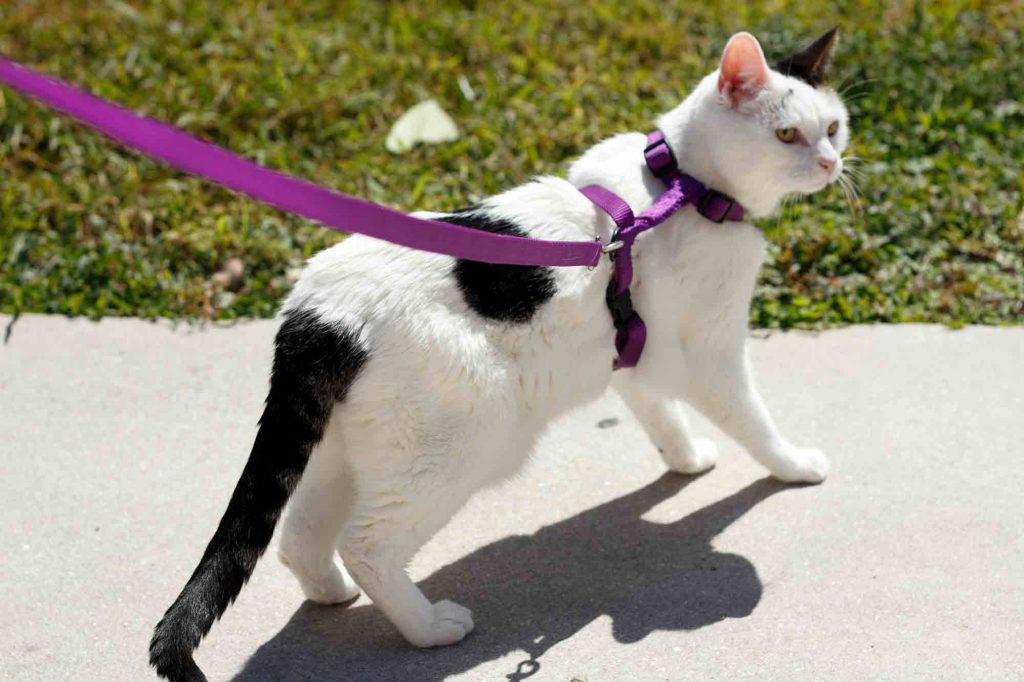
Credit: www.lonetreevet.com
Venturing Outdoors
Venturing outdoors with your cat can be exciting. It offers new experiences for both of you. But it requires preparation and patience. Walking a cat on a leash isn’t like walking a dog. Cats are curious but cautious. They need time to adapt to new environments. Start slowly, ensuring their safety and comfort.
Choosing The Right Location
Select a safe, quiet area for your first walk. Avoid noisy streets and crowded parks. A calm garden or backyard works best. It helps your cat feel secure. Observe the space for potential hazards. Check for stray animals or busy roads nearby. The goal is to make your cat feel comfortable.
Managing Outdoor Distractions
Cats get easily distracted by new sights and sounds. Birds, insects, and leaves can capture their attention. Keep the leash short but allow some freedom. Encourage your cat gently to stay focused. Use treats or toys to guide them. Stay patient and calm. Praise them for staying close. This builds confidence and trust.
Building Confidence
Training a cat to walk on a leash requires patience. Building confidence is key to success. Cats are curious, but they can be cautious. This journey involves understanding their needs. A confident cat will enjoy exploring the world.
Positive Reinforcement
Use treats to encourage your cat. Reward them for calm behavior. Praise them when they wear the harness. A gentle voice soothes nervous cats. Small steps lead to big achievements. Repeat the process daily. Consistency builds trust.
Gradual Exposure To New Environments
Start indoors with the leash. Allow your cat to roam freely. Let them get used to the feeling. Step outside for short periods. Choose quiet areas first. Avoid busy streets or loud noises. Gradually increase the walk time. Observe their reactions closely.
Troubleshooting Common Issues
Teaching your cat to walk on a leash can be challenging. Start with a comfortable harness and let your cat get used to it indoors. Gradually introduce the leash, offering treats for encouragement.
Training your cat to walk on a leash can be an exciting adventure, but it comes with its fair share of challenges. Understanding and addressing these common issues can make the process smoother for both you and your feline friend. Let’s dive into some practical solutions to help you troubleshoot these challenges effectively.Handling Fear And Anxiety
Cats are creatures of habit and introducing them to a leash can be daunting. Begin by allowing your cat to get accustomed to the harness in a familiar environment. Leave the harness near their favorite resting spots and let them investigate. If your cat shows signs of fear, like hissing or hiding, take a step back. Offer treats and affection to associate the harness with positive experiences. Patience is key; rushing can worsen anxiety. Gradually increase the time your cat wears the harness indoors. Monitor their comfort level closely. Is your cat relaxed or tense? Observing their body language will guide your next steps.Dealing With Resistance
Resistance is normal when your cat is new to leash walking. Start by letting your cat wear the harness without the leash. This helps in reducing the feeling of being restricted. If your cat refuses to move once the leash is attached, try using their favorite toy to encourage movement. Gently guide them and reward small steps with treats. Remember, consistent training sessions are more effective than long ones. Aim for 5-10 minutes daily. This keeps your cat engaged without overwhelming them. Has your cat ever surprised you by suddenly cooperating after a few sessions? Celebrate these victories as they build confidence for both of you. Training a cat to walk on a leash requires patience, understanding, and a bit of creativity. What strategies have worked for you and your feline friend?Safety Tips For Leash Walking
Training your cat to walk on a leash can be a fun adventure. Start indoors, letting your cat get used to the harness. Gradually introduce the leash, rewarding calm behavior with treats. Always ensure your cat feels safe and never pull the leash harshly.
Training your cat to walk on a leash can be rewarding. It provides exercise and fresh air for your feline friend. But safety should always be your top priority. Follow these tips to ensure your cat’s safety during leash walks.Monitoring Weather Conditions
Check the weather before heading out with your cat. Avoid walking in extreme temperatures. Hot pavement can burn your cat’s paws. Cold weather can be uncomfortable and risky. Choose a time when the weather is mild. Early morning or late afternoon is often best.Protecting From Other Animals
Keep an eye out for other animals during your walk. Dogs may approach, which can stress your cat. Stay alert and be ready to pick up your cat if needed. Steer clear of areas with many dogs or wildlife. Choose quieter paths where you both can relax.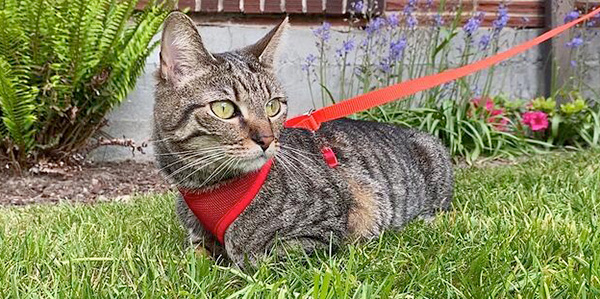
Credit: www.preventivevet.com
Frequently Asked Questions
Can A Cat Be Trained To Walk On A Leash?
Yes, cats can be trained to walk on a leash with patience and practice. Start indoors using treats and encouragement. Gradually introduce outdoor walks, ensuring the environment is safe and calm. Use a comfortable harness to prevent injuries. Training takes time, but cats can enjoy leash walks.
Is It A Good Idea To Walk Your Cat On A Leash?
Walking your cat on a leash can be a good idea. It offers exercise and mental stimulation. Ensure your cat is comfortable with the harness. Always prioritize your cat’s safety and well-being. Start indoors before venturing outside. Some cats may not enjoy it, so observe their behavior closely.
Is It Too Late To Teach My Cat To Walk On A Leash?
Teaching a cat to walk on a leash is possible at any age. Start with patience and positive reinforcement. Each cat is unique, so progress may vary. Introduce the harness gradually, indoors first. Short, calm sessions help build confidence. Always prioritize your cat’s comfort and safety during leash training.
How Do You Train A Cat To Go Outside And Not Run Away?
Train your cat with a harness or leash for outdoor exploration. Gradually increase time spent outside. Provide treats and positive reinforcement. Create a safe, fenced area for them. Ensure they recognize home as a safe space. Regularly practice recall commands to prevent them from running away.
Conclusion
Training your cat to walk on a leash takes patience and time. Start slow and let your cat adjust. Praise them often to build confidence. Use treats to encourage their progress. Short sessions work best for learning. Watch for signs your cat is stressed.
Relax and try again later if needed. Keep sessions positive and enjoyable. Slowly increase the distance over time. Soon, your cat will love these adventures. Enjoy the fresh air together. Make memories on each walk. Your bond will grow stronger.
Happy walking!