Can Cats Be Trained: Unlock Feline Potential Today
Have you ever wondered if your feline friend can learn new tricks or follow commands? The idea of training a cat might sound like a distant dream, but what if you could unlock the secrets to transforming your cat into an attentive companion?
Many pet owners believe that training is only for dogs, but cats are more intelligent and receptive than you might think. Imagine the possibilities if your cat could come when called, use the litter box perfectly, or even perform a few fun tricks.
Curious? Keep reading to discover how you can tap into your cat’s potential and enhance your bond like never before.

Credit: www.animalbehaviorcollege.com
Feline Intelligence
Cats can be trained using positive reinforcement techniques. They learn commands like sit, stay, and even fetch with patience. Understanding feline behavior is key to successful training.
Cats are often misunderstood as aloof or independent creatures, but there’s more to them than meets the eye. Feline intelligence is a fascinating subject that challenges these stereotypes. Understanding your cat’s intellectual capabilities can transform how you interact with them and open up new possibilities for training.Understanding Feline Intelligence
Cats are not just cute companions; they possess a unique intelligence. They can learn and adapt quickly. Your cat might surprise you with how it can solve problems or remember routines. Do you ever wonder how your cat seems to know when it’s feeding time? Or how it finds its favorite sunny spot every day? These are glimpses into its smartness.Memory And Learning Abilities
Cats have impressive memories. They can recall events, locations, and interactions. This memory plays a crucial role in their learning process. Have you tried teaching your cat a trick? If you have, you know repetition and reward are key. Cats remember what gains them treats and affection.Problem-solving Skills
Cats are natural problem solvers. They use their intelligence to get what they want, whether it’s opening a cabinet or finding the best nap spot. Challenge your cat with puzzle toys. You’ll see how swiftly it figures things out, sometimes faster than expected.Communication With Humans
Cats communicate with you in subtle ways. From meowing to body language, they’re constantly sending signals. Pay attention to your cat’s cues. It might be telling you more than you realize. Recognizing these signals can improve your bond and make training easier.Emotional Intelligence
Cats are sensitive to your emotions. They can sense when you’re happy or sad and might respond accordingly. Have you noticed your cat cuddling with you when you’re down? That’s emotional intelligence at play. This bond is essential for effective training.How Can You Train Your Cat?
Training a cat requires patience and understanding of its intelligence. Start with simple commands and use positive reinforcement. Use treats, toys, and affection as rewards. Gradually increase the complexity of tasks as your cat learns. Think about how you communicate with your cat. Are you encouraging its learning? Your approach can make a significant difference. Cats are intelligent in their own right, and acknowledging this can change your perspective. How will you engage with your feline friend today?
Credit: www.littergenie.com
Understanding Cat Behavior
Training cats is possible, though it requires patience. Cats respond well to positive reinforcement, like treats or praise. Understanding their natural instincts helps tailor the training approach for better results.
Understanding how cats think and behave is crucial if you want to train them effectively. Cats are unique creatures with their own sets of instincts and social behaviors. Grasping these can make a world of difference in how you approach their training. It’s not just about getting your cat to sit on command; it’s about working with their natural tendencies and building a bond based on mutual respect and understanding.Natural Instincts
Cats are hunters by nature. This instinct influences many of their behaviors, from pouncing on toys to scratching furniture. Recognizing these instincts can help you create a training environment that satisfies their need to hunt and explore. For instance, using toys that mimic prey can capture their attention and make learning more engaging. Your cat’s instincts also drive their independence. Unlike dogs, cats won’t always seek your approval. They value their space and autonomy. When training, try to respect this independence by offering choices. If your cat feels cornered or pressured, they might resist learning altogether. Have you noticed how cats often choose when and where they want to interact?Social Interactions
Cats are often seen as solitary creatures, but they do have their own ways of socializing. They communicate through a mix of body language and vocalizations. Understanding these signals can help you respond to their needs more effectively. For example, a flicking tail might indicate irritation, while slow blinking can be a sign of trust. When it comes to social behavior, cats can be quite territorial. They might not welcome a new cat immediately, but they can form strong bonds with both humans and fellow pets over time. Patience is key in these social interactions. Have you ever noticed how a cat may take its time to warm up to a new environment or person? Learning to read your cat’s cues can make training a smoother process. You’ll know when they’re receptive to learning and when they need a break. How do you think your cat’s unique social style influences their willingness to learn?Benefits Of Training Cats
Training cats might seem unusual, but it offers several benefits. It enriches their lives and strengthens the bond between you and your feline friend. Training provides mental stimulation, making it a valuable activity for your pet. Let’s explore these benefits in more detail.
Enhanced Bonding
Training builds a stronger connection between you and your cat. It fosters trust and understanding. As you spend time teaching tricks, your bond grows deeper. This shared experience creates lasting memories. Your cat learns to rely on you, enhancing mutual affection.
Mental Stimulation
Cats need mental challenges to stay healthy. Training provides them with engaging activities. It sharpens their minds and keeps boredom away. Learning new skills stimulates their brains. This mental exercise is crucial for their well-being.
Basic Training Techniques
Cats can indeed be trained using basic techniques. Start with short sessions and positive reinforcement. Consistency and patience help in teaching simple commands and tricks.
Cats are known for their independence and unique personalities. Training them can seem challenging. Yet, it’s entirely possible with the right techniques. Basic training techniques can help improve your cat’s behavior. They can also strengthen your bond with your feline friend. Let’s explore some effective methods to train your cat.Positive Reinforcement
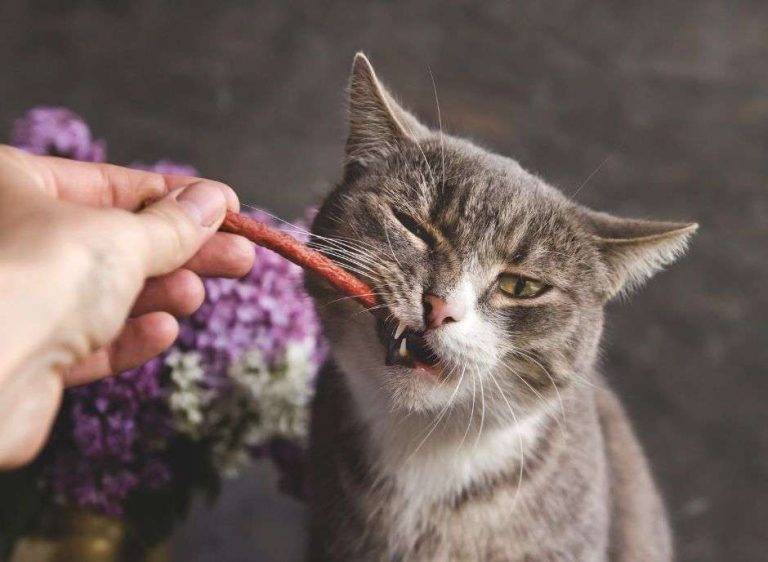
Positive reinforcement involves rewarding your cat for good behavior. This method is simple and effective. When your cat does something you like, give them a treat. Use treats they love. It could be a small piece of chicken or a special cat snack. Praise them with a gentle voice. Your cat will associate the behavior with a positive outcome. Over time, they will repeat the behavior to earn more rewards.Clicker Training
Clicker training is another popular technique. It uses a small device that makes a clicking sound. Each click signals to your cat that they’ve done something right. Start by pairing the click with a treat. Click, then give a treat immediately. This helps your cat link the sound with a reward. Once they understand, use the clicker during training sessions. With patience, your cat will learn new tricks and commands.Common Challenges
Training cats can be a rewarding experience. Many cat owners face challenges in this process. Cats have independent personalities and may not respond as dogs do. Understanding these challenges can help tailor training methods effectively.
Each cat is unique, presenting distinct hurdles during training sessions. Some cats might be more receptive, while others show resistance. Knowing the common challenges can prepare owners for a smoother training journey.
Patience And Consistency
Patience is vital when training cats. They may not learn commands quickly. Repeating activities helps them grasp what is expected. Consistency reinforces lessons and helps cats remember them better.
Regular schedules ensure cats know what to anticipate. This predictability aids in building trust. Gradually, cats become accustomed to routines, making training smoother.
Dealing With Stubbornness
Some cats exhibit stubborn behavior during training. Their independent nature can make them resist instructions. Understanding this trait helps in adapting training techniques.
Using positive reinforcement encourages compliance. Rewarding desired behavior with treats or praise works well. This approach motivates cats to follow commands willingly.
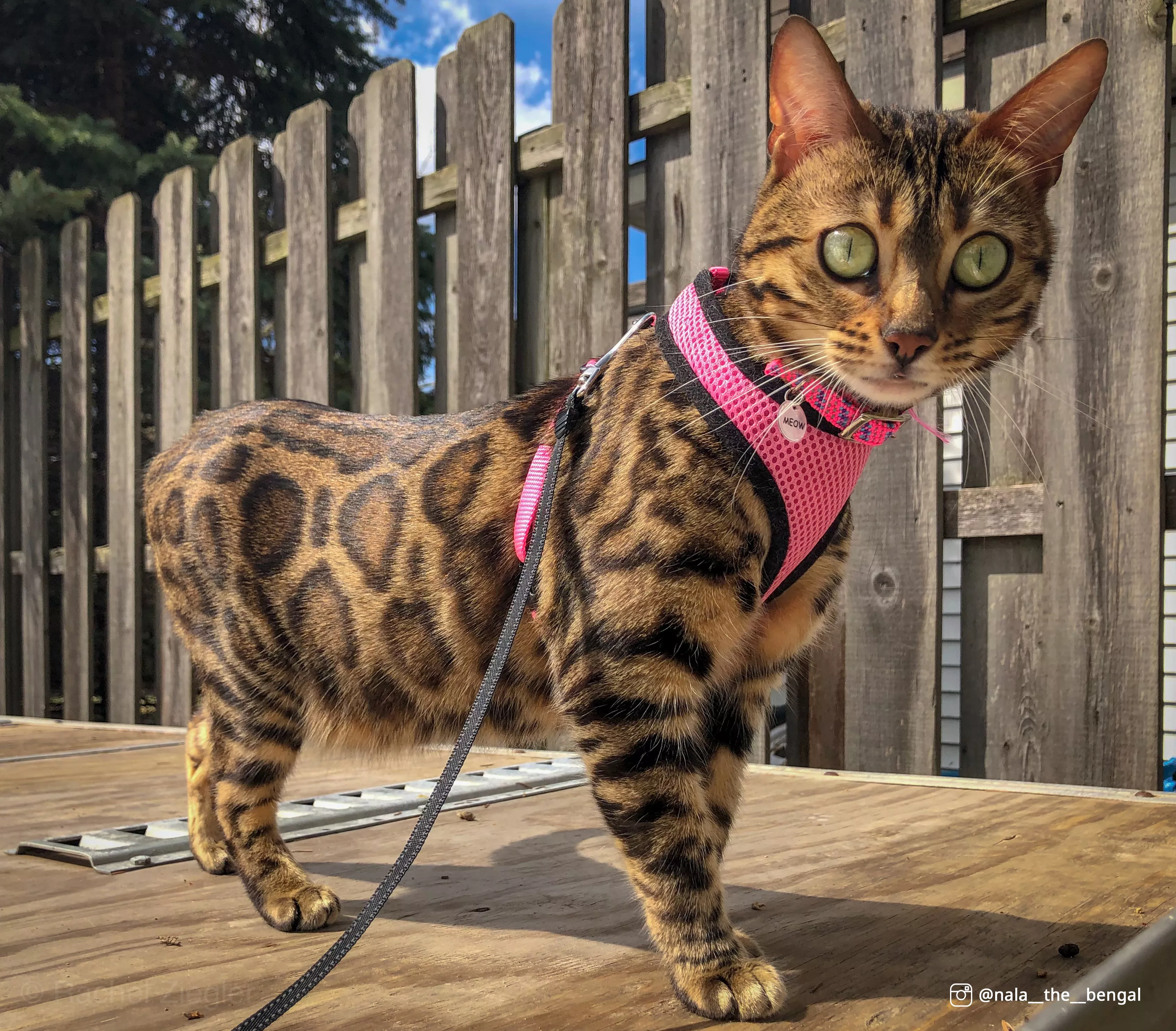
Credit: www.coastalpet.com
Advanced Training Skills
Cats can learn new tricks through advanced training techniques. Simple commands like “sit” or “stay” are possible with patience and consistency. Engaging activities make training enjoyable for both cats and owners.
Cats are often seen as independent creatures. Yet, with patience, they can learn advanced skills. Training a cat requires understanding its unique personality. Advanced training skills can enhance your bond. Let’s explore some exciting training techniques.Leash Training
Leash training can make outdoor time safer for cats. Start by introducing the harness indoors. Let your cat get familiar with its feel. Reward your cat with treats to create positive associations. Gradually, attach the leash and allow your cat to walk freely. Keep these sessions short. Move outdoors when your cat is comfortable. Remember, patience is crucial. Not all cats will take to a leash immediately.Trick Performance
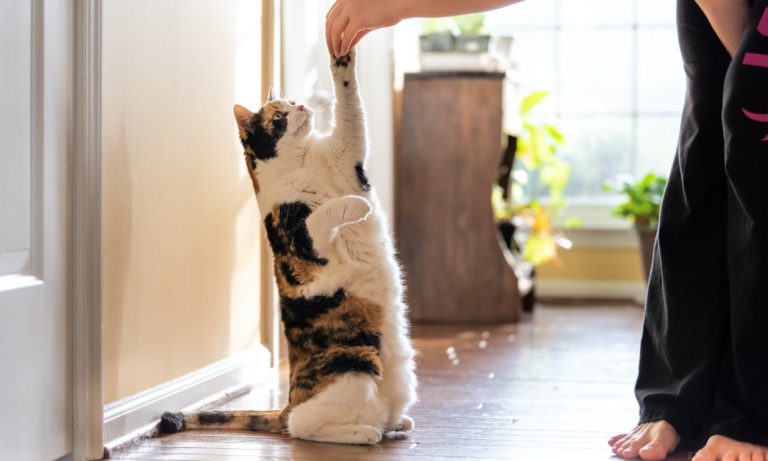
Teaching tricks can stimulate a cat’s mind. Begin with simple commands like “sit” or “high five.” Use treats as motivation. Cats respond well to positive reinforcement. Keep training sessions brief, around five minutes. Cats have short attention spans. Introduce one trick at a time to avoid confusion. Consistency in training is key. Repetition helps cats remember and perform tricks better.Tools And Resources
Cats can indeed be trained with the right tools and resources. Patience and consistency are key. Clickers, treats, and toys can help in teaching cats simple commands or tricks.
Cats can be trained with the right tools and resources. Many cat owners want well-behaved pets but don’t know where to start. Using the proper aids and accessing supportive communities can make training easier and more effective. With patience and the right resources, your cat can learn new behaviors and tricks.Training Aids
Training aids simplify the process for both cats and their owners. Clickers are popular tools that make a sound to mark good behavior. Cats learn to associate the click with a reward. Treats are another effective training aid. Cats love treats, and they can be used as motivation for learning. Some owners use toys like laser pointers or feather wands during training. These toys engage cats and make learning fun. Harnesses and leashes can also help in training cats to walk outside. These aids create a structured environment for your cat.Online Communities
Online communities offer valuable support for cat training. Forums and social media groups let you connect with other cat owners. You can share experiences, tips, and advice on training. Websites dedicated to cat training offer step-by-step guides. These guides cover everything from basic commands to advanced tricks. Many websites also feature videos demonstrating training techniques. Watching these videos can help you understand how to apply different methods. Engaging with online communities keeps you motivated and informed.Success Stories
Cats can be trained with patience and consistency. Positive reinforcement, like treats, encourages them to learn tricks. Many owners share stories of teaching cats to fetch or use a litter box.
Training cats might sound like a daunting task, but many pet owners have experienced surprising success. The stories of cats learning new tricks and behaviors can inspire you to try training your own feline friend. These tales prove that with patience and the right techniques, cats can indeed be trained.Unique Tricks Learned
Cats have mastered tricks that you might not expect. Some have learned to fetch toys, just like dogs. Others can sit on command or even shake paws. Think about what you’d like your cat to learn. Could you teach them to ring a bell for food? What about jumping through hoops? These success stories show it’s possible.Overcoming Behavioral Challenges
Training isn’t just about tricks. Cats have also overcome behavioral issues with proper training. Some have stopped scratching furniture or jumping on kitchen counters. Consistency is key. Set clear boundaries and stick to them. Your cat will eventually understand what’s expected.Personal Triumphs
Consider the story of Mia, a shy rescue cat who learned to trust humans again. Through gentle training and positive reinforcement, she now greets her owner at the door. Mia’s transformation highlights the emotional benefits of training. It’s not just about commands; it’s about building a bond.Interactive Techniques
Interactive techniques can make training enjoyable for both you and your cat. Clicker training is popular, using sound to reinforce good behavior. Play is another effective method. Engage your cat with toys that require them to perform specific actions. You’ll be surprised how quickly they learn.Your Cat’s Potential
What potential does your cat have? Every cat is unique, with their own quirks and personalities. Start with simple commands and gradually increase complexity. You’ll be amazed at what your feline friend can achieve.Feline Training Myths
Many believe cats can’t learn tricks or commands, but this isn’t true. With patience and positive reinforcement, cats can be trained. This myth often stems from their independent nature, leading to misconceptions about their trainability.
Cats are often seen as independent creatures. This leads to many myths about their trainability. People think cats cannot be trained, but this is not true. Understanding these myths can help you train your cat better.Myth 1: Cats Cannot Learn Commands
Many believe cats cannot learn like dogs do. This isn’t true. Cats can learn commands with patience and rewards. Use treats to encourage your cat. Start with simple commands like “sit” or “come.”Myth 2: Cats Don’t Respond To Positive Reinforcement
Some say cats do not respond well to rewards. Cats love treats and praise. Rewarding good behavior encourages them to repeat it. Find what motivates your cat. It could be treats or affection.Myth 3: Cats Are Too Independent To Train
People think cats are too independent to care about training. Cats enjoy interaction with their owners. Training can be a bonding experience. It makes your relationship stronger.Myth 4: Older Cats Can’t Be Trained
Many assume older cats cannot learn new tricks. Older cats can learn with the right approach. Be patient and consistent. They might take more time, but they can learn.Myth 5: Cats Only Learn Through Punishment
Some believe cats need punishment to learn. This is harmful and untrue. Punishment can create fear and stress. Positive reinforcement works better. It builds trust and encourages learning. Understanding these myths helps in training your cat effectively.Tips For Training Success
Training a cat can be rewarding. While cats are known for their independence, they can learn new behaviors. Understanding their personality and setting realistic goals can help. These tips will guide you in training your feline friend successfully.
Understanding Individual Personality
Each cat has a unique personality. Some are playful, others are reserved. Observe your cat’s behavior closely. This helps in tailoring training methods. A curious cat may learn tricks quickly. A shy cat might need more patience. Recognizing these traits is key. Adapt your approach based on their temperament.
Setting Realistic Goals
Start with simple tasks. Aim for achievable targets. Teach them to sit or come. Avoid complex tricks initially. Incremental steps build confidence. Celebrate small victories. This encourages progress. Keep sessions short and fun. Cats have short attention spans. Consistency is crucial in training. Regular practice leads to success.
Frequently Asked Questions
What Age Is Too Late To Train A Cat?
Cats can learn at any age, though younger ones adapt quicker. Training an older cat requires patience and consistency. Use positive reinforcement like treats and praise. Start with simple commands and gradually increase complexity. Always maintain a calm environment to encourage learning.
No age is too late to train a cat.
Is It Possible To Train A Cat To Behave?
Yes, you can train a cat to behave with patience and consistency. Use positive reinforcement techniques, like treats or praise, to encourage desired behaviors. Establish clear boundaries and provide engaging toys to prevent boredom. Consistent training helps in nurturing a well-behaved cat over time.
Can Cats Be Trained Not To Do Something?
Yes, cats can be trained to avoid certain behaviors. Use positive reinforcement techniques like treats or praise. Consistency and patience are key in shaping their actions. Redirect unwanted behaviors to suitable alternatives. Training strengthens your bond with your cat, making it a rewarding experience.
How Much Is It To Train A Cat?
Cat training costs vary. Private sessions can range from $50 to $100 per hour. Group classes typically cost $100 to $200 for a series. Prices depend on location, trainer expertise, and training duration. Consider online courses for budget-friendly options, often starting at around $20.
Always research trainers for quality assurance.
Conclusion
Cats can be trained with patience and understanding. Start with simple commands. Reward them with treats for good behavior. Consistency is key to success. Short training sessions work best. Use positive reinforcement to encourage learning. Each cat learns at its own pace.
Celebrate small victories along the way. Building trust is important. Training strengthens your bond with your cat. Remember, every cat is unique. Enjoy the journey together. Your efforts will pay off. A well-trained cat is a happy cat. Keep practicing and stay patient.
Happy training!