How to House Train a Cat: Expert Tips Revealed
Are you tired of the constant mess and want to finally house train your cat? You’re not alone.
Many cat owners face the same challenge, and the good news is, it’s completely achievable. Imagine a home where your furry friend knows exactly where to go, saving you time and stress. With the right approach, patience, and a few clever tricks, you can teach your cat to be a tidy housemate.
In this guide, we’ll uncover the secrets that make house training a cat simple and effective. Ready to transform your home into a clean, stress-free haven? Let’s get started!
Choosing The Right Litter Box
Selecting the right litter box aids in house training your cat. Consider its size and accessibility for easy use. A comfortable environment encourages regular use, helping your cat adapt quickly.
Choosing the right litter box for your feline friend is more crucial than you might think. A well-chosen litter box can make the difference between a happy, well-trained cat and a frustrated one. Let’s dive into the details to ensure your cat feels at home when nature calls.Size And Depth Considerations
When selecting a litter box, size matters. A box that’s too small can make your cat feel cramped. Aim for a litter box that is at least one and a half times the length of your cat. Depth is another critical factor. If your cat is still a kitten, a shallow box makes for easy access. Adult cats might prefer a deeper box to accommodate their digging habits without scattering litter everywhere.Covered Vs. Uncovered Options
The choice between a covered and uncovered litter box can significantly impact your cat’s comfort. Covered boxes offer privacy and help contain odors, but some cats might feel trapped. Uncovered boxes provide an open environment that some cats find less intimidating. However, they might not control odor as effectively. Consider your cat’s personality and your home environment when making this decision. Have you ever noticed your cat hesitating before using the litter box? That could be a sign they’re not comfortable with their current setup. Observe their behavior and adjust accordingly. Your cat’s comfort and confidence in their litter box are key to successful house training.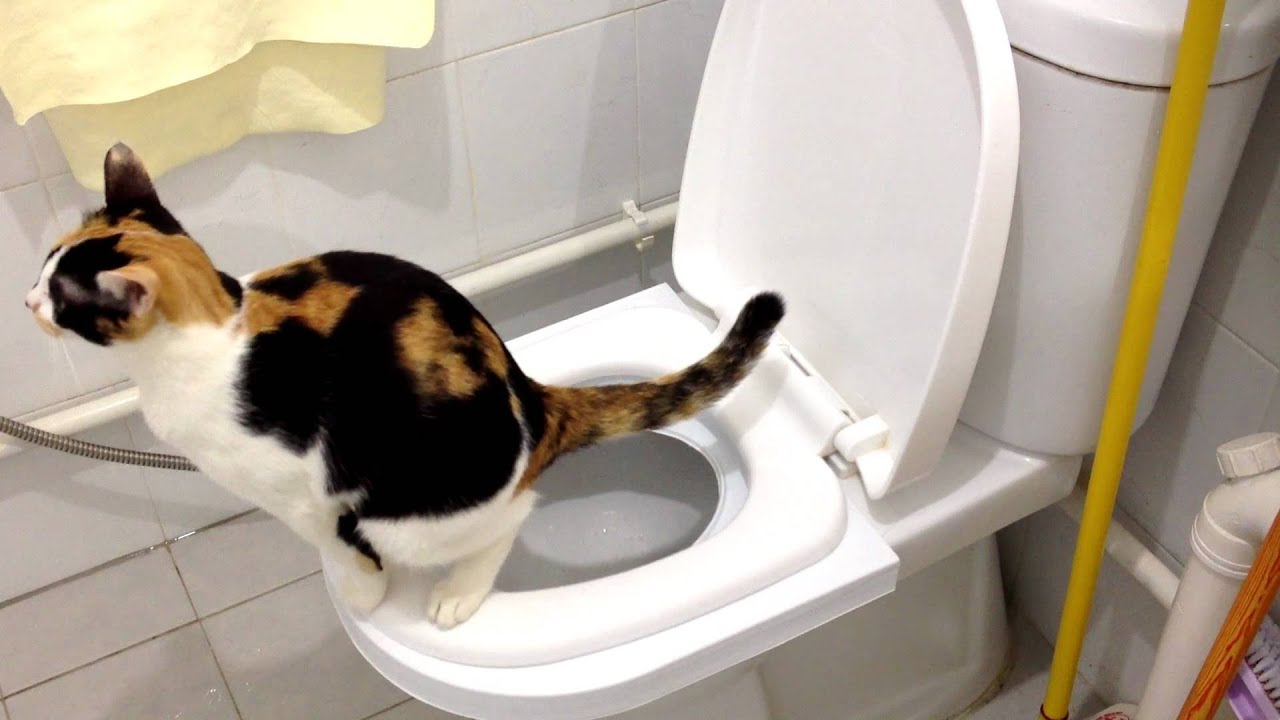
Credit: assistencianeurocirurgica.com.br
Selecting The Ideal Litter
Choosing the right litter for your cat can make all the difference in house training success. With so many options available, it can feel overwhelming. But don’t worry, understanding the basics will help you find the perfect fit for your feline friend.
Clumping Vs. Non-clumping
Clumping litter is popular because it makes cleaning easier. It forms solid clumps when wet, allowing you to scoop out both waste and odor. If convenience is your top priority, this might be the way to go.
Non-clumping litter, however, absorbs moisture but doesn’t form clumps. While it might require more frequent changes, some cats prefer its texture. Consider your cat’s preference and your cleaning schedule before making a choice.
Scented Vs. Unscented
Scented litter can help mask odors, which is appealing for many pet owners. But not all cats appreciate the added fragrance. Strong scents might deter your cat from using the litter box altogether.
Unscented litter focuses on neutralizing odors without added fragrances. If your cat is sensitive or you notice them avoiding the litter box, an unscented option might be best. Your cat’s comfort should guide your decision.
Think about your cat’s behavior and preferences when selecting litter. Have you noticed them hesitating at the box or scratching excessively? These could be signs the current litter isn’t ideal.
Remember, what works for one cat may not work for another. Experiment and observe to find the right match. Your cat’s happiness and comfort are worth the effort.
Creating A Comfortable Environment
Training a cat in a cozy setting involves patience and understanding. Provide a litter box in a quiet spot. Reward good behavior with gentle encouragement.
Creating a comfortable environment is crucial when house training your cat. Cats are creatures of habit, and a peaceful, well-organized space can significantly affect their willingness to learn new routines. By focusing on the environment, you can make house training a more pleasant experience for both you and your feline friend. Let’s delve into the specifics of how location and stress factors play a vital role in this process.Location Matters
The spot you choose for your cat’s litter box is essential. Cats prefer quiet, low-traffic areas where they can do their business in peace. Is your litter box near loud appliances or in a bustling hallway? Consider relocating it to a more secluded area, like a spare bathroom or a corner of your laundry room. Think about accessibility. Ensure your cat can easily reach the litter box without obstacles. High shelves or closed doors can be barriers. Keep the route clear and straightforward. Reflect on past experiences. When I first brought my cat home, I placed the litter box in the laundry room. The loud noises from the washer and dryer made her uneasy. Moving it to a quieter location led to immediate improvement in her litter habits.Minimizing Stressors
Cats are sensitive to changes in their environment. Sudden noises, new furniture, or unfamiliar scents can be stressors. Identify and reduce these elements to make your cat feel at ease. Use calming aids if necessary. Products like feline pheromone diffusers can help soothe your cat. They mimic natural calming signals and can ease anxiety. Engage with your cat. Spend time playing and interacting with them. A happy, stress-free cat is more likely to adapt to house training. Ask yourself, have you been offering enough attention and playtime? Consider your home’s atmosphere. Is there constant hustle and bustle? Giving your cat a quiet sanctuary can be a game-changer. A small cat bed or a cozy hideaway can offer them a retreat when the world feels overwhelming. Creating a comfortable environment is not just about physical space; it’s about ensuring your cat feels secure and loved. What changes can you make today to improve your cat’s training space?Establishing A Routine
Establishing a routine is key to house training a cat. Cats thrive on consistency and structure. A well-planned routine helps them understand expectations. This includes feeding, cleaning, and bathroom habits. It creates a predictable environment, which reduces stress. Start by setting specific times for different activities. This helps your cat develop a regular pattern. In this section, we will explore essential elements of a routine.
Feeding Schedule Impact
Feeding schedules play a crucial role in cat training. Regular meal times help regulate digestion. This can lead to predictable bathroom habits. Set specific times for feeding, morning and evening. Consistent schedules help your cat feel secure. They know when to expect food. This decreases anxiety and fosters trust. Avoid free-feeding to maintain control over their routine.
Regular Cleaning Protocols
Cleaning routines are vital for a healthy environment. Litter boxes should be cleaned daily. Cats prefer clean spaces for their needs. Regular cleaning prevents odors and health issues. It also encourages proper bathroom habits. Set a specific time for cleaning each day. Consistent cleaning reassures your cat. They feel comfortable using their designated area. This helps in reinforcing house training.
Positive Reinforcement Techniques
Training a cat to use a litter box requires patience and kindness. Positive reinforcement techniques can help your cat learn quickly. These methods build trust and encourage good behavior. Cats respond well to rewards. They feel appreciated when they succeed. Let’s explore effective techniques to make house training a breeze.
Treats And Rewards
Treats motivate cats to learn new behaviors. Use small bits of food your cat loves. When your cat uses the litter box, offer a treat right away. This action helps your cat associate the litter box with positive feelings. Ensure treats are healthy and safe for cats. Small rewards lead to big changes.
Praise And Affection
Show your cat love when it behaves correctly. Gentle words and petting can reinforce positive actions. Praise your cat with a soft, happy voice. Cats sense your approval through affection. This bond strengthens trust and confidence. Encourage your cat with gentle strokes and kind words.
Handling Accidents
Training a cat to use the litter box can take time. Accidents may happen. It’s part of the learning process. Patience is key. Knowing how to manage mishaps is essential. Proper handling helps prevent future issues.
Cleaning Tips
Clean accidents quickly to avoid stains. Use an enzyme cleaner. These break down the smell. Cats have a strong sense of smell. Regular cleaners might not work. Avoid ammonia-based cleaners. They smell like urine to cats.
Blot the area with a paper towel first. Press firmly to soak up moisture. Then, apply the enzyme cleaner. Let it sit for 10-15 minutes. Rinse with water and blot dry. Repeat if needed until the smell is gone.
Preventing Future Mishaps
Identify why accidents happen. Stress, health issues, or a dirty litter box can be reasons. Keep the litter box clean daily. Provide one box per cat plus one extra. Place them in quiet, accessible areas. Cats need privacy.
Watch for signs of health problems. If accidents continue, consult a vet. Addressing underlying issues is important. Ensure your cat feels safe and comfortable. A happy cat is more likely to use the litter box.
Signs Of Successful Training
A cat consistently using the litter box is a sign of successful house training. Minimal accidents on floors indicate progress. Calm behavior during cleaning sessions also shows the training is working.
Training a cat to behave indoors is a rewarding challenge. But how do you know if your efforts are paying off? Recognizing signs of successful house training can help you understand your cat’s progress and adjust your methods if needed. Let’s delve into key indicators that show your furry friend is on the right track.Behavioral Indicators
Cats are subtle creatures. You might notice your cat using the litter box consistently without any accidents. This shows they understand where they should go. Another sign is reduced destructive behavior. If your cat stops scratching furniture or climbing curtains, it indicates they’ve learned the house rules. Listening to commands is another positive indicator. If your cat responds to “no” or specific instructions, it’s a sign that training is working.Consistency In Habits
A well-trained cat has a routine. Notice if your cat uses the litter box at regular times. This consistency shows they’ve developed good habits. Observe their eating and sleeping patterns. A trained cat often sticks to regular meal times and sleeping spots. Think about this: How often do you need to remind your cat of the rules? Less frequent reminders mean your cat has internalized the training. Your experience with your cat can also tell you a lot. If you find yourself worrying less about accidents or misbehavior, it’s a strong sign that your training methods are effective. Consistency is key. Keep an eye out for these signs to ensure your cat is well-trained and happy in their home environment.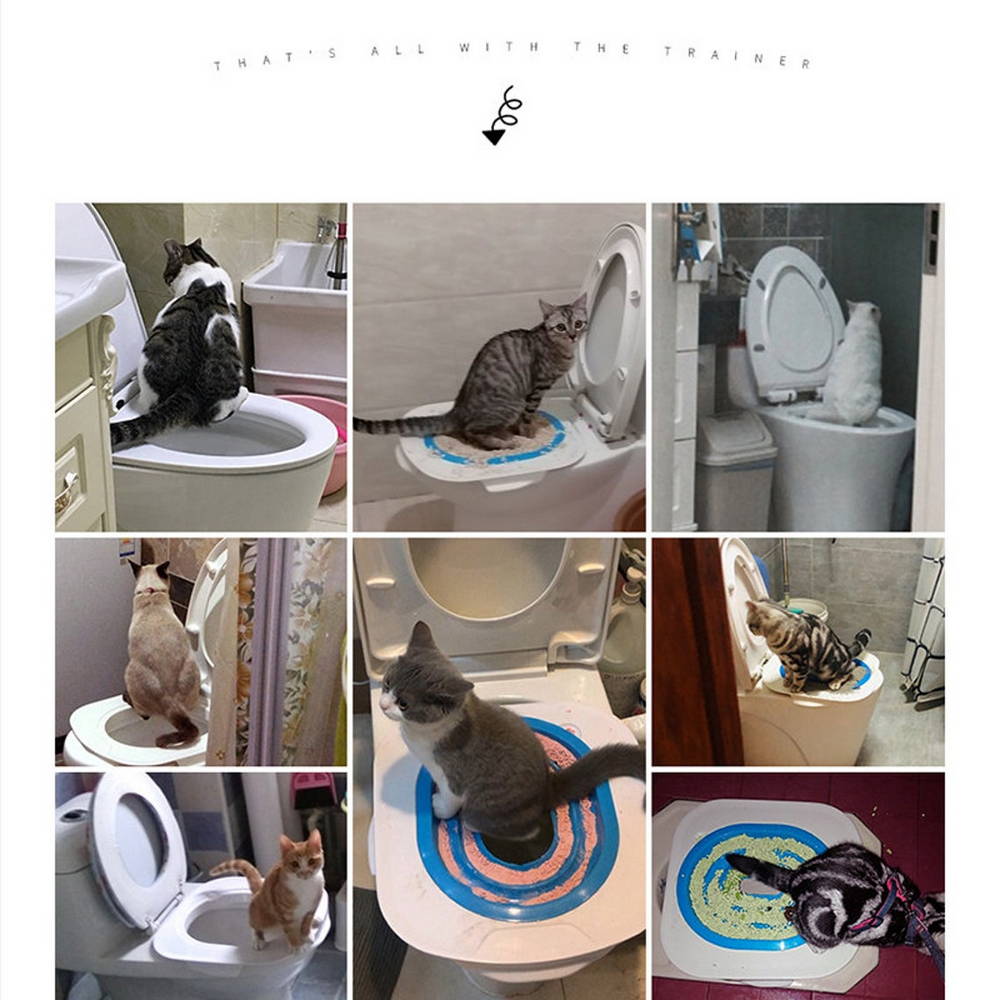
Credit: www.thalinepal.com
Common Mistakes To Avoid
House training a cat demands patience and understanding. Many pet owners make mistakes that hinder the process. Recognizing and avoiding these common mistakes can lead to successful training. Let’s explore some pitfalls to avoid.
Overreacting To Accidents
Accidents are inevitable during training. Cats may miss the litter box occasionally. Respond calmly to accidents. Avoid shouting or punishment. Negative reactions create fear. Fear slows down the learning process. Instead, clean the area thoroughly. Ensure the litter box is accessible. Encourage your cat positively.
Inconsistent Training Methods
Consistency is crucial for house training. Stick to a routine. Changing methods confuses your cat. Use the same commands and rewards. Consistency helps build habits. Avoid switching litter types frequently. Keep the box clean at all times. Cats prefer clean spaces. Consistent training creates a reliable routine.
When To Seek Professional Help
Consult a professional if your cat shows aggression, refuses the litter box, or displays unusual behavior during training. Persistent issues might indicate underlying health problems requiring expert attention. Prompt help ensures a smoother, stress-free house training experience for both cat and owner.
House training a cat can be an exciting yet challenging endeavor. Sometimes, despite your best efforts, things may not go as planned. If you’re facing persistent issues or behavioral concerns with your feline friend, it might be time to consider professional help. This decision can be crucial to ensuring your cat’s happiness and your peace of mind. It’s not always easy to admit that you need a hand, but remember, the goal is a harmonious home.Persistent Issues
Persistent problems, like continuous litter box avoidance, can be frustrating. You’ve tried different litter types and cleaned the box regularly, yet your cat still refuses to use it. This might indicate a deeper issue, possibly medical. Recurrent accidents could signal stress or discomfort in your cat’s environment. A vet can rule out health problems, and a behaviorist can help with stress management techniques. Have you noticed your cat having trouble adjusting to changes, like a new pet or house move? Professionals can offer strategies to smooth transitions and help your cat adapt.Behavioral Concerns
Behavioral concerns go beyond the litter box. Is your cat displaying aggression or fear? These behaviors can stem from anxiety or past trauma. You might feel overwhelmed by repeated attempts to calm your cat, only for them to lash out again. This is where a trained behaviorist can offer guidance tailored to your cat’s needs. Could there be underlying issues affecting your cat’s mood? Professionals can help diagnose and treat these, ensuring your cat’s well-being and your family’s safety.Seeking professional help doesn’t mean you’re failing; it means you’re proactive about your cat’s well-being. Have you experienced a similar situation with your pet? Sharing your journey might encourage others facing the same challenges.

Credit: www.wikihow.com
Frequently Asked Questions
Are Cats Easy To House Train?
Cats are generally easy to house train. Most learn quickly to use a litter box. Ensure the box is clean and accessible. Positive reinforcement helps encourage good behavior. Early training improves success rates.
How Long Does It Take To Housetrain A Cat?
Housetraining a cat usually takes a few weeks. Consistency and patience help cats learn effectively. Use positive reinforcement like treats and praise. Start with a clean litter box and a quiet location. Each cat learns differently, so adapt your approach based on their progress.
What Is The Easiest Way To Potty Train A Cat?
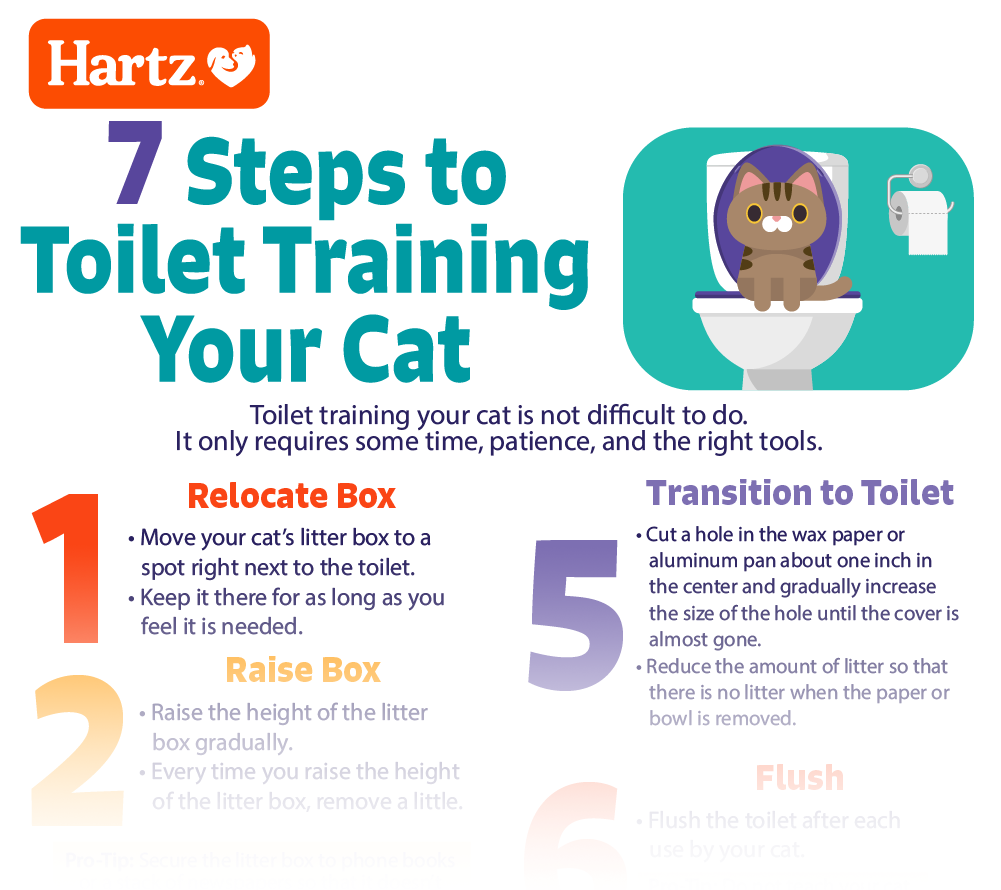
Start by placing a litter box near the toilet. Gradually raise the box using sturdy materials. Transition to a training seat on the toilet. Encourage your cat with treats and praise. Be patient, as consistency and positive reinforcement are key.
How Do You Discipline A House Cat?
Use positive reinforcement, like treats or praise, to encourage good behavior. Redirect unwanted actions with toys. Use a firm “no” for undesirable behavior. Ensure plenty of playtime and mental stimulation. Avoid physical punishment to maintain trust.
Conclusion
Training a cat takes patience and consistency. Cats can learn with gentle guidance. Start with a simple routine. Use positive reinforcement like treats or praise. Watch your cat’s behavior closely. Adjust the training as needed. Keep the litter box clean and accessible.
This encourages good habits. Remember, each cat is unique. What works for one might not work for another. Stay patient and supportive. Celebrate small successes. Over time, your cat will learn. House training a cat is a rewarding journey. Enjoy the bond you build together.
Your efforts will pay off with a happy, well-trained cat.

Similar Posts