How to Train Cats to Use Litter Box: Expert Tips
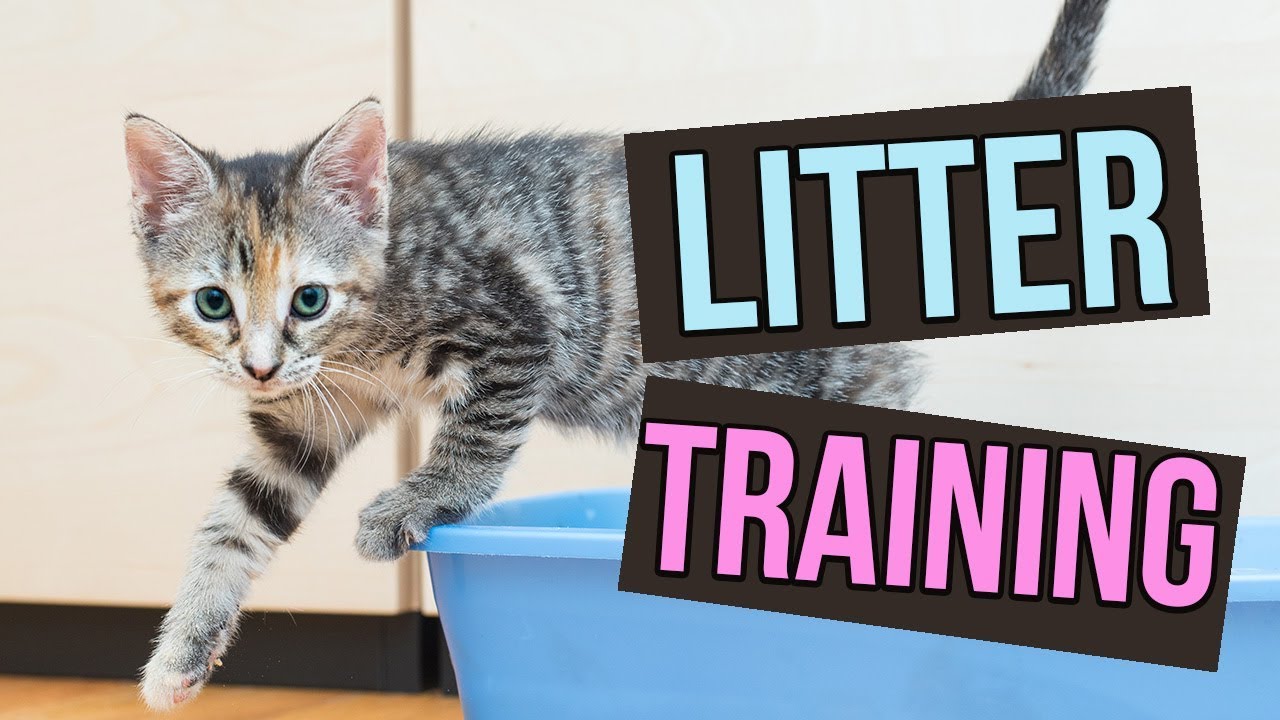
Are you struggling with getting your cat to use the litter box? You’re not alone.
Many cat owners face this common challenge, and it can be quite frustrating. But don’t worry, because there’s a solution that will not only save your sanity but also create a happier environment for both you and your feline friend.
Imagine a world where you no longer have to deal with messy surprises around your home. This is possible, and it starts right here with simple, effective training techniques. By understanding your cat’s behavior and needs, you can make the litter box the most appealing option for them. Stick with us, and you’ll discover the secrets to turning this daunting task into a positive and rewarding experience for both you and your cat. Let’s dive in and transform your cat’s litter box habits today!
Choosing The Right Litter Box
Choosing the right litter box is crucial for training your cat to use it effectively. A well-selected litter box can make a significant difference in your cat’s comfort and willingness to use it. The wrong choice could lead to unwanted accidents around the house. So, how do you ensure your feline friend is happy with their litter box?
Types Of Litter Boxes
The market offers various types of litter boxes, each catering to different needs. Do you prefer a traditional open box, or does your cat need a covered one for privacy? Covered boxes can help contain odors but might feel cramped for some cats. Self-cleaning boxes are convenient but can be costly and might intimidate your pet with sudden noises. Think about what suits your lifestyle and your cat’s temperament.
Size And Accessibility
Size matters! A litter box should be large enough for your cat to turn around comfortably. If you have a kitten, consider a box that will still be appropriate as they grow. Accessibility is equally important; an elderly or disabled cat might struggle with high sides. Low-entry boxes or ramps can make life easier for them. Where will you place it? Ensure your cat can reach the box easily without navigating obstacles.
When I first got my cat, Snowball, I didn’t think much about the litter box size. I went for a compact one to fit my small apartment. It wasn’t long before Snowball grew uncomfortable, and accidents started happening. Switching to a larger box made all the difference. It taught me the importance of considering your cat’s future needs, not just your current space constraints.
Does your cat have specific preferences? Observe their behavior. If your pet seems reluctant to use the box, try experimenting with different types and sizes. Your cat’s comfort is paramount, and they may favor one style over another.
Choosing the right litter box isn’t just about convenience; it’s about ensuring your cat feels safe and comfortable. A well-chosen litter box can turn your training efforts from frustrating to successful. So, what will you choose for your feline friend?
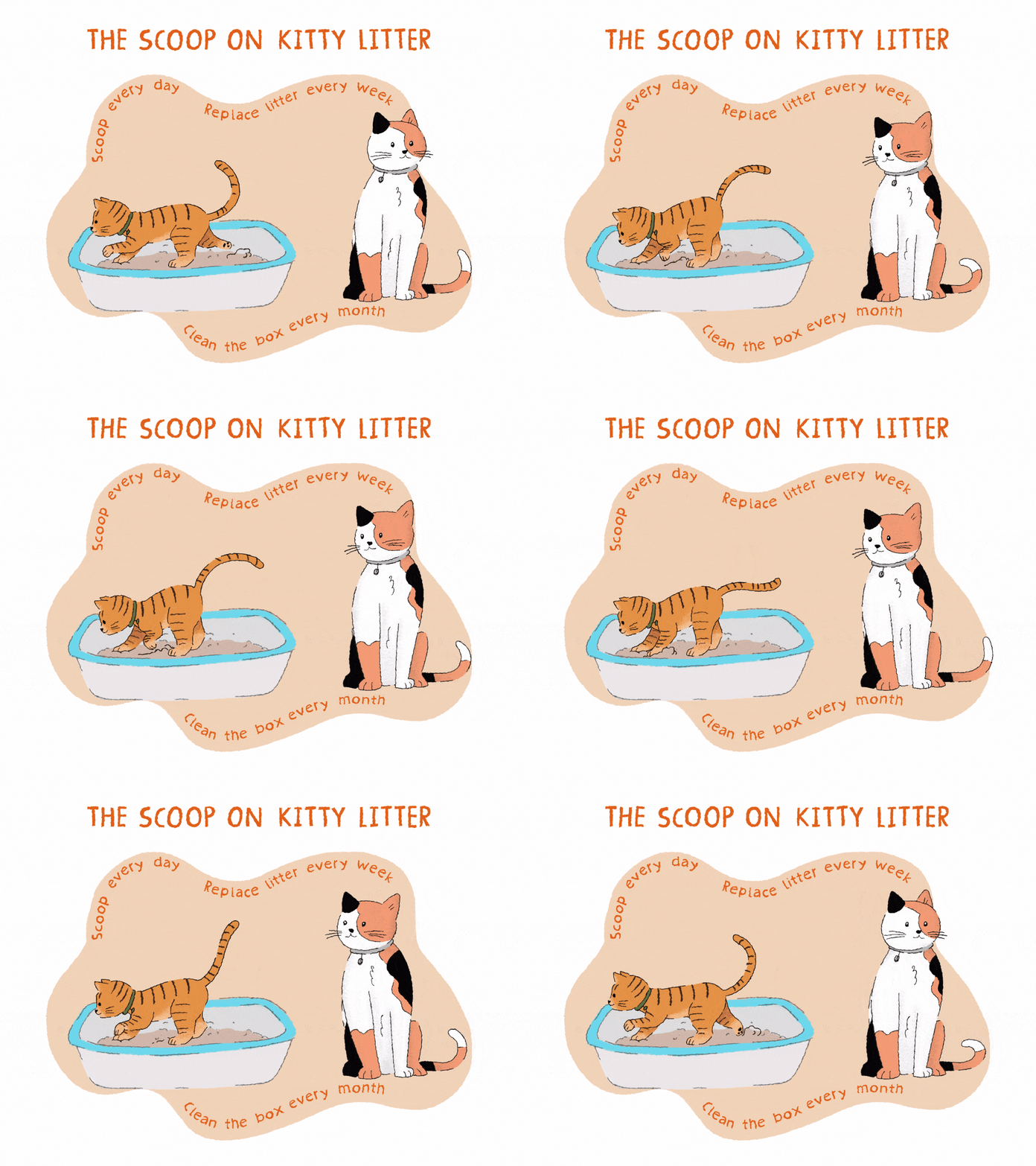
Credit: www.banfield.com
Selecting The Perfect Cat Litter
Choosing the right cat litter is vital for litter box training. Cats can be picky. The wrong choice might lead to accidents outside the box. Understanding the types of cat litter can make this task easier.
Clumping Vs. Non-clumping
Clumping litter forms solid clumps when wet. This makes it easy to scoop. It helps keep the litter box clean. Non-clumping litter absorbs moisture without forming clumps. It requires more frequent changes. Consider your time and maintenance preference. Clumping litter is popular for convenience.
Scented Vs. Unscented
Scented litter can mask odors. This might appeal to humans. Cats might not like strong scents. Unscented litter is often preferred by cats. It keeps the environment natural. Some cats avoid litter with strong fragrances. Choose based on your cat’s comfort and behavior.
Optimal Placement Of The Litter Box
Training a cat to use the litter box begins with its placement. Cats are particular about their restroom habits. The location of the litter box can affect their willingness to use it. A strategically placed litter box can prevent accidents and promote good habits.
Privacy Considerations
Cats value privacy. Place the litter box in a quiet corner. Avoid busy areas where people frequently pass. A secluded spot encourages your cat to use the box. It helps them feel safe and secure.
Avoiding High-traffic Areas
High-traffic areas can make a cat anxious. Avoid placing the litter box near doors or noisy appliances. These distractions can deter a cat from using the box. A peaceful location enhances their comfort and routine.

Credit: www.fourpaws.com
Introducing Your Cat To The Litter Box
Training your cat to use the litter box is a crucial step in ensuring a harmonious living environment. While cats are naturally inclined to bury their waste, sometimes they need a little guidance to get it right. Introducing your cat to the litter box can be a smooth process if handled with patience and understanding.
Initial Familiarization
Begin by placing the litter box in a quiet and accessible location. Your cat should feel safe and undisturbed when exploring this new area. Consider their perspective: Would you want to use a bathroom that’s in a bustling or noisy part of your home?
Allow your cat to sniff and explore the litter box without pressure. Cats are naturally curious, and they may inspect it on their own. You could sprinkle a bit of catnip around the box to pique their interest. Does your cat seem hesitant? You might want to gently place them in the box to show them it’s safe.
Guiding Your Cat’s First Use
Once your cat is familiar with the box, guide them gently to use it. When you notice them exhibiting signs like pawing or sniffing around, it’s a good time to lead them to the litter box. Have you observed your cat’s bathroom habits closely?
If they successfully use the box, offer praise or a small treat. Positive reinforcement can help establish a routine. What motivates your cat? A tasty treat or a gentle stroke can often work wonders.
If your cat misses the box, resist the urge to scold. Instead, clean up the mess and try again. It’s important to maintain a positive atmosphere, as cats can be sensitive to stress. How can you make this process stress-free?
Training your cat requires patience and keen observation. By introducing them to the litter box in a thoughtful manner, you’ll foster a cleaner and happier home for both you and your feline friend.
Maintaining Cleanliness
Maintaining Cleanlinessin your cat’s litter box area is crucial for both hygiene and encouraging your feline friend to use it consistently. Cats are naturally clean animals, and a dirty litter box can be off-putting. You wouldn’t want to use a dirty bathroom, would you? Keeping the litter box clean can prevent unpleasant odors and keep your home fresh. It also minimizes the risk of your cat seeking alternative places to relieve themselves, which can lead to unwanted messes.
Daily Scooping Routine
Establishing a daily scooping routineis essential. Set aside a few minutes each day to remove waste from the litter box. This helps to maintain a clean environment, making it more appealing for your cat.
Think of it like taking out the trash—it’s a small task but makes a big difference. By scooping daily, you minimize odor buildup and keep the litter fresh. Do you notice a change in your cat’s behavior when the box is clean?
Keep a small trash can or bag nearby for easy disposal of the waste. It’s about creating a seamless routine that integrates with your daily life.
Weekly Deep Cleaning
A weekly deep cleaningof the litter box is just as important as daily scooping. This involves completely emptying the box and washing it with warm, soapy water. Consider using a non-toxic cleaner to ensure the safety of your cat.
Rinse thoroughly to remove any residues. This practice helps prevent bacterial growth and maintains a healthy environment for your cat. Have you ever noticed how your cat reacts after a fresh cleaning? It’s like they know and appreciate the effort!
Replace the litter completely during this process. Fresh litter encourages your cat to continue using the box and avoids any unpleasant smells.
Remember, consistency is key. Cats thrive on routine and a clean litter box is a vital part of their daily life.
Troubleshooting Common Issues
Training cats to use a litter box can be tricky. Common issues include avoiding the box or missing it entirely. Ensuring the box is clean and well-placed often solves these problems.
Training your cat to use the litter box can be a rewarding experience, but sometimes you might encounter a few bumps along the way. Troubleshooting these common issues is essential to maintaining a clean and harmonious home environment. By understanding the reasons behind accidents and avoidance, you can address these challenges effectively and ensure your feline friend stays on track.Handling Accidents
Accidents happen, and they are a normal part of the learning process. The key is not to react negatively. Cats are sensitive creatures and might become anxious if they sense your frustration. Instead, calmly clean the area with an enzyme-based cleaner to remove any lingering scents that might attract your cat back to the same spot. Consider if there are any patterns. Is it a specific room or type of surface? This can provide clues to underlying issues. Sometimes, a medical problem might be the cause, so a visit to the vet could be necessary.Addressing Avoidance
If your cat is avoiding the litter box altogether, it’s time to play detective. Is the box clean enough? Cats are notoriously clean animals, and a dirty box is often off-putting. Scoop daily and change the litter regularly to keep it fresh. Think about location. Is it in a noisy, high-traffic area? Cats prefer privacy, much like you do. Try moving the litter box to a quieter spot. If your cat still avoids it, consider the type of litter. Some cats are picky about texture or scent, so experimenting with different options might be the solution. When I first adopted my cat, she avoided the litter box for days. I realized it was placed near a noisy washing machine. Once moved to a quieter corner, she took to it immediately. Have you considered what might be disturbing your cat? By understanding your cat’s preferences and behavior, you can troubleshoot these common issues effectively. Remember, patience and observation are your best tools. Your cat will appreciate the effort, and you’ll enjoy a cleaner home.Positive Reinforcement Techniques
Training cats to use a litter box involves positive reinforcement techniques. Encourage behavior with treats and gentle praise. Reward consistent use to build a habit.
Training your cat to use the litter box can be a rewarding experience with the right approach. Positive reinforcement techniques stand out as effective methods to encourage your feline friend to adopt this essential habit. By focusing on rewarding good behavior, you create a positive association with the litter box, making it a preferred spot for your cat’s needs.Reward Systems
Using a reward system is one of the simplest ways to encourage your cat. Treats are a powerful motivator for most cats. Whenever your cat uses the litter box, offer a small treat immediately. Praise can also work wonders. Speak in a happy and soothing voice to let your cat know they’ve done something good. Playtime can be another form of reward. A quick session with their favorite toy after using the litter box can reinforce the behavior.Consistency In Training
Consistency is crucial in training your cat. Are you providing the same reward every time they use the litter box? Ensure that the rewards are immediate and predictable. You should maintain a routine. Cats appreciate a predictable environment. Keep the litter box in a stable location and make sure it’s always clean. Monitor your cat’s litter box usage. If you notice a pattern, use it to your advantage. Offer rewards during their usual times to strengthen the habit. In my own experience, a strict reward routine helped my cat, Luna, learn quickly. It was all about making the good behavior feel rewarding every single time. Have you found a reward that your cat loves? Try incorporating it into your training process. Training a cat with positive reinforcement is not just effective, it’s a bonding exercise. With patience and a consistent approach, your cat will soon see the litter box as a natural part of their daily routine.
Credit: hoosierfix.com
Health Considerations
Training cats to use a litter box involves considering their health needs. Ensure the litter is clean to prevent infections. Choose a litter type that minimizes dust to avoid respiratory issues.
Training your cat to use the litter box is not just about convenience; it’s also about ensuring their health. As you guide your feline friend through this process, it’s crucial to keep their well-being at the forefront. Being attentive to health considerations can prevent common issues and create a comfortable environment for your cat.Monitoring For Health Issues
Cats are known for their independence, but they can be quite secretive about their health. Watch for changes in your cat’s litter box behavior, as they may indicate health problems. Is your cat avoiding the litter box or spending too much time there? This could signal urinary tract issues or other illnesses. Regularly check the litter box for signs of diarrhea, blood, or abnormal odors. These could be early warning signs that require attention.Consulting A Veterinarian
Sometimes, DIY solutions are not enough. If your cat’s litter box habits change drastically, consulting a veterinarian is a wise move. They can diagnose underlying health issues that might be causing distress. Veterinarians can suggest dietary changes or medications to improve your cat’s health. If you’re unsure about your cat’s behavior, a professional opinion can provide clarity and peace of mind. Have you ever considered how your cat’s diet might affect their litter box habits? A vet can offer insights into nutritional needs that could make a difference. Direct engagement with a vet ensures that your cat’s health is prioritized, allowing them to live their best life. Training your cat goes beyond teaching them where to relieve themselves. It’s about ensuring they feel safe and healthy. What steps will you take today to monitor your cat’s health in this training journey?Frequently Asked Questions
How Long Does It Take To Train A Cat To Use A Litter Box?
Training a cat to use a litter box typically takes about one to two weeks. Consistency and patience are key. Start by placing the cat in the litter box after meals and naps. Clean the box regularly to encourage use.
Most cats learn quickly with positive reinforcement.
How Do I Get My Cat To Use Its Litter Box?
Place the litter box in a quiet, accessible spot. Keep it clean by scooping daily. Use unscented litter. Reward your cat with treats or praise for using it. Avoid sudden changes in litter type or location.
Do Cats Train Themselves To Use The Litter Box?
Cats instinctively use litter boxes, but some guidance may be needed. Most cats learn quickly through natural behavior. Ensure the litter box is accessible, clean, and placed in a quiet area. Positive reinforcement can help. Training aids like attractant litter can also encourage proper use.
Do Cats Prefer Open Or Closed Litter Boxes?
Cats generally prefer open litter boxes. Open boxes offer better ventilation and visibility, reducing stress. Some cats might prefer closed boxes for privacy. It’s essential to observe your cat’s preferences and provide options. Cleanliness and location also play a crucial role in your cat’s litter box choice.
Conclusion
Training your cat to use the litter box takes patience. Remember, consistency is key. Start with a clean, accessible box. Use positive reinforcement when your cat uses it correctly. Avoid punishment; it can confuse your cat. Gradually guide them with gentle encouragement.
Each cat learns at their own pace. Keep the experience stress-free. Watch for signs of confusion or discomfort. Adjust your approach if needed. Always ensure your cat feels safe and comfortable. Success comes with understanding and kindness. Celebrate small victories.
In time, your cat will master the habit. Enjoy a cleaner, happier home.

Similar Posts