How Do You Litter Train a Cat: Expert Tips Revealed
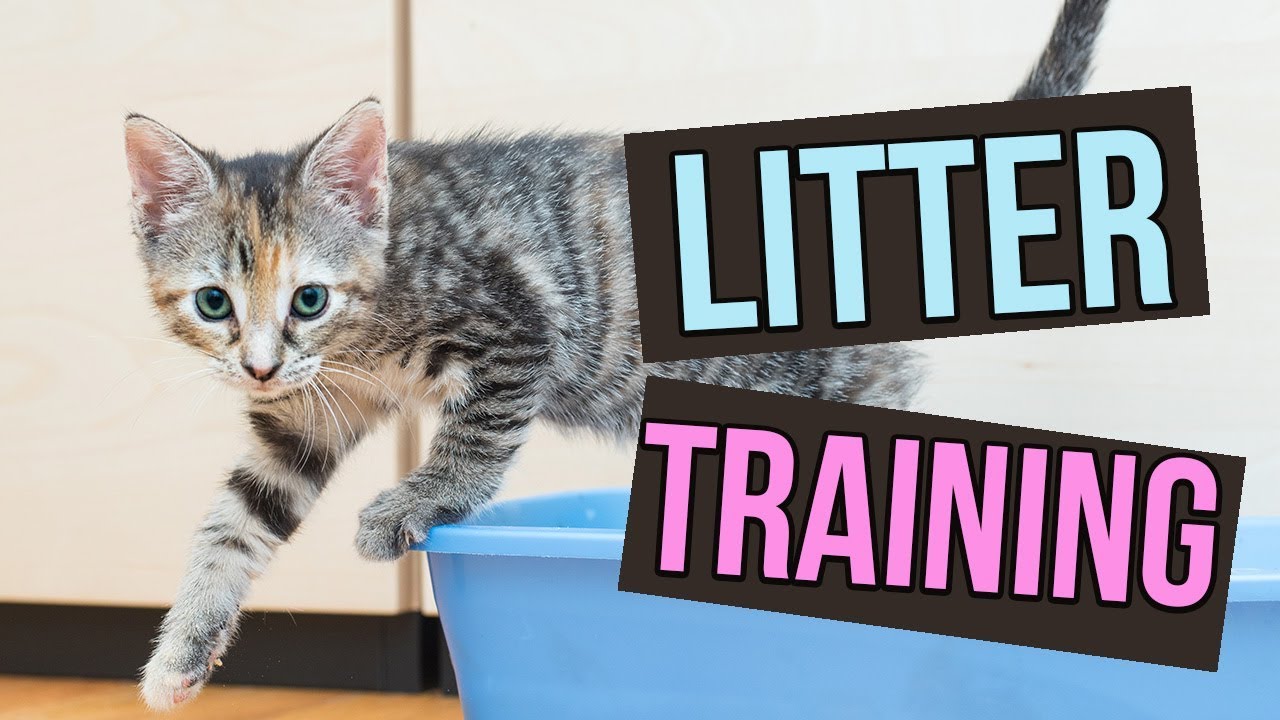
Are you tired of finding little surprises around your home? Training your cat to use a litter box might seem like a daunting task, but it doesn’t have to be.
Imagine a world where your feline friend knows exactly where to go every single time. Sounds perfect, right? You’re not alone in wanting a cleaner, more harmonious home. With the right steps, you can achieve just that. Understanding your cat’s natural instincts is key.
Cats are smart and can be trained with the right approach. By the end of this article, you’ll have the tools and confidence to guide your cat to litter box success. Whether you’re a new cat owner or you’ve had your furry companion for years, these proven tips can make all the difference. Curious to know the secrets to litter training? Read on and discover how simple it can be.
Choosing The Right Litter Box
Finding the perfect litter box can make training easier. It ensures your cat feels comfortable and secure. A well-chosen box helps reduce accidents. It also encourages consistent use.
The right choice depends on your cat’s size and preferences. Consider available space in your home too. Let’s explore important factors for selecting a litter box.
Size And Type Considerations
Litter boxes come in various sizes. Choose one that fits your cat comfortably. A large cat needs more space to move around. A small box may feel cramped.
Consider the type of litter box. Basic boxes are often rectangular. Self-cleaning boxes can save time but may cost more. High-sided boxes prevent litter from scattering.
Covered Vs. Uncovered Options
Covered boxes offer privacy. They can help reduce odors in your home. Some cats prefer the enclosed feeling.
Uncovered boxes provide easy access. They allow for more ventilation. Cats can see their surroundings easily.
Observe your cat’s behavior to decide. Try both options to see what they prefer. A comfortable cat is more likely to use the litter box consistently.
Credit: www.camipa.org
Selecting Cat Litter
Choosing the right cat litter is crucial for successful litter training. Different types of cat litter cater to various feline preferences and owner needs. Selecting the best option can ensure your cat’s comfort and cleanliness. Let’s explore some of the popular choices.
Clumping Vs. Non-clumping
Clumping litter forms solid lumps when wet. This makes scooping easy and keeps the box clean. Many cat owners prefer it for its convenience. Non-clumping litter absorbs moisture but doesn’t form solid masses. It requires more frequent changes to maintain freshness. Each type has its benefits and drawbacks. Consider your cleaning routine and your cat’s habits.
Scented Vs. Unscented
Scented litter masks odors with fragrances. It keeps the litter box smelling fresh for longer. Some cats may dislike strong scents. If your cat avoids the litter box, try unscented options. Unscented litter is free from added perfumes. It is often preferred by sensitive cats. Choose based on your cat’s reaction and your home’s needs.
Ideal Litter Box Placement
Cats are creatures of habit, and where you place their litter box can significantly impact their willingness to use it. The ideal litter box placement is crucial for successful litter training. It’s not just about finding a spot; it’s about choosing the right one. This decision can influence your cat’s comfort and your home’s cleanliness. So, where should you place it?
Quiet And Accessible Locations
Imagine if your restroom was in a noisy area with constant interruptions; you wouldn’t be comfortable either. Cats seek solitude when using the litter box. Choose a quiet spot where your cat can do their business undisturbed. A laundry room or a bathroom corner might be good options.
Accessibility is equally important. Make sure your cat can easily reach the litter box. If your cat has to climb stairs or navigate obstacles, they might look for easier options. Keep it simple and straightforward for them.
Avoiding High Traffic Areas
High traffic areas are a no-go for litter boxes. Think about the hustle in your living room or kitchen. These places are often bustling with activity. Avoid placing the litter box in such spots as it can stress your cat.
If people constantly walk by, your cat might feel exposed and anxious. You wouldn’t want to be interrupted, neither do they. Find a spot that gives them privacy away from the foot traffic.
Reflect on your home’s layout. Are there specific areas where your cat tends to roam? Use this insight to position the litter box in a place they naturally gravitate towards, but make sure it’s not in the middle of the action.
Ultimately, your cat’s comfort is key. Have you ever noticed how cats pick the most secluded spots to nap? The same principle applies here. Give them a peaceful spot, and they’ll thank you by keeping your floors clean.
Credit: www.banfield.com
Training Your Cat
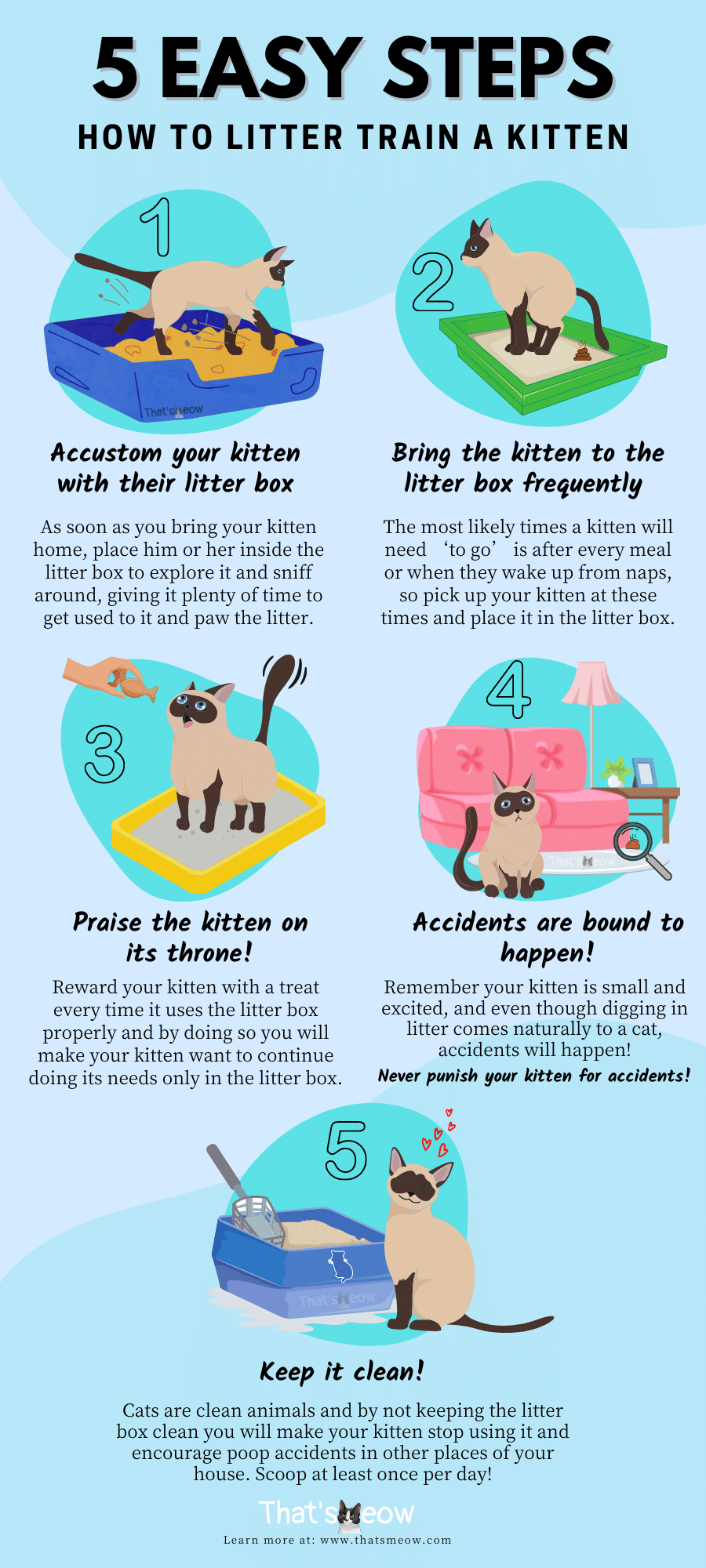
Cats are instinctively clean, making litter training straightforward. Place the litter box in a quiet, accessible spot. Consistent positive reinforcement encourages your cat to use it properly.
Training Your Cat Welcoming a cat into your home is a joyful experience, but it comes with responsibilities, like litter training. Training your cat to use a litter box is essential for maintaining a clean home and ensuring your cat’s well-being. Let’s dive into the steps to make this process smooth and successful for you and your feline friend.Introducing The Litter Box
Choosing the right spot for the litter box is crucial. Place it in a quiet, accessible area where your cat feels safe. Avoid high-traffic zones or areas with loud noises. Introduce your cat to the litter box by gently placing them inside it. Let them explore and get familiar with the texture of the litter. Remember, patience is key, and some cats may take a little longer to adjust. Monitor your cat’s behavior. If they start sniffing around or scratching the floor, it might be a sign they need to go. Gently guide them to the litter box during these moments.Positive Reinforcement Techniques
Positive reinforcement can make litter training a pleasant experience. Praise your cat or offer a small treat when they use the litter box correctly. Consistency is important, so reinforce this behavior every time. Establish a routine. Cats thrive on routines, and having a set schedule for feedings can naturally lead to regular bathroom habits. This predictability helps them know when it’s time to use the litter box. Avoid scolding or punishment if accidents happen. This can create fear and anxiety in your cat. Instead, clean the area thoroughly to remove any lingering scent and guide them back to the litter box. Have you ever considered why cats might avoid using their litter box? Sometimes, the type of litter or the cleanliness of the box can make a difference. Always keep the box clean and experiment with different litter types to find what your cat prefers. Training your cat requires patience and understanding. Each cat is unique, and what works for one might not work for another. By staying attentive to your cat’s needs and behaviors, you can make litter training a successful and rewarding experience for both of you.Maintaining Litter Box Hygiene
Maintaining litter box hygiene is crucial for ensuring your cat’s health and keeping your home smelling fresh. A clean litter box encourages your cat to use it regularly and reduces the risk of infections. Just like you wouldn’t want to use a dirty restroom, your cat prefers a clean space too. Here’s how you can keep the litter box in tip-top shape with a consistent cleaning routine and occasional deep cleans.
Regular Cleaning Schedule
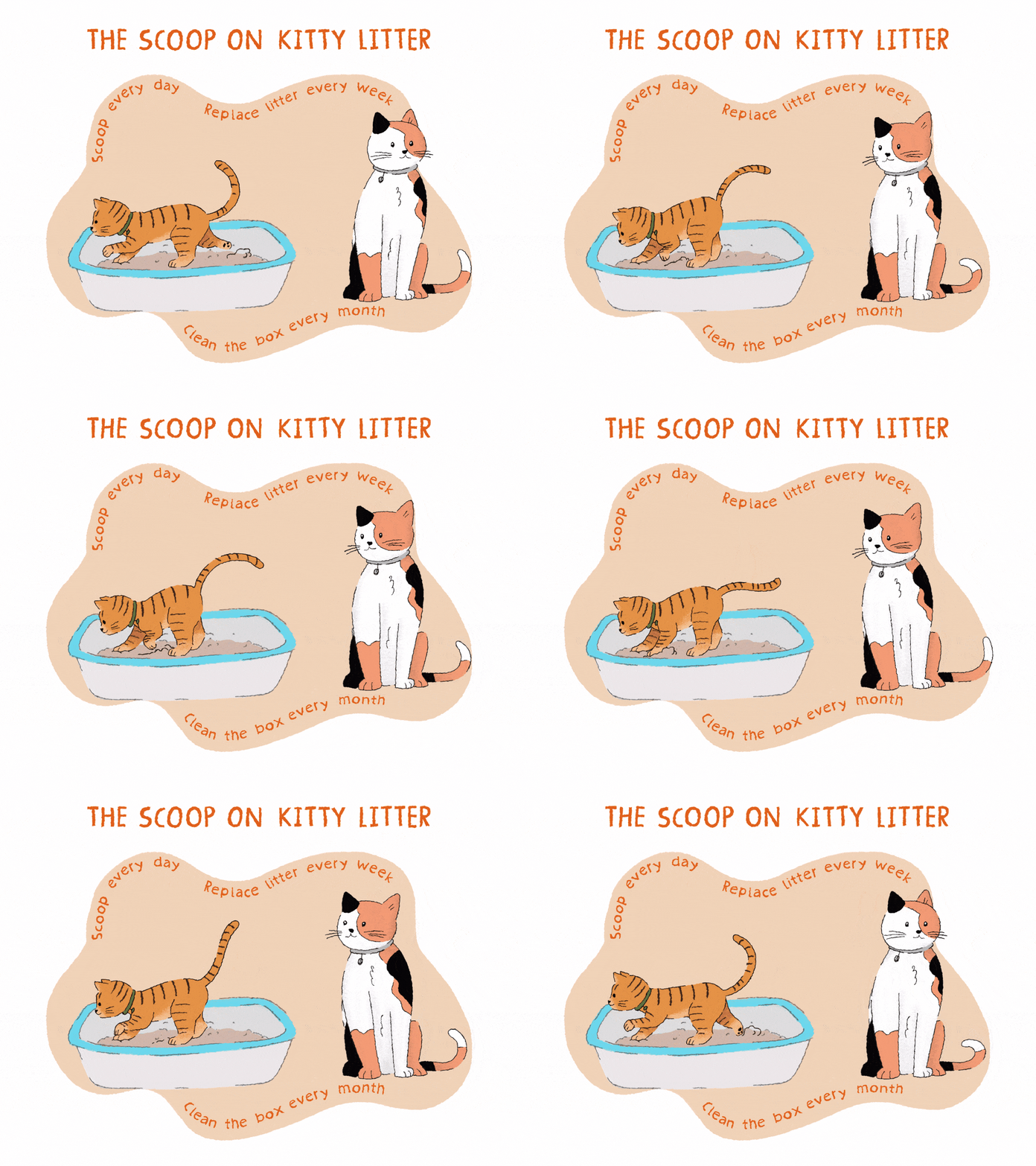
Establishing a regular cleaning schedule is essential. Scoop out waste from the litter box daily. This not only keeps the box clean but also helps you monitor your cat’s health through their waste patterns. Consider adding fresh litter to maintain an inviting environment for your cat.
Consistency is key. Choose a specific time each day for cleaning, perhaps in the morning or evening. This routine ensures the box remains fresh and inviting. You’ll find this habit makes a big difference in your home’s overall cleanliness.
Deep Cleaning Procedures
A deep clean should be done at least once a week. Start by emptying all the litter and scrubbing the box with mild soap and water. Avoid harsh chemicals; they can leave a residue and deter your cat from using the box.
Rinse thoroughly to remove any soap traces, and dry completely before adding fresh litter. This procedure prevents the buildup of bacteria and odors. It’s a little extra effort that pays off by keeping your cat healthy and your home pleasant.
Regular maintenance and occasional deep cleans make a significant difference. Have you ever noticed how your cat reacts to a freshly cleaned box? They often seem more enthusiastic about using it. Maintaining litter box hygiene isn’t just a chore; it’s an integral part of responsible pet ownership. Are you ready to make this commitment to your furry friend?

Credit: www.whiskas.co.uk
Troubleshooting Common Issues
Litter training a cat can sometimes present challenges. Even with the best efforts, problems may occur. Understanding these issues helps you find solutions. Addressing common problems ensures a smooth litter training journey. Explore ways to handle typical litter box concerns.
Dealing With Litter Box Aversion
Some cats might avoid the litter box. This can be frustrating. First, check the cleanliness of the box. Cats prefer a clean space. Scoop waste daily to keep it fresh. Ensure the box is in a quiet location. Loud noises can scare cats away. Try different types of litter. Some cats have preferences for texture or scent.
Consider the size of the box. A small box can be uncomfortable. Cats need space to move around. If the box is too small, upgrade to a larger one. Ensure the box is easy to access. Older cats or kittens might struggle with high sides. Use a box with low entry for easier access.
Addressing Medical Concerns
Medical issues can lead to litter box problems. Watch for signs of discomfort or pain. Frequent urination or straining can indicate health issues. Consult a vet if you suspect medical problems. Early intervention can prevent more serious conditions.
Changes in behavior can signal stress or illness. Cats may avoid the box if they associate it with pain. A vet can help identify any underlying health problems. Ensure your cat is healthy and comfortable. Regular check-ups are important for overall well-being.
Understanding Cat Behavior
Litter training a cat requires patience and understanding of feline behavior. Cats are creatures of habit. They often display specific behaviors to communicate their needs. Grasping these signals can make the litter training process smoother. Observing your cat’s actions and responses is key. It helps in creating a comfortable environment for them.
Recognizing Stress Signals
Cats show stress through various signals. Hiding, excessive grooming, or avoiding the litter box are common signs. Changes in household routines may trigger these behaviors. It’s important to recognize these signs early. This ensures a stress-free environment for your cat.
Provide a quiet, calm space for your cat. This helps reduce stress. Consistent behavior patterns indicate your cat is comfortable. Pay attention to any sudden changes.
Adapting To Multi-cat Households
In homes with multiple cats, litter training can be challenging. Each cat may have different preferences. Provide separate litter boxes for each cat. This reduces territorial disputes. Place the boxes in different locations.
Observe interactions between your cats. Ensure they feel secure. A harmonious environment encourages proper litter habits. Watch for any aggressive behavior. Address issues promptly to maintain peace.
Frequently Asked Questions
How Long Does It Take To Litter Train Your Cat?
Litter training a cat usually takes 2 to 4 weeks. Start early and remain consistent for best results. Some cats may learn quicker, while others might need more time. Ensure the litter box is clean and accessible to encourage proper use.
Patience and positive reinforcement help in the training process.
Are Cats Easy To Litter Train?
Yes, cats are generally easy to litter train. They instinctively use litter boxes due to their natural burying behavior. Start early with a clean, accessible litter box. Consistency and praise help reinforce good habits, making the process straightforward. Most cats adapt quickly and maintain their litter box habits effectively.
What Is The Fastest Way To Litter Train A Kitten?
Place the litter box in a quiet, accessible location. Introduce the kitten to the litter box immediately. Use unscented, clumping litter. Reward and praise your kitten when it uses the box. Clean the box regularly to maintain cleanliness and encourage consistent use.
Consistency and patience are key.
Can You Litter Train A Grown Cat?
Yes, you can litter train a grown cat. Start by placing the litter box in a quiet area. Use unscented litter to avoid overwhelming scents. Show your cat the box and gently place them in it after meals. Consistency and positive reinforcement help in successful training.
Conclusion
Training your cat to use a litter box is simple. Start with a clean, accessible box. Use a litter your cat likes. Reward your cat with treats and praise. Be patient. Cats learn at their own pace. Some take longer than others.
Stay consistent with your training routine. Keep the litter box clean daily. This helps encourage good habits. Watch your cat’s behavior closely. Adjust your approach if needed. Soon, your cat will be litter trained. Enjoy a cleaner home and a happy cat.

Similar Posts