How to Train Cats to Not Jump on Counters: Proven Tips
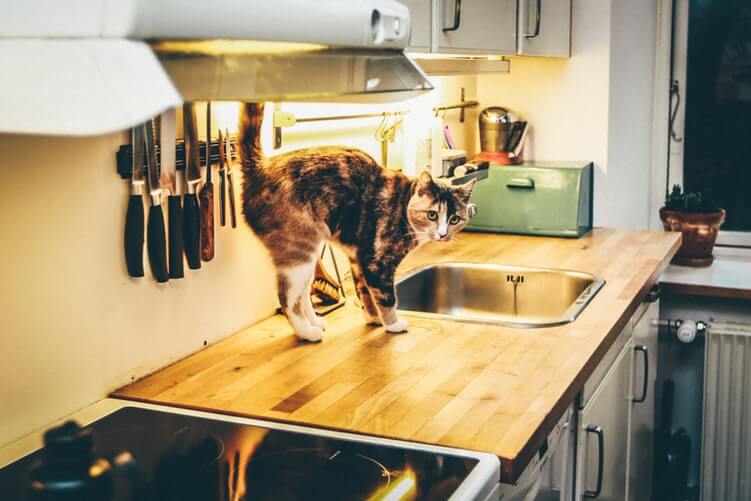
Are you tired of finding your feline friend perched on kitchen counters, surveying their kingdom from a height? It’s not just a matter of preference; having cats jump on counters can lead to broken dishes, spilled drinks, or even a dangerous encounter with a hot stove.
You might feel like you’re constantly on guard, trying to keep your cat safe and your counters clean. But what if there was a way to train your cat to keep their paws on the ground? In this guide, you’ll discover simple yet effective techniques to deter your cat from making counters their playground.
Imagine the relief of a cat-free kitchen, where you can cook without worry and keep your counters pristine. Ready to transform your home into a harmonious space? Let’s dive into the secrets of training your cat to stay grounded.
Understanding Cat Behavior
Training cats to stay off counters involves understanding their behavior and needs. Offer alternatives like cat trees or shelves. Use double-sided tape or aluminum foil on counters to discourage jumping. With consistency and patience, cats can learn to avoid countertops.
Understanding your cat’s behavior is key to keeping them off your counters. Cats are naturally curious and agile creatures. By understanding their instincts and motivations, you can guide them toward more appropriate behaviors.Instinctual Traits
Cats have an innate desire to explore high places. This instinct stems from their wild ancestors who used elevated spots to survey their territory and stay safe from predators. Have you ever noticed your cat perched on top of a cabinet, observing the world below? It’s not just because they like the view. Elevated spots give them a sense of security and control. Understanding this can help you provide alternative high spaces, like cat trees or shelves, to satisfy their climbing urges.Common Motivations
Cats often jump onto counters in search of food. Even the smallest crumb can be an enticing invitation. Think about the times you’ve left a snack unattended, only to find your furry friend investigating. Another common motivation is seeking attention. If they’ve learned that jumping on counters gets a reaction from you, they might do it more. Consider how you respond when they leap up. Do you immediately shoo them away or give them a treat to distract them? Your reaction could be reinforcing their behavior. By recognizing these motivations, you can adjust your environment and responses to discourage counter-jumping. Ask yourself, what changes can you make in your home to meet your cat’s needs while keeping your counters cat-free?
Credit: www.tiktok.com
Creating A Cat-friendly Environment
Creating a cat-friendly environment is key to keeping your feline friend off the counters. Cats love to explore high places. They enjoy watching the world from above. By understanding this behavior, you can redirect their curiosity. This approach keeps your counters clean and your cat happy.
Alternative High Spaces
Cats crave high spaces. Provide them with alternative spots to climb. Cat trees are perfect for this. They offer height and stability. Position them near windows. This gives your cat a view they love. Shelves can also work. Install them at different heights. This mimics a natural climbing experience.
Interactive Toys
Interactive toys can distract your cat. They engage a cat’s mind and body. Puzzle feeders are a great option. They challenge cats to work for food. Laser pointers can also entertain. But always end the game with a catchable toy. This satisfies their hunting instinct. Rotating toys keep things fresh. Change them regularly to maintain interest.
Training Techniques
Training your cat to stay off counters requires patience and understanding. Cats love high places. They see counters as perfect spots. With the right techniques, you can change this behavior. Consistency and kindness are key. Let’s explore effective training techniques.
Positive Reinforcement
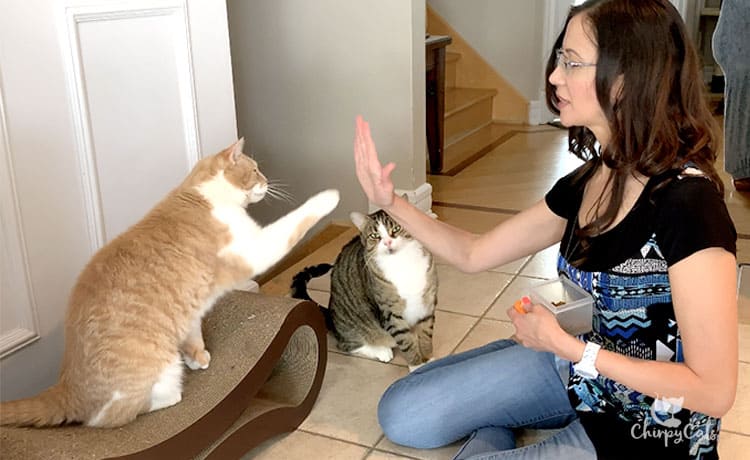
Positive reinforcement encourages desired behaviors. Reward your cat for staying off counters. Use treats or toys as rewards. Praise your cat with a gentle voice. Cats respond well to affection. Provide a comfortable alternative perch. Make it more appealing than the counter. This gives them a preferred spot to climb.
Consistent Commands
Consistency is vital in training. Use the same command every time. Say “down” or “no” firmly. Avoid shouting or scaring the cat. Cats learn through repetition. Repeat commands whenever they jump on counters. Gradually, they’ll understand the command. Patience is crucial in this process.
Credit: www.chirpycats.com
Deterrents And Redirection
Training cats to avoid counters requires deterrents and redirection. Sticky tape or foil can deter jumping, while providing cat trees or shelves as alternatives encourages better habits. Consistency is key in reinforcing positive behavior.
Training your cat to avoid jumping on counters can be a challenge, but it’s achievable with the right strategies. The key lies in using deterrents and redirection effectively. By understanding your cat’s behavior and offering alternatives, you can keep your countertops cat-free while maintaining a harmonious home environment.Safe Deterrents
Cats love to explore high places, which can make counters irresistible. To deter them safely, consider using double-sided tape or aluminum foil. Cats dislike the sticky sensation or the noise foil makes, encouraging them to stay away. You can also use motion-activated air sprays. These devices release a gentle burst of air when your cat approaches, creating an unpleasant association with the counter. Ensure any deterrent you use is safe and non-harmful, keeping your cat’s well-being a top priority. Remember, consistency is crucial. If your cat learns that sometimes it’s okay to jump on the counter, the deterrent’s effectiveness will diminish.Effective Redirection
Redirecting your cat’s curiosity is essential. Offer alternative high places like a cat tree or shelves specifically for them. These alternatives satisfy their need to climb and survey their territory. Engage them with interactive toys or puzzle feeders on the floor. This can divert their attention from the countertops and keep them entertained. I once had a cat who loved jumping onto the kitchen counter, but after introducing a window perch, his focus shifted entirely. Consider your cat’s preferences. Does your cat enjoy watching the outside world? A bird feeder near a window perch might keep them captivated for hours. What strategies have you found effective in redirecting your cat’s attention? Share your experiences and help other cat owners find the perfect solution for their furry friends.Maintaining Consistency
Training cats to stay off counters requires maintaining consistency. Cats learn through repetition. They need predictable routines and responses. Consistency helps them understand boundaries. It builds trust and improves behavior. Let’s explore ways to maintain this consistency.
Routine And Habits
Establish daily routines for your cat. Feed them at the same time every day. Play with them regularly. Create a schedule they can rely on. Consistent routines make cats feel secure. They learn what to expect. This reduces their need to explore counters.
Habits also matter. Encourage positive behaviors. Reward them when they stay off counters. Use treats or praise as incentives. Reinforce good habits consistently. Cats respond to positive reinforcement. This helps them learn and remember boundaries.
Family Involvement
Engage the entire family in training. Everyone should follow the same rules. Consistent messages are crucial. If one person allows counter jumping, it confuses the cat. Everyone needs to commit to the routine. Discuss and agree on training methods.
Have family meetings about cat behavior. Share successes and challenges. Make adjustments as needed. Consistent family involvement strengthens training efforts. It ensures the cat receives the same signals from all family members.
Credit: www.argospetinsurance.co.uk
Monitoring Progress
Training cats to stay off counters requires consistency and patience. Use positive reinforcement like treats or toys. Place double-sided tape or tin foil on surfaces to deter them.
Monitoring your cat’s progress in learning not to jump on counters is as important as the training itself. Keeping a close eye on their behavior helps you identify what’s working and what needs tweaking. This step-by-step observation can make all the difference in ensuring your cat stays grounded, literally and figuratively.Tracking Behavior Changes
Start by noting any positive changes in your cat’s behavior. Have they begun hesitating before jumping onto the counter? This could mean your training is taking effect. Create a simple chart or list to track these changes. Logging these observations will make it easier to spot trends and patterns in your cat’s behavior over time. Celebrate small victories. If your feline friend spent less time on the counter today than yesterday, that’s progress!Adjusting Strategies
If you notice little to no change, it might be time to rethink your approach. Maybe the deterrent you’re using isn’t as effective as you hoped. Consider trying different methods, like using double-sided tape or placing a motion-activated air spray on the counter. Don’t be afraid to mix and match strategies. Cats are unique creatures, and sometimes a combination of techniques is what’s needed to keep them off the counters. Can you think of other ways to motivate your cat to stay grounded? Maybe a favorite toy or treat can work as a better incentive. Remember, patience is key. Adjusting strategies doesn’t mean starting over, it means fine-tuning your approach to better suit your cat’s personality. By closely monitoring progress and being willing to adapt, you’ll increase your chances of success in training your cat to stay off the counters.Frequently Asked Questions
How Do I Train My Cat Not To Get On The Counter?
Use double-sided tape on counters to deter your cat. Provide alternative climbing spaces like cat trees. Reward your cat for staying off counters using treats. Consistency is key in training.
Can Cats Be Trained Not To Jump On Furniture?
Yes, cats can be trained not to jump on furniture. Use positive reinforcement and consistency. Offer treats or praise when they stay on the floor. Provide alternative spaces, like cat trees, for climbing. Patience and persistence are key in teaching cats acceptable behavior.
Does Aluminum Foil Stop Cats From Jumping On Counters?
Aluminum foil can deter cats from jumping on counters. Its texture and noise are unpleasant to them. Cover surfaces with foil, and cats may avoid the area. This method is a temporary solution and may not work for all cats.
Consistent training can help reinforce boundaries effectively.
What Repels Cats From Countertops?
Use citrus peels or essential oils like lemon or orange to repel cats. Cats dislike aluminum foil, double-sided tape, and vinegar too. Keep countertops clean and free of food to discourage jumping. These methods help deter cats effectively.
Conclusion
Training cats to stay off counters takes patience and consistency. Use positive reinforcement. Reward good behavior with treats or affection. Establish clear boundaries in your home. Remove temptations from countertops. Distract your cat with engaging toys. Create alternative climbing spaces, like cat trees.
Consistent efforts lead to better results over time. Remember, each cat is unique. Adjust strategies based on your cat’s personality. Stay patient and persistent for best outcomes. Soon, your cat will learn and adapt. Enjoy a cleaner, more organized kitchen space.
Your furry friend will be happier, too.