How Contagious is Ringworm from Cats to Humans: Discover the Facts
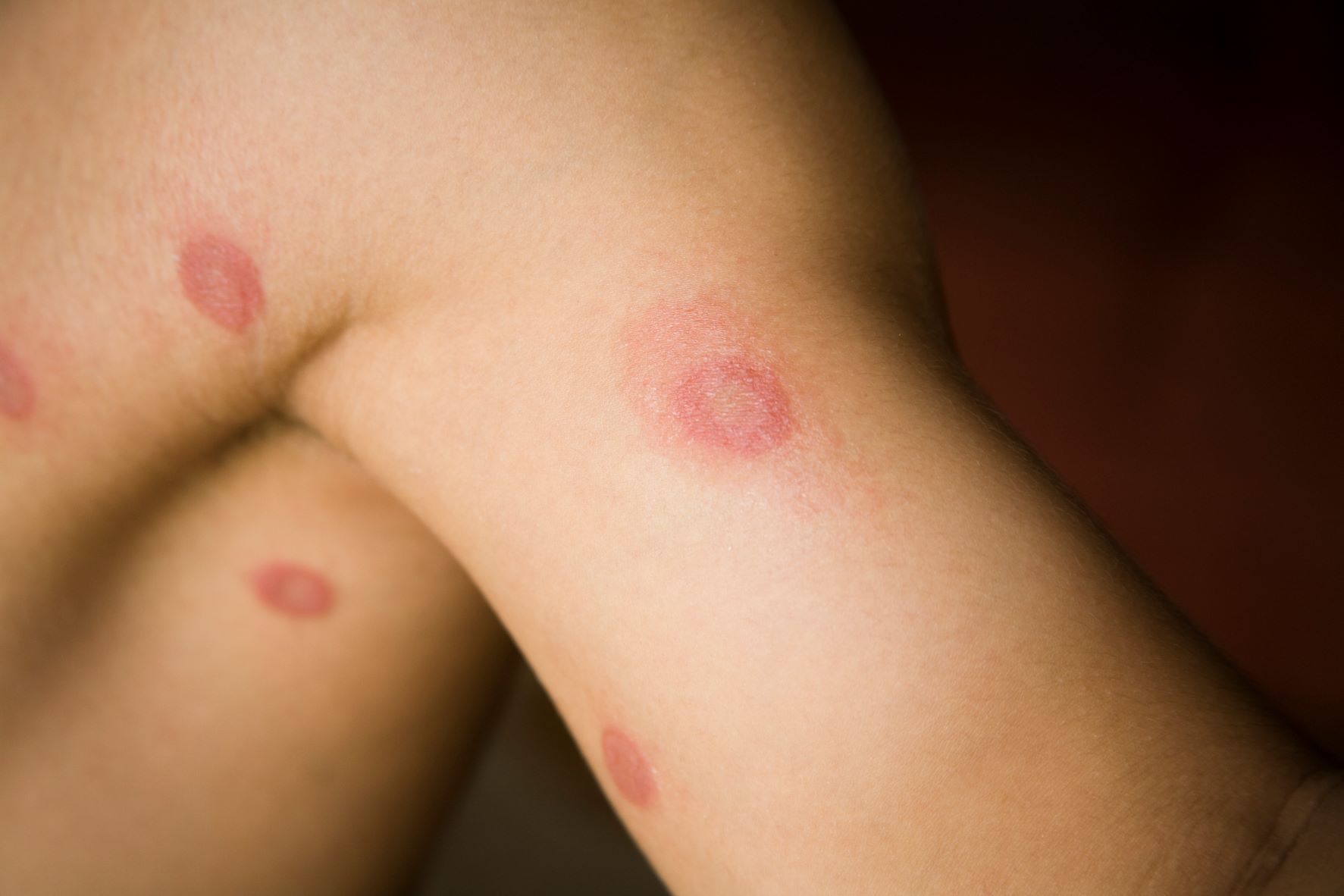
Have you ever cuddled your furry feline friend and wondered, “Could I catch something from my cat?” If you’re a cat owner, you’re probably aware of ringworm, a common skin infection that affects both animals and humans.
But how contagious is ringworm when it jumps from cats to humans? Imagine you’re enjoying a peaceful evening at home, your cat purring contentedly beside you. Suddenly, you notice a suspicious rash on your arm. Panic sets in—is this ringworm?
Understanding how ringworm spreads and knowing the risks can help you protect yourself and your beloved pet. You’ll discover the surprising truth about ringworm transmission, and learn how you can keep both your skin and your cat healthy. You’ll find out what precautions to take, and what treatments are available if you do catch ringworm. So, if you’re concerned about the health of your skin and your cat, keep reading to arm yourself with valuable insights.
What Is Ringworm?
Ringworm, a fungal infection, is highly contagious and can easily spread from cats to humans through direct contact. Touching infected skin or fur increases the risk of transmission, making caution essential around infected pets.
Ringworm isn’t actually a worm, but a misleading name for a common fungal infection that affects both cats and humans. You might have heard about it from your vet or even experienced its itchy annoyance yourself. It’s a skin condition that can look like a circular rash and often brings curiosity and concern. But what exactly is ringworm, and why should you care if your furry friend contracts it?Understanding The Fungus
Ringworm is caused by a group of fungi called dermatophytes. These microscopic organisms thrive on the outer layer of skin, hair, and nails. When they invade, they cause a red, itchy rash that can be quite bothersome. Think of them as tiny invaders that love warm, moist environments. You might wonder how they spread so easily. It’s simple—direct contact with an infected cat or even touching contaminated objects like bedding or grooming tools can transfer the fungus to your skin.Common Symptoms In Cats And Humans
In cats, ringworm can manifest as bald patches or scaly areas on their skin. Sometimes, it looks like dandruff, and often, it’s accompanied by itchiness. Your feline friend might seem uncomfortable, scratching or licking at the affected areas frequently. Humans typically experience a circular, red rash that is itchy and slightly raised. You might notice it on your arms, legs, or even your scalp. This rash can be annoying, but it’s treatable with over-the-counter antifungal creams. Have you noticed a rash after petting your cat? Or maybe your cat is suddenly losing patches of fur? It’s essential to pay attention to these symptoms. They could be signs of ringworm, and prompt action can prevent further spread. Are you taking the necessary precautions to protect yourself and your furry companion? Understanding the symptoms is the first step in tackling this pesky infection.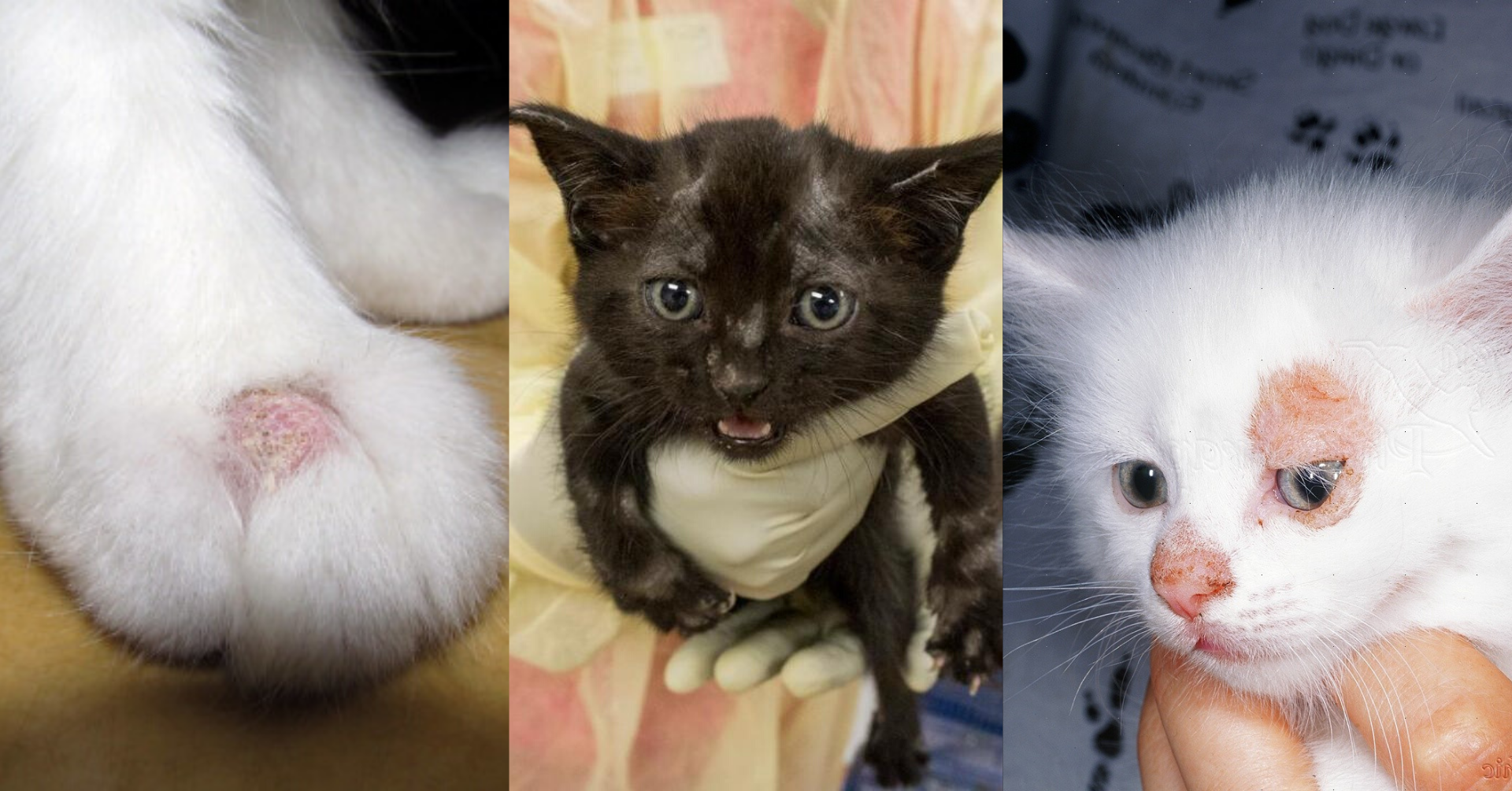
Credit: www.coloradoanimalrescue.org
Transmission From Cats To Humans
Ringworm can spread from cats to humans through direct contact with infected fur or skin. It’s a fungal infection, not a worm, and can cause itchy, red skin patches. Regular hand washing and avoiding contact with infected areas help reduce transmission risk.
Transmission from cats to humans is a concern many pet owners face when dealing with ringworm. This fungal infection is not only common in cats but can easily pass to humans. Understanding how transmission occurs is essential for keeping your family safe.Direct Contact Risks
Direct contact with an infected cat poses significant risks. Imagine petting your furry friend and unknowingly touching an infected patch of skin. The fungus can transfer to your skin through this simple interaction. Handling your cat’s bedding or grooming tools without protection also increases your exposure. To minimize this risk, always wash your hands thoroughly after touching your cat or their belongings. Gloves can be your best friend when dealing with an infected pet.Environmental Transmission
Ringworm can survive in the environment for months, making it a silent threat. Spores can linger on surfaces such as furniture, carpets, and even clothing. If your cat roams freely in the house, these spores can spread without you noticing. Regular cleaning is crucial to prevent environmental transmission. Use disinfectants on commonly used surfaces and vacuum your home frequently. Be mindful of shared spaces where your cat sleeps or plays. You might wonder, have you ever thought about how often your cat lounges on your couch? These are hot spots for transmission, so keeping them clean can protect you and your family. By understanding these transmission methods, you can take proactive steps to protect yourself. Have you checked your cleaning habits lately? Simple changes can make a big difference in preventing ringworm from spreading.Factors Influencing Contagion
Ringworm is a common fungal infection. It spreads easily from cats to humans. Various factors influence this contagion. Understanding these factors helps in managing the risk. A healthy approach can limit the spread of ringworm.
Age And Health Of The Cat
Young cats often carry ringworm. Their immune systems are still developing. Older cats with health issues also pose a risk. Weak immune systems increase fungal growth. Regular vet checks can detect ringworm early. A healthy cat lowers contagion risk.
Human Vulnerability
Humans with weak immune systems are more vulnerable. Children and elderly are at higher risk. Skin conditions increase susceptibility. Close contact with infected cats heightens exposure. Hygiene practices can reduce infection chances.
Preventing Transmission
Ringworm is a fungal infection. It can spread from cats to humans easily. Understanding how to prevent transmission is crucial for pet owners. This section will explore effective ways to minimize the risk.
Hygiene Practices
Maintaining good hygiene is essential. Wash your hands after touching your cat. Use soap and warm water. Keep your cat’s living area clean. Disinfect surfaces regularly. Avoid sharing personal items with your cat. This includes towels and bedding. Educating family members about hygiene is vital.
Regular Veterinary Care
Visit the vet regularly. Schedule routine check-ups for your cat. A vet can diagnose ringworm early. They provide treatment options. Early detection reduces the risk of spread. Follow the vet’s advice for medication and care. Keep your cat healthy and free from infections.
Treatment Options
Ringworm can spread easily from cats to humans. Understanding treatment options is important. Both cats and humans need to be treated to stop the spread.
Medications For Cats
Infected cats should see a vet. The vet might prescribe antifungal pills. These pills fight the ringworm from the inside. Topical ointments can also help. Apply them directly to the affected area. They work to kill the fungus on the skin. Regular bathing with medicated shampoos is useful. It helps remove fungal spores from the cat’s fur.
Treating Infected Humans
Humans can use over-the-counter antifungal creams. Apply them to the infected skin. These creams work well if used regularly. In severe cases, a doctor might prescribe oral medications. They help fight the fungus throughout the body. Keeping the infected area clean is crucial. Use soap and water to wash the skin daily.
Prevent spreading to others by covering the infected area. Use bandages or clothing. Avoid sharing towels or clothes. This reduces the risk of passing the fungus to others.

Credit: www.verywellhealth.com
Myths And Misconceptions
Many people fear catching ringworm from their cats. This fear is often fueled by myths and misconceptions. Understanding the truth about ringworm transmission can ease concerns.
Common Misunderstandings
Some believe ringworm is a worm. It is not. Ringworm is a fungus that affects the skin. The name comes from the ring-shaped rash it causes.
Another myth is that every cat has ringworm. This is false. Not all cats carry this fungus. Healthy cats with strong immune systems are less likely to have it.
Many think ringworm spreads through direct contact only. This is misleading. It can spread through contaminated objects like bedding or brushes.
Clarifying The Facts
Ringworm is indeed contagious from cats to humans. Yet, it is not always easily spread. Good hygiene reduces the risk significantly.
Some people are more vulnerable to infection. Those with weakened immune systems or skin conditions might be at higher risk.
Washing hands after touching a cat is key. It helps prevent the spread of ringworm.
Regular vet check-ups for your cat can catch ringworm early. This reduces the chance of transmission to humans.
Remember, understanding ringworm leads to better prevention. Myths can lead to unnecessary fear and confusion.
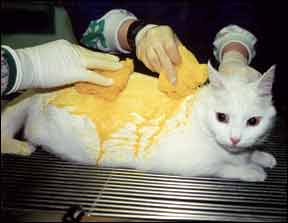
Credit: www.catwatchnewsletter.com
Frequently Asked Questions
How Long Is Cat Ringworm Contagious?
Cat ringworm remains contagious for about 3 weeks with proper treatment. Isolate infected cats to prevent spreading. Regularly clean the environment and wash bedding. Consult a vet for guidance and medication.
Do I Need To Quarantine If My Cat Has Ringworm?
Quarantine is not necessary for humans if your cat has ringworm. Ringworm is a fungal infection, contagious between animals and humans, so minimize contact and wash hands after handling. Consult a vet for treatment and advice to prevent spreading. Maintain cleanliness in the home to reduce infection risk.
What To Do If A Cat Gives You Ringworm?
Wash the affected area with soap and water. Apply antifungal cream as directed by a doctor. Keep the area clean and dry. Avoid scratching to prevent spreading. Consult a healthcare professional for severe cases. Regularly clean your environment to prevent re-infection.
Do I Need To Clean My House If My Cat Has Ringworm?
Yes, cleaning your house is essential if your cat has ringworm. Disinfect surfaces, wash bedding, and vacuum regularly. This helps prevent the spread of the fungus and protects other pets and humans from infection. Consistent cleaning ensures a healthier environment during your cat’s treatment.
Conclusion
Ringworm can spread easily from cats to humans. Practicing good hygiene helps. Wash hands after touching cats. Avoid sharing bedding or clothing with infected pets. Look for signs of ringworm on your skin. Seek treatment promptly if you suspect infection.
Regular vet visits can prevent ringworm in cats. Keep your home clean to minimize risks. Educate children about not touching stray animals. Understanding the symptoms ensures quick action. Protect yourself and your family. Stay informed to keep ringworm at bay.
A healthy environment benefits both pets and humans.

Similar Posts