Is Upper Respiratory Infection Contagious in Cats? Discover Facts
Imagine this: you come home after a long day, ready to be greeted by your furry feline friend, only to find them sneezing and looking under the weather. Suddenly, you start to worry—could it be an upper respiratory infection?
And more importantly, is it contagious? If you’ve ever wondered about the health risks associated with upper respiratory infections in cats, you’re in the right place. Whether you have multiple cats or just want to ensure the well-being of your beloved pet, understanding the contagious nature of these infections is crucial.
Keep reading to uncover essential insights that can help you protect your cat and maintain a healthy, happy home environment.
Credit: www.marvistavet.com
Understanding Upper Respiratory Infections In Cats
Understanding upper respiratory infections in cats is essential for every cat owner. These infections can affect your feline friend’s breathing, making them uncomfortable and sometimes leading to serious health issues. By knowing what causes these infections and recognizing the symptoms early, you can take action to protect your cat’s health.
Common Causes And Pathogens
Upper respiratory infections in cats are often caused by viruses and bacteria. One common culprit is the feline herpesvirus, which can easily spread between cats. Another frequent cause is the feline calicivirus, which can be sneaky as it might not show symptoms immediately.
These pathogens thrive in environments with close contact, like shelters or multi-cat households. If your cat is exposed to other cats, there’s a higher risk. You might be surprised to learn that stress can also weaken your cat’s immune system, making them more susceptible to infections.
Symptoms To Watch For
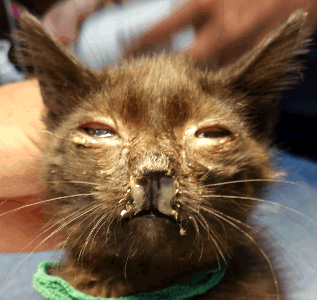
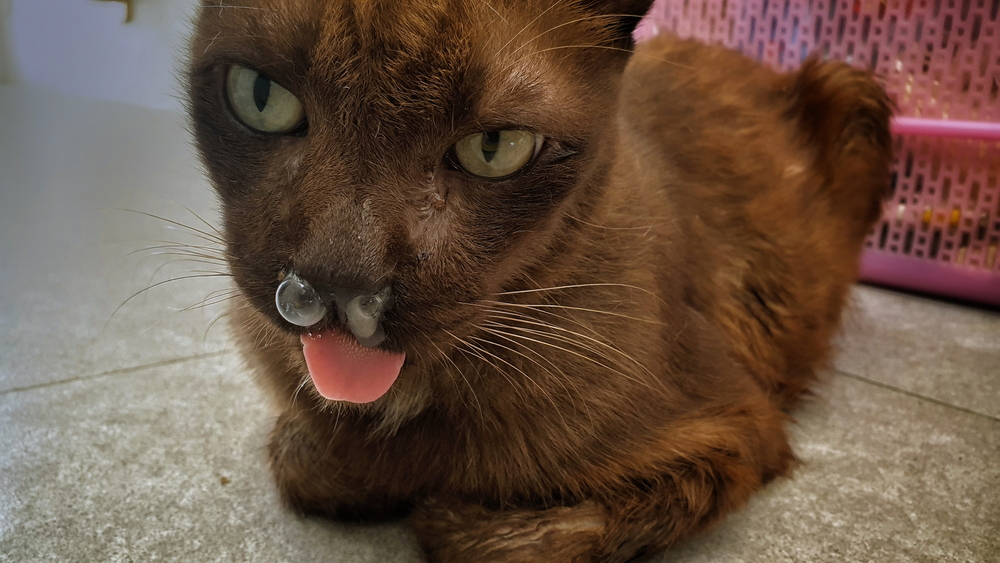
If your cat sneezes more than usual, it could be a sign of an upper respiratory infection. Pay attention to any nasal discharge; if it’s thick or colored, consult your vet. A persistent cough or wheezing is another red flag that shouldn’t be ignored.
Loss of appetite or lethargy can also indicate your cat is battling an infection. Think about how you’d feel with a cold; your cat might feel similar. If you notice these symptoms, prompt action can prevent the condition from worsening.
Have you ever considered how a small change in your cat’s behavior might signal a health issue? Observing your cat closely can help you catch these subtle signs early. It’s your responsibility to ensure their well-being.

Credit: www.riverlandingsanimalclinic.com
Contagious Nature Of Upper Respiratory Infections
Upper respiratory infections (URIs) in cats can spread like wildfire. If you’ve ever nursed a sick kitty back to health, you know how easily they can pass these infections to other cats. Understanding how these infections spread can help you protect your feline friends.
Transmission Methods
Cats can pass URIs through direct contact. This means when cats groom each other or share the same food and water bowls, they are at risk. Even sneezing can release droplets carrying the infection into the air.
Contaminated surfaces are another common transmission method. If a sick cat touches blankets, toys, or furniture, they leave behind germs. Healthy cats who come into contact with these items can easily pick up the infection.
Risk Factors For Spread
Certain conditions make it easier for URIs to spread among cats. Crowded environments like shelters and catteries are hotbeds for these infections. With so many cats in close quarters, transmission becomes almost inevitable.
Cats with weakened immune systems are also more susceptible. Older cats, kittens, and those with underlying health conditions can catch infections more easily. Have you noticed your cat getting sick more often in stressful situations? Stress can also weaken their defenses.
It’s crucial to identify these risk factors and mitigate them. Are there ways you can improve your cat’s environment to reduce stress? Could you provide them with a private space away from other cats when they are unwell?
Understanding the contagious nature of URIs can make a significant difference in your cat’s health. By being proactive, you can help keep these pesky infections at bay.
Diagnosing Upper Respiratory Infections In Cats
Upper respiratory infections in cats can easily spread from one cat to another. Close contact or shared spaces increase the risk of transmission. Symptoms include sneezing, coughing, and runny nose, often requiring a vet’s diagnosis for proper treatment.
Diagnosing upper respiratory infections in cats can be tricky, but it’s crucial for ensuring your furry friend gets the right treatment. You might notice symptoms like sneezing, coughing, or a runny nose. These signs, while common, can be misleading. What should you do if your cat starts showing these symptoms? Understanding how veterinarians diagnose these infections is key to getting your cat back to feeling their best.Veterinary Assessment
During a veterinary assessment, the vet will thoroughly examine your cat. They’ll look for signs of infection, such as discharge from the eyes or nose. Your vet might ask about any recent changes in your cat’s behavior or environment. These questions help pinpoint potential exposure to infectious agents. Have you recently introduced a new cat to the household? This could be a clue!Diagnostic Tests Available
There are several diagnostic tests available to confirm a diagnosis. A common test involves swabbing the inside of your cat’s nose or throat. This sample can reveal the presence of bacteria or viruses causing the infection. Blood tests can also provide insights into your cat’s health. They help determine if there’s an underlying issue affecting your cat’s immune response. These tests are essential for tailoring the right treatment plan. Would you want to skip a test that could speed up recovery? It’s worth considering all available options to ensure your cat receives the most effective care.Treatment Options For Infected Cats
Upper respiratory infections in cats can be distressing. Early treatment helps in easing symptoms. Various treatment options are available to help infected cats. These include medications, therapies, and home care strategies.
Medications And Therapies
Antibiotics are often used to treat bacterial infections. Veterinarians may prescribe antiviral drugs for viral infections. These medications help reduce the severity of symptoms. Cough suppressants can ease discomfort in some cats. Decongestants may be used to relieve nasal congestion.
Fluid therapy might be necessary for dehydrated cats. This can be administered at a veterinary clinic. Nebulization can help soothe inflamed airways. It involves inhaling medicated mist to reduce irritation. In severe cases, hospitalization may be required for intensive care.
Home Care And Management
Ensure your cat stays hydrated by providing fresh water. Offer wet food to encourage eating and maintain nutrition. Warm your cat’s food to enhance aroma and appeal. Keep your cat in a warm, humid environment. A humidifier can help ease breathing difficulties.
Regularly clean your cat’s nose and eyes with a damp cloth. Isolate the infected cat from other pets to prevent spread. Wash your hands after handling your cat to avoid contagion. Provide plenty of rest and a stress-free environment. Monitor your cat’s symptoms and seek veterinary advice if needed.
Preventing The Spread Of Infection
Upper respiratory infections in cats are highly contagious. They spread easily in multi-cat homes. Minimizing the risk of transmission is crucial. Understanding how to prevent the spread helps keep all cats healthy.
Vaccination And Immunization
Vaccines are vital in preventing infections. They boost a cat’s immune response. Regular vaccinations reduce the risk significantly. Consult a vet for an appropriate vaccination schedule. Vaccinated cats have a stronger defense against viruses.
Sanitation And Hygiene Practices
Good hygiene is key to reducing infection spread. Clean litter boxes frequently. Wash food and water bowls daily. Disinfect toys and bedding regularly. Ensure proper ventilation in living areas. These practices create a healthier environment for cats.
When To Seek Professional Help
Understanding when to seek professional help for a cat’s upper respiratory infection is crucial. These infections can worsen quickly. Timely intervention ensures your cat’s health and comfort. Knowing the right moments to consult a vet can prevent complications.
Signs Of Complications
Watch for signs of complications in your cat. Persistent sneezing might indicate worsening issues. Discharge from the eyes or nose can signal a severe infection. Notice if your cat’s appetite decreases. Weight loss is a worrying sign. Breathing difficulties need immediate attention. These symptoms require a vet’s evaluation.
Emergency Situations
In some cases, you must seek immediate care. Labored breathing is a red flag. Open-mouth breathing is an emergency. If your cat collapses, visit a vet instantly. Extreme lethargy or unresponsiveness are serious signs. Quick action can save your cat’s life. Don’t hesitate to call a professional in emergencies.
Credit: wesvet.com
Frequently Asked Questions
What Is The Fastest Way To Get Rid Of An Upper Respiratory Infection In Cats?
Consult a vet for antibiotics and supportive care. Ensure your cat has a warm, stress-free environment. Increase hydration and provide nutritious food. Use a humidifier to ease breathing. Avoid over-the-counter medications without veterinary advice. Regular check-ups are crucial to monitor recovery progress.
Can Humans Catch Respiratory Infections From Cats?
Yes, humans can catch some respiratory infections from cats. Diseases like cat flu and certain bacterial infections can transfer. It’s essential to maintain good hygiene and regular veterinary check-ups to minimize risk. Always consult with a healthcare professional for concerns about zoonotic diseases.
Can My Cat Give My Other Cat A Respiratory Infection?
Yes, your cat can transmit a respiratory infection to another cat through direct contact or shared environment. It’s essential to keep infected cats separate to prevent spreading. Always consult a vet for proper diagnosis and treatment to ensure your cats’ health.
How Do Cats Catch An Upper Respiratory Infection?
Cats catch upper respiratory infections through contact with infected cats or contaminated objects. Viruses or bacteria spread via sneezing, coughing, or sharing food and water bowls. Stress or poor immunity increases susceptibility. Regular vet check-ups help prevent infections.
Conclusion
Cats can catch and spread upper respiratory infections. These infections spread through sneezes, shared bowls, and bedding. Early detection is important for your cat’s health. Watch for symptoms like sneezing, runny nose, and eye discharge. Keep infected cats away from healthy ones.
Regular check-ups with the vet help keep infections at bay. Proper care and hygiene reduce the risk of spreading infections. Stay informed and protect your feline friends. Healthy cats are happy cats. Keep them safe and well.