Are Tapeworms in Cats Contagious to Humans? Uncover Truth

Imagine you’re petting your fluffy feline friend, and you notice something isn’t right. You’ve heard about tapeworms in cats, but now you’re worried: could these parasites spread to you or your family?
You’re not alone in this concern. Many cat owners wonder if their beloved pets could unknowingly turn into carriers of this unwelcome guest. Understanding the connection between tapeworms in cats and human health is crucial. We’ll explore whether your cat’s tapeworms can make the jump to humans and what steps you can take to protect yourself and your family.
So, if you care about your health and your cat’s well-being, keep reading to uncover the facts and myths surrounding this common issue.

Credit: www.catster.com
What Are Tapeworms?
Tapeworms are parasites. They live in the intestines of animals. Cats are common hosts for tapeworms. These worms are flat and long. They resemble ribbons. Tapeworms attach to the walls of the intestines. They absorb nutrients from their hosts. This affects the health of the infected animal. Tapeworms in cats can pose risks to humans too. Understanding these parasites is vital for pet owners.
Types Of Tapeworms
Different types of tapeworms infect cats. Dipylidium caninum is the most common one. Cats often get this from fleas. Another type is Taenia. This comes from eating infected rodents. Echinococcus is more dangerous. It can affect humans severely. Each type has unique characteristics. Knowing the types helps in prevention and treatment.
Life Cycle Of Tapeworms
The life cycle of tapeworms is complex. It starts with eggs. Fleas often carry these eggs. Cats ingest fleas during grooming. The eggs hatch into larvae inside the cat. They grow into adult tapeworms. Adult worms produce segments full of eggs. These segments pass through feces. They infect new hosts. Understanding the cycle is key to controlling tapeworms.
Tapeworm Infection In Cats
Tapeworm infections are common in cats. These parasites can live in a cat’s intestines. They are long and flat. Cats can get tapeworms by eating infected fleas. Sometimes, they may eat small animals with tapeworms. Knowing the signs can help you act quickly.
Symptoms In Cats
Watch for several symptoms in your cat. You might see them scooting their bottom on the floor. This can be a sign of itchiness. Another sign is weight loss. Even if they eat well, they might lose weight. You might notice small, rice-like segments near their tail. These segments are parts of the tapeworm. Sometimes, they may vomit or have diarrhea.
How Cats Get Infected
Cats often get infected through fleas. Fleas carry tapeworm larvae. When a cat grooms itself, it might eat a flea. The larvae then grow into adult tapeworms inside the cat. Hunting cats have another risk. They can eat rodents or birds with tapeworms. This can lead to an infection.
Transmission To Humans
Tapeworms in cats can sometimes transfer to humans, particularly through accidental ingestion of infected fleas. Maintaining good hygiene and regular pet deworming can help prevent this transmission.
Transmission of tapeworms from cats to humans is a significant concern. Cats may become infected with tapeworms, and under certain conditions, humans can be at risk too. Understanding how transmission occurs is essential for prevention.Ways Humans Can Get Infected
Humans may get tapeworms through accidental ingestion. This typically happens when flea-infested cats interact closely with people. Fleas carry tapeworm eggs, which can be transferred to humans. If these eggs are ingested, they can develop into tapeworms in the human digestive tract. Another way is through contaminated surfaces or hands. If a person touches a surface or item contaminated with tapeworm eggs, then eats without washing hands, infection is possible.Risk Factors For Humans
Certain factors increase the risk of transmission. Living in close quarters with infected cats is one risk. Poor hygiene practices also elevate the risk. Not washing hands after handling cats can lead to accidental ingestion. Infants and young children face a higher risk due to frequent hand-to-mouth behavior. Homes with heavy flea infestations are more susceptible to tapeworm transmission. Avoiding these risk factors can reduce the likelihood of infection.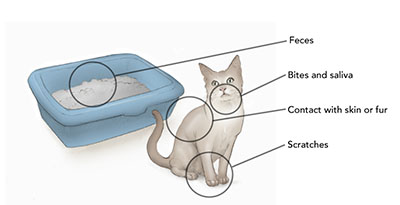
Credit: www.vet.cornell.edu
Preventing Tapeworm Transmission
Preventing tapeworm transmission between cats and humans is crucial for health. Tapeworms can cause discomfort and health issues. While direct transmission is rare, taking precautions is important. Following some simple steps can protect both you and your furry friend.
Hygiene Practices
Washing hands after touching your cat is vital. Use soap and warm water for thorough cleaning. Ensure litter boxes are cleaned regularly. Use gloves when handling waste. Dispose of cat feces promptly to reduce risk. Avoid contact with outdoor environments where cats roam. Fleas spread tapeworms, so flea control is essential.
Regular Veterinary Care For Cats
Regular check-ups with a vet help keep your cat healthy. A vet can check for tapeworms and other parasites. Deworming treatments prevent tapeworm infections. Follow a vet’s advice for the best treatment schedule. Keep your cat indoors to limit exposure to fleas and infected animals. Healthy cats have less risk of spreading parasites.
Treating Tapeworms In Cats And Humans
Tapeworms can be a real worry for cat owners. These parasites affect not only cats but sometimes humans too. Treating tapeworms in cats and humans is essential to prevent spread. Both humans and pets need effective remedies. Let’s explore treatment options for both.
Medications For Cats
Veterinarians often prescribe deworming tablets for cats. These medications are safe and effective. They kill tapeworms quickly. Common drugs include praziquantel and fenbendazole. Administer these under vet guidance. Proper dosage is crucial for success. Always follow the vet’s instructions.
Treatment Options For Humans
Humans can get tapeworms from pets. Over-the-counter medications can help. Albendazole and praziquantel are common choices. Consult a doctor for advice. They will recommend the best treatment. Early intervention is key to recovery. Follow medical advice carefully.
Myths And Misconceptions
People often worry about tapeworms from cats spreading to humans. This is a rare occurrence. Direct contact with tapeworm eggs in cat feces poses a risk, but good hygiene practices significantly reduce this chance.
When it comes to understanding the transmission of tapeworms from cats to humans, myths and misconceptions abound. Many cat owners worry about the risks, often fueled by hearsay and misinformation. This section sheds light on these misconceptions, providing clarity and science-backed insights to ease your mind.Common Misunderstandings
A widespread myth is that simply petting your cat can lead to a tapeworm infection. In reality, direct human infection via casual contact is exceedingly rare. Tapeworms typically require a flea vector, meaning you would have to ingest an infected flea to become infected yourself. Another common misunderstanding is the belief that all worms found in cats are highly dangerous to humans. While it’s important to maintain good hygiene, not all worms pose a significant health risk to people. Some people think that if a cat has worms, the whole house is automatically infested. This is not the case. Regular cleaning and flea control can keep your home safe.Scientific Evidence
Scientific studies have shown that the risk of humans contracting tapeworms from cats is quite low. The primary species of tapeworms found in cats, Dipylidium caninum, requires intermediate hosts like fleas to complete its lifecycle. Therefore, maintaining a flea-free environment is key. Research also points out that human infections are usually linked to accidental ingestion of an infected flea. This could happen if, for example, a child plays in an area where fleas are present. This is rare and preventable with vigilant flea control. Finally, experts emphasize that good hygiene practices significantly reduce the already low risk. Washing hands after playing with pets, keeping your cat’s living area clean, and regular vet check-ups are practical steps you can take. Have you ever wondered if you’re doing enough to protect your family from potential zoonotic diseases? Understanding the real risks and how to prevent them can offer peace of mind. By debunking these myths, you can enjoy the companionship of your feline friend without unnecessary worry.
Credit: www.petshed.com
Frequently Asked Questions
How Likely Is It To Get Tapeworms From Your Cat?
Cats can transmit tapeworms to humans, but it’s rare. Transmission usually occurs through accidental ingestion of infected fleas. Practicing good hygiene, regular vet check-ups, and flea control can minimize risks. Keep your cat healthy to reduce the chance of infection.
Regularly wash hands and maintain a clean environment.
Can I Touch My Cat If It Has Tapeworms?
Yes, you can touch your cat with tapeworms. Wash your hands afterwards to prevent any potential transmission. Ensure your cat receives proper treatment from a veterinarian to eliminate the tapeworms. Regular hygiene and vet visits keep your pet healthy and safe.
Can Humans Get Sick From A Cat That Has Worms?
Yes, humans can get sick from cats with worms. Roundworms and hookworms can be transmitted to humans. Always maintain good hygiene and ensure your cat is regularly dewormed. Consult a veterinarian for the best prevention methods.
Do I Need To Clean My House If My Cat Has Tapeworms?
Yes, clean your house thoroughly. Vacuum carpets and wash pet bedding to remove any tapeworm eggs. Disinfect surfaces and keep litter boxes clean. Regular cleaning helps prevent reinfection and keeps your home safe for both pets and humans.
Conclusion
Cats can pass tapeworms to humans, but it’s rare. Simple precautions help prevent this. Wash hands after petting cats. Keep litter boxes clean. Deworm your cat regularly. Monitor any symptoms in cats and humans. Seek medical advice if you suspect infection.
Understanding tapeworm transmission aids prevention. Keep your family safe. Stay informed. Educate others about pet hygiene. Spread awareness among cat owners. A little care goes a long way. Stay proactive with your pets’ health. Your vigilance ensures a healthy household.
Protect your loved ones from potential risks. Enjoy the companionship of your furry friend with peace of mind.

Similar Posts