How to Train a Cat to Use Litter Box: Expert Tips
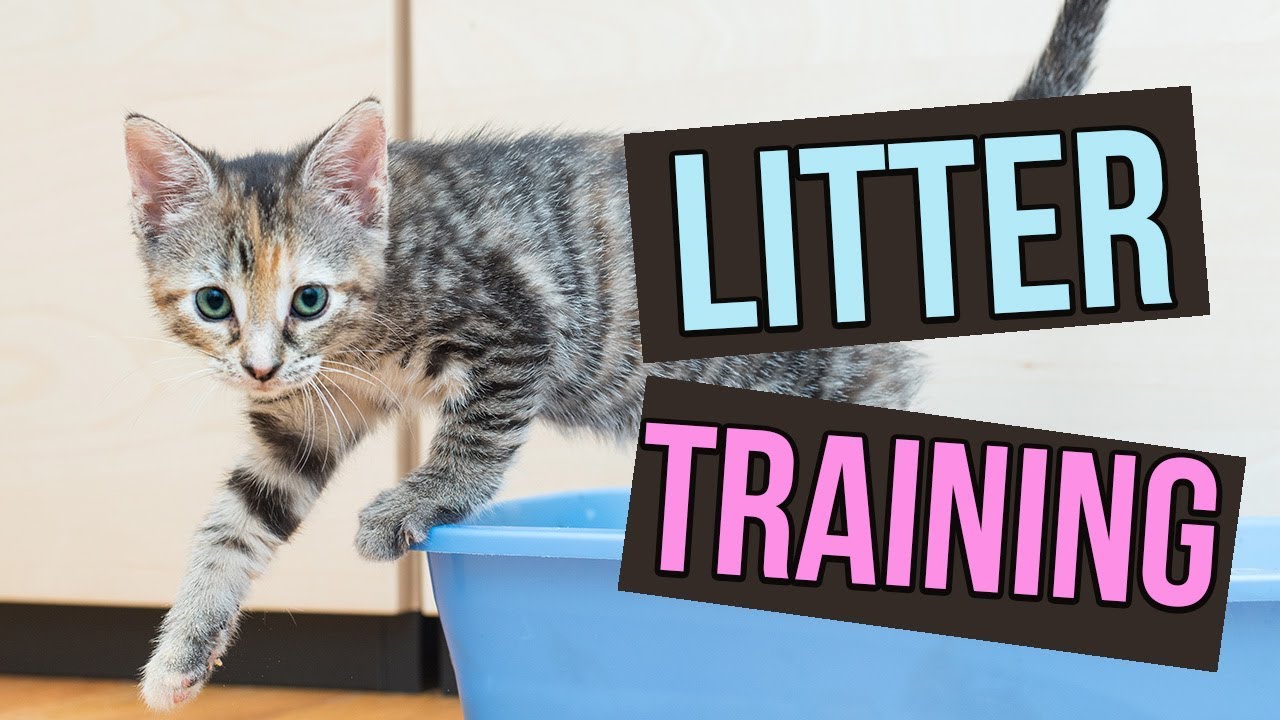
Are you tired of dealing with messy surprises from your feline friend? If so, you’re not alone.
Training a cat to use a litter box can seem like a daunting task, but it doesn’t have to be. Imagine the peace of mind you’ll feel knowing that your cat has mastered this essential skill. In this guide, you’ll discover simple, effective techniques to ensure your cat uses the litter box reliably.
By the end of this article, not only will your home be cleaner, but you’ll also strengthen the bond with your pet. Ready to turn that frustration into relief? Let’s get started on making your life—and your cat’s—so much easier!
Choosing The Right Litter Box
Training a cat to use a litter box starts with choosing the right one. The right litter box ensures comfort and encourages proper habits. It plays a crucial role in the training process. Cats can be picky about their litter boxes. Selecting the right box is essential for success.
Size And Shape Considerations
Size matters. Cats need space to move around. A cramped box may lead to accidents outside. Choose a box that matches your cat’s size. Larger breeds need bigger boxes. Consider the height of the box. A low entry is easier for kittens and older cats. Check the depth too. Deep boxes help contain litter better.
Shape affects usability. Rectangular boxes fit well in corners. They offer more room for your cat to turn around. Oval shapes can be stylish but may limit movement. Think about your home layout. Ensure the box fits well in its designated spot.
Types Of Litter Boxes
Open boxes are popular. They allow easy access and visibility. Cats often prefer them for their simplicity. Covered boxes provide privacy. They help contain odors and reduce mess. Some cats enjoy the enclosed space. Consider your cat’s personality.
Self-cleaning boxes are convenient. They automatically scoop waste. These save time but might scare some cats. Make sure to introduce them slowly. Disposable boxes offer convenience for travel. They are lightweight and easy to use. These are good for temporary solutions.
Think about your lifestyle and your cat’s needs. Choose a type that fits both well. A happy cat makes training easier and more effective.
Selecting Suitable Cat Litter
Choosing the right cat litter can make training easier. Cats can be picky about where they go. The right litter encourages them to use the box. Start by understanding the types available. This helps you find what your cat prefers.
Clumping Vs. Non-clumping
Clumping litter forms solid masses when wet. This makes cleanup simple and keeps the box fresh. Non-clumping litter absorbs moisture but doesn’t form clumps. It may need more frequent changes. Each type has its benefits. Consider your cleaning preference and your cat’s needs.
Scented Vs. Unscented
Scented litter masks odors with fragrances. This can be pleasant for humans. But some cats dislike strong scents. Unscented litter offers a neutral smell. It might be better for sensitive cats. Test both to see which your cat prefers. A comfortable cat is more likely to use the litter box.
Placement Of The Litter Box
Training your cat to use a litter box is an essential part of cat ownership. The placement of the litter box plays a crucial role in ensuring your cat feels comfortable using it. If you’ve ever wondered why your cat is avoiding the litter box, you might want to consider its location. Proper placement can make all the difference in encouraging your feline friend to use it consistently.
Accessibility And Privacy
Cats appreciate easy access to their litter box. Make sure it is located in a spot that’s easy for them to reach, whether you have a kitten or an older cat. You don’t want your cat to have to navigate a maze to reach the box.
While accessibility is important, cats also value their privacy. Place the litter box in a quiet area where they can do their business without interruptions. Would you enjoy using the restroom in a bustling room? Neither does your cat.
Avoiding Disruptive Areas
Keep the litter box away from high-traffic areas. A location near the front door or a busy hallway can be unsettling for your cat. Think of it as finding a calm corner in your home where your cat can feel at ease.
Avoid placing the litter box near loud appliances like washing machines or dishwashers. The sudden noises can startle your cat and discourage them from using the box. Consider how you would feel if your bathroom suddenly roared to life with noise.
Consider experimenting with different spots and observe your cat’s behavior. What works for one cat might not work for another. Have you ever noticed your cat lingering in a particular room? That might be a clue to their preferred location.
Ultimately, the right placement can encourage good habits and ensure your cat feels comfortable. Observe your cat’s preferences and adjust accordingly. Where will you place your cat’s litter box next?
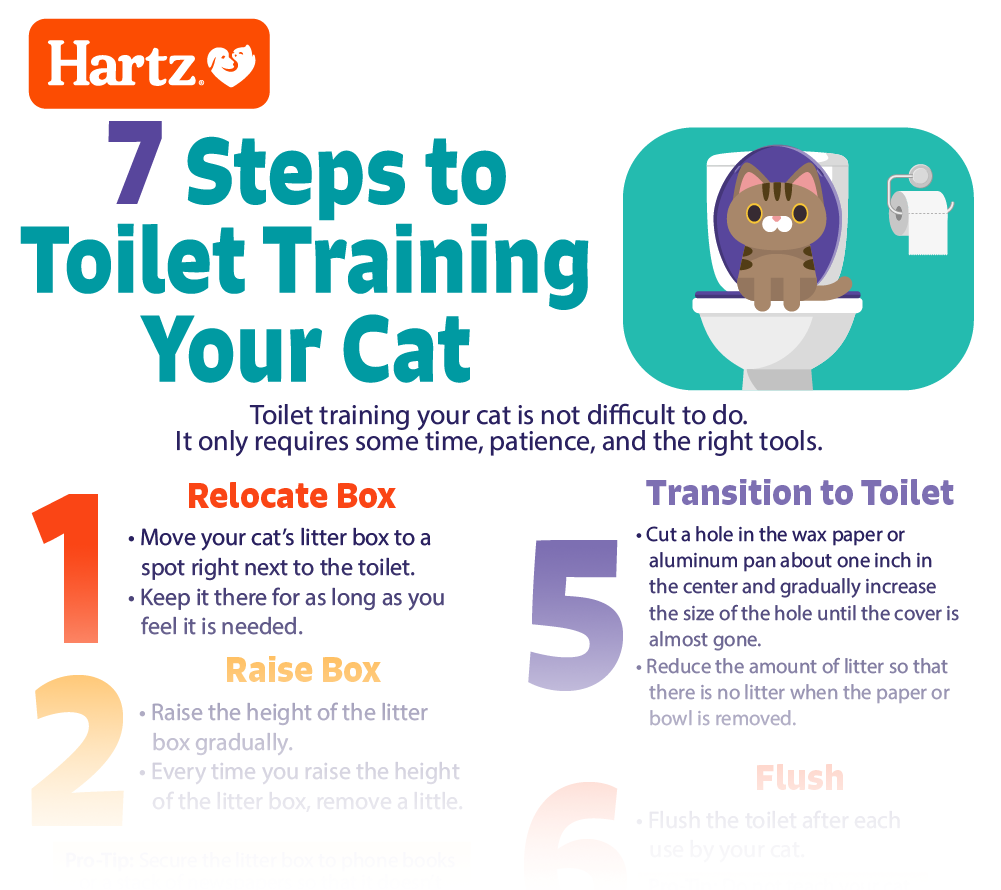
Credit: www.hartz.com
Introducing The Litter Box
Introducing the litter box is an important step in cat training. Cats are naturally clean creatures. A suitable litter box is vital for their comfort. Select a box that fits your cat’s size. Place it in a quiet, accessible spot. Avoid high-traffic areas and noisy locations. Cats prefer privacy. The right location makes a big difference.
Guiding Your Cat
Lead your cat to the litter box gently. Allow them to explore it. Let them sniff and walk around. Show them the litter by gently moving their paws in it. Cats learn by observation. Be patient. Consistency is key in training.
Using Positive Reinforcement
Reward your cat for using the litter box. Praise them with a soft voice. Offer a small treat. Positive reinforcement encourages good habits. Avoid scolding or punishment. Cats respond better to kindness. Celebrate their success to build confidence.
Maintaining Litter Box Hygiene
Teaching a cat to use a litter box involves patience and consistency. Start by placing the litter box in a quiet, accessible location. Encourage your cat to explore the area and gently place them in the litter box after meals or naps.
Maintaining litter box hygiene is crucial for the health and happiness of your feline friend. A clean litter box not only encourages your cat to use it consistently but also keeps unpleasant odors at bay. Understanding how to manage cleanliness can transform your home environment and strengthen your bond with your pet.Regular Cleaning Routine
Consistency is key when it comes to maintaining litter box hygiene. Aim to scoop the litter box at least once a day to remove waste promptly. This routine helps prevent the buildup of bacteria and keeps the area inviting for your cat. Consider setting a reminder or alarm on your phone to ensure you don’t skip days. A little dedication goes a long way in keeping both you and your cat happy. Remember, a clean box is more attractive and encourages your cat to use it regularly.Handling Odor Control
Odors can be a major deterrent for both cats and their owners. To tackle this, choose a high-quality litter designed to neutralize smells. Some litter brands come with added odor control features that can make a noticeable difference. Ventilation is another essential factor. Place the litter box in a well-ventilated area to allow fresh air to circulate. Adding a small air purifier nearby can also help manage any persistent odors. Have you ever walked into a room and been greeted by a powerful smell? Imagine how off-putting that is for your cat. Keeping odors under control not only makes your home pleasant but also encourages your cat to use the litter box more consistently. Do you have any tips or tricks that have worked for maintaining litter box hygiene? Share your experiences in the comments below!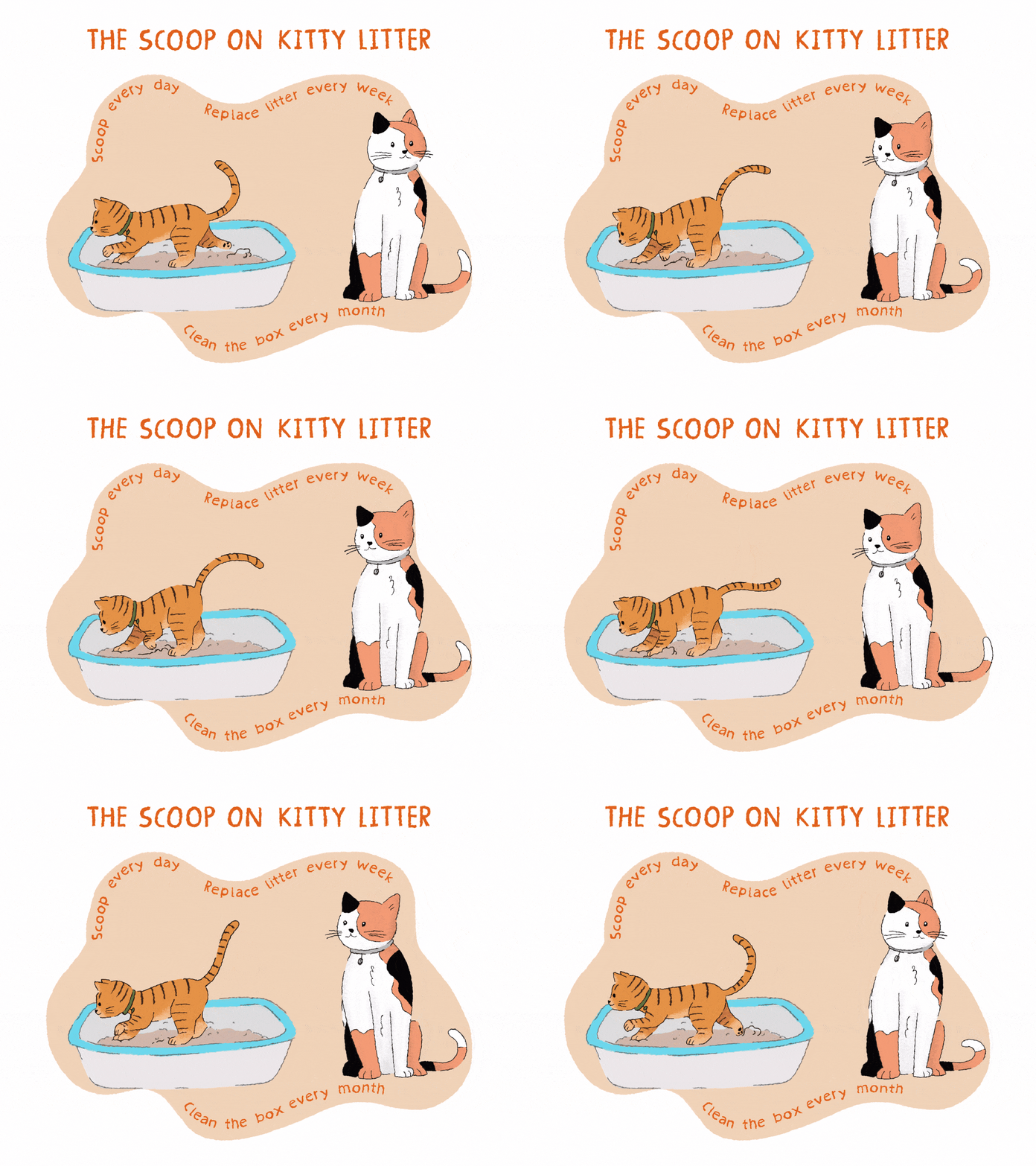
Credit: www.banfield.com
Dealing With Common Issues
Training a cat to use the litter box involves patience and consistency. Start by placing the box in a quiet, accessible location. Encourage your cat by gently placing it in the box after meals or naps.
Training a cat to use a litter box can be challenging, but understanding and addressing common issues can make the process smoother. Cats are independent creatures, and they sometimes have their own ideas about where to do their business. By anticipating and dealing with common issues, you can help ensure your cat is comfortable with their litter box.Addressing Refusal To Use
Is your cat refusing to use the litter box? This is a common issue that can often be traced back to simple problems. First, check the cleanliness of the box. Cats are fastidious creatures and may avoid a dirty litter box. Consider the location of the litter box. Is it in a noisy or busy area? Cats prefer privacy when they do their business. Try moving the litter box to a quieter, more secluded spot. Experiment with different types of litter. Some cats have preferences for the texture or scent of their litter. By addressing these potential issues, you may find your cat is more willing to use the box.Managing Stress And Anxiety
Stress and anxiety can also cause litter box avoidance. Have there been changes in your home recently? New pets, moving, or even rearranging furniture can stress your cat. Help your cat adjust by maintaining a calm environment. Spend time playing with them to build confidence and reduce anxiety. Another idea is to use pheromone diffusers, which can create a calming effect for your cat. This might ease their stress and make them more comfortable using the litter box. If your cat still struggles, it might be time to consult a veterinarian. Health issues can sometimes manifest as litter box problems. Have you ever noticed changes in your cat’s behavior that indicated something was wrong? Always trust your instincts.Behavioral Training Techniques
Training a cat to use a litter box involves patience and consistency. Start by placing the box in a quiet spot. Gently guide your cat to it after meals and naps.
Training your cat to use a litter box is essential for a harmonious home. Behavioral training techniques can make this process smooth and stress-free. These techniques focus on understanding and working with your cat’s natural behaviors. Let’s explore some effective strategies to help your feline friend master the litter box.Consistency And Patience
Consistency is key in training your cat. Place the litter box in a quiet, accessible location and keep it there. Cats thrive on routine. Changing the location frequently can confuse them. Be patient. Every cat learns at their own pace. If your cat makes mistakes, avoid scolding. Instead, gently place them in the litter box and encourage them. Celebrate small successes with affection or treats.Understanding Cat Signals
Recognizing your cat’s signals can prevent accidents. Cats often show specific behaviors when they need to use the litter box. Watch for signs like sniffing around or scratching at the floor. React quickly when you notice these signals. Guide them to the litter box immediately. This helps them associate the behavior with the location. Have you ever noticed your cat sitting by the door, seemingly lost in thought? That might be their way of telling you they need to go. Acknowledging these signals strengthens your communication with your pet. Training a cat requires understanding and respect for their natural instincts. With time, your cat will learn that the litter box is their designated spot. What signals does your cat show when they need to use the bathroom? Recognizing these can make all the difference in successful training.Consulting A Veterinarian
Training your cat to use the litter box can be an exciting journey, but sometimes challenges arise. If your feline friend is avoiding the litter box, consulting a veterinarian could be a game-changer. You might wonder why this step is crucial. It’s not just about medical advice; it’s about understanding your cat’s behavior from a professional perspective. The insights gained from a vet can pave the way to a stress-free litter box experience. Let’s explore this further.
Medical Reasons For Avoidance
Did you know that a cat’s refusal to use the litter box might be due to medical issues? Urinary tract infections, constipation, or arthritis can make the litter box an uncomfortable place. If your cat seems hesitant, consider these potential health problems. Ignoring them could lead to more severe issues, both for your cat’s health and your household peace.
Imagine discovering that your cat’s discomfort is due to a treatable condition. Wouldn’t you feel relieved knowing that a simple vet visit could solve the problem? Identifying these medical reasons early can prevent unnecessary stress for both you and your feline companion.
Professional Advice
Veterinarians offer more than just medical solutions. They can provide tailored advice for litter box training based on your cat’s unique personality and needs. They might suggest the best type of litter or box placement that suits your pet. Personalized guidance can make all the difference.
Consider your cat’s quirks—does it prefer privacy or an open space? A vet can help you navigate these preferences. With professional advice, you gain a deeper understanding of your pet, ultimately leading to a happier and healthier relationship.
Have you ever thought about how your actions might impact your cat’s behavior? A veterinarian can provide insights into your cat’s psychology, helping you adjust your training methods accordingly. This professional advice ensures you’re on the right path, making the training process smoother.
Credit: www.youtube.com
Frequently Asked Questions
How Long Does It Take To Train A Cat To Use A Litter Box?
Training a cat to use a litter box usually takes one to two weeks. Start by placing the box in a quiet, accessible location. Encourage your cat by showing the litter box and using positive reinforcement. Consistency and patience are key for success.
Adjust as needed for individual cat preferences.
How Do I Get My Cat To Use Its Litter Box?
Place the litter box in a quiet, accessible area. Keep it clean by scooping daily. Use unscented litter and a box size suitable for your cat. Reward them with treats and praise when they use it. Consistency in routine helps reinforce good habits.
Do Cats Train Themselves To Use The Litter Box?
Cats instinctively use the litter box due to their natural cleanliness. They prefer burying waste to avoid predators. Providing a clean litter box helps reinforce this behavior. Kittens often learn from observing their mother. Ensure the litter box is accessible and regularly cleaned to encourage consistent use.
Do Cats Prefer Open Or Closed Litter Boxes?
Cats often prefer open litter boxes for easy access and visibility. Closed boxes can trap odors, making them less appealing. Preferences vary, so observe your cat’s behavior to choose the best option. Regular cleaning enhances any litter box’s appeal.
Conclusion
Training a cat to use a litter box is rewarding. Patience is key. Consistency helps build habits. Start with a quiet space. Choose the right box and litter. Cleanliness encourages use. Praise positive behavior. Cats love routine. Avoid sudden changes.
Watch for signs of distress. Seek help if problems persist. Happy cats use litter boxes regularly. Enjoy a clean home and happy pet. Litter box success strengthens your bond. Cats appreciate a tidy environment. Training takes time but is worthwhile.
Your feline friend will thank you. Keep encouraging, and your cat will learn.

Similar Posts