How to Train Cat Use Litter Box: Expert Tips
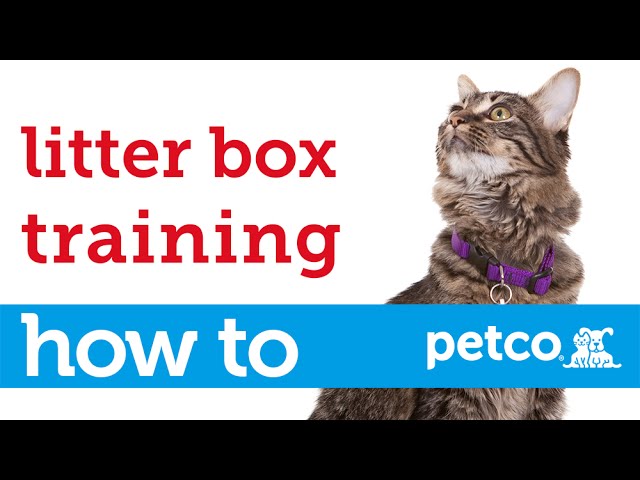
Are you tired of finding little surprises outside the litter box? Training your cat to use the litter box might seem challenging, but it’s easier than you think.
Imagine the relief of knowing your home stays clean and odor-free. Understanding your cat’s behavior is the key to success. You have the power to make this transition smooth and effective. Ready to discover the secrets to a clean and happy home?
Let’s dive into easy steps that will make your cat a litter box pro in no time.

Credit: hoosierfix.com
Choosing The Right Litter Box
Training a cat to use a litter box starts with choosing the right box. Ensure it’s the right size and easy for your cat to access. Keep it clean to encourage consistent use.
Choosing the right litter box can make training your cat easier. A well-suited box ensures your cat feels comfortable and secure. Cats are particular about their bathroom habits. Having the right box can prevent accidents and encourage regular use.Size And Style Considerations
Litter boxes come in various sizes and styles. A box should be large enough for your cat to move around. Most cats prefer a box that is at least one and a half times their length. Kittens need lower sides for easy access. Older cats might struggle with high sides due to joint issues. Style matters too. Some cats like boxes with high sides for privacy. Others prefer low sides for easy entry and exit.Open Vs. Covered Boxes
Open boxes provide easy access and visibility. Some cats prefer open boxes as they can see their surroundings. Covered boxes offer more privacy and help contain odors. They might feel cramped to some cats. A cat’s preference might vary based on its personality. Observe your cat to see which type it favors. Offering both options can help determine your cat’s preference.Selecting The Ideal Location
The location of the litter box impacts its use. Choose a quiet and private spot for the box. Avoid placing it near noisy appliances or high-traffic areas. Cats need privacy when using the litter box. A secluded spot ensures they feel safe and undisturbed. Make sure the location is easy for the cat to access. Avoid placing the box near their food or water. This separation encourages hygiene and proper habits.Selecting The Appropriate Litter
Choosing the right cat litter is crucial. It ensures your cat’s comfort. A comfortable cat is more likely to use the litter box. The right litter can make training easier. Let’s explore various options.
Types Of Cat Litter
There are several types of cat litter. Each has its benefits and drawbacks. Clay litter is the most common. It absorbs moisture well. Silica gel litter controls odors effectively. Some cats prefer natural litters like pine or corn. These are eco-friendly and biodegradable.
Scented Vs. Unscented Options
Scented litter masks unpleasant odors. But some cats dislike strong scents. Unscented litter is often more natural. It is less likely to irritate your cat. Consider your cat’s preference before choosing.
Clumping Vs. Non-clumping
Clumping litter forms solid clumps when wet. This makes cleaning easier. Non-clumping litter absorbs moisture without forming clumps. It may require more frequent changes. Both have their advantages. Choose based on your cleaning routine.
Introducing Your Cat To The Litter Box
Introducing a cat to a litter box requires patience and consistency. Place the box in a quiet spot. Encourage your cat to explore it after meals and naps.
Introducing your cat to the litter box can feel daunting, especially if you’re a first-time cat owner. But with patience, understanding, and a few strategic steps, this process can be relatively seamless. Let’s explore how you can make your feline friend comfortable with their new bathroom space.Step-by-step Guidance
Begin by placing the litter box in a quiet, accessible area. Your cat needs a space where they feel secure and undisturbed. Avoid high-traffic areas or noisy spots like near the washing machine. Once the litter box is in place, gently place your cat inside it. This allows them to familiarize themselves with the texture of the litter. If they hop out immediately, don’t worry—that’s completely normal. Keep the litter box clean by scooping it daily. A clean space encourages your cat to use it consistently. Cats are fastidious creatures, and a dirty litter box can deter usage.Addressing Initial Hesitations
Some cats may show hesitation when introduced to a new litter box. Observe your cat’s behavior for any signs of discomfort. Is the litter texture bothering them? Are they avoiding the area altogether? If you notice reluctance, try different types of litter. Some cats prefer clumping over non-clumping, while others might like a specific scent. Experiment to see what your cat prefers. Consider the size and shape of the litter box as well. If it’s too small or too large, your cat might feel uncomfortable. Ensure it’s the right fit for your cat’s size and age.Using Positive Reinforcement
Positive reinforcement plays a crucial role in litter training. Whenever your cat uses the litter box successfully, reward them with a treat or gentle praise. This encourages repeat behavior. Be consistent with the rewards, especially in the early stages. The more positive experiences your cat associates with the litter box, the better. Avoid scolding or punishing your cat for accidents. It can create fear and anxiety, making them reluctant to use the litter box. Instead, focus on positive interactions and encouragement. Training your cat to use the litter box is a journey of patience and understanding. Have you tried any of these methods with your cat? What worked best for you? Share your thoughts in the comments below!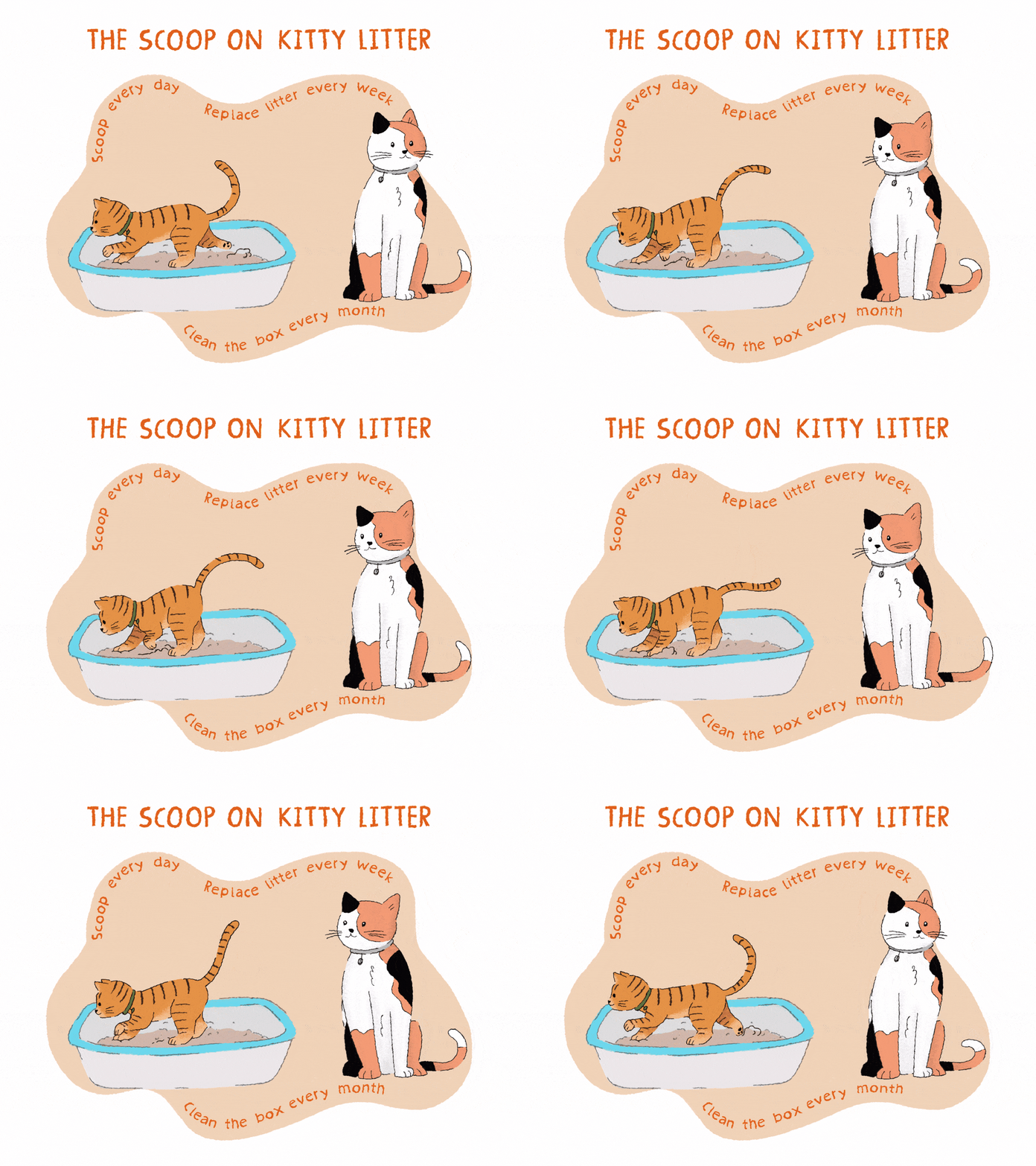
Credit: www.banfield.com
Maintaining Cleanliness
Training your cat to use the litter box is only part of the journey. Once your furry friend is accustomed, maintaining cleanliness is crucial for both their health and your home’s hygiene. A clean litter box not only ensures your cat’s comfort but also prevents unpleasant odors. Let’s explore some practical tips to keep your cat’s litter box spotless and functional.
Daily Scooping Routine
Think of litter box cleaning as a daily chore, much like washing the dishes. By scooping out waste every day, you keep the environment fresh and inviting for your cat. This routine helps prevent odor buildup and encourages your cat to continue using the box. Imagine how you would feel using a bathroom that isn’t cleaned regularly. Your cat feels the same way!
Regular Box Cleaning
Aside from daily scooping, a thorough clean of the litter box should be part of your weekly schedule. Use mild soap and warm water to scrub the box and remove any lingering residues. Remember, cats are sensitive to strong smells, so avoid harsh chemicals. A clean box without any strong scents is more likely to attract your cat. Consider it a spa day for your feline friend!
Preventing Litter Scatter
Litter scatter can be a real nuisance. It not only makes your home look messy but also wastes litter. You can place a mat under the litter box to catch stray particles. This simple addition can make a huge difference. If your cat tends to dig enthusiastically, you might try a box with higher sides. Do you have a favorite trick to keep litter in the box? Experiment and find what works best for you and your pet.
Maintaining cleanliness in your cat’s litter box is an ongoing task but well worth the effort. A clean box ensures your cat’s comfort and keeps your home smelling fresh. By adopting a daily scooping routine, regular box cleaning, and preventing litter scatter, you create a welcoming space for your feline companion. After all, a happy cat makes for a happy home.
Troubleshooting Common Issues
Training a cat to use the litter box can be challenging. Sometimes, cats refuse to use it. Understanding common issues can help solve these problems. Let’s explore some solutions.
Dealing With Accidents
Accidents are normal during training. Clean the area well to remove the smell. Cats may return if they smell their mess. Use enzymatic cleaners for best results. Check the box’s location. It should be easy to find and quiet. Too much noise can scare cats away.
Recognizing Health Concerns
Sometimes, health issues cause litter box problems. A cat might avoid the box if it’s in pain. Watch for signs like frequent urination or yowling. These may indicate a urinary problem. Visit the vet if you see any unusual behavior. Early detection can prevent serious conditions.
Adjusting The Environment
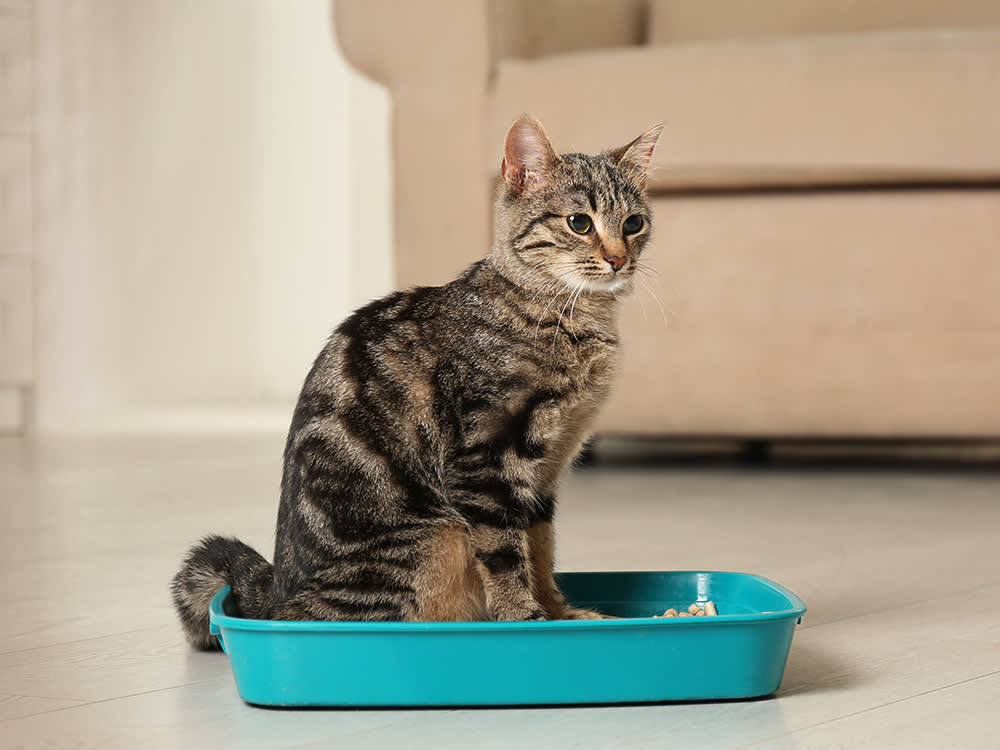
The environment affects a cat’s litter box habits. Ensure the box is clean and fresh. Cats dislike dirty boxes. Try changing the litter type. Some cats prefer unscented litter. The box size matters too. It should be big enough for the cat to move comfortably.
Credit: www.kinship.com
Enhancing The Litter Box Experience
Training a cat to use the litter box involves patience and consistency. Place the litter box in a quiet area and show your cat its location. Reward positive behavior with treats and praise to encourage regular use.
Enhancing the litter box experience can make a significant difference in how easily your cat adapts to using it. A comfortable and inviting space can encourage your feline friend to embrace this habit more naturally. With a few thoughtful adjustments, you can transform the litter box area into a welcoming environment that your cat will love.Adding Comfort Features
Consider the texture of the litter. Some cats prefer softer materials, so experimenting with different types of litter can make a big difference. You might also add a litter mat outside the box to provide a gentle surface for their paws and keep your floors cleaner. Think about the size and accessibility of the box. Your cat should be able to enter and exit comfortably. If your cat is older or has mobility issues, a low-sided box can be a game-changer.Creating A Stress-free Zone
Location matters. Place the litter box in a quiet, low-traffic area where your cat feels safe. Avoid noisy appliances or busy pathways that might cause anxiety. Keep the area clean. Cats are fastidious creatures, and a dirty litter box can be off-putting. Regularly scoop the box and change the litter to maintain a fresh environment that your cat will appreciate.Monitoring Cat Behavior
Pay attention to your cat’s habits. Notice if they show reluctance to use the litter box or if they seem uncomfortable. This could signal an issue with the box or its location. Observe any changes in behavior. Sudden avoidance might indicate stress or health problems. Addressing these promptly can prevent long-term issues and ensure your cat remains happy and healthy. Incorporating these small adjustments can lead to a smoother litter box training process. Have you tried any of these tips with your cat? What worked best for you?Frequently Asked Questions
How Long Does It Take To Train A Cat To Use A Litter Box?
Training a cat to use a litter box usually takes a few days to a week. Consistency and patience are key. Ensure the litter box is easily accessible and clean. Most cats instinctively know how to use it, but gentle guidance helps.
How Do I Teach My Cat To Use The Litter Box?
Place the litter box in a quiet, accessible spot. Introduce your cat to it gently. Encourage use by placing them in the box after meals. Keep the box clean to attract them. Praise and reward them for using it.
Are Cats Hard To Litter Box Train?
Cats are generally easy to litter box train. Most kittens learn quickly from their mothers. Ensure the litter box is clean and accessible. Using the right type of litter also helps. Positive reinforcement and patience can aid the process. Consistency is key to successful litter box training.
How Do I Get My Cat To Pee And Poop In The Litter Box?
Place the litter box in a quiet, accessible area. Use unscented litter and clean the box regularly. Gently place your cat in the box after meals. Reward them with praise or treats when they use it. Be patient and consistent to encourage good habits.
Conclusion
Training your cat to use a litter box takes patience. Stay consistent with your routine. Reward your cat for using the box. Place the litter box in a quiet spot. Clean the box regularly to avoid odors. Watch your cat’s behavior closely.
Adjust your approach if needed. Each cat learns at their own pace. Celebrate small successes along the way. Remember, your efforts build trust and comfort. A happy, litter-trained cat is worth it. Enjoy the bond you’re creating with your feline friend.

Similar Posts