How to Litter Train Cat: Expert Tips for Success
Litter training your cat is not just a chore; it’s an essential part of ensuring a harmonious home life. Imagine walking into your living room, and instead of worrying about unexpected messes, you enjoy the peace of knowing your furry friend is well-trained.
You might think, “Is it possible to train my cat without any fuss? ” The good news is, yes, it is! With the right approach, you can easily guide your feline companion to use their litter box reliably. This article will reveal simple, effective steps that cater to your cat’s instincts, making the process smooth and stress-free.
Ready to transform your home and improve your pet’s habits? Let’s dive in and explore the secrets to successful litter training.
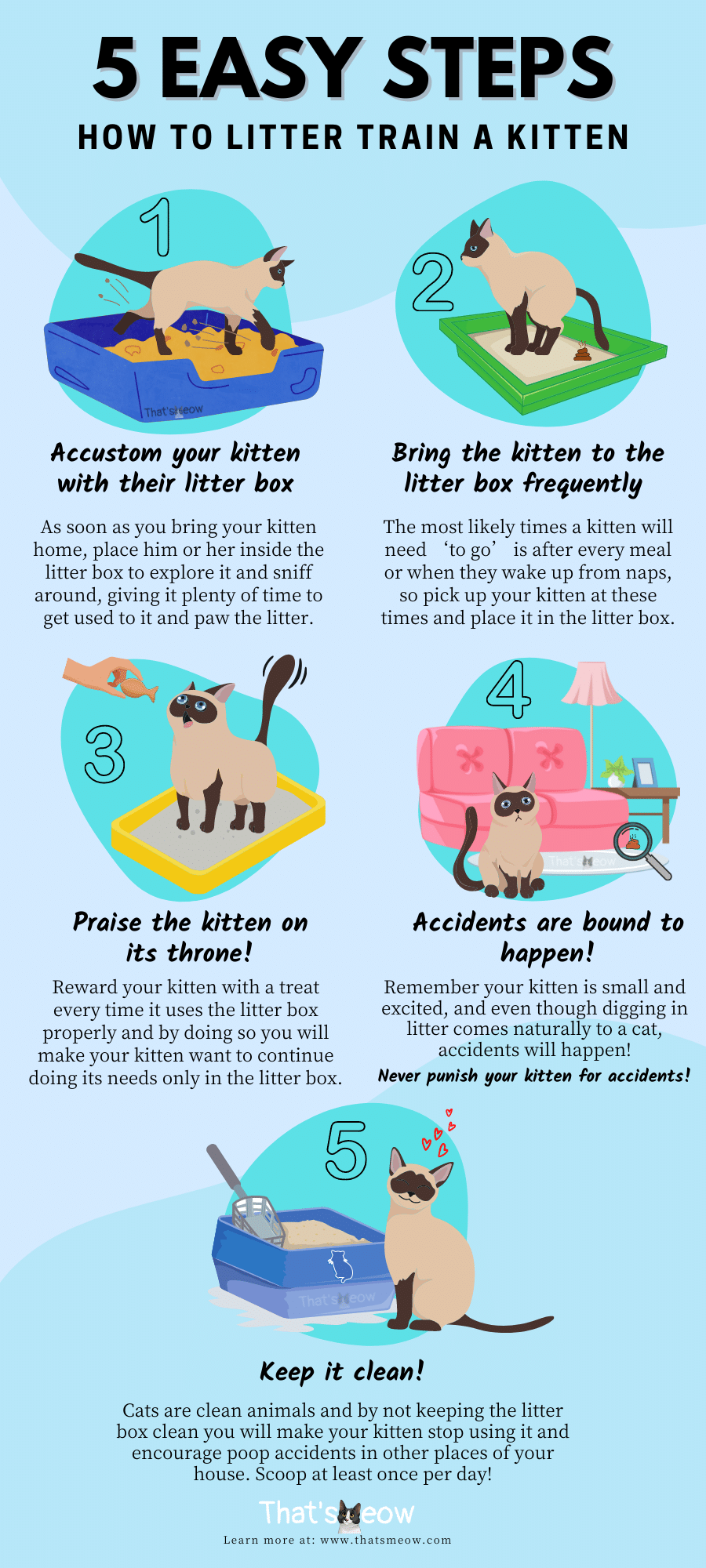
Credit: www.camipa.org
Choosing The Right Litter Box
Selecting the right litter box is crucial for successful cat training. Cats prefer spacious boxes with low sides for easy access. Keep the box clean to encourage consistent use.
Choosing the right litter box is essential for successful litter training. Cats have preferences, and the wrong choice might lead to accidents. A comfortable litter box encourages your cat to use it regularly. Consider factors like size, shape, and whether it should be covered or uncovered. These elements can make a big difference in your cat’s habits.Size And Shape Considerations
Litter boxes come in many sizes. Your cat needs space to turn around comfortably. A box that’s too small can be a problem. It might discourage your cat from using it. For kittens, a smaller box works initially. But as they grow, a larger box becomes necessary. The shape also matters. Some cats prefer rectangular boxes. Others might like a round shape. Try different options to see what your cat likes.Covered Vs. Uncovered
Covered litter boxes provide privacy. Some cats appreciate this feature. It also helps contain odors. But not all cats like covered boxes. They may feel trapped or uneasy. Uncovered boxes offer easy access. They allow more airflow, reducing smells. But they might spread litter around your space. Consider your cat’s personality. Experiment to find the best option.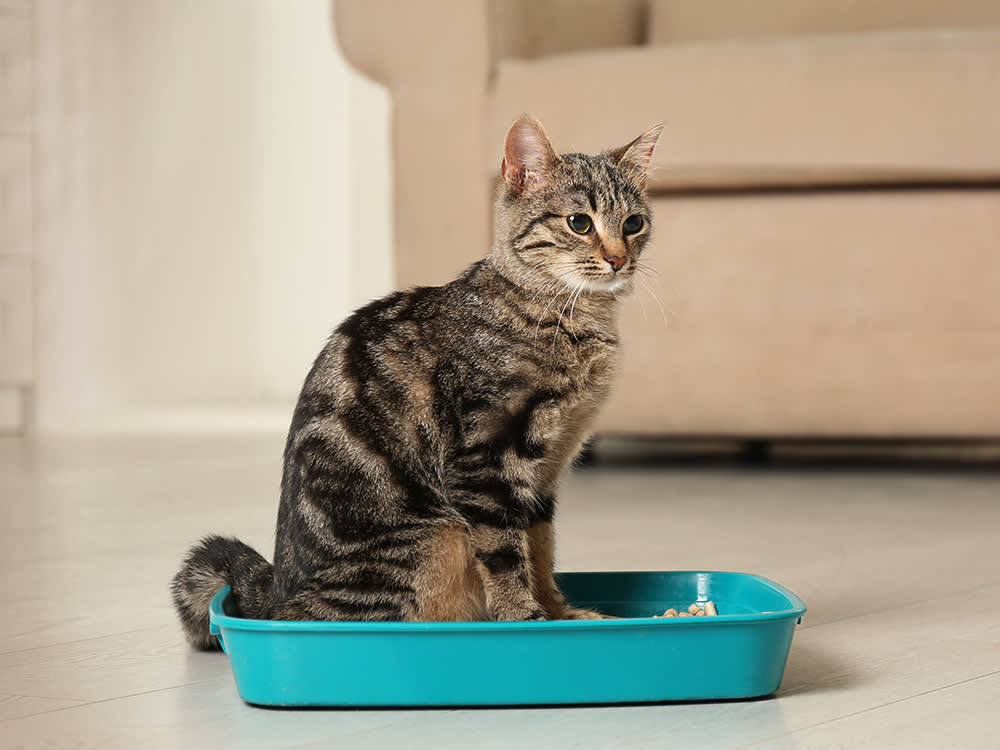
Credit: www.kinship.com
Selecting The Best Cat Litter
Training your cat to use litter requires patience and consistency. Start by placing the litter box in a quiet, accessible spot. Encourage your cat by gently guiding them towards the box after meals and playtime.
Selecting the right cat litter is crucial for successful litter training. With so many options on the market, making the best choice can be overwhelming. However, understanding the differences between types of cat litter can simplify this decision. Let’s dive into some key factors to consider.Clumping Vs. Non-clumping
Choosing between clumping and non-clumping litter can greatly impact your cleaning routine. Clumping litter forms solid lumps when wet, making it easier to scoop out waste. This can help maintain a fresher box with less frequent full changes. Non-clumping litter, on the other hand, absorbs moisture but doesn’t form solid clumps. This type might require more frequent changing to keep odors at bay. Consider your schedule and cleaning preferences when deciding which type suits you best.Scented Vs. Unscented
Scented litters can mask unpleasant odors, which might appeal to you. However, some cats find these scents off-putting or even irritating. It’s important to observe your cat’s reaction to scented options. Unscented litter is often more natural and less likely to deter your cat from using the box. If your cat seems hesitant to use scented litter, switching to unscented might solve the problem. When choosing between scented and unscented, consider your cat’s comfort first. Selecting the best cat litter is not just about convenience—it’s about ensuring your cat feels comfortable and happy with their litter box. Have you noticed any specific preferences your cat has shown? Adjusting the litter type could make all the difference in their litter training success.Optimal Placement Of The Litter Box
Training your cat to use the litter box involves more than just the right litter. The placement of the litter box plays a crucial role in your cat’s comfort. A well-placed litter box ensures your cat feels safe and relaxed. This encourages regular use and reduces accidents around the house.
Quiet And Accessible Locations
Cats prefer quiet spaces for their litter boxes. Noisy environments can stress them. Choose a calm spot away from loud appliances. The area should be easily accessible to your cat. If your home has multiple levels, consider having a box on each floor. This ensures your cat doesn’t have to travel far to use the bathroom.
Avoiding High Traffic Areas
High traffic areas can make your cat anxious. Avoid placing the litter box in hallways or near doors. Cats need privacy to do their business. A secluded corner can be an excellent choice. This helps your cat feel secure and less distracted.
Introducing The Litter Box To Your Cat
Introducing your cat to the litter box is a crucial step. It ensures they feel comfortable with their new toilet space. Cats can be finicky about their environment. A smooth introduction can lead to successful litter training.
Gradual Introduction Techniques
Start by placing the litter box in a quiet spot. Cats prefer privacy when they do their business. Keep it away from noisy appliances or foot traffic. Gradually move it to its permanent location.
Show your cat the litter box without forcing them. Allow them to approach it at their own pace. Let them sniff and explore the box. It’s important they don’t feel rushed.
Encouraging Exploration
Encourage your cat to explore the litter box. Sprinkle a bit of litter outside the box. This can attract their curiosity and make them investigate. Watch for signs of interest in the box.
Play nearby to make the area feel familiar. Cats often like to explore places they associate with fun. Familiar scents can also help them relax. Rub a soft cloth with their scent around the box.
Offer treats and praise when they explore. Positive reinforcement can build confidence. This encourages them to use the litter box willingly. Make the experience pleasant and stress-free.
Establishing A Routine
Training a cat to use the litter box involves setting a consistent routine. Place the box in a quiet spot. Encourage your cat to use it daily, rewarding them with praise or treats.
Establishing a routine is essential for litter training your cat. Cats thrive on consistency and predictable patterns. A well-structured routine helps them understand where and when to use the litter box. This reduces accidents and promotes good habits. Let’s explore how consistency and monitoring can aid in establishing an effective routine.Consistency In Usage
Cats need a consistent schedule for using the litter box. Place the litter box in a quiet, accessible location. Ensure it remains in the same spot. This helps the cat associate the area with bathroom activities. Clean the litter box daily. Cats prefer a clean space for their needs. Regular cleaning encourages them to return to the box.Monitoring Regularity
Observe your cat’s litter box habits regularly. Take note of their usage times. This helps identify patterns in their bathroom behavior. Consistent monitoring allows you to adjust the routine if needed. If changes occur, like increased accidents, check for stressors. Changes in environment or schedule can affect litter habits. Address these promptly to maintain consistency. Monitoring helps ensure your cat stays on track with their routine.Maintaining Cleanliness
Teaching your cat to use a litter box is essential for maintaining cleanliness at home. Start by placing the litter box in a quiet, accessible spot. Encourage your cat with gentle guidance and positive reinforcement.
Keeping your cat’s litter box clean is crucial for both your pet’s health and your household’s hygiene. No one wants their home to have that unmistakable odor of a poorly maintained litter box. Plus, maintaining cleanliness encourages your cat to use the litter box consistently. By establishing a routine, you ensure your home stays fresh and your feline friend remains happy. So, how do you keep that litter box spotless? Let’s dive into some effective cleaning practices.Daily Cleaning Practices
Make it a habit to scoop out your cat’s litter box every day. This simple task prevents waste from piling up and keeps unpleasant odors at bay. Use a good-quality scoop to remove clumps and solids. It doesn’t take long, but it makes a world of difference for your cat’s comfort. Keep a small trash can or bag near the litter box. This way, you can easily dispose of waste without making a mess. Consider adding a sprinkle of baking soda. It can help neutralize odors, keeping the area smelling fresh.Weekly Deep Cleaning
Once a week, empty the entire litter box. Dump out all the litter and scrub the box with mild soap and warm water. Avoid strong-smelling cleaners. They can deter your cat from using the box. Instead, opt for pet-safe products available at pet stores. Rinse thoroughly and let it dry completely before adding fresh litter. Moisture can cause new litter to clump and stick, making it less effective. Take a moment to inspect the box for cracks or scratches. These can harbor bacteria and odors, so replace the box if it’s showing wear and tear. Do you have a particular cleaning routine that works wonders for you? Sharing tips with fellow cat owners can offer fresh insights and make the task feel less daunting. Maintaining a clean litter box isn’t just about hygiene; it’s about creating a comfortable environment for your furry companion. By integrating these cleaning practices into your routine, you ensure a cleaner home and a happier cat.Troubleshooting Common Issues
Training your cat to use the litter box can be challenging. Start by placing the box in a quiet spot. Ensure it’s clean to encourage use.
Training your cat to use the litter box can be a rewarding experience, but it’s not always smooth sailing. Sometimes, even the most diligent pet owners encounter challenges. Let’s tackle some common issues you might face during the litter training process and how to address them effectively.Avoidance And Accidents
Your cat might avoid the litter box or have accidents around the house. This can be frustrating, but understanding the reasons behind it can help. Cats are clean creatures, and they might avoid the litter box if it’s dirty. Regular cleaning is essential. Consider the type of litter you’re using. Some cats are picky and may dislike certain textures or scents. Experiment with different options to find one your cat prefers. Location matters too. Ensure the litter box is in a quiet, accessible spot away from high-traffic areas. Have you made any changes in your home recently? Cats are sensitive to changes in their environment. A new piece of furniture or a different routine could be causing stress. Give your cat time to adjust and keep the litter box consistent in its location and setup.Health Concerns
If your cat continues to avoid the litter box despite your best efforts, health issues could be to blame. Cats might associate the litter box with discomfort if they experience pain during elimination. Monitor your cat for signs of distress or changes in behavior. Increased urination or straining can indicate urinary tract issues. If you notice these symptoms, consult your veterinarian immediately. Sometimes, older cats develop arthritis, making it difficult to enter a high-sided litter box. Switching to one with lower sides can make a big difference. It’s crucial to pay attention to your cat’s needs as they age. Have you ever encountered any health-related challenges with your cat’s litter habits? Sharing your experiences and learning from others can be incredibly beneficial. Remember, your cat’s health is a priority, and addressing potential issues early can prevent bigger problems down the line. In troubleshooting these common litter training issues, patience and observation are your best tools. Every cat is unique, and understanding their individual needs can make the training process smoother and more successful.Rewarding Positive Behavior
Training a cat to use a litter box involves rewarding positive behavior consistently. Place the litter box in a quiet spot, and each time your cat uses it, offer praise or a small treat. Positive reinforcement encourages your cat to repeat the desired action, making litter training effective and smooth.
Training your cat to use the litter box is a journey that involves a lot of patience and understanding. An essential part of this process is rewarding positive behavior. By doing so, you reinforce the right actions and make litter training a more enjoyable experience for your feline friend. The key is to create a positive association with using the litter box, which can be achieved through treats, praise, and consistent encouragement.Using Treats And Praise
Cats are known for their independent nature, but they are not immune to the allure of tasty treats. Whenever your cat uses the litter box successfully, immediately reward them with their favorite treat. This immediate gratification helps them connect the dots and understand that they did something right. Don’t underestimate the power of your voice. A gentle, loving tone filled with praise can work wonders. Say things like, “Good job!” or “Well done!” to let your cat know they have pleased you. Over time, your cat will associate your voice and the reward with their positive behavior.Encouraging Habit Formation
Consistency is crucial when it comes to forming new habits. Ensure you reward your cat every time they use the litter box correctly. This continuous reinforcement makes the behavior stick and become a natural part of their routine. Try to observe your cat’s behavior and identify patterns. Do they head to the litter box after meals or naps? Use this information to create a schedule and guide them when it’s time to use the box. Setting them up for success is essential. Keep the litter box clean and accessible, and make sure it’s located in a quiet area. A comfortable and inviting environment encourages your cat to return to the litter box on their own. Have you ever thought about how your behavior influences your cat’s actions? By rewarding them consistently, you’re building trust and strengthening your bond. It’s not just about litter training; it’s about creating a positive and understanding relationship with your pet.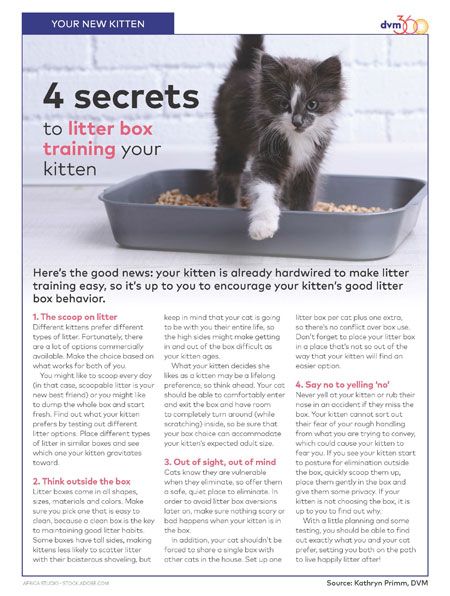
Credit: www.dvm360.com
Frequently Asked Questions
How Long Does It Take To Litter Train Your Cat?
Litter training a cat typically takes about two to four weeks. Consistency and patience are key. Start by placing your cat in the litter box after meals and naps. Ensure the litter box is clean and accessible. Reward positive behavior to reinforce good habits.
How To Litter Train A Cat Quickly?
Place the litter box in a quiet, accessible area. Use unscented, clumping litter. Gently place the cat in the box after meals and naps. Reward with treats and praise for using the litter box. Keep the box clean to encourage consistent use.
Can You Litter Train Cats?
Yes, you can litter train cats. Start by placing them in the litter box after meals. Use positive reinforcement with treats or praise. Keep the litter box clean and accessible. Consistency helps cats understand where to go. Patience is key for successful litter training.
Is It Ever Too Late To Litter Train A Cat?
It’s never too late to litter train a cat. Cats can learn at any age with patience and consistency. Use positive reinforcement and keep the litter box clean to encourage proper habits. Older cats may take longer, but they can adapt with time and guidance.
Conclusion
Training your cat to use a litter box is rewarding. It takes patience and consistency. Start with the right litter box and location. Choose a litter your cat likes. Clean the box regularly to keep it appealing. Praise your cat when they use it.
This builds good habits. Watch for signs your cat needs to go. Encourage them gently. Soon, your cat will learn. A clean home and happy pet await. You can do it. With these steps, you’re on the right path to success.
Enjoy the journey with your feline friend!

Similar Posts