How to Train Cat to Use Kitty Litter: Expert Tips
Are you tired of finding little surprises around your home because your cat hasn’t quite mastered the art of using their litter box? You’re not alone.
Training your cat to use a kitty litter can feel like a daunting task, especially if you’re a new pet owner. But don’t worry, it’s easier than you might think, and the rewards are well worth the effort. Imagine a cleaner, fresher home and a happier, more contented cat.
In this guide, we’ll explore simple, effective techniques to help you teach your feline friend how to use the litter box like a pro. Keep reading to discover the secrets to success and transform your daily routine. Your cat will thank you, and so will your spotless floors!
Choosing The Right Litter Box
Training your cat to use a litter box starts with choosing the right one. Ensure it’s spacious enough for comfort. Place it in a quiet area, away from high traffic zones.
Choosing the right litter box is a critical step in training your cat to use kitty litter effectively. The right box not only makes the process easier for your feline friend but also helps maintain a clean and odor-free home. With a few considerations in mind, you can select a litter box that both you and your cat will appreciate.Size And Type Considerations
Cats come in all shapes and sizes, and so should their litter boxes. A box that is too small might be uncomfortable for your cat, leading to accidents outside the box. Choose a litter box that is at least one and a half times the length of your cat. Think about the type of litter box as well. Covered boxes offer privacy but may trap odors. Open boxes provide easy access but might not contain litter scatter. A friend of mine found that her cat preferred a high-sided box, which minimized the mess but was still easy for the cat to enter and exit.Optimal Placement In Your Home
Where you place the litter box can significantly affect how readily your cat uses it. Cats prefer quiet, low-traffic areas. Placing the box in a noisy or busy spot might make your cat avoid it. Consider accessibility. Avoid placing the box in a hard-to-reach location. If you have multiple floors, you might need a litter box on each level to make it convenient for your cat. Think about how you would feel if your restroom was far from your main living area. Would you use it as often? Your cat might feel the same way. Choose a spot that is both convenient for you to clean and comfortable for your cat to use. By choosing the right size and placement for your litter box, you set the stage for successful litter training. What adjustments might make your cat’s litter box more appealing?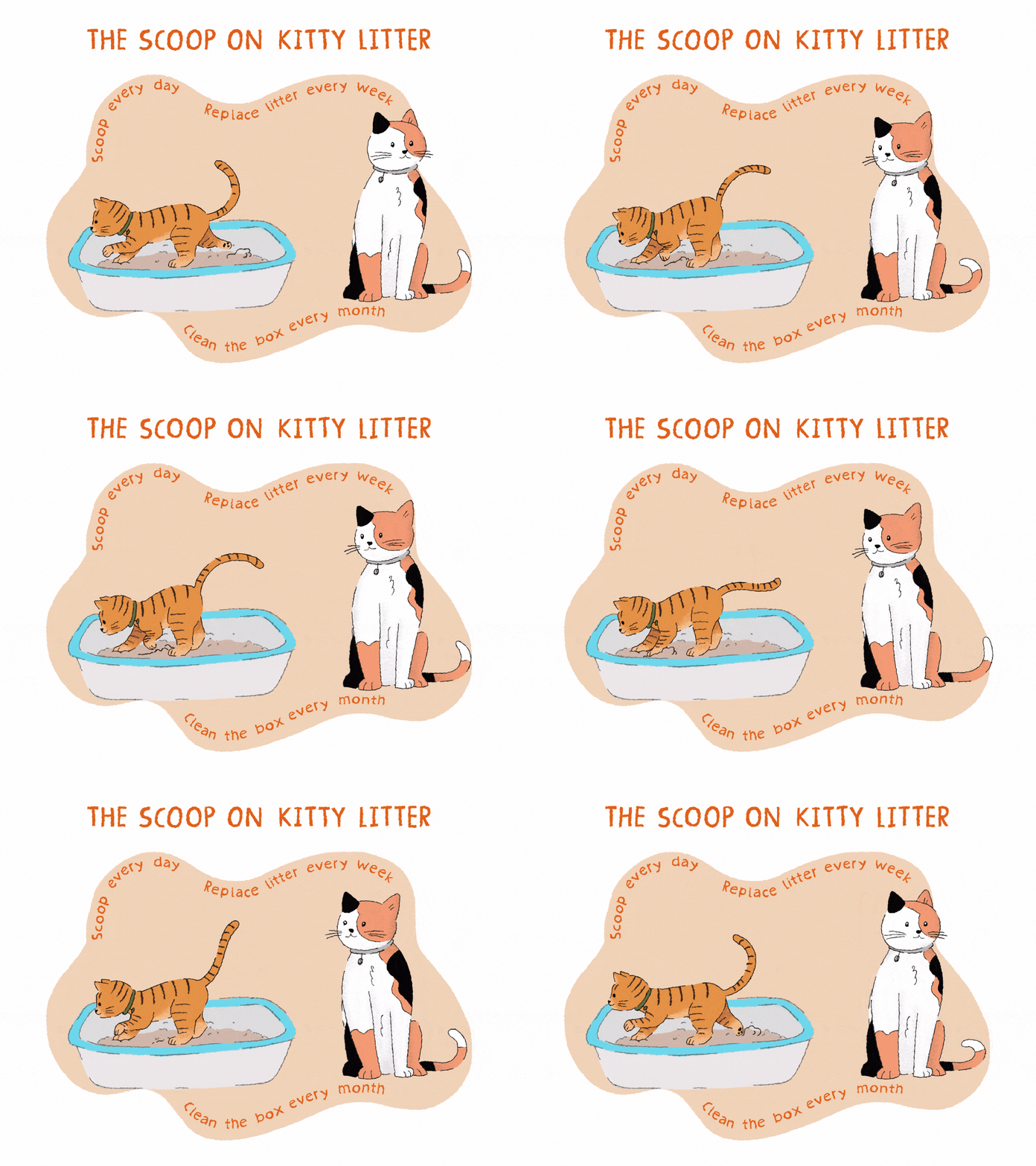
Credit: www.banfield.com
Selecting The Best Cat Litter
Choosing the right cat litter is essential for training success. It affects both you and your feline friend. The wrong choice can lead to litter box aversion. Let’s explore two important factors: clumping ability and scent.
Clumping Vs. Non-clumping
Clumping litter forms solid masses when wet. This makes it easy to scoop. Non-clumping litter absorbs moisture but doesn’t form clumps. It requires more frequent changes. Clumping options often appeal to busy owners. They require less maintenance and keep odors at bay. Non-clumping litter may suit cats with allergies. Choose based on convenience and your cat’s health.
Scented Vs. Unscented Options
Scented litter masks unpleasant odors. It often contains fragrances that some cats dislike. Unscented litter provides a natural smell. It’s ideal for sensitive noses. Scented options can irritate some cats. Test different types to see what your cat prefers. Cats have individual preferences. Choose an option that suits both of you.
Introducing The Litter Box To Your Cat
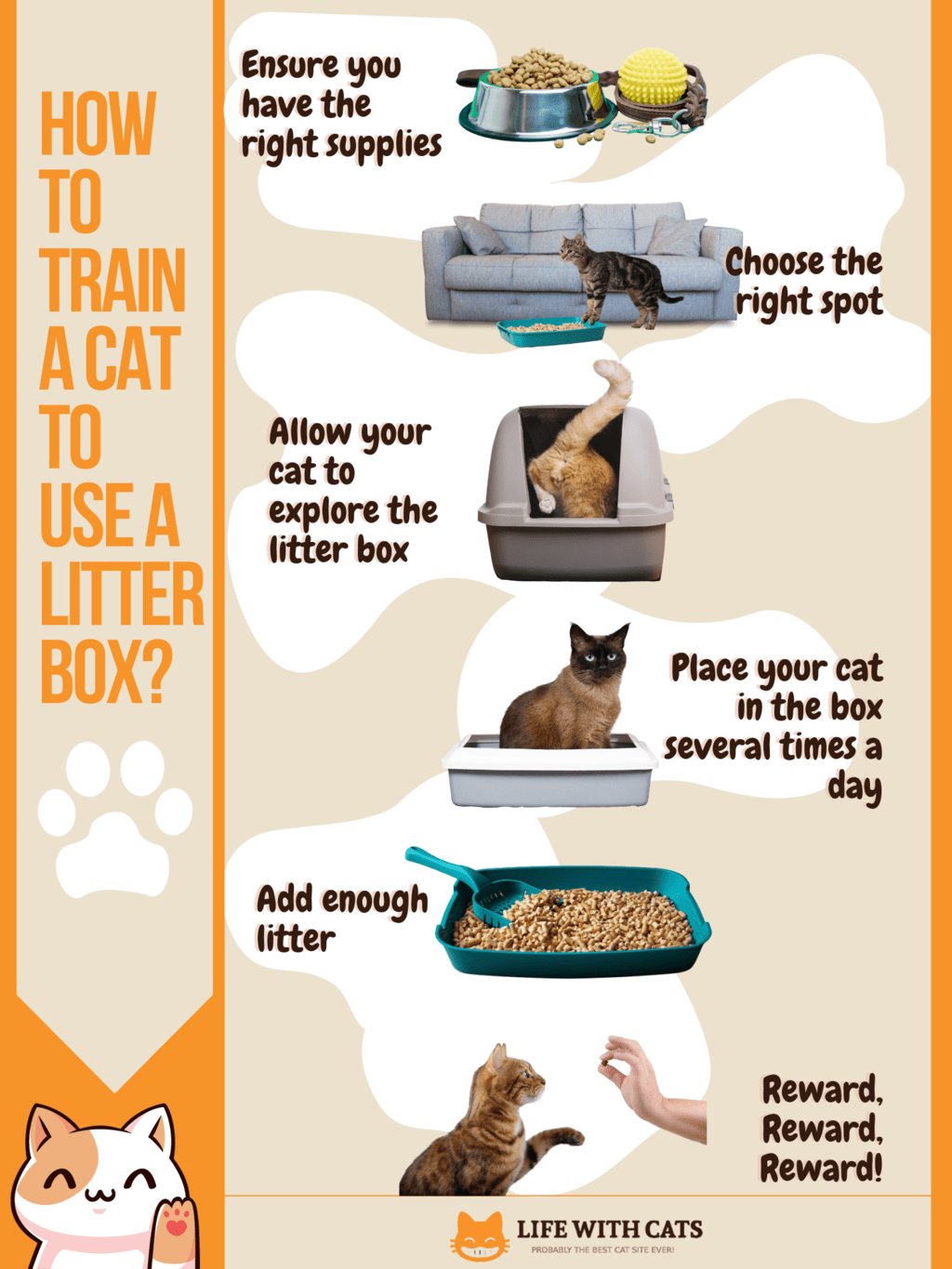
Teaching your cat to use a litter box involves simple steps. Place the box in a quiet spot. Gently guide your cat to it after meals and naps. Use positive reinforcement to encourage proper use.
Introducing a litter box to your cat is a crucial step in ensuring a happy and clean home. Cats are naturally clean animals, but getting them to use a litter box can be a challenge. With patience and the right techniques, you can make this transition smooth and stress-free for both you and your feline friend.Gradual Introduction Techniques
Start by placing the litter box in a quiet, easily accessible location. Cats need a calm environment to feel safe enough to use it. Initially, keep it in the room where your cat spends most of their time. You can help your cat get used to the litter box by putting them in it after meals and naps. This helps them associate the box with their natural elimination times. If your cat seems hesitant, try gently scratching the litter with your fingers to show them what to do. If your cat is still unsure, consider using a litter attractant. These are scents added to the litter that encourage cats to use the box. It might just be the nudge your cat needs.Positive Reinforcement Strategies
Celebrate your cat’s success with the litter box. When they use it, reward them with a treat or a little affection. This helps reinforce the behavior you want to see. Avoid scolding or punishing your cat for accidents. Negative reactions can create fear and confusion, making the training process harder. Instead, clean the area thoroughly and redirect your cat to the litter box. Consistency is key. Ensure the litter box is always clean and inviting. A dirty box can deter your cat from using it, leading to more accidents. Remember, patience and positivity will go a long way. Have you ever wondered how your cat perceives these changes? Your understanding and encouragement can make all the difference in this training journey.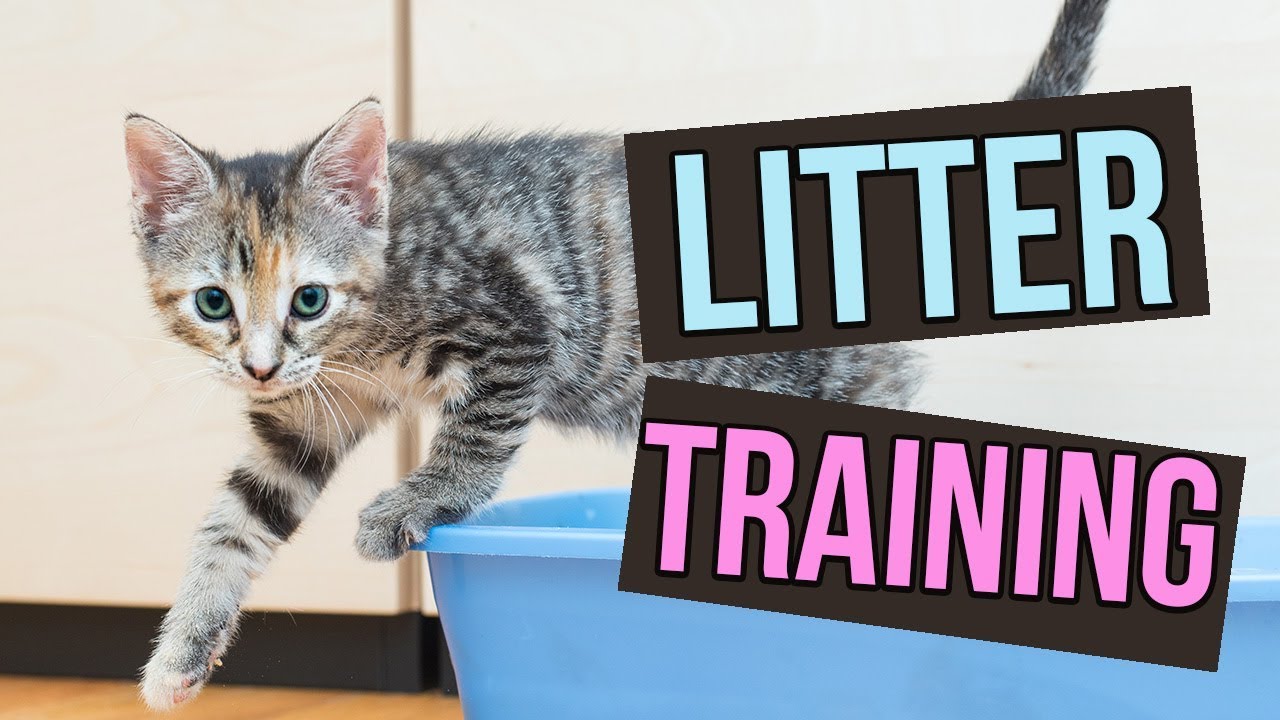
Credit: www.youtube.com
Creating A Routine
Establishing a routine helps train your cat to use the kitty litter effectively. Begin by placing the litter box in a quiet area. Encourage your cat to use it regularly by gently guiding them to the box after meals and naps.
Creating a routine for your cat to use the litter box can make life easier for both you and your feline friend. Routine offers predictability, which is something cats appreciate. Establishing a consistent schedule helps them understand what’s expected and provides them with a sense of security. So, how do you create this routine effectively?Consistent Litter Box Cleaning
Regular cleaning of the litter box is key to encouraging your cat to use it. Cats are clean animals, and a dirty litter box can be a major deterrent. Make it a habit to scoop out waste daily and change the litter at least once a week. Consider this: Would you want to use an unclean bathroom? Your cat feels the same way about their litter box. Keeping it clean ensures they feel comfortable and are more likely to use it regularly.Establishing Regular Use Patterns
Encourage your cat to use the litter box by establishing regular use patterns. Start by placing your cat in the litter box after meals or naps, when they are most likely to need it. Repetition helps them associate these times with using the litter box. Observe your cat’s habits. Do they tend to go after eating or playing? Use these insights to guide them towards the litter box at those times. Over time, your cat will naturally align their bathroom habits with this routine. Creating this routine can save you from unwanted surprises around the house. Have you noticed how your cat gravitates towards routine in other aspects of their life? Use this natural inclination to your advantage by establishing a consistent litter box routine.Addressing Common Challenges
Training your cat to use a kitty litter box can be challenging. Cats are independent and have unique personalities. Understanding the common challenges can help you in this process. This section covers how to deal with accidents and manage litter box avoidance effectively.
Dealing With Accidents
Cats might have accidents outside the litter box. This is normal during the training phase. Clean accidents quickly to remove odors. Use enzymatic cleaners to eliminate smell traces. Cats return to spots where they smell their waste. Cleaning thoroughly helps prevent repeat accidents.
Ensure your cat has easy access to the litter box. Place it in a quiet area. Cats dislike loud noises when using the box. A calm environment encourages proper litter box use.
Handling Litter Box Avoidance
Some cats avoid the litter box. There could be several reasons. Check the cleanliness of the box. Cats prefer clean spaces for their business. Scoop the litter daily to maintain hygiene.
The type of litter can affect your cat’s choice. Experiment with different types. Some cats prefer clumping litter, others like non-clumping. Find what suits your cat best. Observe their reaction to different textures.
Consider the size and location of the litter box. Ensure it’s not too small or too large. A comfortable size encourages use. Place it in a quiet and accessible spot. Avoid areas with heavy foot traffic.
If your cat still avoids the box, consult a vet. There might be underlying health issues. Address any medical concerns promptly.
Maintaining Hygiene And Comfort
Training your cat to use kitty litter ensures hygiene and comfort. Start by placing the litter box in a quiet spot. Gradually introduce your cat to it, encouraging use with gentle guidance and treats.
Maintaining a clean and comfortable environment for your cat is crucial when training them to use kitty litter. A tidy litter box encourages consistent use, while a cozy setting ensures your cat feels secure. Just like how you wouldn’t want to use a messy bathroom, your cat appreciates a clean space as well. Let’s dive into some practical ways to keep your cat’s litter area hygienic and inviting.Regular Cleaning Tips
Cleanliness is key to your cat’s happiness. Scoop out waste daily to prevent odors and bacteria build-up. Use a gentle cleaning agent once a week to scrub the litter box, removing any lingering smells. Replace litter completely every week or two, depending on how many cats you have. Fresh litter is like a fresh start for your cat. It keeps the area inviting and reduces the chance of accidents outside the box.Ensuring A Comfortable Environment
Your cat’s comfort directly impacts their litter habits. Make sure the litter box is in a quiet, accessible location. Loud noises or frequent disruptions may deter your cat from using it. The type of litter matters too. Some cats prefer unscented, fine-grained litter. Pay attention to your cat’s preferences and adjust accordingly. Keep the litter box away from food and water dishes. Cats naturally avoid eliminating near their eating area. This simple step can prevent confusion and mess. Have you ever noticed a change in your cat’s behavior when their environment shifts? Cats are creatures of habit. Maintaining a consistent, clean, and comfortable litter area helps them feel secure and stick to their litter training. Taking these steps not only ensures good hygiene but also fosters a trusting relationship with your feline friend. What’s your cat’s favorite litter box spot?When To Seek Professional Help
Training a cat to use kitty litter can be challenging. Sometimes, even with patience and consistency, issues arise. Knowing when to seek professional help is crucial. It ensures your cat’s well-being and maintains harmony at home. Some problems require expert intervention.
Identifying Behavioral Issues
Cats may refuse the litter box due to stress. Changes in their environment can trigger anxiety. Watch for signs of distress or aggression. A sudden change in litter box habits may indicate deeper issues. Identifying these signs early can prevent bigger problems.
Consulting With A Veterinarian
A vet can rule out medical issues. Some cats avoid litter boxes due to pain or discomfort. Urinary tract infections or digestive problems are common culprits. A vet will check your cat’s health. This ensures the problem isn’t physical.
Discussing your cat’s behavior with a vet can provide insights. They might recommend specific treatments or therapies. Expert advice can improve both your and your cat’s life. Don’t hesitate to seek professional help. It’s a vital step in resolving litter box issues.
Credit: www.hartz.com
Frequently Asked Questions
How Do I Get My Cat To Use Kitty Litter?
Place the litter box in a quiet, accessible spot. Keep it clean and attractive to your cat. Use familiar litter and reward your cat after use. Gradually introduce them if unfamiliar. Be patient and consistent for best results.
How Long Does It Take To Litter Train Your Cat?
Cats typically learn to use a litter box in a few days to a week. Start training early, place the box in a quiet area, and maintain cleanliness for best results. Consistent encouragement and patience help speed up the process.
Each cat is unique, so timeframes may vary.
How Do I Encourage My Cat To Pee In The Litter Box?
Ensure the litter box is clean and easily accessible. Use unscented litter cats prefer. Place the box in a quiet, private area. Reward your cat with treats for using the box. If issues persist, consult a vet to rule out medical problems.
Do Cats Need To Be Trained To Use Kitty Litter?
Most cats instinctively use kitty litter. Guide them by placing them in the box after meals or naps. Keep the litter clean to encourage use. Some cats might need gentle encouragement or rewards to learn effectively. Training usually takes little time and patience.
Conclusion
Training your cat to use the litter box takes patience. Consistency is key in forming this habit. Reward your cat for using the litter box correctly. Use gentle guidance to avoid stress. Make sure the litter box is always clean.
A clean box encourages regular use. Pay attention to your cat’s preferences. Some cats prefer certain litter types. Be observant and flexible with changes. Celebrate small successes along the way. Training your cat strengthens your bond and keeps your home clean.
With time, your cat will confidently use the litter box. Enjoy the journey together!

Similar Posts