How Do U Litter Train a Cat: Expert Tips Revealed
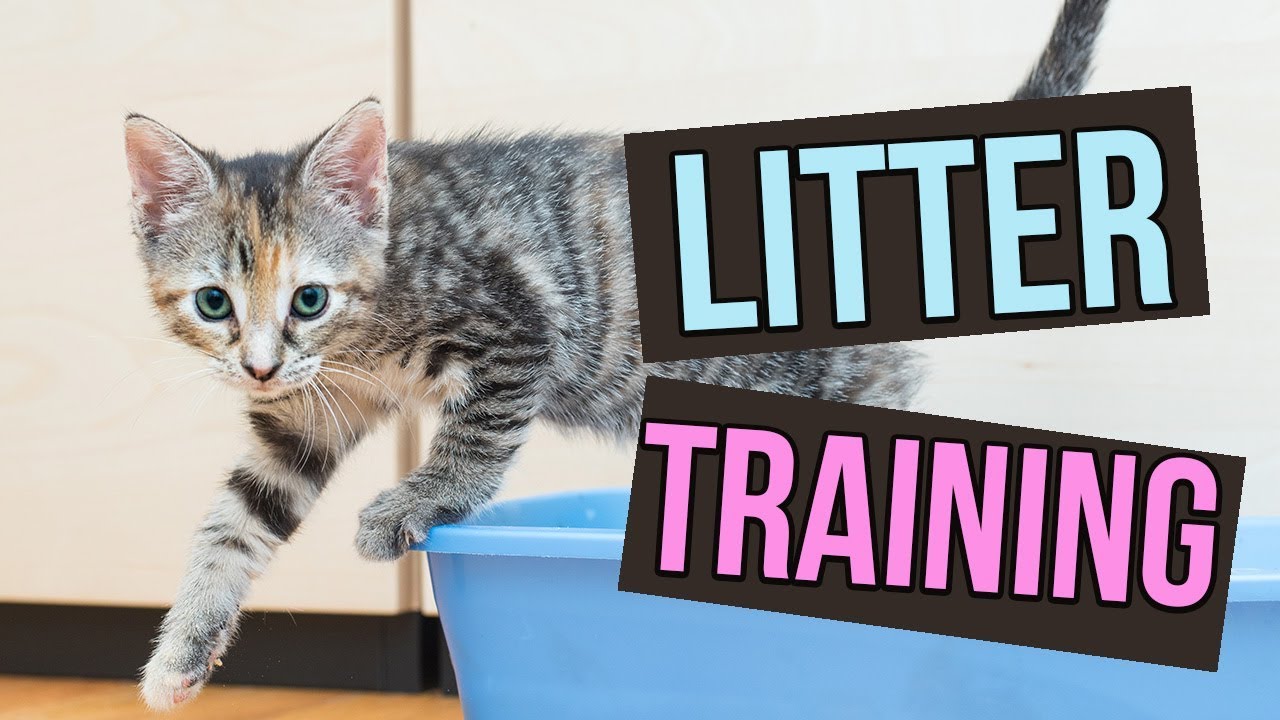
Are you tired of finding little surprises around your home? Litter training a cat might seem like a daunting task, but it doesn’t have to be.
Imagine coming home to a clean, odor-free space where your feline friend knows exactly where to go. Sounds like a dream, right? In this guide, you’ll discover simple, effective steps to turn that dream into reality. By the end of this article, you’ll have all the tips and tricks you need to make litter training a breeze.
So, if you’re ready to transform your home and enjoy a happier, cleaner relationship with your cat, read on! Your peace of mind and spotless floors are just a few paragraphs away.
Credit: www.cruceroclick.com
Choosing The Right Litter Box
Training a cat to use a litter box starts with choosing the right one. Cats are picky, and the wrong box can lead to issues. Consider the type, size, and location before buying.
Types Of Litter Boxes
Different types of litter boxes suit different cats. Open boxes are the most common. They allow easy access and visibility. Covered boxes offer privacy. Some cats like the security of a covered box. Self-cleaning boxes reduce maintenance. They automatically remove waste. These are ideal for busy cat owners.
Size And Location Considerations
Choose a box size that fits your cat comfortably. Large cats need more space. Small cats might prefer a compact box. The location is crucial. Place the box in a quiet spot. Avoid high-traffic areas. Cats like privacy when using the box. Ensure the box is easily accessible. Avoid stairs or obstacles.
Selecting The Ideal Cat Litter
Training a cat to use litter involves choosing the right type and placing it in a quiet spot. Start by showing your cat the litter box, and encourage it with praise when it uses it. Keep the box clean to prevent accidents and ensure your cat feels comfortable.
Selecting the ideal cat litter is a crucial step in successfully litter training your feline friend. It can be a bit overwhelming with so many choices available, but finding the right type can make a world of difference. Consider your cat’s preferences and any specific needs your household might have.Clumping Vs. Non-clumping
Choosing between clumping and non-clumping litter is often the first decision you’ll face. Clumping litter forms solid clumps when wet, making it easier to scoop out. This can keep the litter box cleaner and reduce odors. Non-clumping litter, on the other hand, absorbs moisture but doesn’t form clumps. It might require more frequent changes but can be less dusty. Think about which option fits your schedule and cleaning routine best.Natural Vs. Synthetic Options
Natural cat litters are made from materials like corn, wheat, or recycled paper. They are often biodegradable and may be a better choice for eco-conscious households. They also tend to be less dusty, which is better for your cat’s respiratory health. Synthetic options, such as those made from clay or silica gel, are popular for their ability to control odor effectively. They might be more suitable if you need strong odor control. However, they can sometimes create more dust. Have you ever found your cat sneezing after using the litter box? It could be a sign to try a different type. Always pay attention to your cat’s behavior as it can guide you to the best choice.Setting Up The Litter Box
Setting up the litter box is a crucial step in litter training your cat. It’s not just about buying any box and filling it with litter. How you set up the litter box can influence your cat’s comfort and willingness to use it. Surprisingly, cats can be quite particular about their bathroom habits. Getting this right could mean fewer messes for you to clean and a happier cat.
Placement Strategies
Where you place the litter box can make a big difference. Cats prefer privacy, but they also want easy access. Think about areas in your home that are quiet yet accessible. Avoid placing the box near loud appliances or in high-traffic areas.
Consider my own experience: I placed my cat’s litter box in a secluded corner of the laundry room. It was peaceful, away from foot traffic, yet close enough for my cat to find effortlessly. This setup worked wonders in maintaining her litter box habits.
What does your home setup look like? Does your cat have a favorite quiet spot? Finding a balance between privacy and accessibility is key.
Maintaining Cleanliness
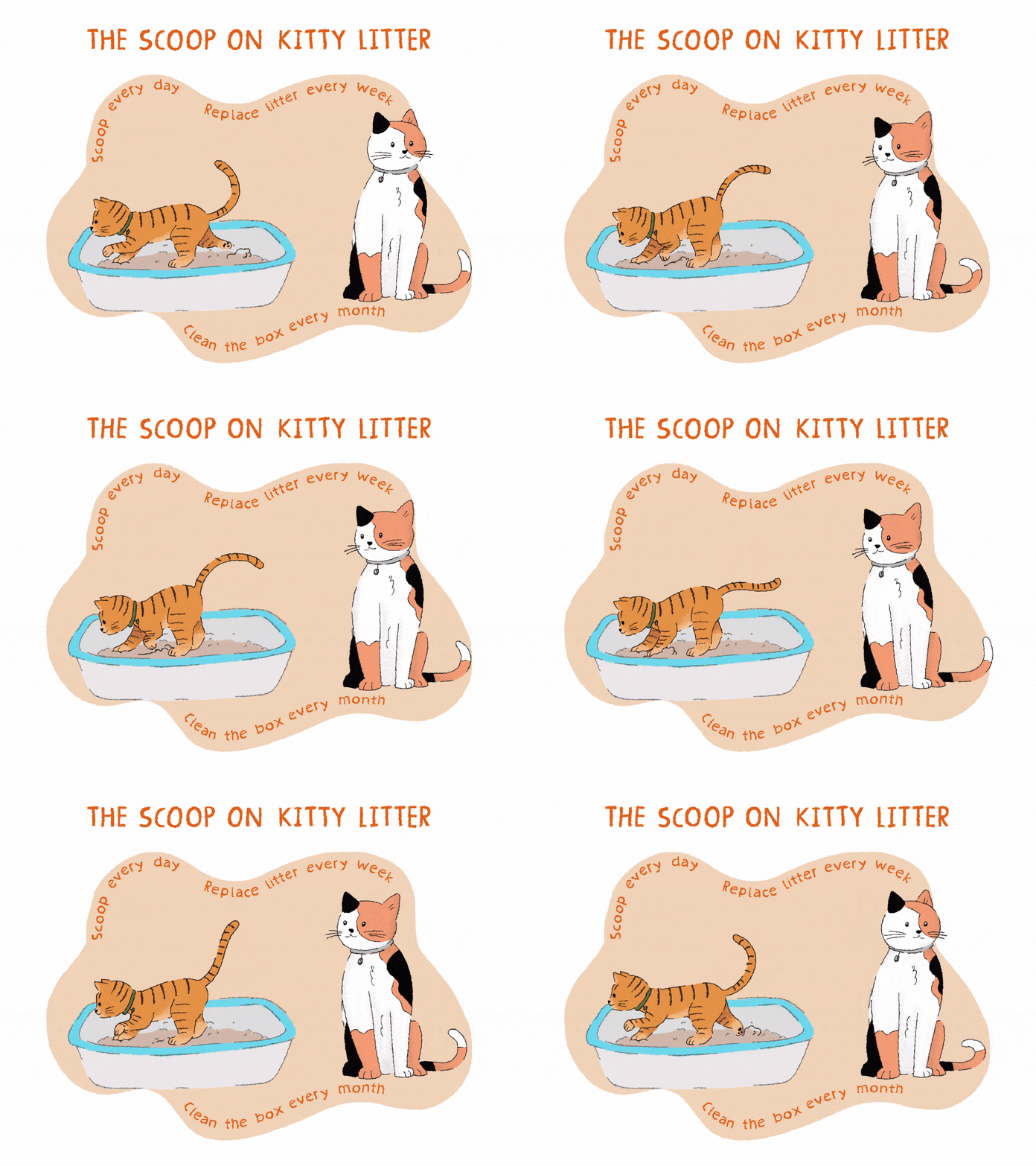
Keeping the litter box clean is paramount. Cats are clean animals, and a dirty litter box can discourage use. Scoop the box daily and change the litter weekly to ensure a fresh environment.
Investing in a quality litter can also make a difference. Clumping litter, for instance, makes scooping easier and helps control odor. A clean box not only keeps your home smelling fresh but also encourages your cat to use it regularly.
Do you have a schedule for cleaning your cat’s litter box? Establishing a routine can make this task much easier to manage.
As you set up your cat’s litter box, remember that it’s about more than just providing a place for them to go. A thoughtful setup can significantly impact their comfort and your ease of maintaining it. What changes can you make today to improve your litter box arrangement?
Introducing Your Cat To The Litter Box
Introducing a cat to a litter box can be a gentle process. Cats are naturally clean animals, but they may need guidance. A smooth introduction will help establish good habits early. Here are some effective methods to consider.
Gradual Introduction Techniques
Start by choosing the right location for the litter box. It should be quiet and private. Avoid placing it near noisy appliances. Cats prefer a calm setting. Once you choose the spot, encourage your cat to explore it. Allow your cat to sniff and inspect the area. Do not rush this process. Some cats take time to adjust.
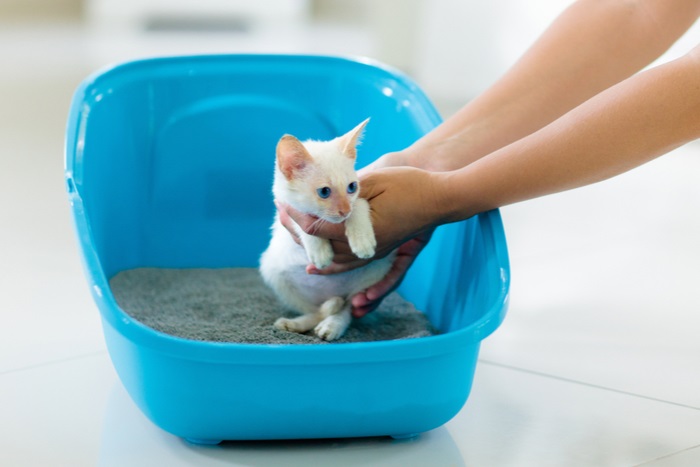
Use a litter that appeals to your cat’s preferences. Soft, unscented litter often works best. Place your cat gently into the litter box. Let them feel the texture of the litter. This helps them associate the box with a safe place. Observe how they react. Adjust as necessary, based on their comfort.
Positive Reinforcement Methods
Encourage your cat with praise and treats. When your cat uses the litter box, reward them immediately. This positive reinforcement creates a strong association. Use a gentle voice to praise them. A small treat can be a great motivator.
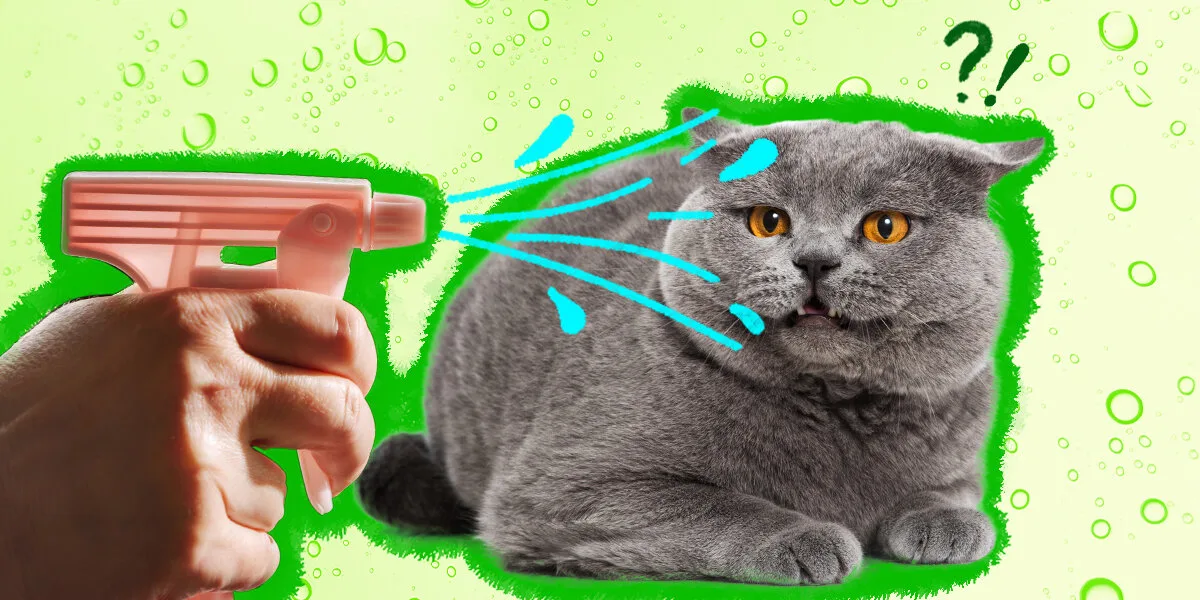
Avoid using harsh tones or punishment. Cats respond better to positive cues. If accidents happen, clean them without scolding. This keeps the training process stress-free. Consistency is key. Repeated positive experiences help reinforce good behavior.
Troubleshooting Common Issues
Training your cat to use a litter box can be a smooth process, but sometimes, unexpected issues arise. These challenges can test your patience and make you question your approach. Let’s tackle these common problems head-on to ensure your feline friend embraces their litter box.
Dealing With Resistance
Resistance can be frustrating, but understanding the cause is your first step. Cats may resist using the litter box due to changes in their environment or stress. Has there been a recent move or a new pet added to the family? Consider how these changes might affect your cat’s behavior.
Experiment with different litter types. Some cats are picky and prefer a specific texture or scent. My cat, Luna, refused to use the box until I switched to a softer, unscented litter. This simple change made all the difference.
Placement matters. Cats often resist using a litter box that is located in a noisy or busy area. Try relocating the box to a quieter spot. Your cat might be more comfortable and willing to use it.
Managing Accidents
Accidents happen, but they don’t have to become a habit. Clean any messes promptly and thoroughly to avoid lingering smells that might attract your cat to the same spot. Use pet-safe cleaners to ensure the odor is completely gone.
Have you considered the size of the litter box? Cats need enough space to turn around comfortably. If your cat has outgrown their current box, consider upsizing. A spacious litter box can reduce accidents significantly.
Consistency is key. Cats thrive on routine. If accidents continue, evaluate the timing of your cat’s meals and bathroom breaks. Adjusting these schedules might help prevent mishaps.
Training your cat doesn’t have to be a daunting task. What strategies will you try to solve these litter training issues? Share your experiences and insights below!
Health Considerations
Litter training a cat involves more than just teaching them where to go. Ensuring your cat’s health is crucial during this process. Cats can be sensitive creatures, and any changes in their habits may indicate health issues. Understanding these health considerations can help you provide better care for your feline friend.
Monitoring Litter Box Usage
Regularly check how often your cat uses the litter box. A sudden increase or decrease in usage can signal health problems. Cats often hide discomfort, so this is an essential indicator. Note the consistency of your cat’s litter box habits. Consistent usage usually means your cat feels healthy and comfortable.
Recognizing Health Problems
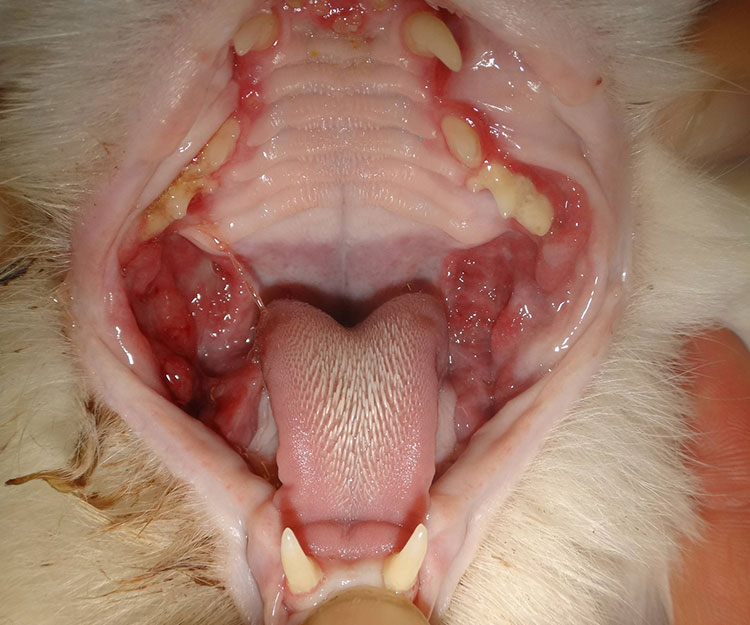
Recognizing signs of illness early can prevent serious health issues. Pay attention to any changes in your cat’s behavior around the litter box. Straining, frequent visits without results, or vocalizing can indicate problems. Common issues include urinary tract infections or digestive problems. Consult a vet if you notice unusual behaviors.
Expert Tips For Success
Litter training a cat can seem challenging. But with expert tips, success is within reach. Understanding your cat’s behavior is key. Each cat has unique needs and personality traits. This section offers practical advice for a smooth litter training process.
Consistency And Patience
Consistency is crucial for litter training success. Keep the litter box in the same spot. Cats prefer routine and predictability. Change can confuse them. Establish a daily routine. Scoop the litter box at the same time every day. This helps your cat feel secure. Be patient. Litter training takes time. Avoid scolding your cat for accidents. Positive reinforcement works better. Reward your cat with treats or affection. Celebrate small victories.
Adapting To Your Cat’s Needs
Every cat is different. Some may need more time to adjust. Observe your cat’s behavior closely. If your cat avoids the litter box, try a different type. Experiment with different litter textures. Some cats prefer clumping litter. Others might like non-clumping options. Also, consider the size of the litter box. A larger box may be more comfortable. Ensure the box is easy to access. Elderly or disabled cats might need special accommodations. Be flexible and ready to adapt. Your cat’s comfort is vital.
Credit: www.hartz.com
Credit: wb-iisg.com
Frequently Asked Questions
How Long Does It Take To Litter Train Your Cat?
Litter training a cat typically takes 2 to 4 weeks. Consistency and patience are key. Start by placing the litter box in a quiet, accessible location. Encourage your cat to use it after meals and naps. Use positive reinforcement to reward successful use.
Adjust the litter type if necessary.
Are Cats Easy To Litter Train?
Cats are generally easy to litter train due to their natural instincts. Start training early for best results. Keep the litter box clean and accessible. Most cats learn quickly with positive reinforcement. Consistency in placement and cleanliness helps maintain successful litter habits.
What Is The Fastest Way To Litter Train A Kitten?
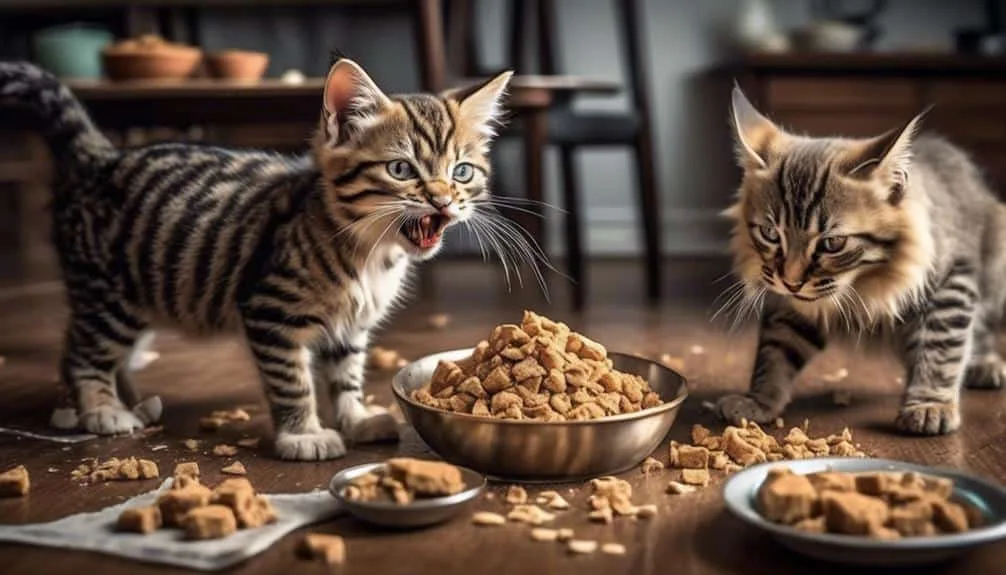
Place the litter box in a quiet, accessible area. Use unscented, shallow litter for easy digging. Introduce the kitten immediately after meals or naps. Praise or reward them for using the box. Clean the litter box regularly to maintain hygiene and encourage consistent use.
How Do I Encourage My Cat To Pee In The Litter Box?
Place the litter box in a quiet, accessible area. Keep it clean and use unscented litter. Reward your cat with treats or praise when they use it. Make sure the box is the right size and type for your cat.
Consult a vet if problems persist.
Conclusion
Training a cat to use a litter box is possible and straightforward. Start with patience and consistency. Choose a suitable box and location. Keep it clean and inviting. Reward your cat for using the box. Observe and adjust as needed.
Cats naturally prefer cleanliness, so maintain the box well. Troubleshoot issues early. Every cat is unique; some learn quickly, others take time. Celebrate small successes. You and your cat will enjoy a tidy home. Litter training enhances your bond and ensures a happy living space.
A little effort goes a long way. Happy training!

Similar Posts