How to Train Cat Not to Scratch Couch: Proven Tips
Your couch is more than just a piece of furniture—it’s a cozy sanctuary for relaxation and unwinding after a long day. But if you have a cat, you might find your beloved couch falling victim to their natural scratching instincts.
Watching the fabric tear and the stuffing emerge can be frustrating, leaving you wondering if there’s a way to coexist with your feline friend without sacrificing your couch. The good news? There absolutely is. In this guide, you’ll discover simple yet effective techniques to train your cat not to scratch the couch.
Whether you’re a seasoned cat owner or a new pet parent, these strategies will help you protect your furniture while keeping your kitty happy. Ready to transform your living space into a scratch-free zone? Let’s dive in!
Credit: www.francisurology.com
Understanding Cat Behavior
If you’ve ever found yourself frustrated with your cat scratching the couch, you’re not alone. Understanding why your furry friend behaves this way can be the key to solving the problem. By getting to know the natural instincts and reasons behind this behavior, you can take effective steps to protect your furniture and ensure your cat stays happy.
Natural Instincts
Cats are born with an innate need to scratch. It’s not just a random act; it’s essential for their health and well-being. Scratching helps cats keep their claws sharp, which is crucial for climbing, hunting, and self-defense. It’s also a way to stretch their bodies and flex their muscles.
Imagine having a personal exercise routine that keeps you fit and strong. That’s what scratching is for your cat. It provides them a physical workout, much like a daily jog would for you. Cats also scratch to mark their territory, leaving both visual and scent signals that say, “This is mine.” Understanding these instincts can help you realize that scratching isn’t a nuisance but a natural behavior.
Reasons For Scratching
Beyond instincts, your cat might scratch for several other reasons. Stress is a significant factor. If you’ve recently moved or introduced a new pet into the home, your cat might scratch more frequently as a way to cope. Scratching can be soothing and help relieve tension.
Have you ever noticed your cat scratching after a nap? They might be doing it to wake up and get their blood flowing. Scratching is also a way for cats to communicate. They might be trying to get your attention or express excitement, much like how you might wave your arms to greet someone.
Think about this: if your cat scratches the couch, is it because they lack alternatives? Providing scratching posts or pads can offer them a better option, redirecting their behavior to more appropriate outlets. Ask yourself, does your home cater to your cat’s scratching needs?
Understanding these behaviors not only helps solve the problem but also strengthens your bond with your pet. By seeing the world through their eyes, you can create a more harmonious living space for both you and your feline friend.

Credit: www.lissivigeenschool.com
Effective Training Techniques
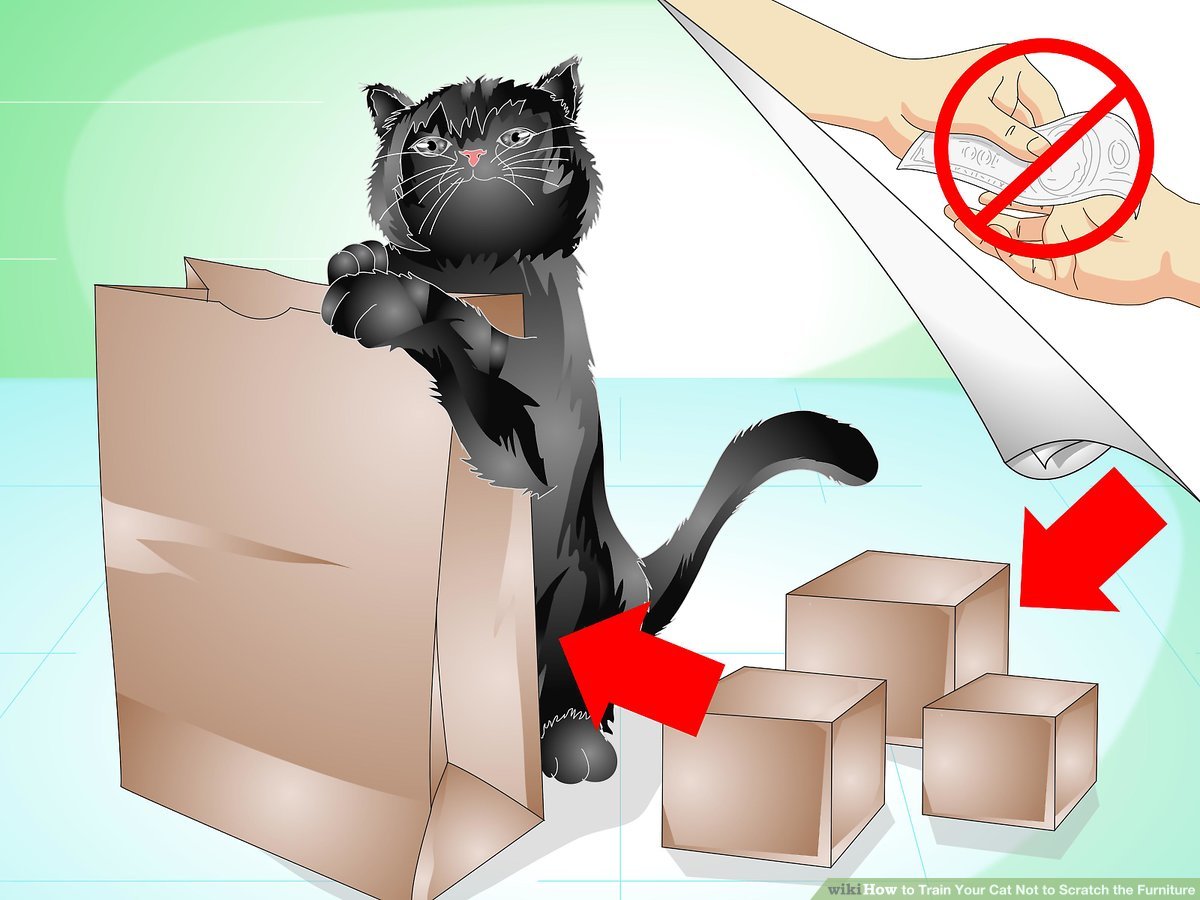
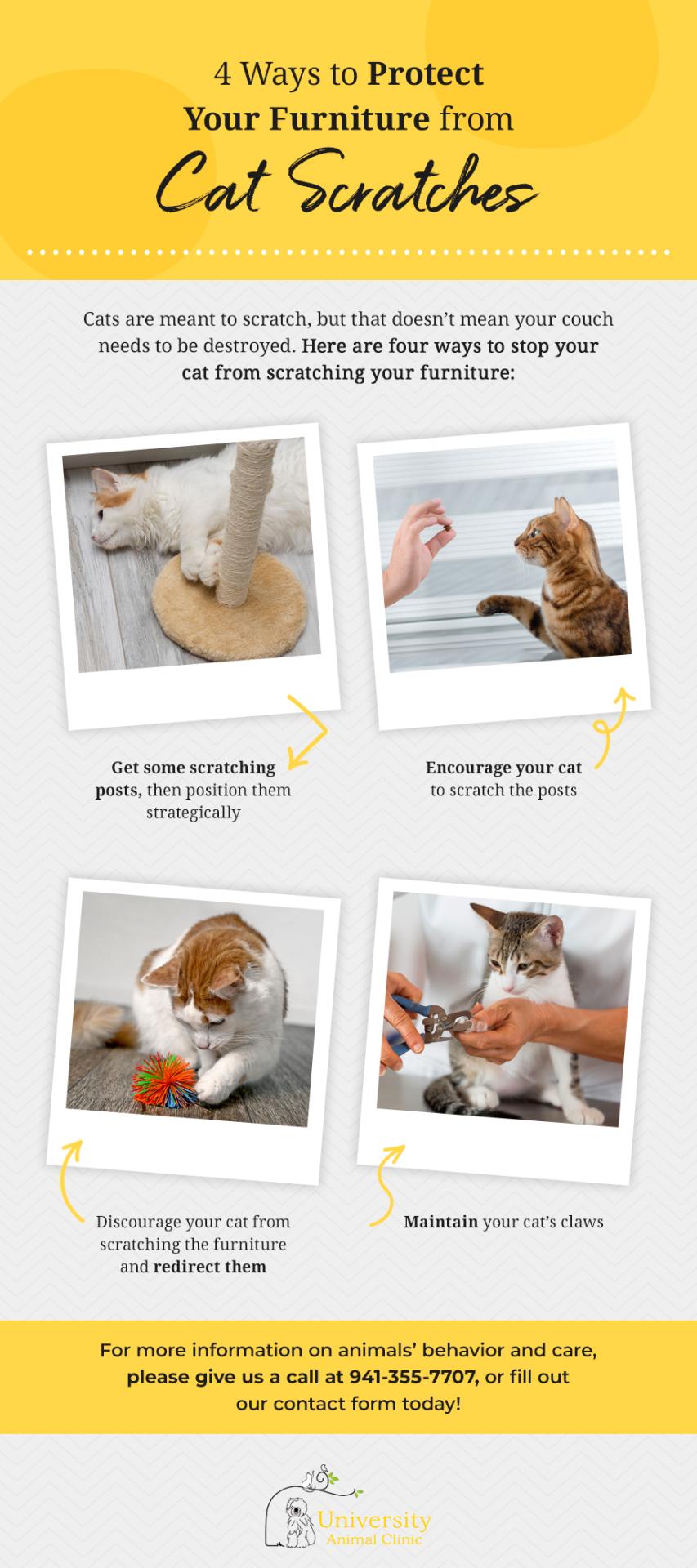
Teaching a cat not to scratch the couch involves patience and consistency. Redirect scratching behavior with a sturdy scratching post nearby. Reward with treats or affection when using the post instead of the couch.
Training your cat not to scratch the couch can seem like a daunting task. Yet, with the right techniques, you can guide your feline friend towards more appropriate scratching habits. Effective training techniques focus on understanding your cat’s needs and providing them with positive outlets for their natural behaviors.Positive Reinforcement
Cats respond well to positive reinforcement. Encourage your cat to use a scratching post by rewarding them with treats or affection. Every time your cat scratches the post instead of the couch, offer a small treat or a gentle petting. Placement of the scratching post matters. Place it near the couch where your cat likes to scratch. This makes it easy for them to transition to the post instead. Consistency is key. Make sure you reward your cat every time they use the post, especially in the beginning.Consistency And Patience
Training your cat requires consistency and patience. Cats are creatures of habit and need time to adjust to new behaviors. Consistently redirect your cat to the scratching post whenever they approach the couch. Avoid punishing your cat for scratching the couch. Negative reinforcement can create fear and stress, making the training process harder. Instead, gently guide them to the scratching post and reward them for using it. Are you frustrated with slow progress? Remember, every cat learns at their own pace. Patience is your best ally in this journey. Stick with it, and your efforts will eventually pay off.Providing Alternatives
Cats love to scratch, but couches don’t have to be their target. Introduce scratching posts as fun alternatives. Sprinkling catnip can make these posts more appealing.
Providing alternatives for your cat is crucial. Cats scratch to mark territory and keep claws healthy. Without proper outlets, they might damage your couch. Offering alternatives can help prevent this behavior.Scratching Posts
Scratching posts are essential for cats. They love them. Choose sturdy posts. They should be tall enough for a full stretch. Place them near areas your cat likes to scratch. This encourages them to use the post instead of the couch. Experiment with materials. Cats prefer different textures. Some like sisal. Others prefer carpet.Interactive Toys
Interactive toys keep cats engaged. They divert attention from the couch. Toys that mimic prey are ideal. They stimulate your cat’s hunting instincts. Consider toys that move or make sounds. These toys excite cats. Rotate toys regularly. It keeps your cat interested. Boredom leads to unwanted scratching. Keep play sessions frequent. They satisfy your cat’s energy needs.Protecting Your Furniture
Training a cat not to scratch the couch involves providing scratching posts, rewarding positive behavior, and using deterrents. Redirect their attention to toys and scratch-friendly surfaces. Consistency and patience are key to protecting your furniture effectively.
Protecting Your Furniture from your cat’s claws can feel like an endless battle. Yet, with a few practical strategies, you can preserve your couch while keeping your feline friend happy. Let’s explore some effective methods that not only protect your furniture but also maintain harmony in your home.Furniture Covers
Furniture covers are an easy and effective way to shield your couch. They act as a barrier between your cat’s claws and the fabric. Using covers made of durable materials like denim or polyester can prevent scratches. Imagine throwing a simple, stylish cover over your couch. This not only adds a layer of protection but also offers a new look to your living room. Plus, covers are easy to clean and can be replaced when worn out. Have you considered the type of cover that suits your home decor? Choose a color or pattern that complements your space, ensuring your protective measures blend seamlessly into your living environment.Double-sided Tape
Double-sided tape is another ingenious solution to deter your cat from scratching. Cats generally dislike the sticky sensation on their paws. When applied to the edges of your couch, this can prevent them from wanting to scratch there. Apply the tape to areas where your cat frequently scratches. The sticky feel will be a gentle reminder for them to steer clear. Over time, this can help break the habit of scratching the couch altogether. Have you noticed a change in your cat’s behavior with this technique? Many find their cats quickly lose interest in the couch, giving you peace of mind and less damage to deal with. By focusing on these methods, you can protect your furniture effectively. Have you tried these strategies in your home? Share your experience and let us know what worked best for you.Behavior Modification Tools
Training your cat not to scratch the couch can be challenging. Behavior modification tools offer effective solutions to redirect this behavior. These tools help create an environment that discourages couch scratching. Let’s explore some practical tools that can aid in this endeavor.
Scent Deterrents
Cats have a strong sense of smell. Use scent deterrents to keep them away from the couch. Citrus scents work well. Spray citrus-based solutions on the couch. This makes it less appealing to your cat. You can also use essential oils. Lavender and eucalyptus are good choices. Apply them to a cloth and place it on the couch. This method is safe and effective.
Sound-based Solutions
Sounds can be an effective deterrent. Use sound-based tools to prevent scratching. Electronic deterrent devices emit sounds. They activate when your cat approaches. These sounds are unpleasant to cats. They soon learn to avoid the couch. Another method is using aluminum foil. Place it on the couch. The crinkling sound deters cats. This simple trick can save your furniture.
Creating A Comfortable Environment
Teaching your cat to avoid scratching the couch involves offering alternatives like scratching posts. Reward positive behavior with treats or affection. Consistency and patience are key in redirecting their instinctive actions.
Creating a comfortable environment for your cat is essential in preventing them from scratching your couch. When your cat feels at ease and stress-free, they are less likely to engage in destructive behaviors. By making small changes to your home, you can create a sanctuary that satisfies your cat’s natural instincts and keeps your furniture safe.Stress Reduction Techniques
Cats often scratch when they’re anxious or stressed. Think about what might be causing stress for your feline friend. Is there a new pet in the house? Have you recently moved? To help your cat feel more relaxed, consider using stress-reduction tools. Pheromone diffusers can release calming scents that mimic natural cat signals. These can soothe your cat and reduce their urge to scratch. Interactive toys can also be a great distraction. They keep your cat entertained and mentally stimulated. When their energy is channeled into play, they’re less likely to target your couch.Safe Spaces For Cats
Every cat needs a place they can call their own. Designate specific areas in your home where your cat feels safe and secure. This could be a cozy corner with a soft blanket or a perch by the window. A personal example: I set up a small area in my living room with a comfortable bed and a few toys. My cat quickly adopted it as his safe haven. He spends hours there, which has significantly reduced his interest in scratching the couch. Cats also love vertical spaces. Consider adding a cat tree or shelves where they can climb and observe their surroundings. This satisfies their curiosity and natural urge to climb, diverting their attention from your furniture. Have you noticed your cat seeking out certain spots? Pay attention to these preferences, and enhance those areas to make them even more inviting. Creating a comfortable environment for your cat not only protects your couch but also enhances your pet’s well-being. What steps will you take today to make your home a haven for your furry friend?When To Seek Professional Help
Professional help might be necessary if your cat continues to scratch the couch despite your best efforts. Persistent scratching can indicate deeper behavioral issues that require expert intervention. A veterinarian or animal behaviorist can provide specialized advice tailored to your cat’s needs.
Training a cat not to scratch the couch can be challenging. Sometimes, efforts at home don’t lead to success. In such cases, seeking professional help becomes essential. Professionals can offer solutions tailored to your cat’s needs. Recognizing the signs early can save your furniture and peace of mind.Signs Of Persistent Issues
Some cats scratch despite various training methods. If your cat continues scratching, look for other signs. Does your cat seem anxious or stressed? Are there changes in their eating habits? Persistent scratching may indicate deeper issues. It’s crucial to notice these signs early. Ignoring them might lead to more problems.Consulting A Veterinarian
A veterinarian can provide valuable insights. They can check for health problems causing the behavior. Sometimes, scratching is a response to discomfort or pain. A vet can suggest safe and effective treatments. They can also recommend behavioral specialists. These experts can develop a plan tailored to your cat. Seeking advice early can prevent further damage. `
Credit: www.purrfectpost.com
Frequently Asked Questions
Can Cats Be Trained Not To Scratch A Couch?
Yes, cats can be trained to avoid scratching the couch. Provide scratching posts and use positive reinforcement. Redirect their attention with toys and rewards to encourage desired behavior. Consistency and patience are key in training your cat effectively.
How Do I Get My Cat To Stop Scratching The Couch?
Place a scratching post near the couch to redirect your cat’s attention. Use double-sided tape on the couch surface to deter scratching. Trim your cat’s nails regularly. Reward your cat with treats when using the scratching post. Spray a cat-safe repellent on the couch to discourage scratching.
How To Punish A Cat For Scratching A Couch?
Distract your cat with toys and scratching posts to redirect its behavior. Use positive reinforcement techniques. Consistently reward good behavior to encourage change. Avoid physical punishment as it harms trust. Trim nails regularly to minimize damage. Consider using deterrent sprays on furniture to prevent scratching.
How Do I Protect My Sofa From Cat Scratching?
Use cat-friendly furniture covers or throws. Provide scratching posts near the sofa. Use double-sided tape or deterrent sprays on the sofa. Trim your cat’s nails regularly. Offer engaging toys to divert attention from the sofa.
Conclusion
Training your cat not to scratch the couch takes patience. Use toys and scratching posts to redirect their behavior. Reward them with treats when they use the post. Consistency is key. Keep a close eye on their habits. Trim their nails regularly to reduce damage.
Consider using sprays to deter them. Show love and understanding throughout the process. With time, your cat will learn new habits. They will start choosing the post over the couch. Your furniture will thank you. Enjoy a scratch-free home with your furry friend.
It’s worth the effort.