Imagine this: You bring home a fluffy bundle of joy, and everything seems perfect—until you realize your adorable new cat has yet to master the art of using the litter box. You might feel a wave of concern, but don’t worry.
Training your cat to use the litter box can be a straightforward and stress-free process, and we’re here to help you every step of the way. Have you ever wondered why some cats take to the litter box immediately while others need a little guidance?
The secret lies in understanding your cat’s natural instincts and how to harness them effectively. By the time you’ve finished reading this article, you’ll have the confidence and knowledge to help your feline friend become a litter box pro. Keep reading to discover simple techniques that will make both you and your cat happier and your home cleaner.
Choosing The Right Litter Box
Training your cat to use a litter box is an essential aspect of pet care. It starts with choosing the right litter box. The ideal box can make the difference between a successful training experience and a frustrating one. This section will guide you through selecting a litter box that meets your cat’s needs while fitting seamlessly into your home environment.
Size And Depth Considerations
Size matters when picking a litter box for your feline friend. A small box might seem convenient, but it could be uncomfortable for your cat. An adult cat needs enough space to turn around, dig, and cover waste. Think about your cat’s size and mobility. If you have a growing kitten, consider a box that can accommodate its growth. As for depth, a deeper box can prevent litter scattering, but it shouldn’t be too deep for your cat to access easily.
Open Vs. Covered Boxes
Choosing between an open and covered box depends on your cat’s preferences and your home’s space. Covered boxes offer privacy and contain odors better. However, some cats feel trapped and anxious in enclosed spaces. An open box, on the other hand, gives them a sense of freedom. Have you noticed your cat’s behavior when in small spaces? That might help you decide. Remember, what works for one cat might not work for another.
Location Matters
Location can be a game changer in litter box training. Cats are sensitive to their surroundings. Placing the box in a quiet, accessible area can encourage use. Avoid high-traffic zones or areas near their feeding station; your cat needs a place to feel secure. Have you considered how many boxes your home should have? If you have multiple cats, each should have easy access to a litter box. Their comfort is key to successful training.
Choosing the right litter box isn’t just about your cat’s comfort; it also impacts your home life. An appropriate box minimizes cleanup and maximizes your pet’s happiness. By focusing on size, type, and location, you set the stage for effective litter box training.
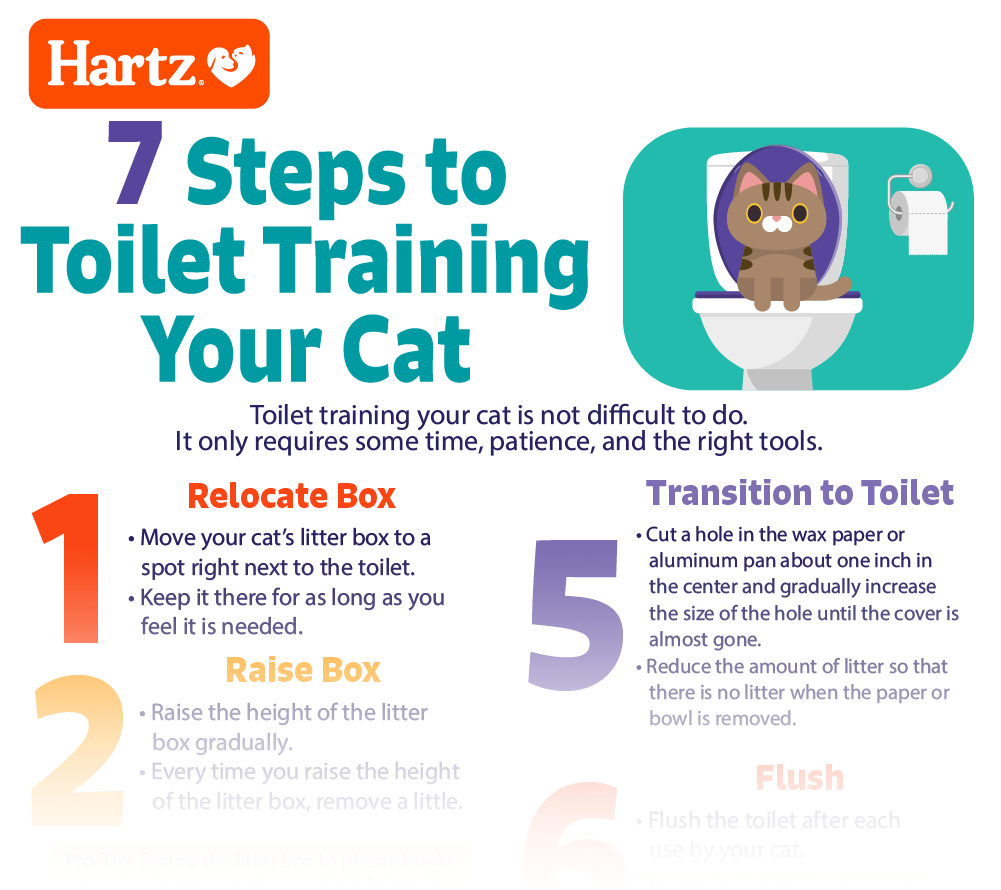
Credit: www.hartz.com
Selecting The Best Cat Litter
Training a cat to use a litter box involves patience and consistency. Place the box in a quiet spot. Guide your cat to it after meals, gently showing them where to dig and cover.
Selecting the right cat litter is crucial in training your cat to use the litter box. The perfect choice ensures your feline friend feels comfortable and is more likely to use the box consistently. With so many options on the market, how do you know which is best for your cat? Let’s dive into the different types and features to help you make an informed decision.Types Of Cat Litter
Cat litter generally falls into a few main categories: clay, silica gel, recycled paper, and natural materials like corn or wheat. Clay is one of the most popular choices due to its affordability and availability. However, it can be dusty, which might not be ideal if you or your cat have respiratory issues. Silica gel crystals are another option. They absorb moisture effectively and are low-dust. If you’re eco-conscious, recycled paper or natural litters can be a good choice, as they are biodegradable and sustainable. Consider what matters most to you and your cat when choosing the type.Scented Vs. Unscented
Scented litters might seem appealing because they can mask odors. However, some cats are sensitive to strong smells and might avoid the litter box altogether. If your cat seems hesitant, an unscented option could be worth trying. On the other hand, if your home has limited ventilation, a scented litter could help manage odors. It’s all about balance—keeping your home fresh while ensuring your cat’s comfort. Watch your cat’s behavior closely to see what they prefer.Clumping Or Non-clumping
Clumping litters are popular because they make cleaning easier. The litter absorbs moisture and forms solid clumps that you can scoop out, keeping the box fresh. This option can be especially useful if you lead a busy life and need quick clean-up solutions. Non-clumping litters, while less convenient for cleaning, tend to be cheaper. They might need more frequent changes, but some cat owners find that these litters have less dust. Think about how much time you can dedicate to cleaning and how sensitive your cat is to dust. Selecting the right cat litter is not just about convenience—it’s about your cat’s health and happiness. Do you think your current choice meets both your needs and your cat’s preferences? Experiment and observe to find the best fit for both of you.Introducing The Litter Box
Introducing a litter box to your cat is a significant step in ensuring a harmonious household. It’s not just about placing the box in a corner and expecting magic. You need to guide your feline friend through this new experience. The key is patience and understanding, as each cat adapts differently to changes in their environment.
Familiarizing Your Cat
Your cat might be wary of the new addition to its space. Start by placing the litter box in an area where your cat spends most of its time. Let them sniff around and explore it at their own pace. You could even try sprinkling a bit of catnip near the box to make it more appealing. Have you ever noticed how curious cats can be? Use this to your advantage by allowing them to associate the litter box with positive experiences.
Gradual Introduction Techniques
Jumping straight into litter training might overwhelm your cat. Gradually integrate the litter box into their routine. Initially, keep the box visible and accessible, but not too close to their food or sleeping area. Observe your cat’s behavior. Do they seem hesitant or curious? If hesitant, try placing them gently in the box after meals and naps, as they are more likely to need it then.
Have you ever thought about how cats communicate their comfort or discomfort? Watch their body language closely. If they seem comfortable, reward them with a treat or affection. This positive reinforcement encourages repeated use of the box.
What are some creative ways you’ve found to introduce new things to your pets? Share your experiences or concerns in the comments below. Remember, every cat is unique, and understanding their behavior is your best tool for successful litter training.
Positive Reinforcement Strategies
Training a cat to use a litter box involves positive reinforcement strategies. Offer treats and praise each time your cat uses the litter box correctly. Consistent rewards encourage good habits and make the training process easier for both you and your cat.
Training your cat to use the litter box can be a rewarding journey for both you and your feline friend. One of the most effective methods to achieve this is through positive reinforcement strategies. By focusing on rewarding good behavior, you create a learning environment where your cat feels encouraged and motivated. Let’s dive into some practical strategies you can use to make this process easier and more enjoyable for both of you.Reward-based Training
Reward-based training is all about offering your cat something they love when they use the litter box correctly. This could be a tasty treat, extra playtime, or even some gentle petting. The idea is to associate the litter box with positive experiences. When your cat successfully uses the litter box, immediately offer a reward. This timely response helps your cat make the connection between their action and the positive outcome. You might find that your cat starts using the litter box more consistently and confidently. Think about what motivates your cat. Is it food, toys, or affection? Use this to your advantage and watch as your cat becomes more eager to use the litter box.Creating A Positive Environment
Creating a positive environment involves more than just rewards. It’s about ensuring your cat feels comfortable and secure in their litter box area. The litter box should be in a quiet, accessible location where your cat feels safe. Consider the type of litter you’re using. Cats can be picky about textures and scents. Experiment with different types to see which one your cat prefers. A comfortable and pleasant environment can significantly impact your cat’s willingness to use the litter box. Have you ever noticed your cat avoiding the litter box? It might be due to an unpleasant experience. Keep the area clean and free from strong odors. A clean litter box is more inviting and encourages consistent use. Incorporating positive reinforcement strategies can transform the way your cat interacts with their litter box. What steps will you take today to make this experience better for your feline companion?Troubleshooting Common Issues
Training a cat to use the litter box can have challenges. Cats may refuse the box or have accidents. Understanding these issues is crucial. Let’s explore common problems and solutions.
Addressing Litter Box Avoidance
Some cats avoid the litter box. This can be frustrating. First, check the box’s location. Cats prefer quiet and private spaces. Ensure the box is away from noisy areas. Cleanliness matters too. Cats dislike dirty boxes. Scoop daily and change litter weekly.
Consider the type of litter. Some cats dislike certain textures or scents. Experiment with different options. Observe your cat’s reaction. Adjust according to their preference. The size and style of the box can also matter. Some cats prefer open boxes. Others may like covered boxes. Try different styles to see what works.
Dealing With Accidents
Accidents can occur even with training. Address them promptly. Clean the area thoroughly. Use enzymatic cleaners to remove odors. Cats may return to previous spots if odors linger.
Observe if there are patterns. Accidents might indicate stress or health issues. Consult a vet if accidents persist. Stress can arise from changes in the home. New pets or people may impact your cat. Ensure a calm environment. Provide hiding spots and toys. This encourages a sense of security.
Credit: www.kinship.com
Maintaining Cleanliness
Keeping the litter box clean is crucial for your cat’s health. Cats are naturally clean animals. They prefer a tidy space for their bathroom needs. A clean litter box encourages regular use and prevents accidents. Ensuring cleanliness also minimizes odors in your home.
Daily Cleaning Routine
A daily cleaning routine keeps the litter box fresh. Remove waste every day to maintain hygiene. Use a scoop to collect clumps and feces. Dispose of the waste in a trash bag. Replace litter as needed to keep a fresh layer. Check the box for any signs of damage. A clean box keeps your cat happy and healthy.
Deep Cleaning Tips
Deep cleaning ensures a thorough refresh of the litter box. Do this once a week for best results. Start by emptying all the litter. Use warm water and mild soap to scrub the box. Rinse well and dry completely before refilling. Replace the litter with a fresh batch. Regular deep cleaning reduces bacteria and odors. This keeps the environment healthy for your cat.
Health And Behavioral Considerations
Training a cat to use a litter box involves patience and understanding their natural instincts. Place the box in a quiet, accessible spot to encourage use. Gradually introduce your cat to the box, rewarding successful attempts with praise or treats.
When training your cat to use a litter box, understanding health and behavioral considerations is crucial. Cats are creatures of habit, and any disruption in their routine could affect their litter box usage. Identifying health issues and behavioral triggers can make the process smoother and more successful.Recognizing Health Issues
Cats are experts at hiding their discomfort. If your cat suddenly stops using the litter box, it could be due to a health problem. Urinary tract infections or kidney issues are common culprits. A visit to the vet can rule out these issues. Ensure your cat’s vaccinations are up-to-date and keep an eye on changes in eating or drinking habits. One personal experience: my cat, Luna, stopped using the litter box. A vet visit revealed a minor bladder infection. A round of antibiotics and she was back to her litter box routine in no time.Understanding Behavioral Triggers
Behavioral triggers can be as significant as health issues. Stress, a new pet, or even moving the litter box can upset your cat. Observe your cat’s behavior. Is there a new pet or baby at home? Have you recently changed the litter type? Create a stable environment. My friend’s cat, Oliver, refused the litter box when they changed the litter brand. Switching back solved the issue instantly. It’s a reminder that cats are more particular than we often realize. Are you attentive to your cat’s needs? Recognizing these subtle cues can help prevent future litter box aversions. Understanding your cat’s specific needs will lead to a happier, healthier pet and a cleaner home.
Credit: hoosierfix.com
Frequently Asked Questions
How Do I Get My Cat To Use The Litter Box?
Place the litter box in a quiet, accessible location. Keep it clean by scooping daily. Use unscented litter and ensure the box is the right size. Reward your cat with treats when it uses the box. If problems persist, consult a veterinarian to rule out medical issues.
How Long Does It Take To Teach A Cat To Use A Litter Box?
Training a cat to use a litter box usually takes 2 to 4 weeks. Patience and consistency are key. Start by placing the cat in the litter box after meals and naps. Ensure the box is clean and in a quiet location.
Reward your cat for successful use to encourage positive behavior.
Do Cats Naturally Learn To Use A Litter Box?
Cats instinctively use litter boxes due to their natural burying behavior. Kittens learn by watching their mother. Most cats adapt quickly to litter boxes without formal training. Ensure the box is clean and accessible to encourage use.
What Draws A Cat To A Litter Box?
Cats are drawn to litter boxes due to their instinct to bury waste. The familiar scent attracts them. Cleanliness and accessibility also play key roles, ensuring cats use them comfortably. Litter texture matters, too, providing a natural feel under their paws.
Conclusion
Training your cat to use a litter box is achievable. Patience is key. Start with a clean, accessible litter box. Praise your cat when it uses the box. This builds positive habits. Keep the area quiet and safe. Cats enjoy privacy.
Avoid sudden changes in litter type. Stick to what your cat prefers. Clean the box often to keep it inviting. Watch for signs of discomfort or avoidance. Address any issues promptly. With consistency, your cat will learn. A little effort goes a long way.
Celebrate each small success. Your cat will thank you!