How to Train a Cat to Walk on a Leash: Expert Tips
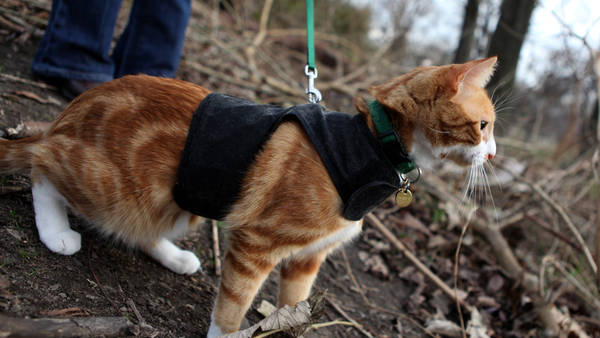
Imagine the joy of taking your cat on a stroll, enjoying the fresh air and outdoor adventures together. It’s not just a dog thing anymore.
If you’ve ever wished your feline friend could join you on walks, you’re in the right place. Training a cat to walk on a leash might seem like a daunting task, but with the right approach, it’s entirely possible. In this guide, you’ll discover simple steps to make leash training a fun and rewarding experience for both you and your cat.
Whether you’re looking to enhance your cat’s life with new sights and smells or simply want to strengthen your bond, this article will show you how to turn your indoor kitty into a confident outdoor explorer. Get ready to unlock a whole new world of adventures with your cat!

Credit: www.youtube.com
Choosing The Right Equipment
Training a cat to walk on a leash can be a fun adventure. Choosing the right equipment is essential for a smooth and safe experience. The right harness and leash make the process easier and more enjoyable for both you and your cat.
Selecting A Harness
A good harness ensures comfort and safety. Look for one that fits snugly but isn’t too tight. Adjustable straps help in getting the perfect fit. Soft materials prevent irritation. Avoid harnesses with hard edges that can hurt your cat.
Consider a harness that covers the chest and back. This design provides better control. Some cats prefer vest-style harnesses. These distribute pressure evenly. Always check for secure buckles. They should be easy to fasten but not come undone easily.
Finding The Perfect Leash
The leash should be lightweight and durable. A retractable leash offers flexibility, allowing your cat freedom to explore. Ensure the leash is not too long. A shorter leash helps in controlling your cat’s movements.
Material matters. Nylon is strong and resistant to wear. Avoid chains or heavy materials. They can be uncomfortable for your cat. Choose a leash with a comfortable handle. A padded grip reduces hand strain during walks.
Introducing The Harness
Introducing the harness is key to training your cat to walk on a leash. Start by letting your cat sniff and wear the harness indoors. This helps them get used to the feeling before venturing outside.
Introducing your cat to a harness can be a thrilling step towards leash training. It’s not just about the physical equipment but ensuring your feline friend feels safe and secure. If you’ve ever tried putting a sweater on a reluctant toddler, you know the importance of patience and positivity.Getting Your Cat Comfortable
Start by choosing a harness that fits your cat snugly but is not too tight. Think about it like a comfy shirt. You want your cat to feel at ease wearing it around the house. Place the harness near their favorite napping spot or food dish. Let them sniff and inspect it at their own pace. One technique that worked for my curious tabby was leaving the harness in her bed. After a couple of days, she was napping on it like it was just another blanket. What location does your cat love most?Positive Reinforcement Techniques
Once your cat is familiar with the harness, it’s time to gently put it on. Offer treats and praise to create a positive association. Every successful step deserves a reward. Just like training a dog, cats respond well to encouragement. Use treats your cat goes wild for. Maybe it’s a bit of tuna or a special catnip snack. Each time they wear the harness without fuss, give them a treat. Could you imagine how motivated you’d be if you got chocolate every time you did something right? Remember, patience is key. Some cats may take to the harness immediately, while others might need a few days or even weeks. How does your cat typically react to new experiences? Tailor your approach to their personality and you’ll both enjoy the journey.Leash Training Indoors
Leash training indoors helps cats feel comfortable and safe. Start by letting your cat explore the leash. Gradually introduce walking, using treats as encouragement.
Walking your cat on a leash can be a fun and rewarding experience for both you and your feline friend. But before you step outside, it’s crucial to start leash training indoors. This controlled environment offers a safe space for your cat to get comfortable with the leash. Plus, it minimizes distractions, helping them focus on the task at hand.Initial Steps At Home
Start by introducing the harness and leash. Let your cat sniff and explore these new items without pressure. You can even leave them near your cat’s favorite spot or food bowl. Familiarizing your cat with the leash in a non-threatening way is key. Next, gently put the harness on your cat. Ensure it’s snug but not too tight. You should be able to fit two fingers between the harness and your cat’s body. If your cat resists, try a few minutes at a time and gradually increase the duration. Reward with treats and praise. Positive reinforcement encourages your cat to associate the harness with good experiences. Imagine your cat looking forward to wearing it because it means tasty treats and your affection!Building Confidence
Once your cat is comfortable wearing the harness indoors, start walking around the house. Use a cheerful voice and encourage them to follow you. Keep the sessions short to maintain their interest. Create a path with obstacles like chairs or boxes to mimic outdoor terrain. This practice helps your cat learn to navigate while leashed. It’s also a fun way to engage with your pet indoors, making it less of a chore and more of a playful activity. Observe your cat’s reactions. Are they curious or hesitant? Adjust your approach based on their behavior. If they seem scared, take a step back and offer more reassurance. Have you ever noticed how your cat reacts to new environments? This insight is crucial when leash training. Understanding their comfort level can make all the difference in their indoor training journey. By starting indoors, you’re setting the stage for outdoor adventures. How exciting would it be to explore the world together with your furry companion on a leash?Taking The First Outdoor Steps
Training a cat to walk on a leash introduces them to a new world of adventure. Begin with short indoor sessions, letting your cat get used to the harness. Gradually move outdoors, allowing them to explore at their own pace.
Taking your cat outdoors on a leash can be a thrilling adventure for both you and your feline friend. However, it’s essential to ensure that their first outdoor experience is positive and safe. This section guides you through those initial steps and helps you build confidence in your cat as they explore the world beyond your home.Choosing A Safe Location
When taking your cat outside for the first time, the location is crucial. Opt for a quiet, enclosed area like your backyard or a calm neighborhood park. Avoid places with heavy traffic or loud noises that may scare your cat. If you live in an urban area, consider visiting during quieter times of the day. Ensure the area is free from potential hazards like dogs or other animals. You want your cat to feel secure and not overwhelmed by their new surroundings.Starting With Short Sessions
Begin your outdoor adventures with short sessions. Aim for just 5 to 10 minutes at first to let your cat get accustomed to the new environment. Observe your cat’s body language closely. Are they curious and relaxed, or are they showing signs of stress? This will help you determine if they’re ready for longer outings. Gradually increase the time spent outside as your cat grows more comfortable. Remember, patience is key. Each cat is unique and will adapt at their own pace. Engage with your cat during these short sessions. Bring along a favorite toy or some treats to make the experience enjoyable and positive. This will reinforce the idea that going outside is a fun and rewarding activity. Wouldn’t it be amazing to explore the world together with your cat feeling safe and happy? By choosing the right location and starting small, you’re setting the stage for many successful outdoor adventures to come.Managing Outdoor Challenges
Training a cat to walk on a leash involves patience and gradual steps. Start with indoor leash practice, letting your cat get used to the harness. Gradually introduce outdoor environments, ensuring your cat feels comfortable and safe at each stage.
Training your cat to walk on a leash opens up a world of adventure, but stepping outside can present several challenges. Outdoor environments are filled with stimuli that can be overwhelming for your feline friend. Managing these challenges effectively will ensure your cat’s safety and enjoyment during leash walks. Here’s how you can prepare for some common outdoor obstacles.Handling Distractions
Cats are naturally curious creatures, and outdoors, they’ll encounter numerous distractions. From fluttering birds to rustling leaves, everything is a potential fascination. To keep your cat focused, use treats or toys as a reward system. Praise them when they ignore distractions and stay on track. A personal experience taught me that patience is key. My cat, Luna, was initially fixated on every passing squirrel. Gradually, with consistent rewards for ignoring them, she learned to stay focused on her path. How will your cat react to the bustling world outside?Dealing With Unexpected Situations
Unexpected situations are bound to occur outdoors—be it a sudden loud noise or an unfamiliar animal. These can startle your cat and potentially lead to dangerous situations. Always stay alert and maintain a firm yet gentle hold on the leash. Consider carrying a small blanket or towel to cover your cat in case she becomes overwhelmed. This simple action can provide comfort and security. During one walk, Luna was startled by a barking dog. Covering her briefly calmed her down, proving that preparedness pays off. Are you ready to handle surprises on your next walk? Managing outdoor challenges requires vigilance and adaptability. With the right strategies, you can turn potential obstacles into memorable experiences for both you and your furry companion.
Credit: www.youtube.com
Monitoring Your Cat’s Comfort
Training a cat to walk on a leash can enhance their comfort and safety outdoors. Start slowly by letting your cat wear a harness indoors. Gradually introduce the leash, allowing them to explore at their own pace. Encourage and reward calm behavior to build trust and confidence.
Training your cat to walk on a leash can be an exciting journey for both you and your feline companion. Yet, it’s crucial to prioritize your cat’s comfort during this process. Cats are sensitive creatures, and their comfort is the key to a successful leash training experience. By closely observing their responses and making necessary adjustments, you can ensure the experience is positive and enjoyable. Let’s dive into how you can monitor your cat’s comfort effectively.Recognizing Stress Signals
Cats express discomfort in subtle ways. Watch for signs like flattened ears, a flicking tail, or dilated pupils. These can indicate stress or anxiety. A personal story comes to mind when I first attempted leash training with my cat, Whiskers. He started hissing and hiding under the couch, a clear sign he wasn’t ready. Have you noticed any similar behaviors with your cat? Monitor vocalizations too. Excessive meowing or growling can be a sign your cat is overwhelmed. It’s important to pause and reassess if you notice these stress signals.Adjusting The Training Pace
Every cat has its own pace. Some might take to leash training quickly, while others need more time. Patience is your best tool. Start with short sessions. Just a few minutes at first, and gradually increase as your cat becomes more comfortable. This method worked wonders for Whiskers. It took him a few weeks, but eventually, he strutted around like a pro. Celebrate small victories. Did your cat take a few steps without resistance? That’s a win! Reward them with treats or affection. Remember, your cat’s comfort should guide the training process. Are you noticing progress or resistance? Adjust your approach accordingly.Maintaining A Routine
Training a cat to walk on a leash requires patience and consistency. Start indoors, letting your cat wear the harness. Gradually introduce the leash, allowing exploration in safe outdoor spaces.
Training a cat to walk on a leash requires patience and consistency. Establishing a routine is essential for success. Cats thrive on predictability and feel secure with a regular schedule. A structured routine not only helps your cat adapt but also strengthens your bond.Setting A Consistent Schedule
Create a regular leash-walking schedule. Choose a specific time each day. Consistency helps your cat know what to expect. Morning or evening works best. Avoid midday heat. Stick to the same time daily. This builds trust and comfort.Gradual Increase In Distance
Start with short distances. A few minutes at first. Gradually increase the walking distance. Observe your cat’s comfort level. Extend the walk as your cat adjusts. Incremental changes prevent stress. Reward your cat with treats. Celebrate small victories.Common Mistakes To Avoid
Many pet owners pull the leash too hard, making cats uncomfortable. Rushing the process can scare your cat. Patience is key to helping your cat adapt to the leash.
Training a cat to walk on a leash can be a rewarding experience, but it’s not without its challenges. Understanding common mistakes is crucial to ensuring a successful and enjoyable journey for both you and your feline friend. By avoiding these pitfalls, you can make the process smoother and more pleasant. Let’s dive into some common errors that cat owners often make when introducing a leash.Rushing The Process
Patience is key when it comes to leash training a cat. Trying to rush things can lead to anxiety and resistance from your pet. Imagine you’re trying to learn a new skill—how would you feel if someone pushed you too fast? It’s similar for your cat. Start by letting them explore the leash and harness indoors at their own pace. Gradually build up to outdoor walks. If your cat shows signs of discomfort, take a step back and let them adjust.Ignoring Cat’s Reactions
Your cat’s reactions are vital cues in the training process. Ignoring these signals can lead to stress and fear, making leash training more difficult. Observe your cat closely. Are they pulling back or trying to remove the harness? Are their ears pinned back or is their tail fluffed? These are signs your cat may be uncomfortable. Acknowledge their feelings and adjust your approach accordingly. If your cat feels safe and heard, they are more likely to cooperate. Engaging with your cat’s emotions can make a world of difference. What do you notice when your cat reacts to the leash? Understanding their responses can guide you in making necessary changes. Avoiding these common mistakes can transform the leash training process into a positive experience. Remember, your cat’s comfort and happiness should be your priority. What other steps could you take to ensure a more successful leash training experience?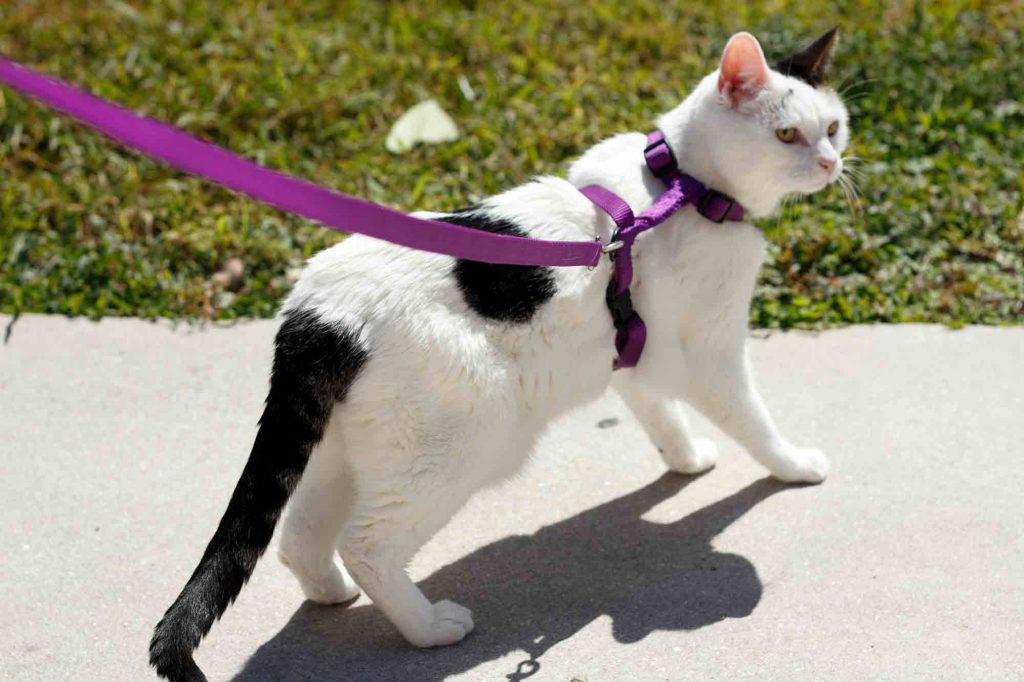
Credit: www.lonetreevet.com
Frequently Asked Questions
Can A Cat Be Trained To Walk On A Leash?
Yes, cats can be trained to walk on a leash. Start with a comfortable harness and gradually introduce leash training. Use treats and positive reinforcement to encourage them. Patience and consistency are key to successful leash training for cats.
What Age Can You Start Leash Training A Cat?
Start leash training a cat at 8-12 weeks old. Young cats adapt quickly to new experiences. Use positive reinforcement for better results. Always be patient and consistent during the training process.
How Do You Train A Cat To Go Outside And Come Back?
Start by establishing a routine for your cat. Use treats and a specific call to encourage return. Allow short outdoor trips initially, gradually increasing time. Always supervise until they learn to come back. Ensure your cat is microchipped and wears a collar with ID.
Is It A Good Idea To Walk Your Cat On A Leash?
Walking your cat on a leash is a good idea. It provides exercise and mental stimulation. Ensure your cat is comfortable with the harness. Start indoors and gradually move outside. Always supervise your cat closely. Leash walking can strengthen your bond and enhance your cat’s quality of life.
Conclusion
Training a cat to walk on a leash takes patience and love. Start slowly and ensure your cat feels safe. Encourage your furry friend with treats and praise. Practice regularly for the best results. Remember, every cat is unique. Some may learn faster than others.
Stay patient and enjoy the journey together. Walking your cat can be a fun adventure. Always prioritize their comfort and safety. With time, your cat will enjoy exploring the world. A little effort goes a long way in creating happy memories.
Enjoy the bonding experience and watch your cat thrive.

Similar Posts