How to Potty Train a Cat: Expert Tips and Tricks
Imagine a world where your cat doesn’t need a litter box. Sounds like a dream, right?
Potty training your cat can make this a reality. You might think it’s impossible, but with the right steps, it can be done. Training your feline friend to use the toilet not only saves you time and money but also keeps your home fresher.
Plus, it’s an impressive party trick! This guide will show you exactly how to make it happen. By the end, you’ll have all the tips and tricks needed to transform your cat into a litter-free companion. So, are you ready to learn how to potty train your cat and amaze everyone with your clever kitty? Let’s dive in!
Choosing The Right Litter Box
Choosing the right litter box is a crucial step in successfully potty training your cat. Cats can be finicky creatures, and the wrong litter box might lead to unexpected surprises around your home. Consider factors such as size, type, and placement, as these can significantly impact your cat’s comfort and willingness to use it.
Size And Type Considerations
When selecting a litter box, size matters. A box that’s too small can make your cat feel cramped, leading them to avoid it. Ensure the box is large enough for your cat to comfortably turn around and dig.
Type is equally important. Open boxes provide easy access and visibility, which can be comforting for some cats. Covered boxes offer privacy, but they may trap odors. Observe your cat’s behavior to determine their preference.
Think about the material, too. High-quality plastic is durable and easy to clean. Self-cleaning boxes sound convenient, but they might intimidate a shy cat with their noise.
Placement In The Home
Location can make or break your cat’s willingness to use the litter box. Have you ever seen a cat dart away from a noisy room or bustling hallway? Privacy is crucial.
A quiet, low-traffic area helps your cat feel secure. Avoid places like the kitchen or near loud appliances. Experiment with different spots to find the perfect fit.
Accessibility is key. If your cat has to navigate stairs or obstacles, they might choose a more convenient spot—like your favorite rug! Keep the box easily accessible at all times.
What about multiple floors? A litter box on each level can prevent accidents and makes potty training smoother. Would you want to climb stairs every time nature calls?
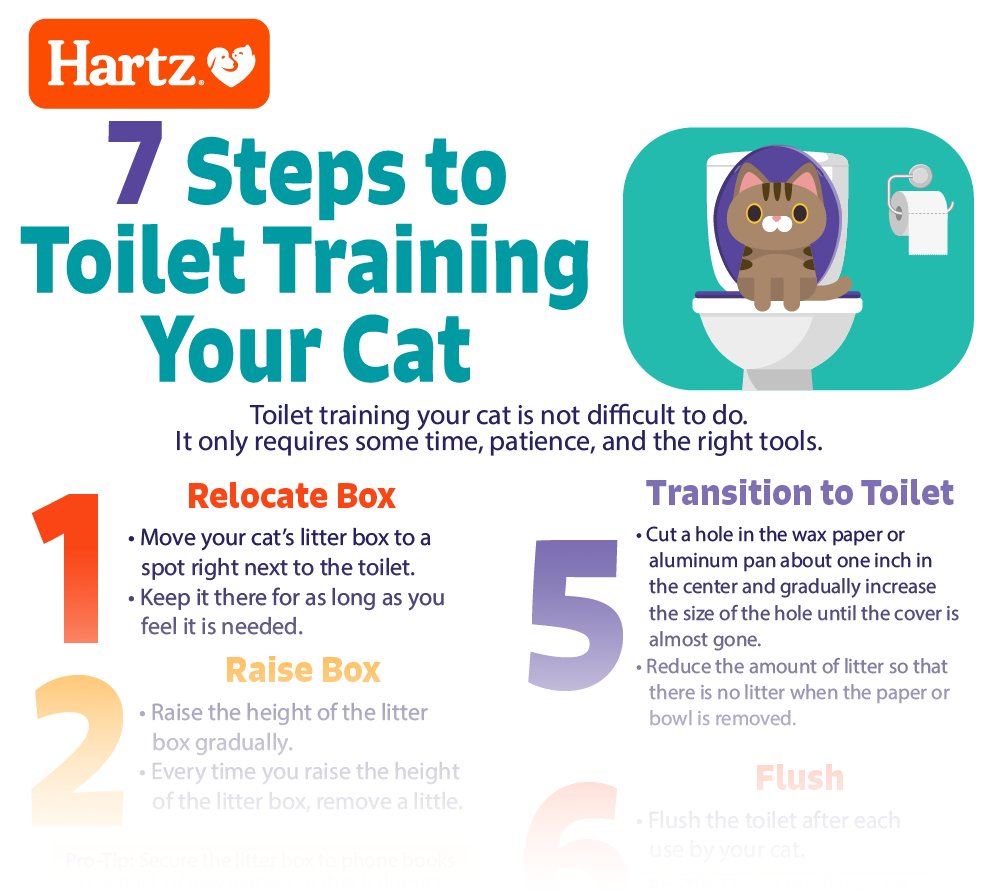
Credit: www.camipa.org
Selecting The Best Litter
Choosing the right litter can make potty training your cat easier. The type of litter affects your cat’s comfort and habits. Cats can be picky about their toilet area. So, selecting the best litter is crucial. Let’s explore different litter options.
Clumping Vs Non-clumping
Clumping litter forms solid clumps when wet. This makes it easy to scoop and clean. It helps keep the litter box fresh longer. Many cat owners prefer clumping litter for its convenience. Non-clumping litter absorbs moisture but doesn’t form clumps. It needs frequent changing to keep odors at bay. Some cats prefer the texture of non-clumping litter. Consider your cleaning routine and your cat’s preference.
Scented Vs Unscented
Scented litter masks odors with perfumes. It can make the room smell fresh. But, some cats dislike strong scents. This might deter them from using the litter box. Unscented litter is free from added fragrances. It relies on natural odor control. Cats with sensitive noses often prefer unscented litter. Observe your cat’s behavior with both types.
Introducing The Litter Box
Introducing your cat to a litter box is a key step in potty training. This process needs patience and understanding. Cats are creatures of habit. They might be reluctant to use a new litter box initially. With the right approach, you can make this transition smooth and stress-free.
Gradual Introduction Techniques
Start by placing the litter box in a quiet spot. Avoid noisy or high-traffic areas. This helps the cat feel safe and comfortable. Let your cat explore the box at its own pace. You can use treats to encourage curiosity. Sprinkle a few treats around the box. This encourages your cat to investigate further.
Choose a litter type similar to what your cat knows. A familiar texture eases the transition. If your cat is new to litter, try introducing it gradually. Add a small amount in the box first. Increase the quantity as your cat gets used to it. This method reduces stress and confusion.
Encouraging Initial Use
Once your cat is familiar with the box, encourage its use. Place your cat gently in the box after meals. Cats usually need to relieve themselves soon after eating. This helps them associate the box with their natural instincts. Praise your cat when it uses the box correctly.
Avoid punishing mistakes. Negative reinforcement can cause fear. Instead, reward positive behavior with treats or affection. Make sure the box is clean. Cats prefer clean spaces for their needs. Regular cleaning prevents odors and keeps your cat happy. A happy cat is more likely to use the litter box.

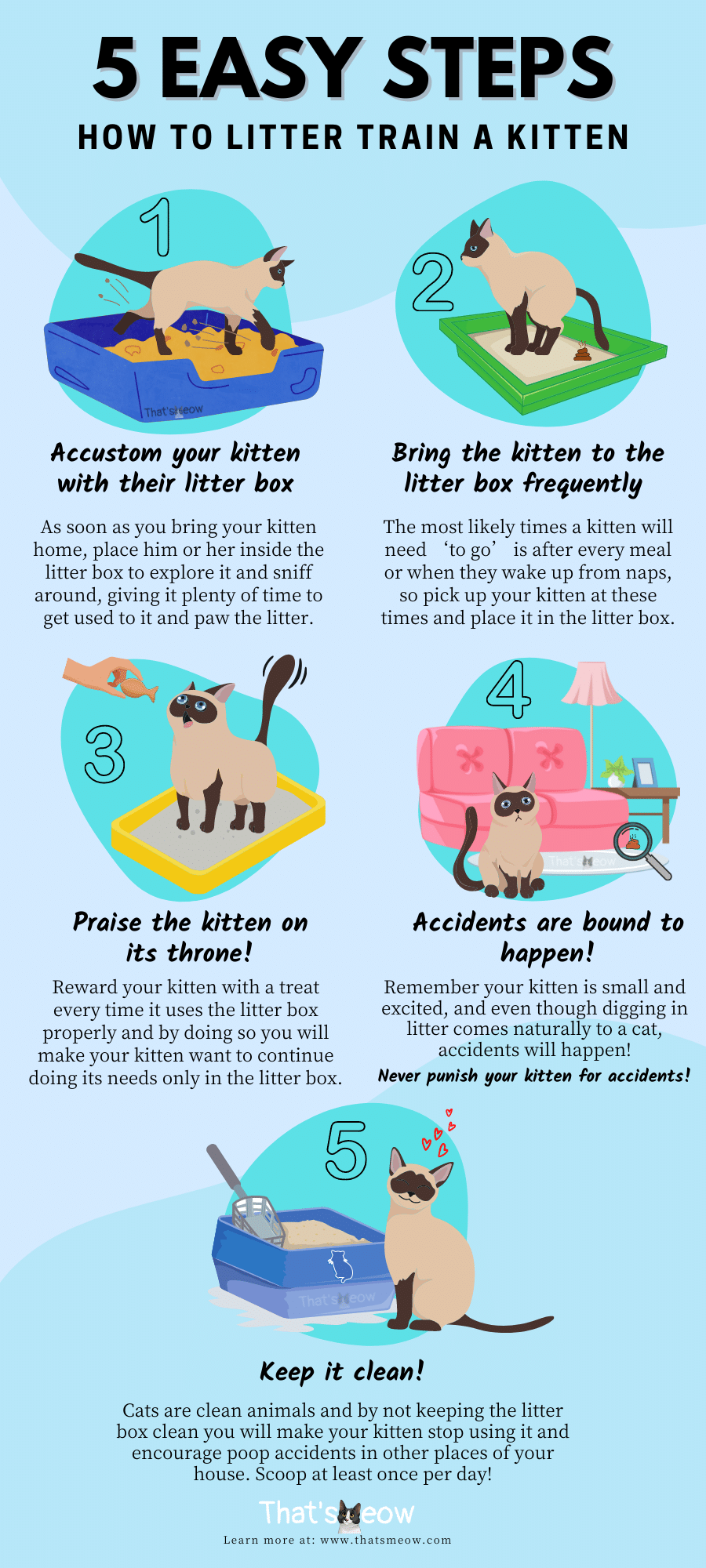
Credit: www.briopets.com
Establishing A Routine
Creating a routine is key in potty training a cat. Cats thrive on consistency and predictability. By setting a regular schedule, you help your cat understand what to expect. This reduces stress and speeds up the training process.
Consistent Scheduling
Feed your cat at the same time each day. Regular meal times lead to predictable bathroom times. Take your cat to the litter box after meals. Doing so helps them associate eating with using the litter box.
Maintain a consistent location for the litter box. Cats prefer familiarity and will adjust better if the box is always in the same spot. A stable location also makes it easier for them to find the box when needed.
Recognizing Signals
Pay attention to your cat’s behavior. Look for signs they need the bathroom. Common signals include sniffing the ground, circling, or meowing. Act quickly when you notice these signals. Guide your cat to the litter box immediately.
Praise your cat once they use the litter box. Positive reinforcement encourages them to repeat the behavior. Over time, your cat will learn to use the litter box on its own.
Positive Reinforcement
Rewarding your cat with treats encourages them during potty training. Cats respond well to positive reinforcement. Give them praise and snacks when they use the litter box correctly.
Potty training a cat can seem like a daunting task, but with the right approach, it’s entirely achievable. The key lies in Positive Reinforcement. This method focuses on encouraging good behavior rather than penalizing unwanted actions. Cats are intuitive creatures, and they respond well to kindness and reward. By emphasizing positive reinforcement, you can foster a trusting environment where your cat feels confident and eager to learn.Reward Systems
Creating an effective reward system is essential. Imagine your cat successfully using the litter box for the first time. A small treat or some extra playtime can make a world of difference. Consistency is crucial. If you reward your cat each time they use the potty correctly, they’ll quickly associate the behavior with something pleasant. Visual cues can also be beneficial. You might consider placing a special toy or treat near the litter box to signify a reward for proper usage. This encourages a routine and makes the process enjoyable for your feline friend.Avoiding Punishment
It’s tempting to scold your cat when accidents happen, but this can be counterproductive. Cats don’t respond well to punishment; it often leads to fear and confusion rather than learning. Instead, focus on understanding why the mishap occurred. Was the litter box inaccessible? Was the environment stressful? Addressing these issues calmly can prevent future accidents. Think about your own experiences. Have you ever been reprimanded for a mistake? How did it make you feel? Use this empathy to guide your approach. By fostering a supportive atmosphere, your cat will be more likely to learn and adapt. Have you considered how your behavior affects your cat’s learning process? Positive reinforcement not only trains your cat but also strengthens your bond.Troubleshooting Common Issues
Potty training a cat involves patience and understanding of feline behavior. Start by placing a litter box in a quiet area. Gradually introduce your cat to it, rewarding them for using the box. Consistency and positive reinforcement help address common issues during the training process.
Potty training a cat can be a rewarding yet sometimes challenging experience. As you navigate this journey, you might encounter a few bumps along the way. Understanding and troubleshooting common issues can ensure a smoother transition for both you and your feline friend. Let’s dive into some practical solutions for addressing these common hurdles.Addressing Accidents
Accidents can happen, especially in the early stages of potty training your cat. It’s essential to stay patient and observe patterns. Does your cat avoid the litter box at specific times or after certain activities? Ensure the litter box is always clean. Cats are particular about hygiene. If the box isn’t clean, they might look for alternative spots. Consider the location of the litter box. Is it in a noisy or high-traffic area? Cats prefer quiet and private spots, much like us. Relocating the litter box to a more secluded area might solve the issue. If accidents persist, it might be time to consult a vet. Health issues like urinary tract infections can cause litter box avoidance. Being proactive can save both you and your cat unnecessary stress.Handling Reluctance
Sometimes, your cat might show reluctance to use the litter box. This behavior can stem from a range of reasons. Have you recently changed the type of litter or the style of the box? Cats can be sensitive to change. If you’ve switched litter brands or types, try reverting to the previous one. Sometimes a familiar scent or texture can ease your cat’s reluctance. Observe if your cat is being territorial. If there are multiple pets, ensure each has its own litter box. Sharing can be a source of stress, leading to reluctance. Introduce positive reinforcement when your cat uses the litter box. A treat or affection can encourage repeat behavior. Celebrate small victories, and soon enough, reluctance will turn into routine. Remember, every cat is unique. What works for one might not work for another. Pay attention to your cat’s behavior, and don’t hesitate to make adjustments as needed. Are you ready to tackle these issues head-on and create a harmonious environment for your furry friend?Health Considerations
Training a cat to use the toilet requires attention to health. Ensure the litter box is always clean. Watch for signs of stress or discomfort during training.
Potty training a cat can feel like a daunting task, but considering your cat’s health is crucial for success. Health issues can affect your cat’s ability to learn new habits. By focusing on their well-being, you’re more likely to achieve a smooth transition from litter box to toilet. Let’s explore some key health considerations.Monitoring For Medical Issues
Be vigilant about changes in your cat’s behavior or bathroom habits. If your cat suddenly starts missing the litter box, it might be a sign of a medical problem. Urinary tract infections or digestive issues can disrupt their routine. Watch for symptoms like frequent urination, straining, or blood in their urine. These signs can indicate a need for medical attention. Addressing health issues promptly helps ensure that potty training goes smoothly. Keep track of your cat’s bathroom habits. Is their stool consistency normal? Are they using the litter box regularly? Observing these patterns can provide early warnings of health problems.Consulting A Veterinarian
Before you start potty training, consult your veterinarian. They can offer insights into whether your cat is healthy enough for the transition. A vet check-up ensures there are no underlying health issues that could complicate training. Discuss any concerns you have about your cat’s health. Your vet can suggest dietary changes or treatments if necessary. This advice can prevent potential health obstacles during training. If you notice any unusual behavior during training, don’t hesitate to reach out to your vet. Early intervention can prevent small issues from becoming serious health problems. Have you ever wondered if your cat’s reluctance to use the toilet is health-related? It’s always worth checking with a professional. Your proactive approach can make all the difference in a successful potty training experience.Maintaining Cleanliness
Potty training a cat is a remarkable achievement, but maintaining cleanliness in your home is crucial to ensuring the process stays smooth. Cats are meticulous animals, and they appreciate a clean environment as much as you do. Keeping the potty area tidy not only benefits your cat but also ensures your home remains fresh and welcoming. Let’s dive into some practical tips to maintain cleanliness while potty training your feline friend.
Regular Cleaning Practices
Cleaning the litter box regularly is non-negotiable. Cats are particular about their space, and a dirty litter box can lead to accidents elsewhere in your home. Aim to scoop the box at least once a day. This keeps your cat happy and reduces the risk of odors.
Consider using a cat-safe cleaner to wipe down the litter box weekly. This prevents bacteria build-up and keeps the box smelling fresh. Remember, a clean environment encourages your cat to use the potty consistently.
Preventing Odors
Odors can quickly become overwhelming if not managed properly. Using an odor-neutralizing litter can make a significant difference. This type of litter traps smells before they spread, keeping your home smelling pleasant.
Have you ever tried baking soda? Sprinkling some in the litter box can help absorb odors naturally. It’s a simple yet effective trick that many cat owners swear by. Also, placing the litter box in a well-ventilated area helps keep the air fresh.
If your cat’s potty area still smells, consider adding an air purifier nearby. This not only keeps the air clean but also provides a healthier environment for both you and your cat.
Maintaining cleanliness while potty training your cat is a rewarding challenge. What creative solutions have you discovered to keep your home fresh and clean? Share your thoughts and experiences below!
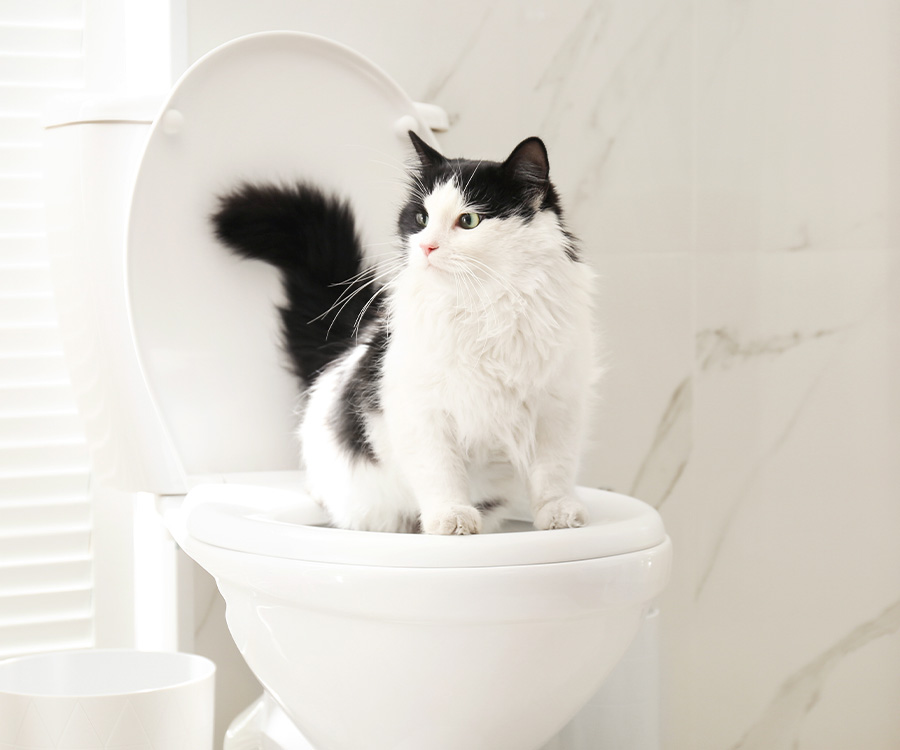
Credit: www.hartz.com
Frequently Asked Questions
Are Cats Easy To Potty Train?
Cats are generally easy to potty train due to their natural instinct to use litter boxes. Training involves guiding them to the box and maintaining cleanliness. Start early for best results and reward good behavior. Always keep the litter box accessible and clean to encourage consistent use.
How Long Does It Take To Potty Train A Cat?
Potty training a cat usually takes 2 to 3 weeks. Consistency and patience are crucial for success. Some cats may learn faster, while others might need more time. Provide positive reinforcement and maintain a clean litter box to encourage proper habits.
What Is The Fastest Way To Litter Train A Kitten?
Start by placing the kitten in the litter box after meals and naps. Use unscented, non-clumping litter for comfort. Reward with praise and treats when they use it correctly. Keep the litter box clean and accessible. Consistency and patience are key for successful litter training.
How To Potty Train An Indoor Cat?
Start by placing a litter box in a quiet, accessible area. Gradually train your cat to use it by encouraging them after meals. Clean the box regularly to prevent odors. Reward positive behavior with treats and praise. Consistency and patience are key to successful potty training.
Conclusion
Potty training a cat takes patience and consistency. Start with the right supplies. Gradually introduce the litter box. Praise your cat when they use it correctly. Keep the area clean to avoid confusion. Observe your cat’s behavior closely. Adjust the training process as needed.
Every cat learns at their own pace. Stay calm and encouraging. Celebrate small successes. Soon, your cat will adapt to the routine. Enjoy the bond you build through this process. Happy training!

Similar Posts