How to Train a Cat Not to Bite: Easy Tips & Tricks
Ever find yourself on the receiving end of an unexpected nip from your feline friend? You’re not alone.
While a playful bite might seem harmless, it can be painful and might even lead to behavioral issues over time. The good news? You can train your cat not to bite. Imagine a peaceful home where you can enjoy playtime without the worry of sharp little teeth.
Intrigued? Stay with us, and discover simple, effective techniques to transform your feisty feline into a gentle companion. Let’s dive into the world of understanding and reshaping your cat’s behavior for a happier, safer relationship.
Understanding Cat Behavior
Understanding cat behavior is crucial when you’re trying to train your feline friend not to bite. Cats are complex creatures with distinct personalities, and their behavior often stems from a mix of instinct and environment. By observing and learning about your cat’s actions, you can foster a better relationship and reduce biting incidents.
Reasons Cats Bite
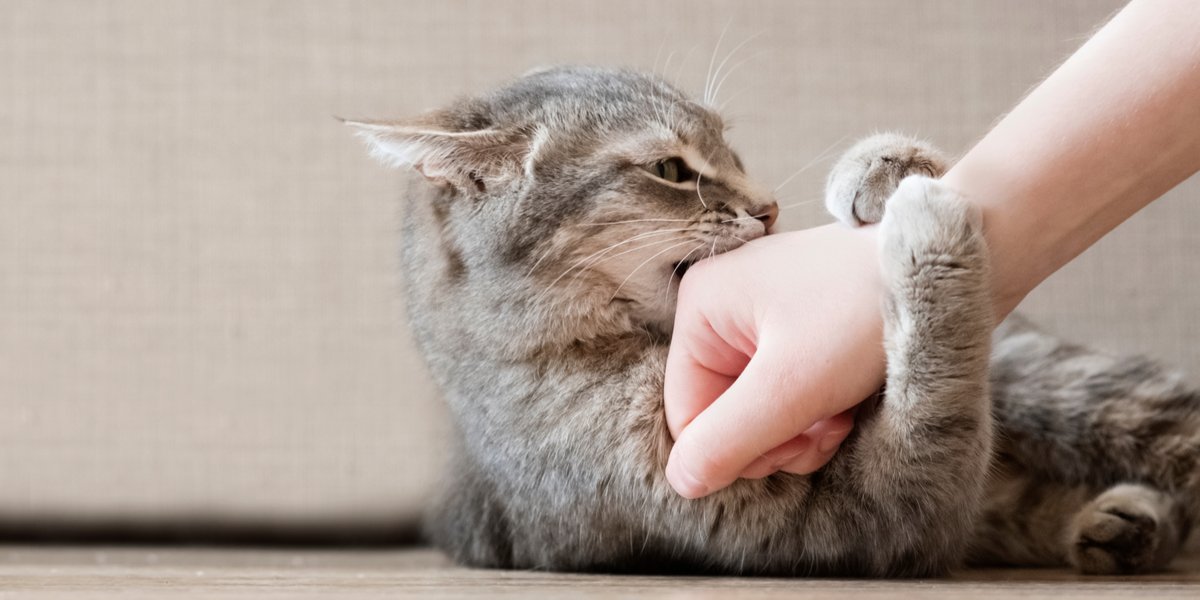
Cats may bite for various reasons, and it’s not always a sign of aggression. Sometimes, it’s a playful gesture. Kittens often bite during play as they learn to hunt and develop their predatory skills. Adult cats might bite to express discomfort or fear. If your cat feels threatened or cornered, a bite might be their way of defending themselves.
Stress is another common reason. Changes in their environment, like moving to a new home or the arrival of a new pet, can cause anxiety. This stress may manifest as biting. Also, if a cat is in pain, they might bite as a reaction to being touched.
Identifying Triggers
To train your cat not to bite, you must first identify what triggers this behavior. Observe when your cat tends to bite and what precedes it. Does your cat bite during playtime or when you try to pet them? This information is key.
Consider potential environmental triggers. Is there a specific time of day when your cat is more aggressive? Maybe loud noises or the presence of unfamiliar people make them uneasy. Understanding these triggers allows you to modify your approach and minimize biting incidents.
Think about your interactions. Are you handling your cat in a way that might be uncomfortable for them? I once realized my cat bit me when I petted his belly, a spot he wasn’t fond of being touched. Adjusting my approach made a noticeable difference.
Training your cat not to bite is a gradual process. It requires patience and understanding of their behavior. What can you change today to make your cat feel more secure and less inclined to bite?
:strip_icc()/control-kitten-scratching-biting-554830_FINAL-84ee01be16584be2a4f51357a621c3d7.jpg)
Credit: www.ojucohstech.net
Creating A Safe Environment
Creating a safe environment for training a cat not to bite involves patience and consistency. Redirect biting behavior with toys and positive reinforcement. Establishing trust and understanding is key to encouraging gentle interactions.
Creating a safe environment is crucial in training your cat not to bite. Cats bite due to stress or feeling threatened. A calm space helps them relax and feel secure. By focusing on their needs, you can reduce biting behavior. Let’s explore practical ways to create this environment.Providing Safe Spaces
Cats need their own safe spaces. These spaces allow them to retreat when feeling overwhelmed. A cozy bed or a quiet corner works well. Ensure this area is away from loud noises. Cats enjoy high perches, so consider a tall cat tree. This gives them a vantage point to observe their surroundings. Safe spaces provide comfort and security.Reducing Stressors
Identify and reduce stressors in your home. Loud noises or sudden movements can unsettle cats. Keep the environment calm and predictable. Ensure other pets do not threaten your cat’s space. Introduce changes gradually to prevent stress. Regular playtime can also help reduce anxiety. Interactive toys or feather wands are excellent choices. A stress-free cat is less likely to bite.Positive Reinforcement Techniques
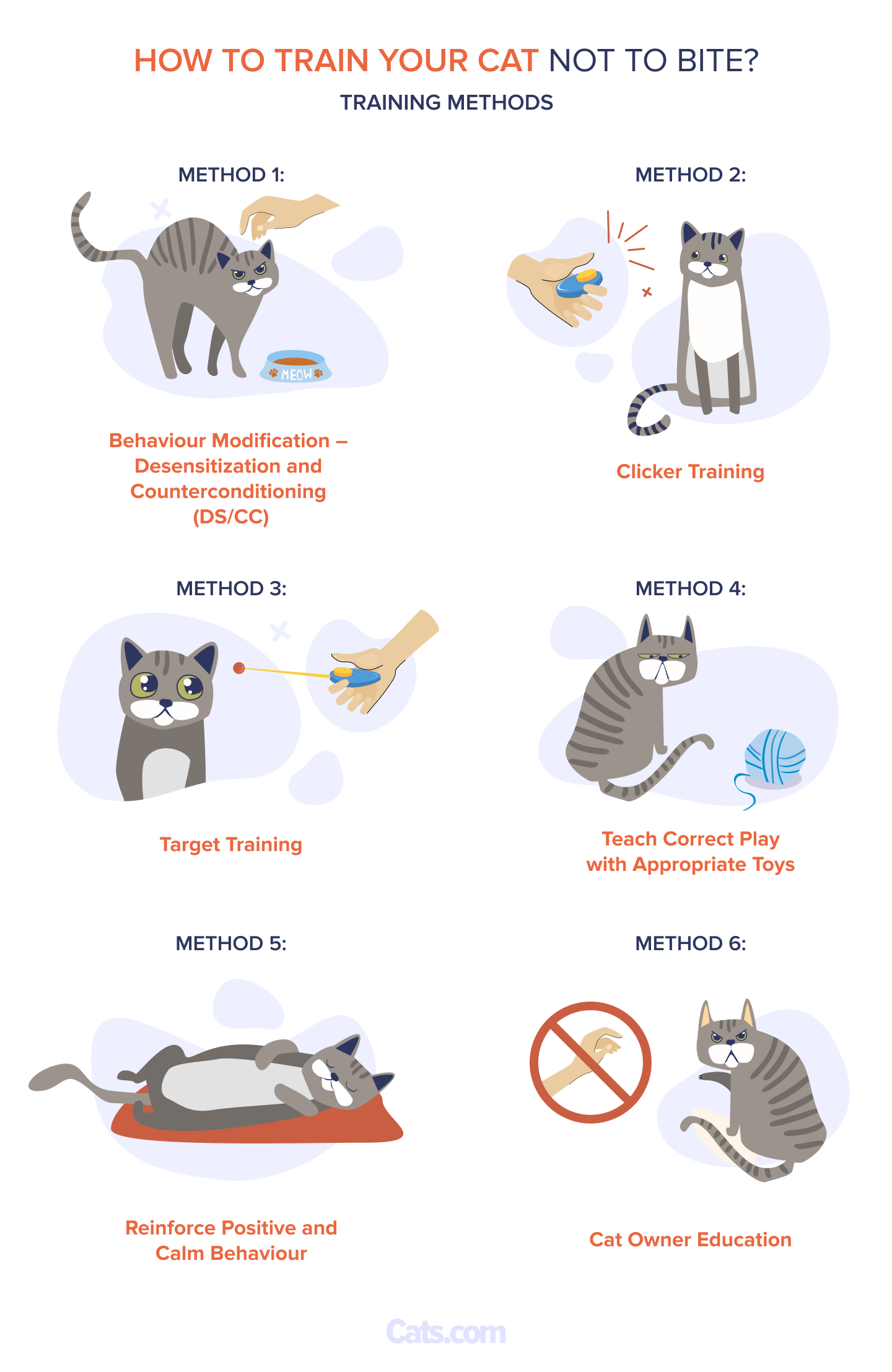
Training a cat not to bite can be challenging. Positive reinforcement offers a gentle way to guide your cat. This method focuses on rewarding desired behaviors. It encourages your cat to repeat good actions. Cats respond well to positive reinforcement. It strengthens the bond between you and your feline friend.
Rewarding Good Behavior
Notice your cat behaving well. Reward it immediately. This teaches your cat what is acceptable. Use praise or affection. Cats love attention. They feel appreciated. Reinforce good behavior consistently. This builds trust. Your cat learns biting is not rewarded. Positive reinforcement boosts your cat’s confidence.
Using Treats And Toys
Treats are powerful motivators. Select healthy options. Offer them promptly after good behavior. This links the treat to the action. Toys work wonders too. Use them to distract your cat. Redirect biting tendencies. Engage your cat in play. Provide toys it enjoys. This keeps your cat occupied. It reduces biting urges. Positive reinforcement turns training into fun.
Redirecting Aggression
Redirect aggression in cats by offering toys when they start to bite. Teach them gentle play using treats as rewards. Consistent training can help reduce biting behavior over time.
Redirecting a cat’s aggression is crucial in training them not to bite. Cats often bite out of fear, playfulness, or overstimulation. Redirecting this behavior can help maintain a peaceful household. It’s important to understand your cat’s triggers. This helps in creating effective strategies for redirecting aggression. Let’s explore some effective techniques.Using Toys Instead Of Hands
Always use toys for playtime with your cat. This helps avoid associating your hands with play or aggression. Provide a variety of toys to keep your cat entertained. Wand toys, balls, and stuffed mice are excellent choices. Interactive toys can also engage your cat’s mind. This prevents boredom and reduces the urge to bite. Keep your hands away from your cat’s mouth during play.Implementing Playtime Strategies
Establish a regular play routine. This helps channel your cat’s energy positively. Short, frequent play sessions can be more effective. Cats enjoy bursts of activity. Use toys that mimic prey, like feather wands or laser pointers. Encourage your cat to chase and pounce. This satisfies their natural hunting instincts. Always end play sessions with a calming activity. This helps your cat transition smoothly to a relaxed state.Consistency In Training
Training a cat not to bite requires consistency. Cats learn best through repeated actions and reactions. Establishing a routine helps in building this consistency. With patience, you can guide your cat to behave better. Let’s explore these essential aspects.
Establishing Routine
Create a daily training schedule. Regularly practice commands and responses. Repetition is key. Cats thrive on predictable patterns. A set routine reassures them. They learn what behavior is expected. Use positive reinforcement during training. Reward good behavior with treats or praise. Avoid punishment. It confuses them.
Keep sessions short. Cats have limited attention spans. Five to ten minutes is ideal. This keeps them engaged without overwhelming them.
Maintaining Patience
Patience is crucial in cat training. Progress might be slow at first. Stay calm and consistent. Avoid showing frustration. Cats sense your mood. A positive attitude encourages them to learn. Some cats take longer to adapt. Each cat is unique.
Celebrate small victories. Every step forward is progress. Repeat training sessions consistently. Reinforce learned behaviors regularly. Over time, biting reduces. Your patience pays off.
Understanding Body Language
Training a cat not to bite involves understanding its body language. Recognize signs of irritation like tail flicks or flattened ears. Redirect its attention with toys or treats to prevent biting.
Understanding your cat’s body language is crucial when training it not to bite. Cats communicate through subtle cues, and being able to read these signals can help prevent bites before they happen. Observing your cat’s behavior can lead to a more harmonious relationship.Recognizing Warning Signs
Cats often give clear signals before they bite. Look for twitching tails, flattened ears, or dilated pupils. These are indications that your cat might be feeling stressed or threatened. Sometimes, a cat might growl or hiss. This is a direct warning to step back. It’s vital to respect these signs to avoid pushing your cat over the edge. Pay attention to your cat’s body posture. A crouched or tense body often means they’re uncomfortable. Recognizing these signs can be a game-changer in preventing bites.Responding Appropriately
If you notice any of these warning signs, it’s important to stay calm. Sudden movements can escalate the situation, so move slowly and give your cat space. Distracting your cat with a toy can redirect its attention. This shift can help defuse tension and keep both you and your cat safe. Reward calm behavior with a treat. Positive reinforcement encourages your cat to associate calmness with good outcomes. This approach can gradually reduce biting incidents. Have you ever wondered why your cat bites at certain times? Observing its body language might provide the answers. By understanding these cues, you can tailor your training approach and foster trust with your furry friend.Professional Help
Training a cat not to bite can be challenging without expert guidance. Professional trainers use gentle methods to address biting behaviors. With patience and consistency, they teach cats to respond positively.
Training a cat not to bite can sometimes be challenging. Sometimes, professional help becomes necessary. If your cat’s biting behavior persists, consult a professional. They can provide expert guidance.When To Seek A Veterinarian
A veterinarian can identify underlying health issues. Cats bite due to pain or discomfort. A thorough examination helps uncover such problems. If your cat suddenly starts biting, visit a vet. They can rule out medical reasons. Regular check-ups are also crucial. Ensure your cat is healthy and pain-free.Consulting A Behaviorist
Cat behaviorists specialize in understanding feline actions. They offer personalized advice for biting issues. Behaviorists assess your cat’s environment and habits. They suggest strategies to modify unwanted behaviors. If biting becomes frequent, a behaviorist can help. They provide effective solutions to reduce aggression. Consulting a professional ensures tailored guidance for your pet.
Credit: www.youtube.com
Credit: cats.com
Frequently Asked Questions
How Do You Discipline A Cat For Biting?
Redirect your cat’s biting behavior with toys. Reward calm behavior using treats. Avoid physical punishment. Provide enough playtime. Consult a vet if biting persists.
Can Cats Be Taught Not To Bite?
Yes, cats can be taught not to bite. Use positive reinforcement and redirect their biting to toys. Consistency and patience are key. Avoid using your hands as toys to prevent biting habits. Socialization and proper playtime can also reduce biting behavior.
How Do I Get My Cat To Stop Biting Me?
Distract your cat with toys and redirect its energy. Use positive reinforcement for gentle behavior. Avoid encouraging aggressive play. Provide scratching posts and calming environments. Consult a vet if biting persists.
Why Does My Cat Bite Me Unprovoked?
Cats may bite unprovoked due to overstimulation, play aggression, or seeking attention. They might feel stressed or anxious. Understanding your cat’s body language and providing toys can help reduce bites. Consult a vet for persistent biting issues to rule out medical conditions.
Conclusion
Training a cat not to bite takes patience. Positive reinforcement works best. Reward calm behavior with treats. Ignore aggressive actions. Consistency is key in teaching your cat. Use toys to redirect biting. Never punish your cat for biting. They learn better with kindness.
Understand their triggers and avoid them. Each cat is unique, so adapt your approach. Building trust is crucial in this process. Over time, biting should decrease. Remember, your relationship with your cat is important. Keep it positive and loving. With effort, you’ll see progress.
Happy training!