How to Potty Train Cats: Expert Tips for Success
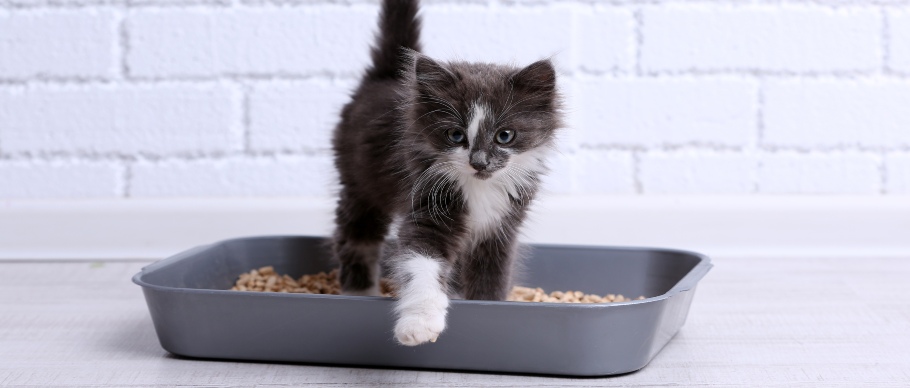
Is your cat leaving little surprises around the house? Potty training your feline friend might seem like a daunting task, but it doesn’t have to be.
Imagine a world where you never have to scoop a litter box again. Sounds dreamy, right? By the end of this article, you’ll discover how you can transform your cat into a tidy, well-mannered companion who knows exactly where to do its business.
Keep reading, because we’ll share the secrets of cat potty training that will not only save you time but also make your home a cleaner, happier place. Trust us, your future self will thank you!
Credit: realendpoints.com
Choosing The Right Litter Box
Choosing the right litter box is a crucial step in potty training your cat. It’s not just about finding a box that fits your home decor; it’s about ensuring your feline friend feels comfortable and secure. An unsuitable litter box can hinder your cat’s willingness to use it, leading to unwanted messes and frustration for both of you.
Size And Type Considerations
Size matters when it comes to litter boxes. If you have a large cat, a small box won’t cut it. Your cat needs enough space to comfortably turn around and dig without feeling cramped. Look for a box that is at least one-and-a-half times the length of your cat.
The type of litter box is equally important. Some cats prefer open boxes, while others feel more secure in covered ones. Observe your cat’s behavior. Do they like privacy? A hooded box might be the answer. If they enjoy a more open environment, stick to an open design. Test different types to see which your cat prefers.
Optimal Placement In The Home
Where you place the litter box can impact its use. Avoid high-traffic areas or places with loud noises. Cats appreciate quiet spots where they can do their business without interruption. A cozy corner in a less frequented room could be ideal.
Consider accessibility. Your cat shouldn’t have to climb stairs or navigate obstacles to reach their litter box. Ensure it’s easy to get to, especially for older cats or those with mobility issues. You might be surprised how a simple change in location can make all the difference.
Think about how you would feel having your bathroom in a crowded hallway. Would you use it? Probably not. Your cat feels the same way. Make sure their litter box is placed in a location that respects their need for privacy and comfort.
Selecting The Ideal Cat Litter
Choosing the right cat litter is crucial for potty training cats. Opt for a litter that absorbs well and reduces odor. Cats prefer unscented, fine-grain litter for a natural feel under their paws. Consistency in litter type helps in successful training.
Selecting the right cat litter is crucial in potty training your feline friend. The type of litter you choose can make a significant difference in how quickly and smoothly the training process goes. Understanding the options available will help you make an informed decision that suits both you and your cat’s needs.Clumping Vs. Non-clumping
Clumping cat litter forms solid lumps when wet, making it easy to scoop out waste. This can be incredibly convenient for maintaining a clean litter box and reducing odors. Plus, many cats prefer the feel of clumping litter under their paws. On the other hand, non-clumping litter absorbs moisture but doesn’t form solid clumps. While often cheaper, it may require more frequent changes to keep the box fresh. Have you ever considered how much time you’re willing to spend cleaning the litter box? When I first trained my cat, I found that clumping litter saved me time and hassle. It allowed for quick clean-ups and kept the box more hygienic, which my cat seemed to appreciate.Scented Vs. Unscented Options
Scented litter can help mask odors, making your home smell fresher. However, some cats are sensitive to strong fragrances and may avoid using scented litter. This can lead to accidents outside the box, adding to your training challenges. Unscented litter provides a more natural experience for your cat, without overwhelming their sensitive sense of smell. Consider whether your cat has shown any aversion to strong scents in other areas of your home. I once tried a lavender-scented litter, hoping it would keep my apartment smelling pleasant. My cat, however, refused to go near it. Switching to an unscented option made all the difference, and the training progressed smoothly afterward. Choosing the ideal cat litter involves balancing your preferences with your cat’s comfort. Have you noticed any litter preferences your cat might have? Observing their behavior can offer valuable clues.Establishing A Routine
Establishing a routine is crucial for potty training cats. Cats thrive on predictability and a structured routine can significantly ease the process. Consistency in feeding and bathroom breaks helps your feline friend understand when and where they should go.
Consistent Feeding Times
Setting consistent feeding times is the first step. Feed your cat at the same times each day. This predictability helps regulate their digestive system.
Imagine your cat knowing exactly when dinner is served. This routine signals them when it’s time to eat and, shortly after, when it’s time for a bathroom break.
Do you notice how your cat often heads to the litter box after a meal? That’s the routine working its magic. Use this pattern to your advantage.
Scheduled Bathroom Breaks
After establishing feeding times, the next step is scheduled bathroom breaks. Shortly after each meal, guide your cat to the litter box.
Consistency is key. Make it a habit to lead them to the litter box, even if they don’t seem interested at first. Over time, they’ll begin to associate meal times with bathroom breaks.
Have you ever thought about how you can influence your cat’s routine? By patiently guiding them, you lay the foundation for successful potty training.
Be patient and observant. Each cat is unique and might adapt differently. Tailor the routine to fit their needs and watch them flourish.
Creating a routine isn’t just about training; it’s about bonding. You’re working together, creating a shared schedule that benefits both of you.
Credit: www.hartz.com
Using Positive Reinforcement
Positive reinforcement is key to potty training cats effectively. Rewarding your cat with treats or praise encourages them to use the litter box. This method helps cats associate the litter box with positive experiences, leading to successful training.
Potty training your cat can be a rewarding experience, especially when you utilize positive reinforcement. This method focuses on encouraging good behavior through rewards, making the training process enjoyable for both you and your feline friend. Cats respond well to positive reinforcement, as it builds trust and strengthens your bond.Rewarding Good Behavior
Rewarding your cat for using the litter box correctly is crucial. Each time your cat uses the box, offer a small treat or a few minutes of play with their favorite toy. Consistency is key. Make sure to reward them immediately after the desired behavior to reinforce the connection between the action and the reward. You might notice your cat quickly learns that using the litter box results in something pleasant. This understanding encourages them to repeat the behavior.Avoiding Negative Reactions
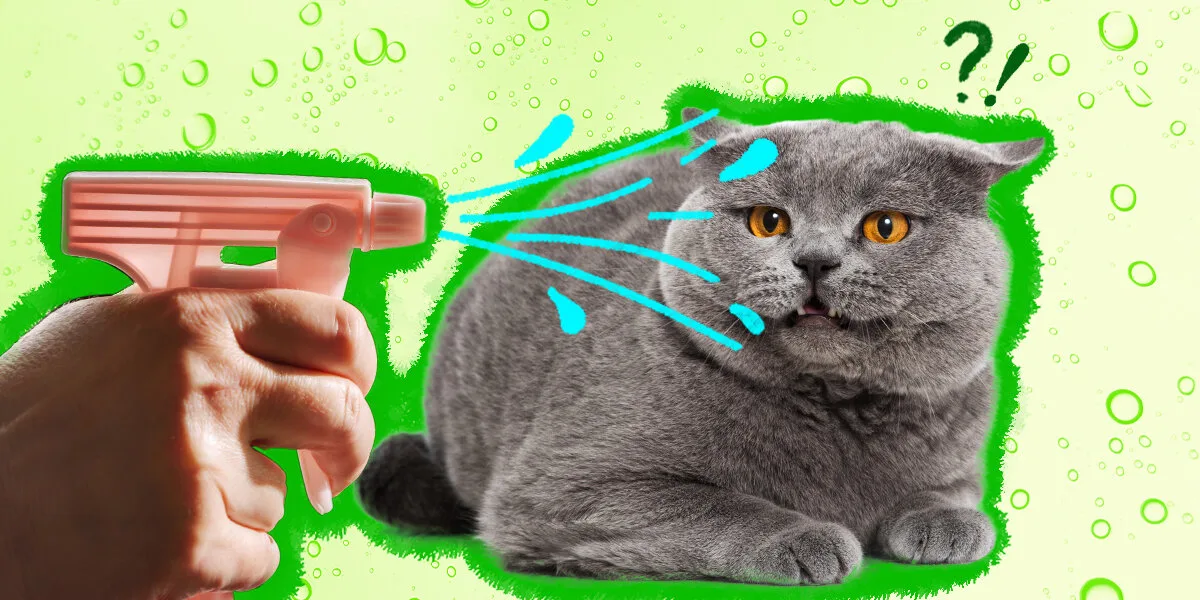
It’s important to avoid negative reactions when your cat makes mistakes. Negative reinforcement can create fear and anxiety, hindering the training process. Instead, clean up accidents without fuss and focus on rewarding the correct behavior. Cats are sensitive and can pick up on your emotions, so maintaining a calm demeanor is beneficial. Have you ever noticed how a positive environment can lead to better outcomes? The same applies to your cat’s potty training journey. By focusing on positivity, you’re setting up your cat for success. Remember, patience is essential. Each cat learns at their own pace, and your encouragement can make all the difference. What strategies will you try to make potty training a positive experience for your cat?Addressing Common Challenges
Potty training cats can be a rewarding yet challenging experience. You might find your furry friend isn’t as cooperative as you hoped. However, with patience and understanding, you can overcome these hurdles. Let’s dive into two common challenges and practical solutions to tackle them.
Dealing With Accidents
Accidents are part and parcel of potty training cats. You might feel frustrated when you find a mess outside the litter box. It’s important to remain calm and avoid punishing your cat. Instead, clean the area thoroughly to remove any scent markers.
Use an enzymatic cleaner to ensure the smell is completely gone. Consider if the litter box location is convenient and private for your cat. A quick story: my cat, Luna, kept having accidents until I realized the box was too close to her food. A simple move solved the problem. Could the position of your box be causing confusion?
Handling Reluctance
Some cats might be hesitant to use the litter box. This reluctance can stem from various reasons like the type of litter or box size. Observe your cat’s behavior and preferences. Experiment with different types of litter to see what they prefer. You may find your cat favors unscented litter or a particular texture.
Additionally, ensure the box is spacious enough for your cat to move around comfortably. When I switched to a larger box for my cat, Max, his reluctance vanished. Have you considered if your cat’s litter box is the right fit for them?
Addressing these challenges requires patience and observation. By understanding your cat’s needs, you can turn potty training into a smooth process. Remember, each cat is unique, so tailor your approach accordingly.
Maintaining Cleanliness
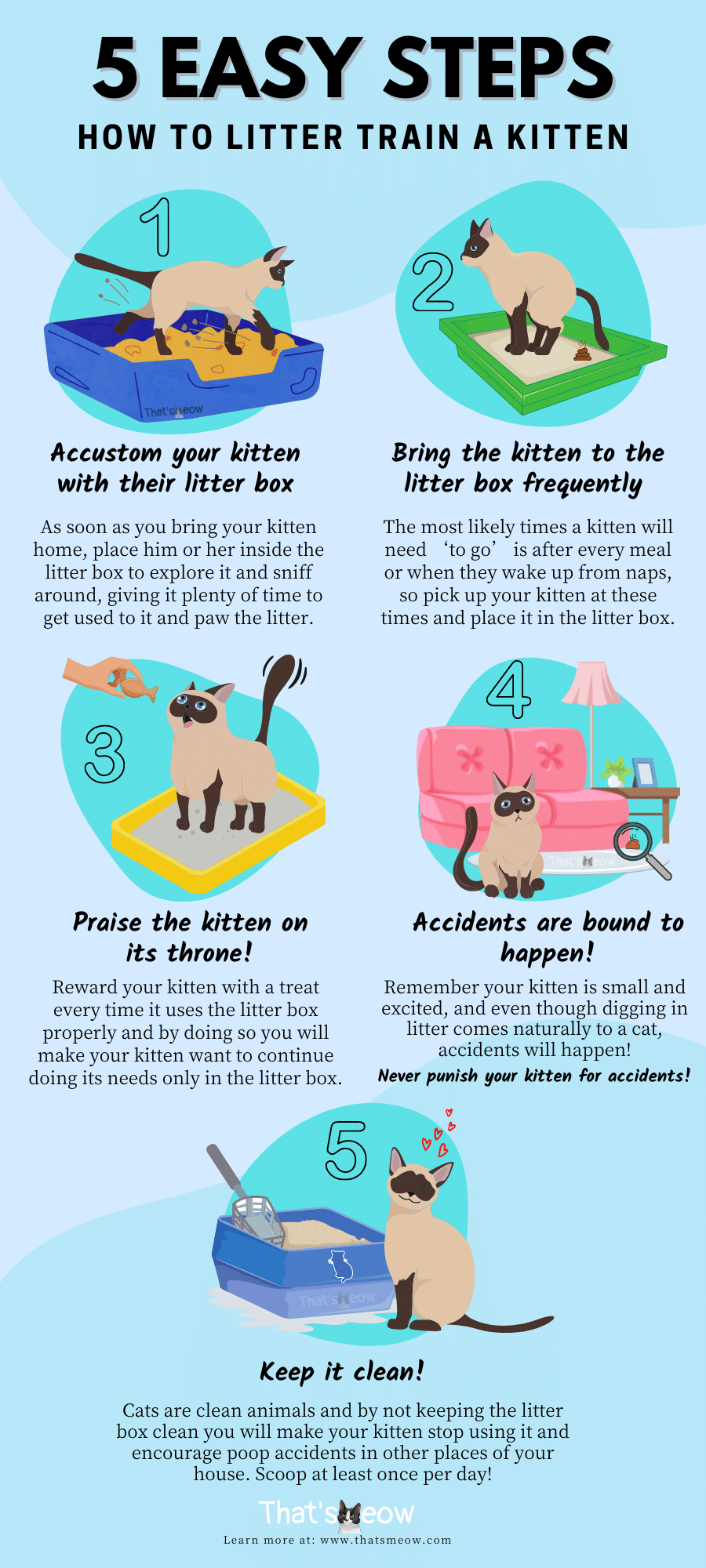
Training your cat to use a litter box helps maintain a clean home. Start by placing the box in a quiet area. Encourage your cat with gentle guidance and praise for using the box.
Potty training your cat is a rewarding journey, but maintaining cleanliness is crucial for both you and your feline friend. A clean environment not only encourages your cat to use the litter box but also keeps your home smelling fresh. As you embark on this training adventure, consider how cleanliness can make or break your success.Regular Litter Box Cleaning
A clean litter box is essential for successful potty training. Cats are naturally clean animals and may refuse to use a dirty litter box. Make it a habit to scoop out waste daily. Think about it: Would you want to use a messy bathroom? Regularly check the litter level, and add more as needed to keep it inviting. Once a week, give the box a full clean with mild soap and water. This helps prevent build-up of odors and bacteria.Preventing Odor Issues
Odor control is not just about keeping your home smelling pleasant; it’s also about ensuring your cat feels comfortable. Consider using a litter with odor-fighting properties. Place the litter box in a well-ventilated area. This helps disperse any lingering smells. If you notice persistent odors, it might be time to change the litter brand or type. Also, think about using an air purifier nearby to keep the space fresh. Engage with your cat to see what works best. Pay attention to their habits and preferences. This ensures a harmonious living space for both of you.Understanding Cat Behavior
Teaching a cat to use the litter box involves patience and understanding. Start by placing the box in a quiet spot. Reward their successful attempts with gentle praise or a treat.
Understanding the behavior of your feline friend is crucial for successful potty training. Cats are unique creatures with specific habits and signals that they use to communicate their needs. By observing and interpreting these behaviors, you can make the potty training process smoother and more effective.Recognizing Signals
Cats are excellent communicators, often using subtle signals to express their intentions. A cat might scratch at the door, meow insistently, or sniff around restlessly when they need to go. One of my cats, Luna, would circle the living room before heading to her litter box. Recognizing such patterns helps you anticipate their needs, minimizing accidents. Pay attention to these signals and respond promptly. Have you noticed a pattern in your cat’s behavior when they need to relieve themselves?Adapting To Individual Needs
Every cat is different. What works for one might not work for another. Some cats prefer privacy, while others might feel more secure in open spaces. My previous cat, Max, refused to use a covered litter box, while Luna wouldn’t go near an open one. This taught me the importance of adapting to each cat’s preferences. Experiment with different litter types and box placements. Are you accommodating your cat’s unique preferences in their potty area? Understanding your cat’s behavior requires patience and observation. By recognizing their signals and adapting to their individual needs, you can create a comfortable and successful potty training environment.When To Seek Professional Help
Potty training cats can be challenging. Sometimes professional help is needed. Knowing when to seek expert advice is crucial. It can make the process smoother and less stressful. Identifying persistent issues early is key. Consulting a veterinarian can provide solutions.
Signs Of Persistent Issues
Is your cat missing the litter box often? This could be a sign. Watch for accidents outside the box. Monitor for changes in bathroom habits. If there is consistent refusal, it may be time for help. Unusual behaviors can indicate underlying issues. Look for signs of discomfort or distress.
Consulting A Veterinarian
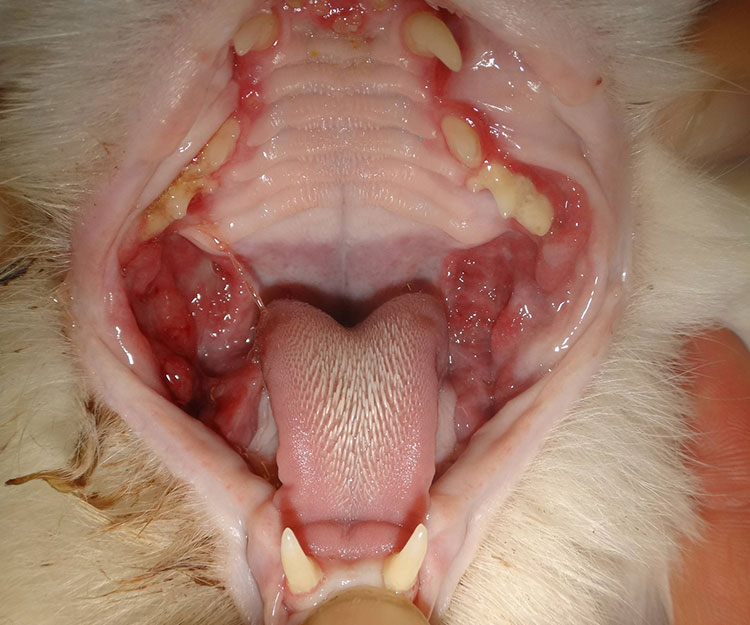
A veterinarian can offer insights. They can assess your cat’s health. Medical issues might be causing potty problems. A professional can suggest solutions. They can recommend behavioral specialists. Getting expert advice can ease your worries. It can help your cat feel comfortable using the litter box.
Credit: www.enterr10tv.in
Frequently Asked Questions
Are Cats Easy To Potty Train?
Cats are generally easy to potty train. Most cats instinctively use a litter box. Provide a clean, accessible box and guide them gently. Consistency and patience help reinforce their training.
How Long Will It Take To Potty Train A Cat?
Potty training a cat usually takes 2 to 3 weeks. Success depends on your cat’s age and personality. Be consistent and patient for effective results. Use positive reinforcement to encourage your cat. Ensure the training area is quiet and clean to avoid distractions.
At What Age Are Cats Potty Trained?
Cats are typically potty trained by 8 weeks old. Kittens naturally learn from their mother’s behavior. Provide a clean litter box, and they will usually adapt quickly. Consistency and patience are key to successful training.
What’s The Easiest Way To Potty Train A Kitten?
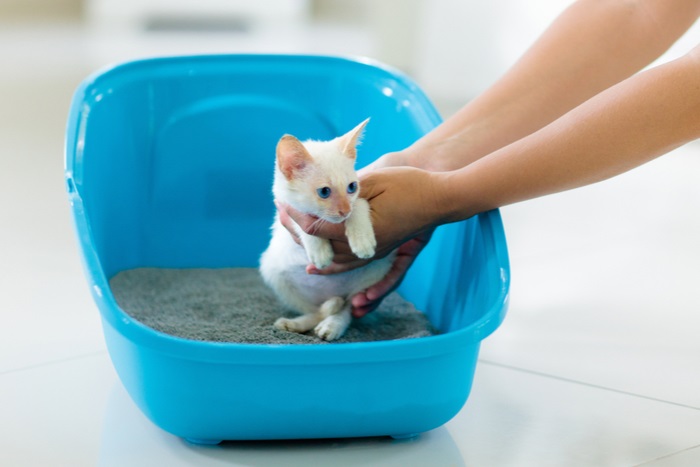
Place the litter box in a quiet, accessible spot. Show your kitten the box, and gently place them inside after meals. Praise and reward them for using it. Clean the box regularly to encourage use. Consistency and patience are key for successful potty training.
Conclusion
Potty training cats is possible with patience. Start with a clean litter box. Keep it in a quiet spot. Praise your cat when they use it. Ignore mistakes, but clean them up promptly. Consistency is key for success. Cats learn best with clear routines.
A tidy environment encourages them. Stick to your training plan. Soon, your cat will be well-trained. Enjoy a clean home without stress. You and your cat will be happier. Keep positive and observe changes. Celebrate small wins along the way.
Your efforts will pay off.

Similar Posts