How to Pet a Cat: Expert Tips for Feline Affection
Have you ever been captivated by the mysterious allure of a cat and wondered how to win its affection? If so, you’re not alone.
Cats are fascinating creatures, each with a unique personality and a distinct set of likes and dislikes. Knowing how to pet a cat can transform your bond from mere coexistence to a heartwarming companionship. Imagine the soothing purrs and gentle nuzzles you could experience.
This guide is your key to unlocking the secrets of feline affection. Dive in and discover how you can turn a simple touch into a meaningful connection, ensuring both you and your cat enjoy every moment together.
Credit: www.comfortzone.com
Understanding Cat Behavior
Understanding cat behavior is key to building a bond with your feline. Cats communicate in unique ways. Learning their signals helps you become a better pet owner. It aids in creating a safe and comfortable environment for your cat. This knowledge makes petting a more enjoyable experience for both you and your cat.
Cats express themselves through body language and vocalizations. Each signal has a meaning. Recognizing these can prevent misunderstandings. It also helps in avoiding stressful situations for your pet.
Body Language Signals
Cats use their bodies to communicate feelings. A raised tail often means a cat is happy. A twitching tail might indicate irritation. When a cat arches its back, it may feel threatened. Ears held back usually suggest fear or aggression. Watch their eyes too. Slow blinking shows trust and affection. If a cat is lying on its back, it might be relaxed. But it could also be ready to play or defend itself.
Vocalizations And Their Meanings
Cats have various vocal sounds. Each has its own meaning. A purr often means contentment. But it can also signal distress. A loud meow might indicate hunger or a need for attention. Hissing usually means a cat feels threatened. Chirping or trilling often shows excitement or curiosity. Understanding these sounds helps in responding appropriately to your cat’s needs.
Creating A Comfortable Environment
Having a cat means creating a safe and cozy space. This environment helps your cat feel secure and happy. Cats are sensitive to surroundings. They thrive in calm and predictable settings. Creating a comfortable space is essential for their well-being.
Choosing The Right Space
Pick a quiet spot away from noise and foot traffic. Avoid crowded areas. Cats prefer spaces where they can relax undisturbed. Ensure the area is clean and free of hazards. Soft surfaces like cushions or blankets are ideal. They love warm and soft places to curl up. Offer them a perch to watch the world. Windowsills or shelves work great.
Maintaining Calmness
Keep the environment calm and soothing. Loud noises can stress cats. Speak softly around them. Use gentle movements to avoid startling them. Calm surroundings help cats feel safe. Consider using soft lighting. Bright lights can be overwhelming. Play calming music to soothe their nerves. Soft tunes can relax both you and your cat.
Approaching Your Cat
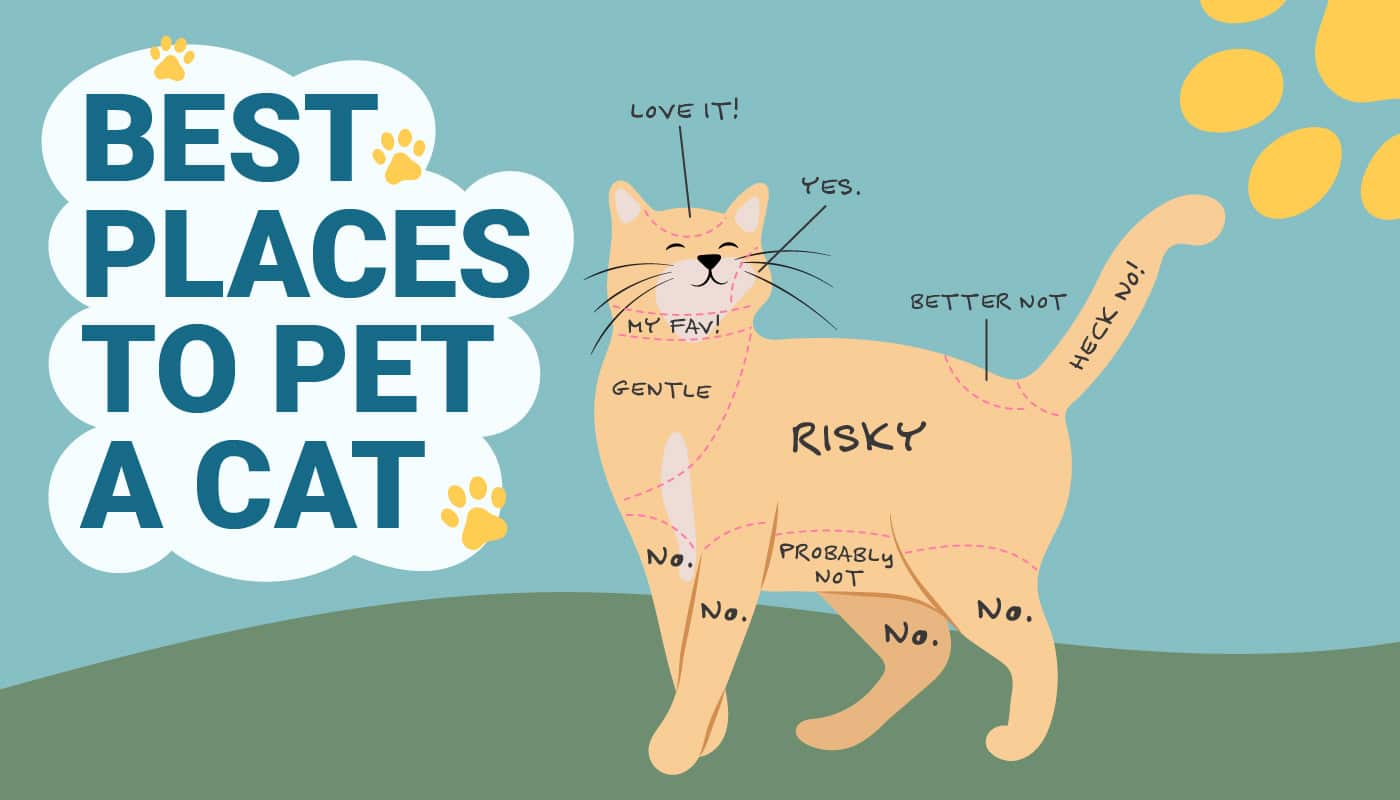
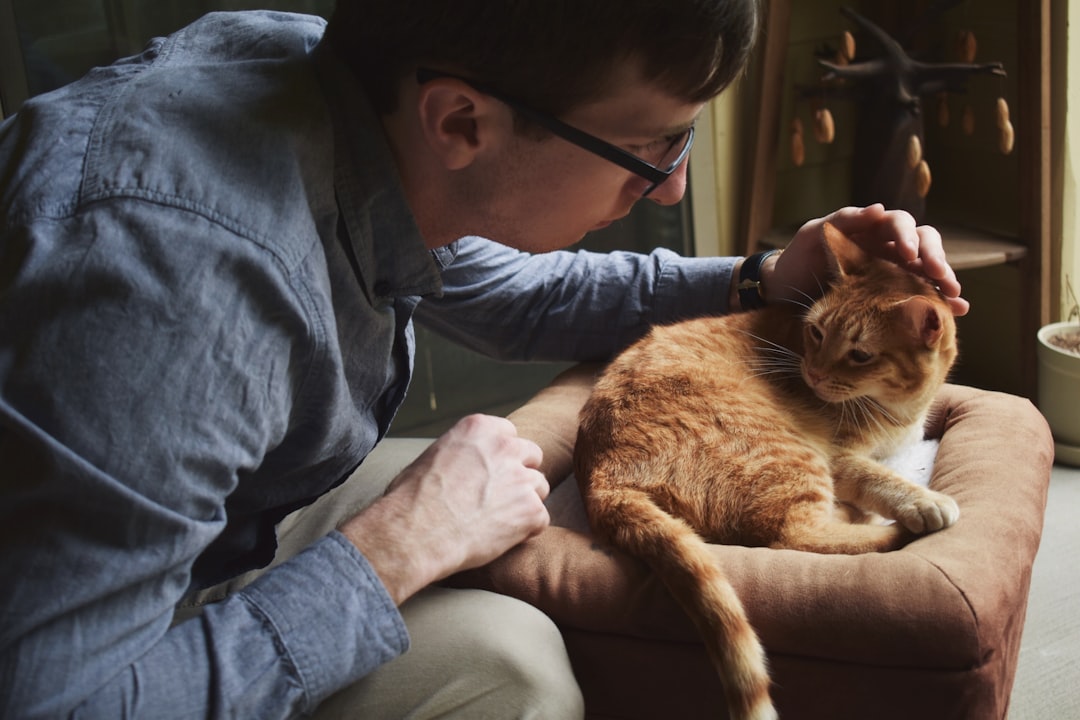
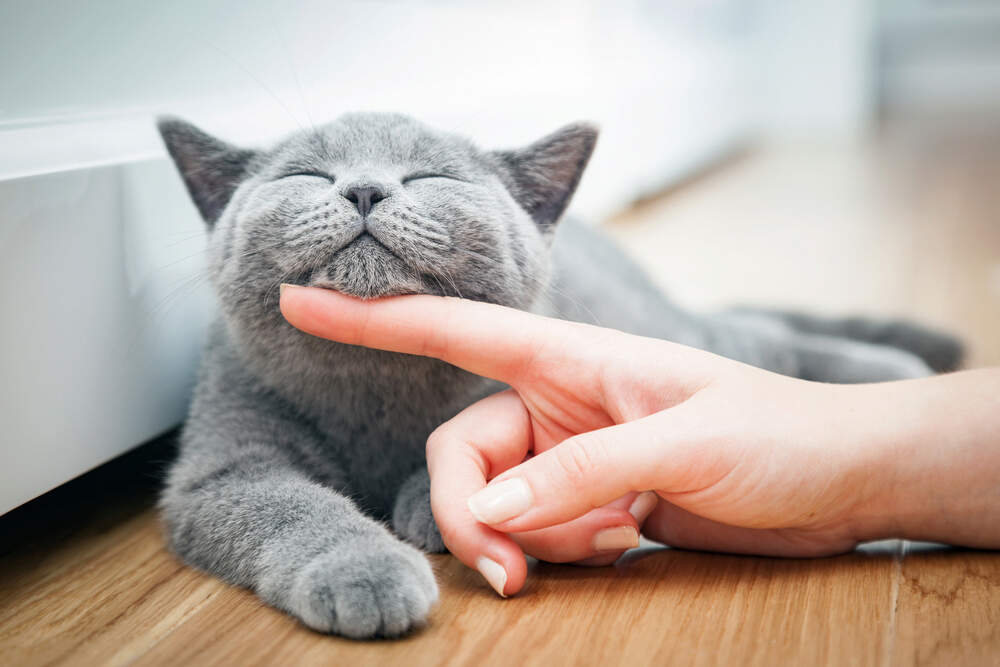
Gently approach your cat with slow movements, allowing them to sniff your hand. Begin petting their head and back softly, observing their reactions. Focus on areas they enjoy, like under the chin or behind the ears, ensuring a pleasant experience for both.
Approaching a cat might seem straightforward, but it’s a delicate dance of respect and curiosity. Cats are independent creatures and require a gentle touch when it comes to initiating contact. The way you approach your feline friend can set the tone for your entire interaction. Have you ever wondered why some cats seem standoffish while others are more affectionate? Understanding how to approach your cat can help bridge that gap.Respecting Personal Space
Cats, much like humans, value their personal space. It’s crucial to allow your cat to approach you first. This builds trust and shows them you respect their boundaries. When you enter a room, avoid making direct eye contact with your cat. Instead, let them come to you on their own terms. This can make your cat feel more secure and less threatened. Remember the time you eagerly reached for your cat and they backed away? It’s a common mistake, but a gentle approach can turn this around.Initiating Contact
Once your cat seems comfortable, you can initiate contact. Start by offering your hand for them to sniff. This is their way of getting to know you better. If your cat sniffs and remains close, try gently petting them on the head or behind the ears. These areas are generally safe and enjoyable for cats. Have you ever noticed how a cat might lean into your touch or even purr? These are good signs that your cat is enjoying the interaction and is comfortable with you. By understanding these simple steps, you can create a more harmonious relationship with your cat. How do you approach your cat? Share your experiences, and let’s learn together.Techniques For Petting
Petting a cat can be a delightful experience for both you and the feline. Cats are known for their independent nature, yet they cherish gentle affection. Understanding the right techniques ensures a happy, purring kitty. Let’s explore some effective ways to pet your cat.
Gentle Strokes
Start with gentle strokes along the cat’s back. Use your fingers to softly glide from head to tail. This is soothing for most cats. Watch for signs of relaxation. If your cat purrs or closes its eyes, it is enjoying the attention. Keep your touch light and smooth.
Use the palm of your hand for a broader touch. Cats enjoy this soft, calming motion. Avoid applying too much pressure. Gentle strokes help create a bond and build trust.
Avoiding Sensitive Areas
Cats have areas they prefer not to be touched. The belly is often one of them. It might seem soft and inviting, but many cats guard this area. Touching the belly can lead to defensive behavior.
The tail is another sensitive spot. Avoid pulling or holding it. Cats use their tails for balance and communication. Respect these boundaries to keep interactions positive.
Some cats dislike having their paws touched. Be mindful and watch their reactions. Every cat is unique. Learn and respect their preferences for a happy petting experience.
Recognizing Positive Responses
Gently stroke your cat, observing its body language for signs of contentment like purring and relaxed posture. A slow blink or kneading signals a positive response. Adjust your touch based on these cues to ensure your feline friend enjoys the interaction.
Recognizing Positive Responses Understanding how a cat shows its affection can make your petting sessions even more enjoyable. Cats communicate their comfort and happiness in distinct ways. As you pet your feline friend, observing these signals can enhance your bond and ensure you’re giving them the affection they crave. Let’s dive into some key responses that indicate a cat’s positive reaction.Purring And Kneading
Purring is often the soundtrack of a content cat. It’s their way of saying, “I feel good.” If your cat starts purring, it’s a sign you’re doing something right. They are relaxed and appreciative of your attention. Kneading, where a cat rhythmically pushes its paws against a surface, is another delightful response. This behavior harks back to kittenhood when kneading helped stimulate milk flow from their mother. When your cat kneads while you’re petting them, it’s a clear sign of comfort and affection. They are revisiting a soothing memory.Relaxed Body Posture
A relaxed body posture is a positive indicator. If your cat’s body is loose and stretched out, they’re comfortable around you. Their tail might be still or gently swishing, showing they are at ease. Look at their eyes. Soft, slow blinks signal trust and relaxation. It’s like a kitty kiss. When your cat gives you this look, return it with a slow blink of your own. It’s a beautiful exchange of affection. Have you noticed these responses from your cat? Recognizing and responding to them can deepen your relationship. Cats are nuanced creatures, and their subtle signals are worth paying attention to.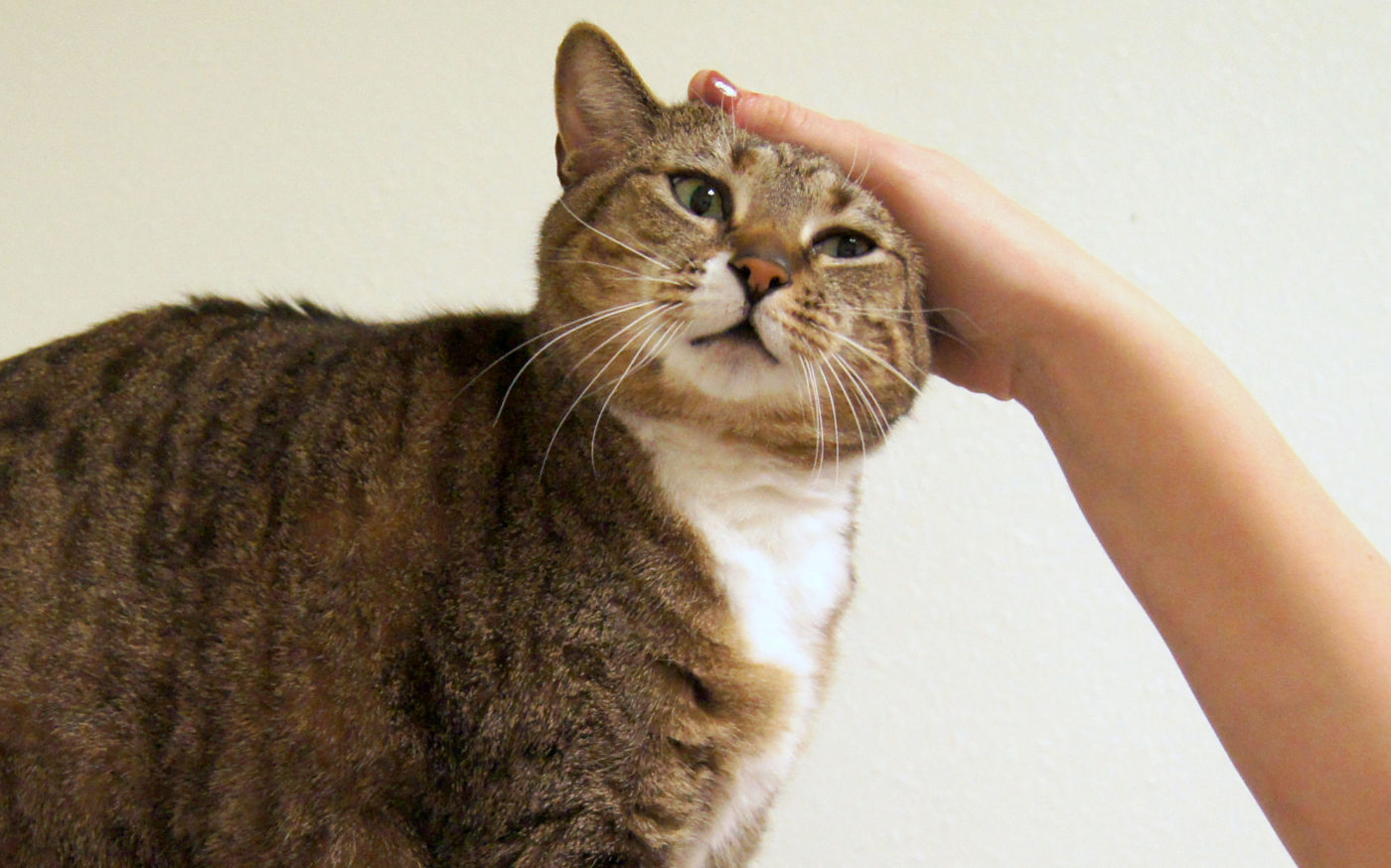
Credit: happycatshaven.org
Handling Cats That Dislike Petting
Gently approach cats that dislike petting, letting them sniff your hand first. Start with slow, soft strokes on their head or back. Pay attention to their reactions and stop if they seem uncomfortable. Respecting their boundaries builds trust over time.
Handling a cat that dislikes petting can be a delicate task. Cats are known for their independent nature, and not all of them appreciate human touch. If your cat shies away from petting, it doesn’t mean they don’t love you. It simply means you need to find other ways to connect with them. Understanding their needs and preferences can help foster a loving bond without causing distress.Identifying Signs Of Distress
Recognizing when a cat is uncomfortable is crucial. Pay attention to their body language. Cats often communicate displeasure through tail flicking, flattened ears, or a sudden freeze. Have you ever noticed your cat’s tail twitching rapidly during a petting session? This can be a clear sign they’re not enjoying it. Similarly, if they start to squirm or try to escape your grasp, give them space. Listening to your cat’s non-verbal cues can prevent negative experiences. It also builds trust between you and your furry friend.Alternative Ways To Show Affection
If petting is off the table, consider other forms of affection. Playtime is a fantastic way to bond. Engage them with toys they love, like feather wands or laser pointers. Does your cat have a favorite spot by the window? Spend time near them while they enjoy their perch. Your presence alone can be comforting. Some cats love gentle conversations. Talk to them softly while maintaining eye contact. You might find your cat responding with slow blinks, which is a sign of affection. What other creative ways can you think of to show love to a cat that dislikes petting? Share your experiences in the comments below.Building A Bond
Building a bond with a cat requires time and patience. Cats are unique creatures with individual needs and preferences. Understanding these can help create a strong relationship. When you invest in understanding your feline friend, trust develops naturally. This trust is the foundation for a lasting connection.
Consistency In Interaction
Consistency is key in forming a bond with your cat. Regular interaction helps your cat feel secure. Set aside time each day to engage with your cat. Play, pet, or simply sit quietly together. This routine strengthens your bond. Cats appreciate knowing they can count on you.
Understanding Individual Preferences
Each cat has its own likes and dislikes. Some cats enjoy being petted on their heads. Others prefer gentle strokes on their backs. Pay attention to your cat’s reactions. Tail movements, purring, or even a gentle nudge can be clues. These signs help you understand what your cat enjoys. Respecting these preferences builds trust and affection.

Credit: www.dailypaws.com
Frequently Asked Questions
How Do Cats Like To Be Petted?
Cats enjoy gentle petting on their head, cheeks, and under the chin. They appreciate slow strokes along their back. Always observe their body language for comfort cues. Avoid belly rubs unless your cat shows clear enjoyment. Respect their boundaries for a positive experience.
What Is The 3-3-3 Rule For Cats?
The 3-3-3 rule for cats refers to their adjustment period in a new home. It consists of 3 days to decompress, 3 weeks to settle in, and 3 months to fully adjust and feel comfortable. This guideline helps cat owners manage expectations and provide a supportive environment.
How To Pet A Cat Correctly?
Gently approach the cat and let it sniff your hand. Stroke its head, chin, and back softly. Observe its body language for comfort signs. Avoid touching the belly or tail unless the cat initiates. Always respect its boundaries for a positive experience.
Where Do Cats Like To Be Touched Most?
Cats typically enjoy being touched on their cheeks, under the chin, and around the base of their ears. Many also like gentle strokes along their back and the base of their tail. Always observe your cat’s reaction to ensure they’re comfortable.
Conclusion
Petting a cat can be a delightful experience. Cats enjoy gentle touch and attention. Always approach slowly and let the cat sniff you first. Stroke their back softly, avoiding their belly. Cats often show affection by purring or rubbing against you.
Respect their space when they walk away. Patience is key to building trust with a cat. Each cat has unique preferences. Observe their reactions to learn what they like best. Remember, a happy cat equals a happy pet owner. Enjoy the special bond formed through gentle petting.
It’s a simple joy worth savoring.

Similar Posts