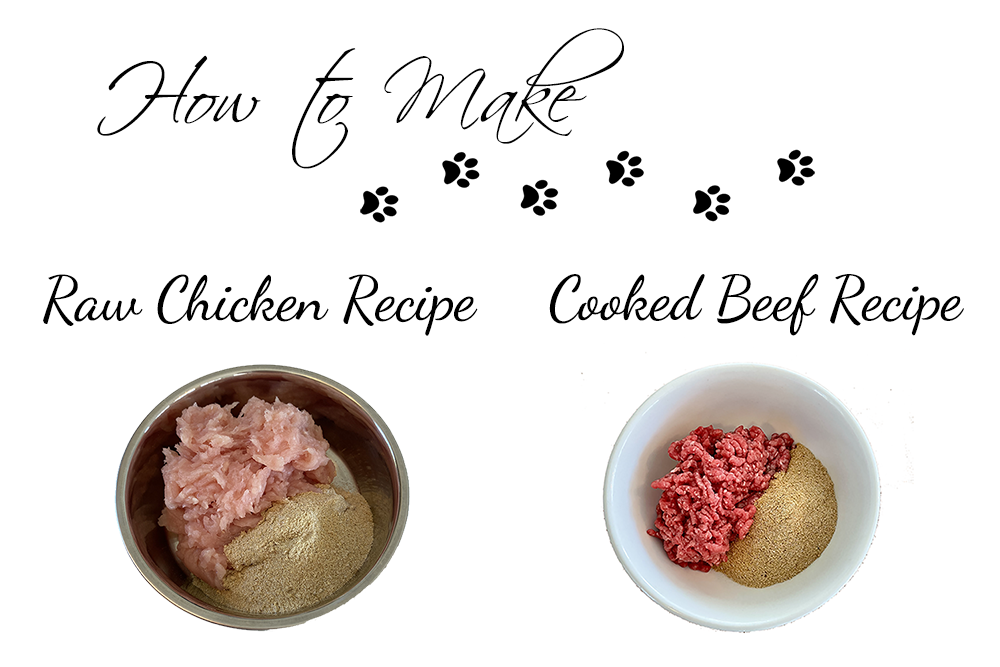
Are you tired of browsing countless cat food options at the store, only to find they’re packed with ingredients you can’t even pronounce? Do you wish there was a way to ensure your feline friend enjoys wholesome, nutritious meals without the mystery additives?
You’re in the right place. Creating homemade cat food recipes might sound daunting, but it’s simpler than you think. Not only will you have peace of mind knowing exactly what’s in your cat’s bowl, but you’ll also be able to tailor meals to suit your pet’s specific dietary needs.
Imagine the joy of seeing your cat thrive on food made with love and care. Stick around, and we’ll walk you through easy, delicious recipes that will have your cat purring with delight.
Benefits Of Homemade Cat Food
Many cat owners are turning to homemade cat food for their pets. This shift offers numerous benefits that commercial cat foods often lack. Making cat food at home ensures quality and freshness, leading to healthier and happier pets.
Control Over Ingredients
Homemade cat food lets you choose what goes into your pet’s meals. Avoid harmful additives and preservatives found in store-bought options. Use fresh, high-quality ingredients to match your cat’s taste and dietary needs.
Nutritional Advantages
Commercial cat foods can lack essential nutrients. Homemade recipes allow you to include important vitamins and minerals. Customize meals to suit your cat’s age, health, and activity level. Balanced nutrition supports a strong immune system and shiny coat.
Cost-effectiveness
Making cat food at home can be budget-friendly. Buying ingredients in bulk often costs less than premium commercial brands. Homemade meals can reduce vet visits by boosting your cat’s health. A healthy cat means fewer medical expenses.

Credit: m.youtube.com
Essential Nutrients For Cats
Cats require a balanced diet to stay healthy and active. Understanding essential nutrients is vital for crafting homemade cat food recipes. These nutrients support their growth, energy, and overall well-being.
Protein Sources
Protein is crucial for cats’ muscle development. Chicken and fish are excellent protein sources. Opt for lean cuts to avoid excess fat. Beef and turkey can also provide the necessary amino acids. Eggs offer another protein option, rich in nutrients.
Vitamins And Minerals
Cats need vitamins like A, B, and D for healthy skin and bones. Minerals such as calcium and phosphorus support bone health. Iron helps maintain energy levels. Include leafy greens and carrots for vitamins. Supplement with fish oil for omega-3 fatty acids.
Taurine Importance
Taurine is a vital amino acid for cats. It supports heart and eye health. Cats cannot produce taurine naturally, so it must be included in their diet. Fish, especially sardines, are rich in taurine. Chicken hearts also provide a good taurine source.
Safety Guidelines For Homemade Cat Food
Creating homemade cat food requires careful attention to safety. Use fresh, high-quality ingredients and ensure proper hygiene during preparation. Balance proteins, fats, and vitamins to meet your cat’s nutritional needs effectively.
Creating homemade cat food offers many benefits. Ensuring it’s safe is crucial. Cats have specific dietary needs. Their health can suffer with improper food choices. Follow safety guidelines to keep your cat healthy.Avoiding Harmful Ingredients
Some human foods are toxic for cats. Avoid onions, garlic, and chocolate. Grapes and raisins can harm your cat too. Be cautious with dairy products. Many cats are lactose intolerant. Check for ingredients that might cause allergies. Always research before adding new foods.Proper Food Storage
Store homemade cat food properly to prevent spoilage. Use airtight containers for storage. Refrigerate food that won’t be eaten soon. Freeze portions for long-term storage. Label containers with dates. This helps track freshness. Always serve fresh meals to your cat.Monitoring Cat Health
Watch your cat’s health after diet changes. Look for signs of allergies or discomfort. Vomiting or diarrhea might indicate issues. Regular vet check-ups are important. Discuss diet changes with your veterinarian. They can provide guidance on nutritional needs. Always prioritize your cat’s well-being. `
Credit: www.youtube.com
Simple Cat Food Recipes
Feeding your cat homemade meals can be rewarding. Not only do you know what’s in their food, but you also ensure they get the best nutrition. Simple cat food recipes are easy and cost-effective. They provide a healthy alternative to store-bought options. Let’s explore some delightful recipes your cat will love.
Chicken And Rice Delight
Chicken and rice make a perfect meal for cats. Start by boiling boneless chicken breast until cooked. Shred it into small pieces. Cook rice separately until soft. Mix chicken and rice together. Add a little chicken broth for flavor. Serve it warm to your cat. This meal is gentle on their stomach.
Fish Feast
Fish is a favorite among cats. Choose fresh fish like salmon or cod. Cook it gently until soft. Remove any bones carefully. Mash the fish to make it smooth. Add a spoon of olive oil for healthy fats. Serve it cool for a tasty treat. Cats enjoy the rich flavor of fish.
Turkey And Sweet Potato Mix
Turkey is a lean meat suitable for cats. Boil turkey until tender. Cut it into small pieces. Cook sweet potatoes until soft. Mash them with the turkey. Add a dash of water to mix well. This meal is nutritious and filling. Cats appreciate the sweet taste of potato.
Tips For Transitioning Cats To Homemade Food
Switching your cat to homemade food can be beneficial. It offers them fresh, healthy ingredients. However, sudden changes might upset their stomach. Gradual introduction helps them adjust smoothly. Observing their preferences will guide the process.
Gradual Introduction
Start by mixing homemade food with their regular meals. This helps them get used to new flavors. Over a week, increase the homemade portion. Monitor their reactions closely. A slow transition prevents digestive issues. Patience is key during this phase.
Observing Cat Preferences
Each cat has unique tastes. Watch what they enjoy eating. Some prefer chicken, others fish. Experiment with different ingredients. Notice which recipes they finish quickly. Adjust meals based on their likes. This keeps them interested and happy.
Adjusting Recipes
Recipes might need tweaking. Some cats might need more protein. Others may require less fat. Observe their weight and energy levels. Make changes to ensure balanced nutrition. Consult a vet if unsure about dietary needs. Always aim for a healthy mix of nutrients.
Common Mistakes To Avoid
Creating cat food recipes can be challenging. Avoid using ingredients like onions or garlic, as they are harmful to cats. Ensure balanced nutrition by including proteins and essential nutrients, avoiding fillers that offer no nutritional value.
Creating homemade cat food can be rewarding. Yet, common mistakes may harm your feline friend. Knowing what to avoid ensures your cat stays healthy and happy. Here, we explore frequent errors in preparing cat meals.Overfeeding Risks
Many owners overfeed their pets. This can lead to obesity. Cats need specific portion sizes. It’s easy to give too much. Always measure your cat’s food. Check weight regularly. Adjust portions as needed.Ignoring Nutritional Needs
Cats require a balanced diet. Protein is essential. So are vitamins and minerals. Homemade recipes must meet these needs. Lack of nutrients can cause health issues. Consult a vet for guidance. Ensure your recipes are well-rounded.Inconsistent Meal Preparation
Consistency is key in cat diets. Regular meal times aid digestion. Frequent changes confuse your cat. Stick to a schedule. Keep ingredients consistent too. This helps maintain nutritional balance.Benefits Of Consultation With A Vet
Creating homemade cat food can offer many benefits. Yet, working with a vet ensures these meals are both safe and nutritious. A vet’s expertise provides peace of mind, knowing your cat’s health remains a priority. Regular consultations also help tailor meals to meet specific dietary needs. This approach helps prevent nutritional imbalances that might harm your cat. Below, discover key benefits of consulting with a vet.
Expert Nutritional Advice
Vets have deep knowledge of feline nutrition. They can identify essential nutrients your cat needs. Cats require proteins, vitamins, and minerals in correct amounts. Vets guide you in choosing the right ingredients for balanced meals. This advice ensures your homemade recipes support your cat’s overall health. Cats have unique dietary requirements. Vets help you understand these needs clearly.
Customized Feeding Plans
Every cat has different health needs. Vets can create feeding plans tailored to your pet. Such plans consider age, weight, and health conditions. A growing kitten needs different nutrients than an older cat. Tailored plans address these differences effectively. This personalized approach benefits your cat’s health significantly. It also helps manage weight and prevent health issues.
Regular Health Check-ups
Vets provide regular health check-ups. These visits monitor your cat’s overall wellbeing. Consistent check-ups reveal any changes in your cat’s health early. This allows for prompt intervention if needed. Regular vet visits ensure the homemade diet continues to meet your cat’s needs. Health checks include weight monitoring and dental health assessments. This comprehensive care keeps your cat happy and healthy.
Credit: www.consolata.org
Frequently Asked Questions
What Is The 25 Rule For Cat Food?
The 25% rule for cat food mandates that if a food includes a named ingredient, it must comprise at least 25% of the product. This ensures transparency in labeling and helps pet owners make informed choices about their cat’s diet.
How To Make Cats Eat Homemade Food?
Introduce homemade food gradually by mixing it with regular food. Ensure meals are balanced and nutritious. Use fresh ingredients that cats enjoy. Warm the food slightly to enhance aroma. Consult a vet for dietary advice and adjustments.
Is It Cheaper To Make Homemade Cat Food?
Making homemade cat food can be cheaper, depending on ingredients and sourcing. Buying bulk ingredients reduces costs. Consider time and effort involved. Consult a vet for nutritional balance to ensure health. Balancing cost and nutrition is key for affordable homemade cat food.
What Should Be The First 5 Ingredients In Cat Food?
The first five ingredients in cat food should be meat, meat meal, poultry, fish, and animal by-products. These provide essential proteins and nutrients for your cat’s health. Always choose cat food with high-quality animal-based ingredients for optimal nutrition.
Conclusion
Creating homemade cat food can be rewarding. Fresh ingredients ensure your cat’s health. You now have tasty recipes to try. Remember, variety keeps cats interested. Always consult a vet for dietary advice. Balance is key in nutrition. Cats enjoy meals made with love.
They deserve the best you can offer. Start experimenting with different flavors today. Your feline friend will appreciate the effort. Keep their meals simple yet nutritious. Happy cooking for your furry companion! You’re now ready to make cat food at home.
Enjoy the journey of crafting meals for your cat.