Have you ever found yourself wondering, “Is cat food safe for humans?” It might seem like a strange question at first.
However, you’re not alone in your curiosity. Maybe you’re in a pinch, or perhaps you’re just curious about what goes into those mysterious cans and bags. After all, if your feline friend enjoys it so much, could it really be harmful?
We’ll dig into the ingredients found in cat food, explore the potential health impacts on humans, and reveal the surprising truth behind your cat’s favorite meal. Stay with us to uncover whether that tempting tuna-flavored treat is just as appealing for you. Your health and peace of mind might just depend on it.

Credit: www.facebook.com
Cat Food Ingredients
Cat food often contains ingredients safe for humans, like chicken and fish. Yet, it’s not advisable for regular human consumption due to nutritional imbalance. Always choose food specifically made for humans to ensure proper health and safety.
When you look at your cat’s food and wonder if it’s safe for you to eat, you’re not alone. Many people have pondered this question, especially when their pantry is empty, and their feline friend’s food supply is plentiful. But what exactly is in cat food, and is it something humans can consume without worry?Common Components
Cat food typically contains protein sources like chicken, beef, or fish. These are essential for your cat’s diet but are also familiar to human diets. However, cat food often includes animal by-products, which are parts of animals not usually consumed by humans, such as organs or bones. Grains like corn, wheat, or rice are often added as fillers. They help provide carbohydrates but are processed differently than those in human foods. Preservatives and vitamins are also included, ensuring the food stays fresh and meets your cat’s nutritional needs.Nutritional Value
Cat food is designed to meet the dietary needs of felines, not humans. Cats require more protein and certain nutrients like taurine, which are not vital for humans in the same amounts. Therefore, the nutritional profile of cat food is vastly different from what is recommended for people. While cat food might provide calories and some nutrients, it lacks the balance you need for a healthy diet. Eating it occasionally might not harm you, but relying on it could lead to nutritional deficiencies. Have you ever thought about how your dietary needs differ from your pet’s? Next time you find yourself eyeing that can of cat food, remember: it’s crafted for your furry friend’s health, not yours. Consider it a good reminder to stock up on groceries or try new recipes that are both nutritious and delicious for you.Regulations And Standards
Cat food follows strict regulations to ensure safety for pets. Human consumption isn’t recommended due to different nutritional needs. Special ingredients in cat food might not be suitable for people. Always check labels and consult experts for safety guidelines.
When considering the question, “Is cat food safe for humans?” the topic of regulations and standards naturally arises. You might be surprised to learn that pet food and human food are governed by different sets of rules. These regulations are designed to ensure safety and quality, but they vary significantly. Understanding these differences can help you make informed decisions about what goes into your body.Pet Food Regulations
Pet food regulations focus on the health and safety of our furry companions. Agencies like the Association of American Feed Control Officials (AAFCO) set guidelines that manufacturers must follow. These include nutritional requirements and ingredient safety. However, these guidelines prioritize animal health, not human consumption. Pet food isn’t held to the same stringent checks as human food. Ingredients might be safe for cats but not ideal for humans due to different dietary needs. Think about this: Would you eat something meant for your cat’s digestive system? It’s crucial to consider the purpose of these regulations before deciding to share a meal with your feline friend.Human Food Standards
Human food standards are much stricter, focusing on safety and nutritional value. The Food and Drug Administration (FDA) oversees these standards, ensuring that what you eat meets high safety criteria. Unlike pet food, human food undergoes rigorous testing for contaminants and nutritional content. The aim is to prevent health risks and provide balanced nutrition. This begs the question: If human food standards are so high, why risk consuming cat food? While you might be tempted by convenience or curiosity, sticking to food meant for human consumption is the safer bet. In short, while regulations exist for both pet and human food, they serve different purposes. Understanding these distinctions can guide you in making safe dietary choices. Have you ever considered the implications of sharing your cat’s meal?Health Implications
Eating cat food might not be safe for humans due to different nutritional requirements. It can cause digestive issues and lacks essential nutrients for human health. Always choose food designed for human consumption to ensure safety and proper nutrition.
When you see your cat devouring its meal with such enthusiasm, you might wonder, “Is cat food safe for humans?” While it might be tempting to taste that gourmet-smelling kibble, there are important health implications to consider. Understanding these implications can help you make informed decisions about what you put on your own plate.Potential Risks
Eating cat food might not immediately harm you, but it’s not designed with human nutritional needs in mind. Cat food often contains higher levels of certain vitamins and minerals like taurine, which is essential for cats but not humans. Consuming such nutrients in excess could lead to health issues. Some cat foods might also contain preservatives and additives that aren’t safe for human consumption. Imagine accidentally ingesting something meant to repel pests—it’s not an appetizing thought. Before you consider giving in to curiosity, think about how your body might react to these ingredients.Allergenic Reactions
Cat food may contain proteins and ingredients that can trigger allergic reactions in humans. If you’re allergic to certain meats or grains, eating cat food could cause hives, swelling, or even more severe reactions. I once tried a small piece of my cat’s treat out of sheer curiosity. It didn’t end well—I ended up with an itchy rash due to an unknown ingredient. It made me appreciate the importance of knowing what’s in our food, whether it’s meant for pets or humans. These reactions can happen unexpectedly, so it’s crucial to be aware of your allergies and how they might interact with pet food. Is the risk worth it for a small taste? In conclusion, while cat food is safe for our feline friends, it’s not intended for human consumption. Keep your meals to yourself and let your kitty enjoy theirs.Safety Measures
Cat food is made for cats. But sometimes, people wonder about its safety for humans. Safety measures are important in ensuring cat food is safe for anyone. Let’s explore how cat food is made and checked for safety.
Manufacturing Processes
Cat food manufacturing is a careful process. It involves selecting ingredients that are suitable for feline consumption. Factories follow strict guidelines during production. These guidelines help ensure quality and safety. Machines mix and cook ingredients at controlled temperatures. This kills harmful bacteria and preserves nutrients. The packaging process is also vital. It keeps cat food fresh and safe from contamination.
Quality Control
Quality control checks are essential in cat food production. Inspectors test the food regularly. They check for contamination and ingredient quality. Labs analyze samples to ensure they meet safety standards. Companies follow regulations set by health authorities. This ensures cat food is safe for cats. Though not intended for humans, these measures can still offer some assurance. It is always best to consume food meant for humans.
Human Consumption Cases
Cat food is not made for people. It can lack nutrients important for human health. Eating it occasionally is unlikely to harm, but it’s not recommended as a regular meal. Always choose food designed for human consumption to stay safe and healthy.
Imagine you’re rummaging through your pantry late at night, and you stumble upon a can of cat food. The curiosity might spark a question in your mind: is cat food safe for humans? While it’s not unusual for people to wonder about this, there have been actual instances where humans consumed cat food, either accidentally or intentionally. Let’s dive into these intriguing cases.Accidental Ingestion
Accidental ingestion usually occurs when humans mistake cat food for something else. Think of a scenario where you’re in a hurry, grabbing a snack without realizing it’s meant for your feline friend. It could happen during a party or a gathering when someone sets out dishes without proper labeling. You might find yourself munching on what you thought were crackers, only to realize they’re cat treats. While accidentally eating cat food won’t harm you, it might not taste very pleasant. Cat food is designed to meet the nutritional needs of cats, not humans. Have you ever had an accidental mix-up with food? It makes for a funny story, but it’s a good reminder to check labels carefully.Intentional Consumption
Some people eat cat food intentionally, albeit rarely. This may happen due to financial hardships, curiosity, or extreme dietary experiments. In times of economic struggle, individuals might turn to pet food as a last resort. Cat food is relatively inexpensive and accessible, making it a choice for those who are desperate. Curious foodies might taste cat food just to see what their pets enjoy. While this is not recommended, some adventurous eaters have shared their experiences online, describing the taste as bland and unappealing. What drives someone to eat cat food on purpose? Would you try it out of sheer curiosity or necessity? While it’s not advisable, it raises questions about the versatility of food and the boundaries of culinary exploration.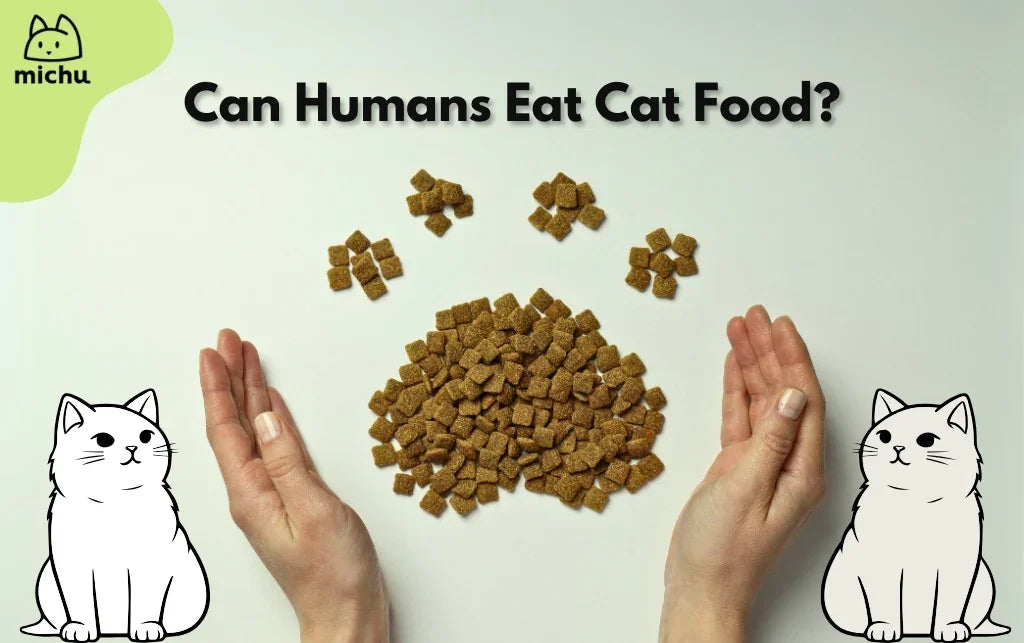
Credit: michu.com.au
Alternatives And Recommendations
Exploring edible options reveals that cat food isn’t suitable for humans due to nutritional differences. Consider nutrient-rich human foods, like lean meats and vegetables, for safer consumption. Always check labels and consult experts for dietary advice.
When you’re gazing at your cat’s food, wondering if it could double as a snack for you, you’re not alone. The curiosity about whether cat food is safe for humans is common. However, while it might look like a feasible option in a pinch, there are better alternatives. Let’s explore some safe food options and nutritional advice to ensure you make the best choices for your health.Safe Food Options
If you’re in a bind and considering cat food, think twice. There are simple, safe alternatives readily available. For instance, canned tuna or salmon can be a quick protein fix. Similarly, beans and lentils are excellent plant-based options. They’re not only affordable but also packed with nutrients. Keep a stash of nuts and seeds as a quick, nutritious snack. They are easy to store and can be a healthier option than reaching for pet food.Nutritional Advice
Understanding what your body needs is crucial. Humans require a balanced diet rich in carbohydrates, proteins, and fats. Cat food is specifically designed for feline nutritional needs, which are quite different from ours. Consider consulting with a nutritionist if you’re unsure about your diet. They can provide tailored advice to ensure you’re meeting your nutritional requirements. Explore meal planning to prevent reaching for unconventional food options. Preparing meals in advance can help avoid situations where you might consider eating cat food. Have you ever found yourself tempted to try your pet’s food, or do you have tips on managing your diet when options seem limited? Share your thoughts and experiences!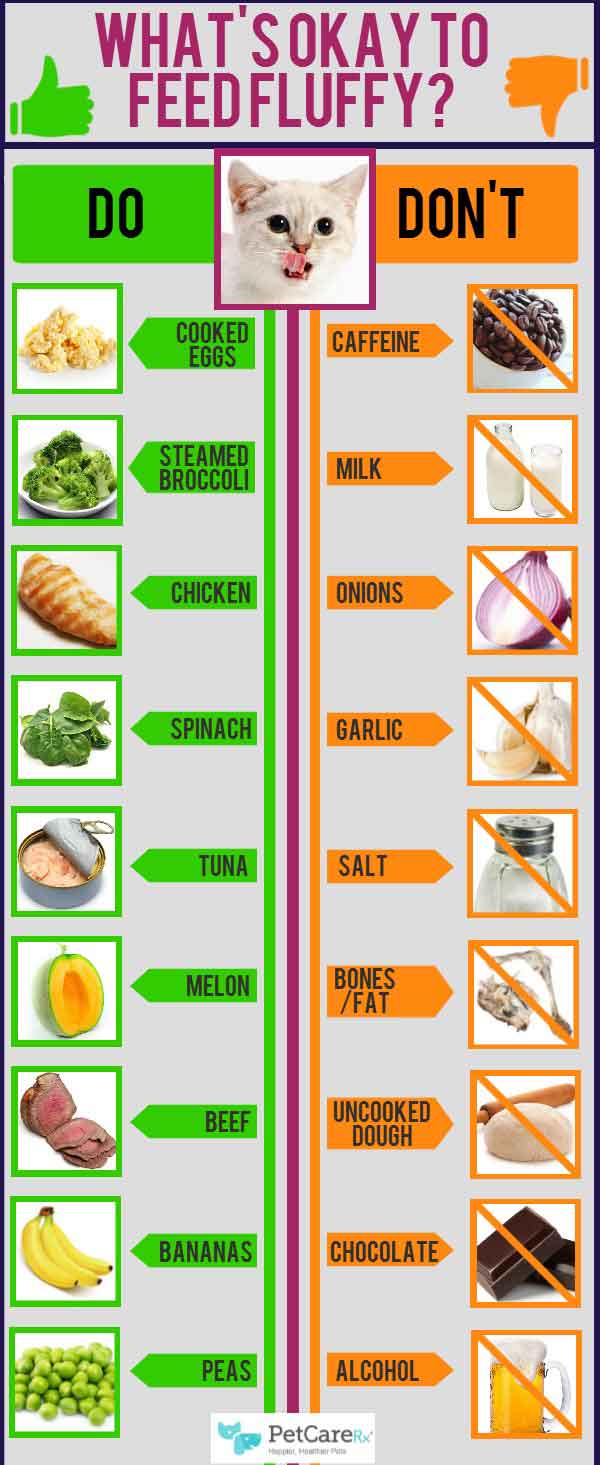
Credit: www.petcarerx.com
Frequently Asked Questions
What Happens If I Accidentally Eat Cat Food?
Accidentally eating cat food is generally harmless for humans. It contains meat, grains, and vitamins. Some ingredients may cause mild stomach discomfort. If symptoms persist, consult a doctor. Always check the label for allergens.
Is Pet Food Safe For Human Consumption?
Pet food is generally not safe for human consumption. It lacks essential nutrients humans need and may contain harmful additives. Always choose food specifically labeled for human consumption to ensure safety and nutritional adequacy.
What Would Happen If A Human Ate Dry Cat Food?
Eating dry cat food isn’t harmful in small amounts. It may cause digestive discomfort due to different nutritional needs. The taste might be unappealing, and it’s not nutritionally balanced for humans. Always prioritize a diet suitable for human consumption to maintain health and nutrition.
Why Is Cat Food Not For Human Consumption?
Cat food lacks essential nutrients for humans and may contain harmful ingredients. It’s designed for feline health, not human consumption. Eating cat food can lead to nutritional deficiencies and digestive issues in humans. Always choose food specifically formulated for human dietary needs.
Conclusion
Cat food isn’t harmful, but it’s not ideal for humans. Ingredients cater to feline needs, not ours. Nutritional gaps could occur. Some cat foods contain harmful preservatives for humans. Always check labels carefully. Consuming cat food can lead to digestive issues.
Human food offers balanced nutrition. It’s best to keep cat food for cats. If you’re in a pinch, focus on emergency foods meant for humans. Prioritize food safety and nutrition. Always choose what suits your dietary needs. Remember, it’s crucial to maintain a balanced diet.
Eating well keeps you healthy and strong.