How to Stop My Cat from Scratching My Furniture: Proven Tips
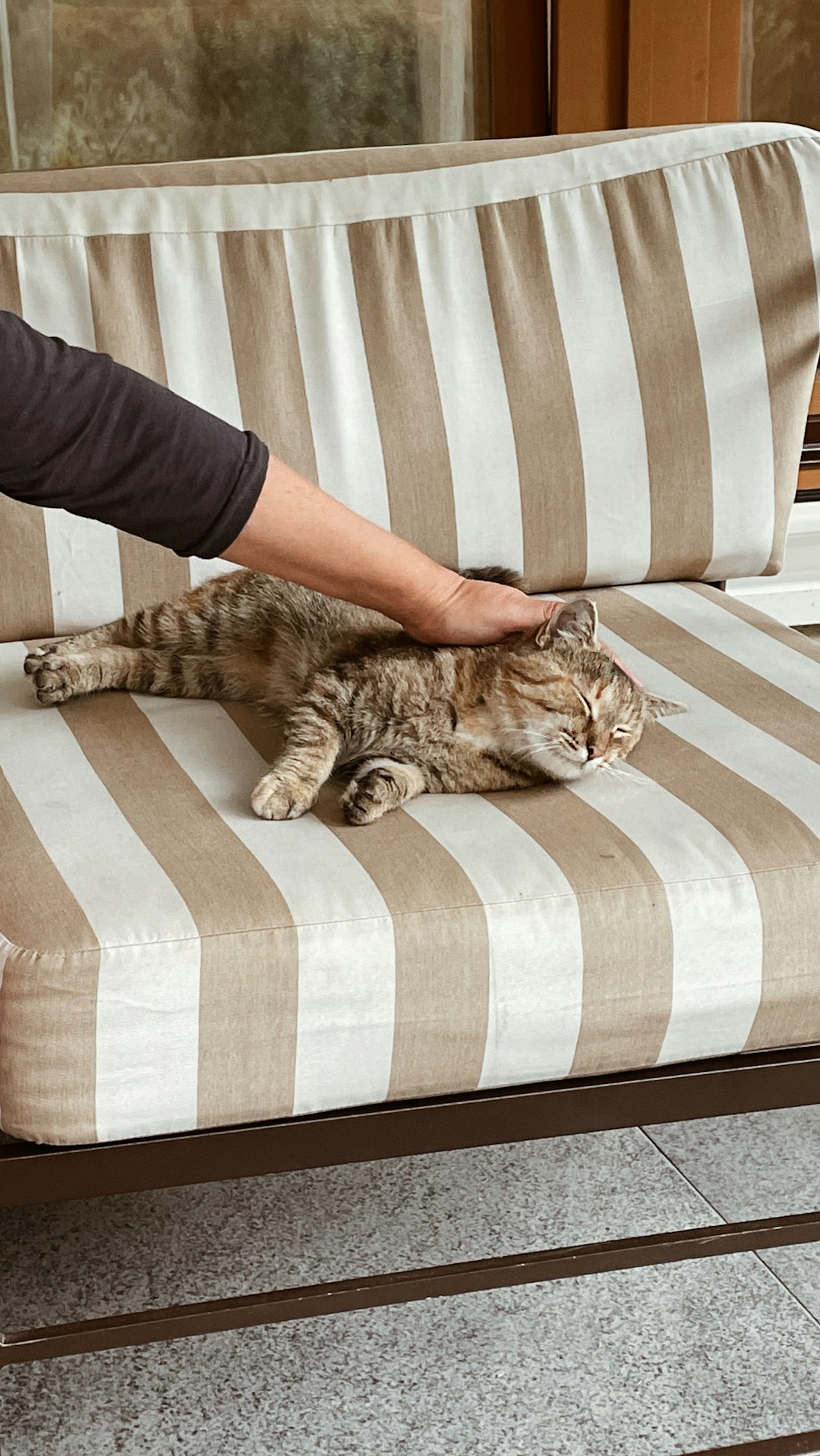
Is your beloved cat turning your furniture into a scratching post? You’re not alone.
Many cat owners face the frustrating problem of scratched-up couches and chairs. It’s more than just an aesthetic issue; it’s about maintaining harmony between you and your furry friend. The good news? There’s a way to keep both your cat happy and your furniture intact.
Imagine walking into your living room, and instead of cringing at the sight of shredded fabric, you see your cat gleefully using an appropriate scratching post. Doesn’t that sound like a relief? Stick around as we explore practical, easy-to-follow tips that will transform your home and save your furniture from further harm. Your peace of mind and your cat’s well-being are just a few steps away.
Understanding Cat Behavior
Stopping a cat from scratching furniture involves understanding their behavior. Provide a scratching post nearby as a safe alternative. Reward positive behavior to encourage using the post instead of your couch.
Understanding your cat’s behavior is the first step in preventing them from scratching your furniture. Cats are not just being naughty when they scratch. They are following their instincts. By understanding these instincts, you can better address the issue. Let’s dive into why cats scratch and what needs they are fulfilling through this behavior.Reasons Cats Scratch
Cats scratch for several reasons, and it’s not just to test your patience. Scratching helps cats sharpen their claws, which is essential for their survival in the wild. It’s also a way for them to mark their territory. Have you noticed your cat scratching the same spot repeatedly? This is because they have scent glands in their paws. By scratching, they deposit their scent and claim ownership. It’s their way of saying, “This is mine!” But it’s not all territorial. Scratching is also a form of exercise. It helps stretch their muscles and keeps them agile. So, when your cat is scratching away, they might just be getting in their daily workout.Instinctual Needs
Cats have instinctual needs that scratching fulfills. One of these is the need for mental stimulation. Scratching provides a sensory experience that keeps them engaged. Do your cats scratch more when they are bored? This is a sign they might need more mental enrichment. Consider adding toys or interactive playtime to keep them entertained. Scratching also satisfies their need to feel safe and secure. By marking their territory, they create a familiar environment. This sense of security reduces anxiety and stress. Have you tried offering alternative scratching surfaces? By providing scratching posts or mats, you redirect their instincts away from your furniture. This simple change can make a big difference. Understanding why your cat scratches is key to finding a solution. By addressing their instincts, you can create a happier home for both you and your feline friend. What strategies will you try to meet your cat’s scratching needs?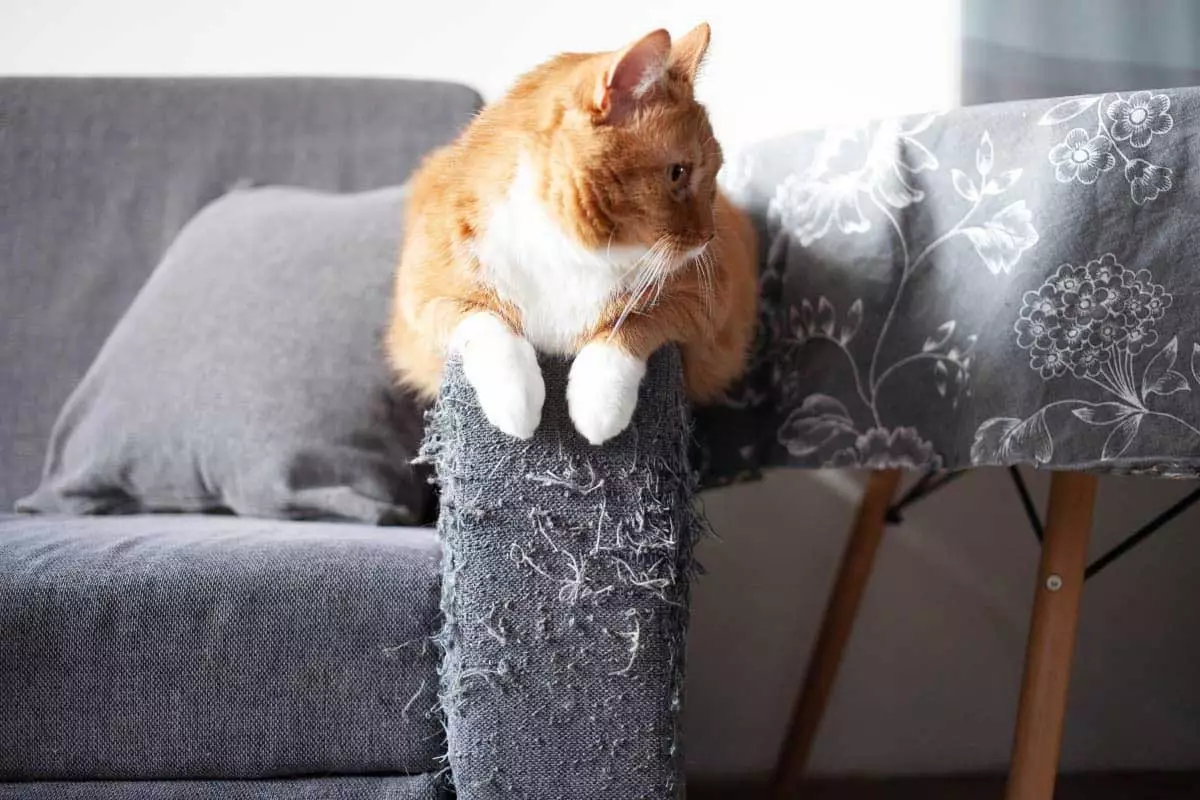
Credit: blog.homesalive.ca
Assessing The Damage
Scratched furniture can be frustrating for cat owners. Before you start solutions, it’s important to assess the damage. Understanding where your cat scratches helps address the problem effectively. This section guides you through identifying problem areas and understanding material susceptibility.
Identifying Problem Areas
Examine your home for scratch marks. Look closely at couches, chairs, and tables. Notice any patterns in the scratches. Are they concentrated in specific spots? Cats often scratch near corners or edges. These areas may be favorite spots. Identifying these patterns helps you focus your efforts. You can then decide on protective measures for those areas.
Material Susceptibility
Different materials react differently to cat scratches. Softer fabrics show damage more quickly. Leather can show marks but resists deeper scratches. Wood is often more durable but not immune. Understanding how each material responds helps you choose the right protection. You may need different strategies for different materials. This knowledge aids in preserving your furniture.
Providing Alternatives
Struggling to keep your cat’s claws off your furniture? Providing alternatives is an effective strategy to redirect their natural scratching instinct. Cats scratch to mark their territory, stretch their muscles, and keep their claws sharp. By offering suitable options, you can protect your home without compromising your furry friend’s needs.
Choosing The Right Scratching Post
Not all scratching posts are equal. The key is to find one that your cat will actually use. Look for sturdy posts that won’t tip over easily. Cats prefer materials that mimic tree bark, like sisal or corrugated cardboard. These textures provide a satisfying scratch.
Consider height and stability. A tall post allows your cat to stretch fully while scratching. Think about the size of your cat. A small post might be fine for a kitten, but an adult cat needs more space. Offer a variety of shapes and sizes to keep things interesting.
Placement Of Scratchers
Location matters. Place scratchers where your cat naturally spends time. Near windows, their favorite napping spots, or beside your most-scratched furniture are ideal spots.
Observe your cat’s behavior. Are they drawn to certain areas? If your cat scratches your couch, placing a post nearby can lure them away from the furniture. Experiment with different locations until you find what works best.
Think about your home layout. Keep scratchers visible and accessible. If they’re hidden away, your cat might ignore them. Rotate scratchers regularly to maintain your cat’s interest.
By providing alternatives, you not only save your furniture but also enrich your cat’s environment. What’s the most unexpected place your cat loves to scratch? Share your experiences in the comments below.
Training Techniques
Preventing your cat from scratching furniture involves creating a welcoming environment. Offer scratching posts and pads as alternatives. Trim your cat’s nails regularly to minimize damage.
Training your cat to stop scratching your furniture might seem like a daunting task, but with the right techniques, it can be a smooth journey. It’s not just about saving your beloved couch; it’s about understanding your cat’s needs and working together to find a solution. Let’s dive into some effective training techniques that can make your home a scratch-free zone.Positive Reinforcement
Positive reinforcement is a powerful tool in cat training. Reward your cat for scratching appropriate surfaces like a scratching post. Use treats, praise, or a gentle petting session as a reward. Place the scratching post near the furniture they usually scratch. Encourage your cat to use it by dangling a toy or sprinkling some catnip on it. Once they start using it, immediately give them a treat to reinforce the behavior. Have you noticed how your cat responds to your voice when praised? This can be a great way to encourage good habits. Consistency is key, so make sure to reward them every time they make the right choice.Deterrents And Discouragement
Deterrents can effectively discourage your cat from scratching furniture. Consider using double-sided tape on the sides of your couch. Cats dislike sticky surfaces, which can make your furniture less appealing to scratch. There are also sprays available that are designed to deter cats with scents they dislike. Spray these on the areas where your cat usually scratches. Remember, it’s important to redirect them to a suitable scratching post immediately after deterring them. Have you tried using a motion-activated air spray? These can startle your cat when they approach forbidden areas, gently discouraging them from returning. By combining positive reinforcement with deterrents, you create a balanced approach that guides your cat towards better scratching habits. Training takes time, but with patience and persistence, your furniture can remain untouched by those sharp little claws. What’s one thing you’ve tried that worked or didn’t work with your cat? Share your experience in the comments below!Protecting Your Furniture
Protecting your furniture from cat scratches is a common concern. Cats have a natural urge to scratch. It helps them stretch and sharpen their claws. Yet, this behavior can damage your beloved furniture. Fortunately, there are simple ways to protect your furniture while keeping your cat happy.
Using Covers And Guards
Furniture covers can shield your furniture from scratches. Slipcovers are easy to use and come in various styles. Choose durable materials like canvas or denim for best protection. Some covers are waterproof, adding extra defense. Furniture guards are another option. These are plastic or rubber sheets. Attach them to the sides of your furniture. Guards are often transparent. This keeps your furniture looking stylish. Both covers and guards can save your furniture from damage.
Applying Repellents
Repellents can deter your cat from scratching. Some sprays have scents cats dislike. Citrus-based sprays are popular. Cats usually avoid these smells. Apply the repellent where your cat tends to scratch. Reapply as needed to maintain effectiveness. Double-sided tape can also work as a repellent. Cats do not like sticky surfaces. Place the tape on furniture edges. This discourages scratching behavior. Repellents can be a simple solution to protect your furniture.
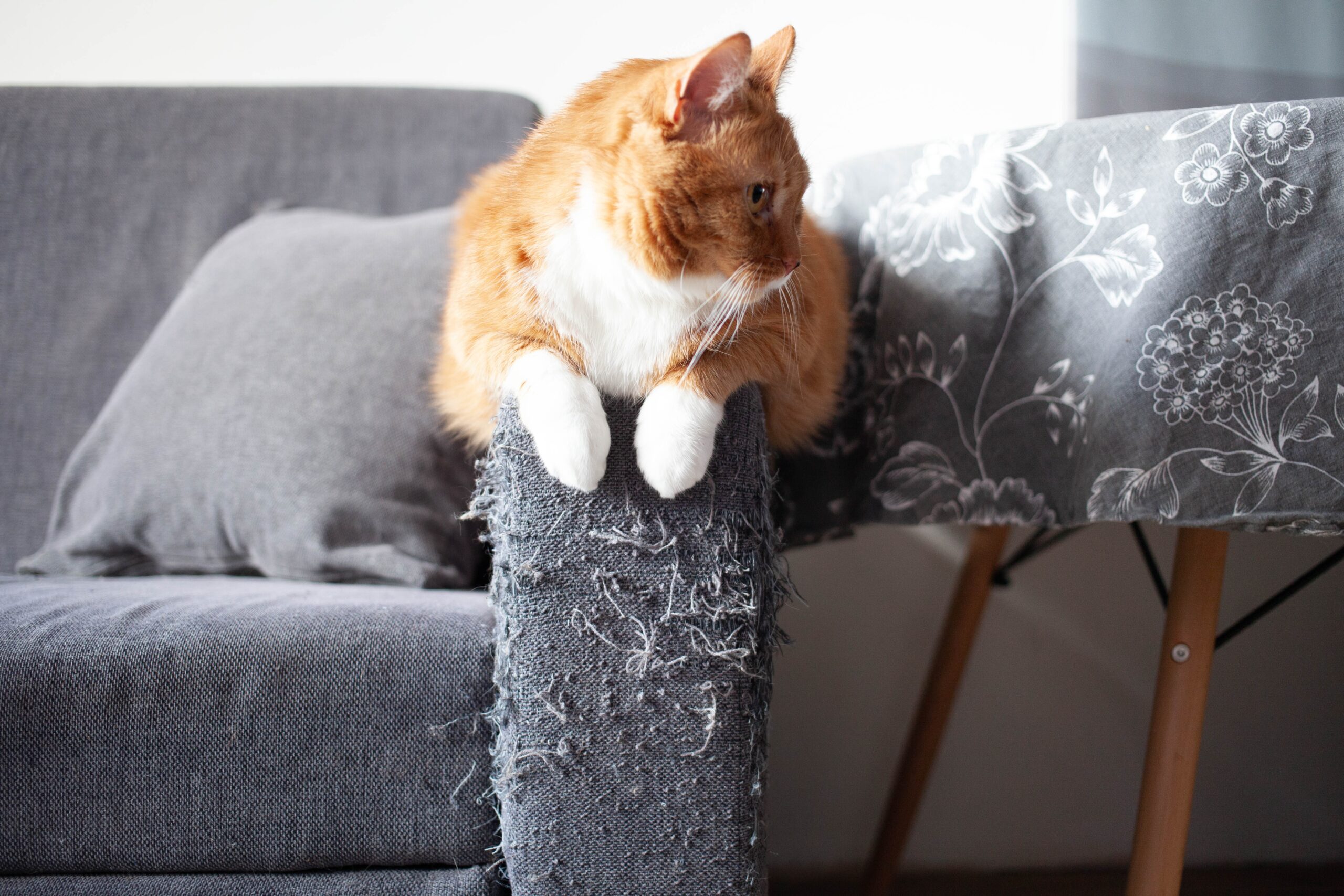
Credit: zoeforpets.com
Maintaining Routine And Consistency
Routine helps deter cats from scratching furniture. Regularly trim their nails and provide scratching posts. Consistent training with positive reinforcement encourages better habits and protects your furniture.
Maintaining routine and consistency is key to preventing your cat from scratching furniture. Cats thrive in environments where they know what to expect. Implementing a consistent routine can help your cat feel more secure. This can reduce unwanted scratching behavior. Below are practical tips focusing on regular nail trimming and consistent training.Regular Nail Trimming
Regular nail trimming is essential. It keeps your cat’s claws from becoming too sharp. Use a cat-specific nail clipper for best results. Trim every few weeks to maintain optimal claw length. This reduces the damage claws can do to furniture. Make nail trimming a calm experience. Offer treats and praise during and after the session. This way, your cat associates nail trimming with positive outcomes.Consistency In Training
Consistency in training helps your cat understand boundaries. Establish a firm but gentle training routine. Redirect your cat to a scratching post when they scratch furniture. Use a consistent command like “no” or “stop.” Reinforce good behavior with treats or affection. Be patient and persistent. Training takes time, but consistency pays off. Ensure all family members follow the same training approach. This prevents mixed signals, making training more effective.Consulting Professionals
Consulting professionals can be a pivotal step in resolving your cat’s furniture scratching dilemma. Sometimes, despite your best efforts, you may find your feline friend persistently scratching your precious furniture. Seeking advice from experts ensures that you are not missing any underlying issues that could be contributing to this behavior.
When To Seek Help
Have you tried everything but your cat still won’t stop scratching your furniture? It might be time to consult a professional if your cat’s behavior is causing damage or distress in your household. Experts can offer insights that you might not have considered.
Consider reaching out if scratching is accompanied by other behavioral changes. This could indicate stress or health issues. Don’t wait until the problem becomes unmanageable.
Advice From Veterinarians
Veterinarians aren’t just for medical concerns; they can provide behavioral advice too. They understand that scratching is natural for cats but can help you find ways to manage it. They might suggest alternative solutions like appropriate scratching posts or sprays to deter your cat from furniture.
My own vet once recommended a spray that mimicked cat pheromones. It worked wonders for my cat, who stopped scratching the couch almost immediately. Such specific advice can be invaluable.
Veterinarians can also rule out health issues that might be causing your cat’s behavior. A simple check-up might reveal something you weren’t aware of.
Have you ever thought about what else might be causing your cat’s behavior? Understanding the root cause is key to finding a solution. Consulting professionals could give you the fresh perspective you need.

Credit: wb-iisg.com
Frequently Asked Questions
What Scent Will Deter Cats From Scratching Furniture?
Cats dislike citrus scents. Use lemon or orange essential oils to deter them from scratching furniture. Vinegar and eucalyptus are also effective. Applying these scents can help protect your furniture from damage.
How Do You Scratch Proof Furniture From Cats?
Use cat-friendly furniture covers and scratching posts. Trim cat nails regularly. Apply double-sided tape or deterrent sprays on furniture. Offer toys to distract cats. Provide comfortable resting spots.
At What Age Do Cats Stop Clawing?
Cats generally stop excessive clawing by age 1 to 2 years. Training and providing scratching posts can help. Regularly trimming their claws also reduces damage. Consistent positive reinforcement encourages good scratching habits.
What Can I Spray On My Sofa To Stop My Cat From Scratching It?
Use a cat-safe deterrent spray like citrus or lavender scents. These discourage scratching behavior effectively.
Conclusion
Stopping your cat from scratching furniture is possible. Use the right tools. Provide scratching posts and pads. Keep them accessible and attractive. Train your cat with positive reinforcement. Consistency is key. Protect your furniture with covers or sprays. Observe your cat’s behavior.
Adjust strategies as needed. Understanding your cat helps in finding solutions. Patience and love are important. These efforts create harmony at home. Your furniture stays safe. Your cat remains happy and healthy. Remember, every cat is unique. Tailor your approach to suit your feline friend.
This way, both you and your cat will enjoy a scratch-free environment.

Similar Posts