How to Litter Train a Cat: Expert Tips for Success
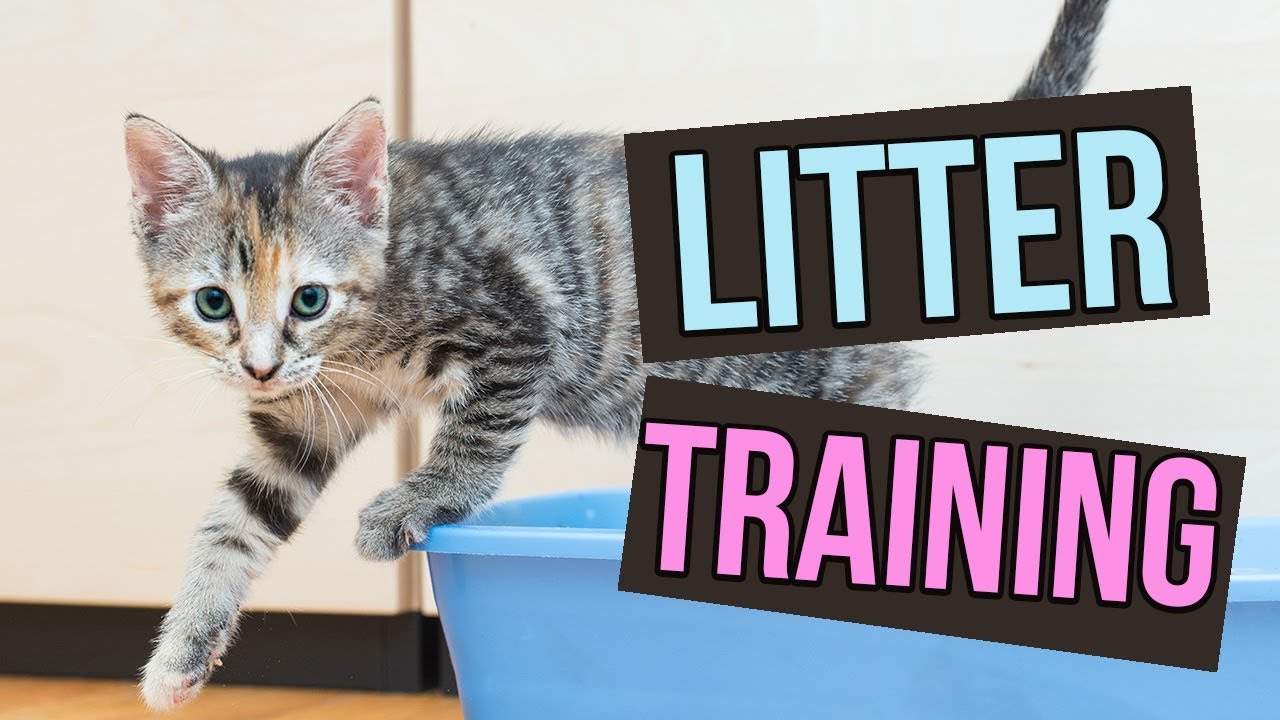
Are you tired of cleaning up after your furry friend? You’re not alone.
Many cat owners face the same challenge, but there’s good news—litter training your cat can make life a lot easier. Imagine a home where your cat knows exactly where to go, every single time. No more mess, no more stress.
Sounds perfect, right? In this guide, you’ll discover simple steps to litter train your cat effectively. Whether you’re a new cat parent or you’ve been sharing your home with a feline for years, these tips are designed to make the process smooth and stress-free. Ready to transform your home into a cleaner, happier space? Let’s dive in.

Credit: www.whiskas.co.uk
Choosing The Right Litter Box
Choosing the right litter box is a crucial step in litter training your cat. It’s not just about picking any box off the shelf; it’s about creating a comfortable and inviting space for your feline friend. A well-chosen litter box can make all the difference in encouraging your cat to use it consistently. Here are some important considerations to keep in mind.
Size And Type Considerations
Consider the size of your cat when selecting a litter box. A box that is too small can make your cat feel cramped and uncomfortable. Ideally, the box should be large enough for your cat to turn around easily.
Think about the type of litter box that will best suit your cat’s needs. Open boxes are great for easy access, but covered boxes might provide privacy for shy cats. If your cat is older or has mobility issues, consider a box with lower sides to make entry easier.
Placement In The Home
The location of the litter box can greatly affect your cat’s willingness to use it. Choose a quiet and low-traffic area where your cat can have some privacy. Avoid placing it near loud appliances or areas where there is frequent foot traffic.
Think about the convenience for both you and your cat. Having a box in a central location can be handy, but make sure it’s not too close to where your cat eats. Cats prefer to keep their dining and bathroom areas separate.
Have you ever noticed your cat avoiding a particular room? It might be worth investigating before placing the litter box there. Cats can be picky about where they do their business, so respecting their preferences can lead to a happier, cleaner home.
When you consider both the size and placement, you’re taking steps to ensure your cat feels comfortable and secure. This can lead to successful litter training and a satisfied feline friend. What adjustments can you make today to enhance your cat’s litter box experience?
Selecting The Ideal Cat Litter
Selecting the ideal cat litter is crucial for successful litter training. Cats are particular about their litter box environment. The right cat litter can make a big difference. It ensures your cat uses the litter box consistently. Let’s explore some options to help you choose the best fit for your feline friend.
Clumping Vs. Non-clumping
Clumping litter forms solid clumps when wet. This makes cleaning easy. You can remove waste without changing all the litter. It controls odors effectively. Non-clumping litter absorbs moisture but doesn’t form clumps. You may need to change it more often. It is often less expensive than clumping varieties. Consider your cleaning preferences and budget.
Scented Vs. Unscented Options
Scented litter can mask unpleasant odors. This can be helpful in small spaces. Some cats might find scents overwhelming. They may avoid using the litter box. Unscented litter relies on natural odor control. It can be a safer choice for sensitive cats. Always watch your cat’s reaction to new litter. Their comfort should guide your choice.
Introducing The Cat To The Litter Box
Training your cat to use the litter box is simple with patience and consistency. Place the litter box in a quiet, accessible area. Gently guide your cat to the box after meals and naps, encouraging them to use it regularly.
Introducing your cat to the litter box is a crucial step in ensuring a harmonious home environment. This process can be intimidating, especially for first-time cat owners. However, with a few simple strategies, you can help your cat understand where it should go for its bathroom needs. Your patience and consistency are key in making this transition smooth for your feline friend.Gradual Introduction Techniques
Start by placing the litter box in a quiet, accessible location. Cats appreciate privacy, so avoid busy areas of your home. Initially, keep your cat confined to a smaller area with the litter box nearby. This helps them get accustomed to the box’s presence. Consider using a small amount of soil from outside in the litter box. Some cats are naturally inclined to dig in dirt, and this can serve as a gentle encouragement. Gradually transition to cat litter by mixing it with the soil until your cat is comfortable using just the litter. Monitor your cat’s behavior. If you notice them sniffing or pawing at the litter box, gently guide them inside. This tactile experience can help them associate the box with their natural instincts.Positive Reinforcement Strategies
Reward your cat with treats or affection immediately after they use the litter box. This positive reinforcement encourages them to repeat the behavior. Most cats respond well to praise and petting, which can further strengthen their understanding. Create a routine. Cats thrive on consistency, so try feeding them at the same time each day, followed by a visit to the litter box. This predictable schedule helps them develop a habit. If your cat has an accident outside the box, resist the urge to scold. Instead, clean the area thoroughly to remove any scent markers and guide them back to the litter box. Patience and encouragement are more effective than punishment. Have you ever wondered why some cats adapt quickly while others struggle? Each cat has its unique personality and preferences. By observing and understanding your cat’s behavior, you can tailor your approach to suit their needs.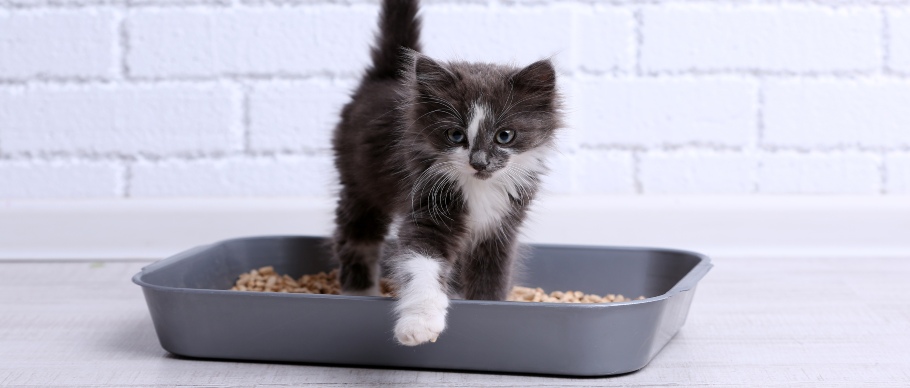
Credit: www.fourpaws.com
Maintaining Cleanliness
Keeping your cat’s litter box clean is essential. A clean litter box keeps your home smelling fresh. It also makes your cat happy and healthy. Cats are sensitive to smells. They might avoid a dirty litter box. So, regular cleaning is crucial.
Daily Scooping Routine
Make scooping a daily habit. This helps keep odors at bay. Use a scoop to remove waste. Dispose of it in a sealed bag. Clean scooping tools with soap and water. Your cat will appreciate a fresh space. It also reduces the spread of bacteria.
Weekly Litter Box Cleaning
Each week, empty the entire litter box. Use soap and warm water to clean it. Avoid strong chemicals that might harm your cat. Rinse thoroughly and dry before adding fresh litter. Replace litter with a new batch. This routine keeps the box hygienic. Your cat will feel more comfortable.
Troubleshooting Common Issues
Training a cat to use a litter box involves patience and understanding. Start by placing the box in a quiet, accessible location. Keep the box clean to encourage usage and address any accidents promptly.
Troubleshooting common issues when litter training a cat can be a frustrating yet rewarding journey. Cats are naturally inclined to use a litter box, but sometimes things don’t go as smoothly as planned. Understanding and addressing these hiccups can ensure your feline friend stays happy and your home remains clean.Dealing With Litter Box Avoidance
Is your cat avoiding the litter box? This can be a common issue that puzzles many cat owners. Check if the litter box is clean. Cats are finicky about cleanliness and might refuse to use a dirty box. Consider the type of litter you’re using. Some cats prefer unscented litter, while others might like softer textures. Experimenting with different types can be a simple fix. Placement matters, too. Is the litter box in a high-traffic area? Cats need privacy, just like us. Try relocating it to a quieter spot.Addressing Multi-cat Households
In a home with multiple cats, litter box dynamics can get tricky. Do you have enough boxes? Experts suggest one box per cat, plus an extra. This prevents territorial disputes and ensures every cat has access. Watch for signs of bullying or intimidation. A dominant cat may prevent others from using the litter box. Observing your cats can reveal these hidden tensions. Consider separate litter box locations. If possible, place boxes in different rooms. This gives each cat a chance to find their preferred spot without interference. Have you ever wondered how your cats perceive their litter box setup? Each cat has its own personality, and understanding their preferences can make all the difference. Taking the time to troubleshoot these common issues can lead to a harmonious household and a happy cat.Health And Behavioral Considerations
Training a cat to use a litter box involves patience and understanding of its behavior. Choose a quiet spot for the litter box, ensuring it’s clean and accessible. Positive reinforcement, like treats and praise, encourages the cat to use the box consistently.
Training your cat to use the litter box involves more than just setting up a box and hoping for the best. Understanding the health and behavioral aspects of your feline friend is essential to ensure a smooth transition. Cats are unique creatures with their own set of needs and signals, and paying attention to these can make litter training a more successful experience.Recognizing Signs Of Illness
Cats are masters at hiding discomfort. If your cat suddenly stops using the litter box, it could be a sign of illness. Look out for symptoms like frequent urination, straining, or blood in the urine. These could indicate urinary tract infections or bladder stones. A friend of mine noticed her cat acting lethargic and avoiding the litter box. A vet visit revealed a urinary issue that was quickly treated. Always consult with your vet if you suspect health problems. By recognizing these signs early, you can provide the necessary care and prevent further issues. It’s better to be safe than sorry when it comes to your cat’s health.Understanding Behavioral Triggers
Behavioral issues can also lead to litter box avoidance. Stress, changes in the home, or even the type of litter can be triggers. Observe your cat’s behavior closely. Does your cat seem anxious or stressed? Simple changes like adding more litter boxes or switching to a different litter type can make a big difference. I once switched my cat’s litter, and the newfound preference led to fewer accidents outside the box. Think about your cat’s environment. Is there a new pet or loud noise that could be causing distress? Addressing these triggers can help encourage consistent litter box use. Engage with your cat and understand their needs. Are you providing enough stimulation and playtime? Cats are sensitive, and their behavior is often a window into their world. By tuning into their signals, you can create a harmonious living space for both of you. What changes have you made that improved your cat’s litter habits? Share your experiences and help others navigate this common challenge.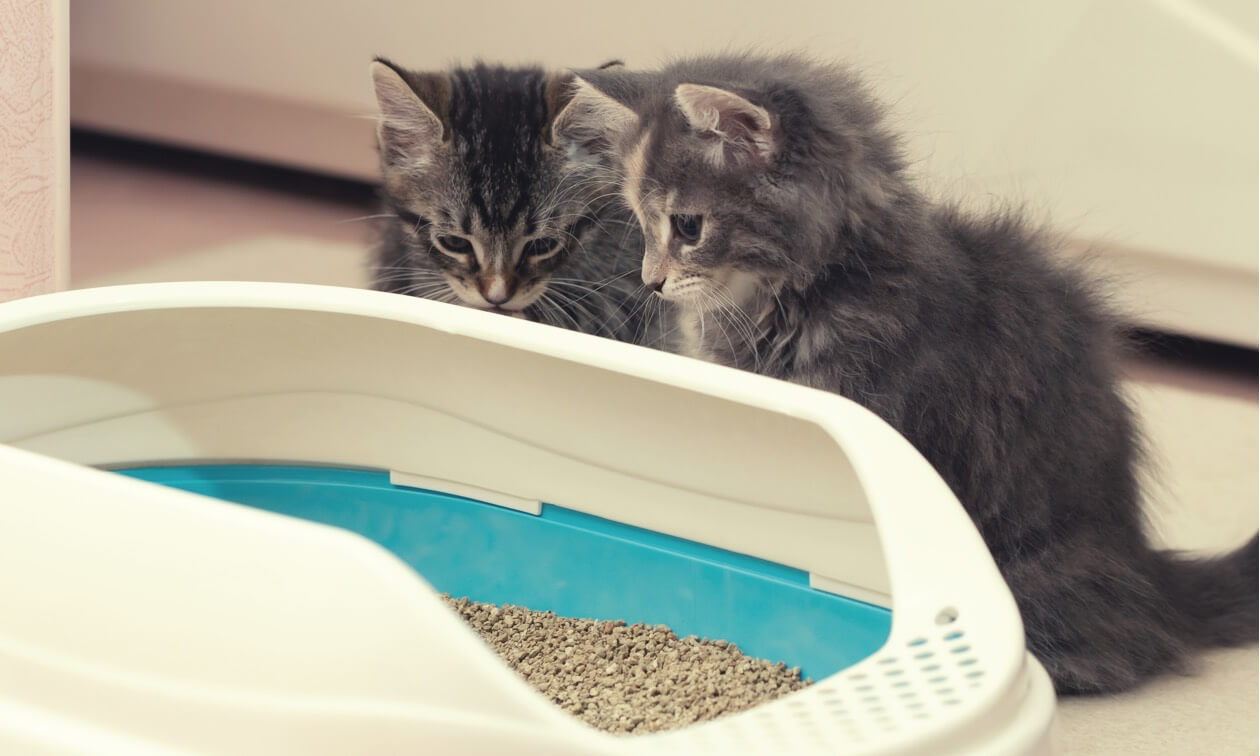
Credit: www.zoetispetcare.com
Frequently Asked Questions
How Long Does It Take To Litter Train Your Cat?
Litter training a cat typically takes about 2-4 weeks. Consistency in routine helps speed up the process. Ensure the litter box is clean and accessible. Patience and positive reinforcement are key to successful litter training. Most cats adapt quickly, making the experience easier for both pet and owner.
Are Cats Easy To Litter Train?
Yes, cats are generally easy to litter train. Most kittens learn quickly by observing their mother. Providing a clean, accessible litter box encourages proper use. Positive reinforcement helps reinforce good behavior. Cats’ natural instincts often guide them to use the litter box consistently.
What Is The Fastest Way To Litter Train A Kitten?
Introduce your kitten to the litter box immediately. Place it in a quiet, accessible location. Use unscented litter and keep the box clean. Encourage your kitten after successful use. Consistency and patience are key to quick litter training.
How Do I Get My Cat To Pee In The Litter Box?
Place the litter box in a quiet, accessible area. Keep it clean by scooping daily. Use unscented litter. Reward your cat with treats when they use it. Consult a vet if issues persist.
Conclusion
Litter training a cat takes patience and care. Start with the right litter box. Choose one that’s easy for your cat to access. Scoop the litter daily to keep it clean. Praise your cat when they use the box. This encourages good habits.
Watch for signs of discomfort or stress. Adjust as needed to make them comfortable. Training builds a strong bond with your pet. Consistency and kindness lead to success. Your feline friend will appreciate the effort. Soon, they’ll feel at home using their litter box.
Enjoy the peace of a clean and happy home.

Similar Posts