How to Train My Cat: Expert Tips for Success
Training your cat might sound like a daunting task, but it’s easier than you think. Have you ever wished your feline friend would stop scratching the furniture or come running when called?
You’re not alone. Many cat owners share your frustration. But what if you could turn those frustrations into opportunities for bonding? Imagine the satisfaction of teaching your cat to follow commands or use a litter box without fuss. You’re about to discover practical tips that can make this a reality.
As you read on, you’ll find that training your cat is not just possible—it’s an enjoyable journey for both of you. Get ready to unlock the secrets to a happier, more harmonious home!
Credit: www.burgesspetcare.com
Understanding Cat Behavior
Training your cat starts with understanding its natural behavior. Cats respond well to positive reinforcement, like treats and praise. Patience and consistency are key in teaching simple commands and tricks.
Understanding how your cat behaves is crucial for effective training. Cats are fascinating creatures with unique behaviors that may often seem puzzling. By decoding their actions and gestures, you can build a stronger bond with your feline friend and make the training process smoother. Let’s dive into the fundamental aspects of cat behavior.Natural Instincts
Cats are natural hunters. Even the most pampered house cats have instincts that drive them to pounce and chase. You might notice your cat stalking a toy or even your moving feet. This behavior is deeply rooted in their ancestry as predators. When training, use toys that mimic prey to harness these instincts and engage your cat effectively. Cats also love to climb and explore. You might see them scaling furniture or peering from high perches. This behavior comes from their need to survey their territory. Providing vertical spaces like cat trees can satisfy this instinct and prevent unwanted climbing on your furniture.Social Dynamics
Cats are often misunderstood as solitary animals, but they have complex social structures. Each cat’s personality dictates how they interact with humans and other pets. Some cats are social butterflies, while others are more reserved. Observing your cat’s interactions can offer insights into their preferences. My cat, Luna, prefers solitary play but loves snuggling with me in the evenings. Recognizing these preferences can help tailor your training approach. Understanding your cat’s social cues can also prevent stress. If your cat retreats during playtime, it might be overwhelmed. Giving them space and respecting their boundaries fosters a trusting relationship.Communication Methods
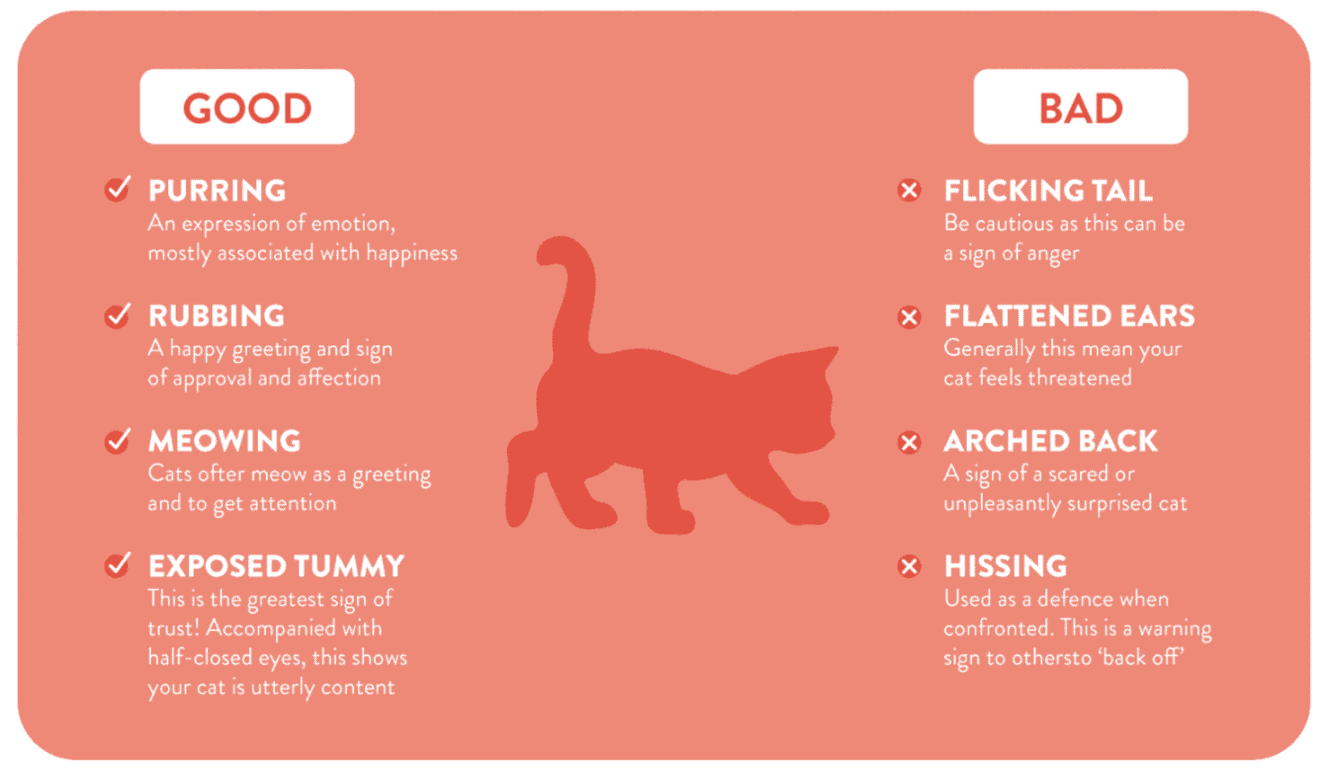
Cats communicate through a mix of vocalizations and body language. A meow can range from a simple greeting to a demand for dinner. Pay attention to the pitch and frequency of these sounds to understand their meanings. Body language is another vital aspect. A cat’s tail, ears, and eyes can convey a wealth of information. A flicking tail might indicate irritation, while slow blinks show trust and affection. Incorporating these signals into your training can improve communication. Understanding your cat’s behavior is like learning a new language. Are you listening to what your cat is trying to tell you? By tuning into these signals, you can create a nurturing environment that enhances your cat’s learning and happiness.Setting Training Goals
Training a cat can seem challenging, but setting clear goals helps. Establishing training goals keeps you focused and organized. It also ensures your cat learns effectively. Start by defining what success looks like for you and your feline friend. Consider both short and long-term objectives to guide your training sessions. Let’s dive into these key aspects to set your cat up for success.
Defining Success
What does success mean in training your cat? Success varies for each pet owner. For some, it’s teaching a cat simple commands. For others, it’s more complex tricks. Identify what you want your cat to achieve. This clarity makes training more effective. It helps measure progress too. Think about behaviors you want to change. Perhaps you want to reduce scratching on furniture. Or maybe you want your cat to come when called. Define these success markers early.
Short And Long-term Objectives
Short-term objectives are small, achievable goals. They keep you motivated. They also provide quick wins for your cat. Start with easy tasks like sitting or staying still. These can be achieved in a few days or weeks. Long-term objectives require more time. They might include advanced tricks or consistent behavior changes. Plan these over months. Break them into smaller steps. This makes them manageable for you and your cat. Balance both types of goals for a successful training journey.
Creating A Positive Environment
Building a welcoming space helps train your cat effectively. Use gentle words and rewards to encourage good behavior. Cats respond well to patience and positive interactions.
Creating a positive environment is key to effective cat training. Cats respond well to spaces where they feel safe and comfortable. A calm setting helps them relax and learn. This environment boosts their confidence and trust in you.Safe Spaces
Cats need designated safe spaces. These are areas where they can retreat and feel secure. A cozy corner with a soft blanket works wonders. It offers them a place to escape stress. Ensure these spaces are quiet and free from disturbances. High perches or hideaways can also serve as excellent safe spots. These spaces give your cat control over its surroundings.Comfortable Settings
Comfortable settings make training enjoyable for your cat. Adjust room temperature to suit their preference. Cats dislike extreme temperatures. Provide soft bedding for them to rest on. Toys and scratching posts enhance comfort. They offer entertainment and cater to their natural instincts. Choose areas with natural light. Cats love sunbathing and it keeps them cheerful.Choosing The Right Training Techniques
Training your cat can be a rewarding journey. Choosing the right techniques is crucial. Cats are intelligent and curious creatures. They respond well to certain training methods. These methods enhance their natural abilities. Focus on positive reinforcement and patience. This approach builds trust and strengthens your bond.
Reward-based Methods
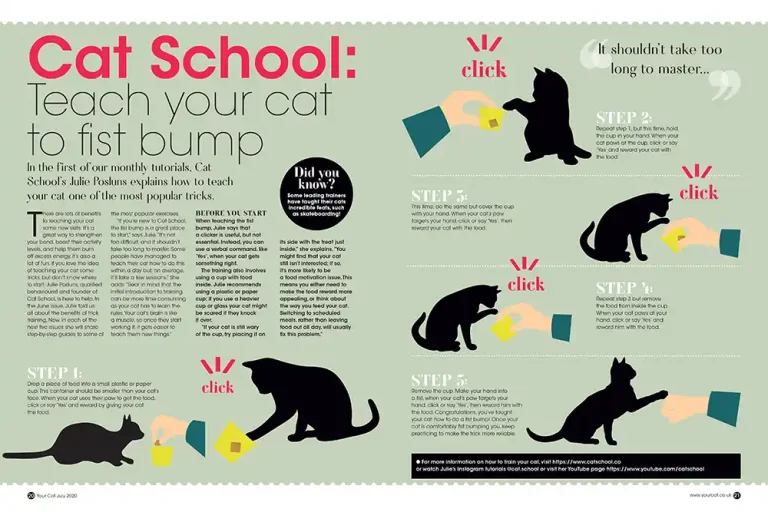
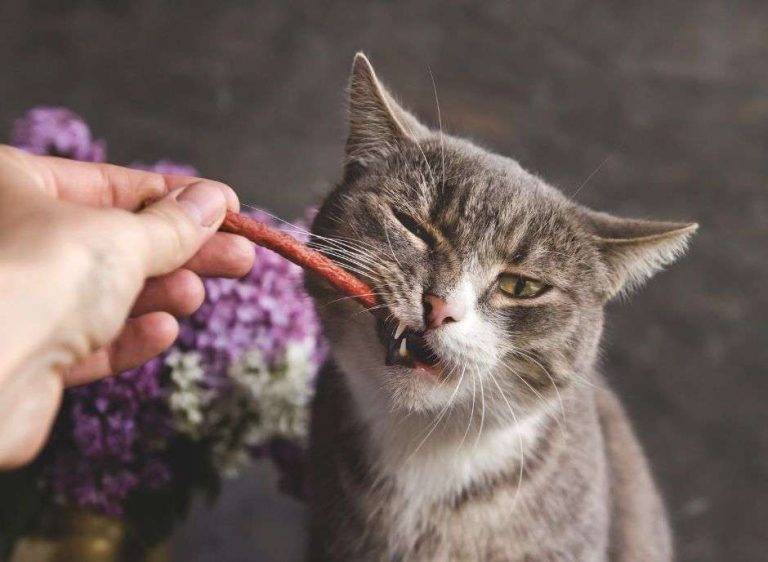
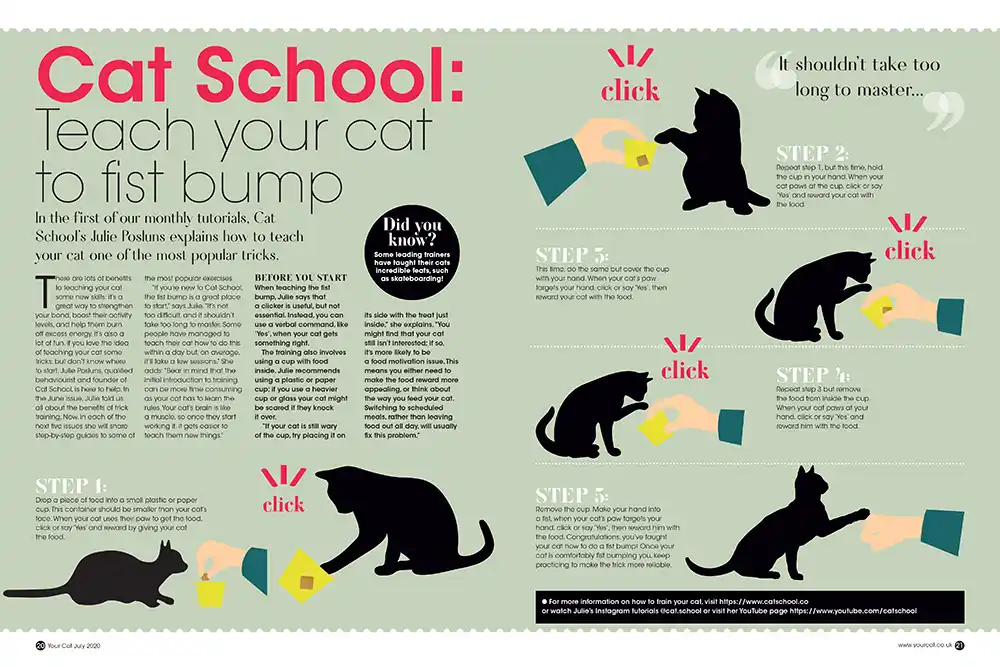
Reward-based methods use treats and praise. They encourage good behavior. When your cat follows a command, offer a small treat. A gentle pet or kind words work too. This positive feedback motivates your cat. It makes training enjoyable for both of you. Keep sessions short to maintain interest.
Clicker Training
Clicker training involves a small device. It makes a clicking sound. The click signals your cat did something right. Pair the click with a treat. Your cat will associate the sound with a reward. This method is precise and effective. It helps in teaching complex commands.
Consistency And Patience
Consistency is key to successful training. Use the same commands and cues every time. This helps your cat understand what you want. Patience is equally important. Cats learn at their own pace. Avoid frustration if progress seems slow. Celebrate small victories with your feline friend.
Common Challenges
Training a cat can be a rewarding experience. Yet, it comes with its own set of challenges. Unlike dogs, cats are known for their independent nature. They might resist following commands or show anxiety. Understanding these common challenges is key to effective training. Let’s explore how to deal with resistance and overcome fear and anxiety.
Dealing With Resistance
Cats can be stubborn. They often resist new routines. You might find your cat ignoring commands. This resistance is common. Patience is crucial here. Start with small, manageable steps. Reward positive behavior with treats or affection. Consistency is important. Repeat actions and rewards regularly. Avoid punishment. Cats respond better to positive reinforcement.
Overcoming Fear And Anxiety
Some cats experience fear during training. Loud noises or unfamiliar environments can trigger anxiety. Create a safe space for your cat. Ensure the training area is quiet. Introduce new elements gradually. Speak softly to comfort your cat. Use toys to distract them from anxious thoughts. Encourage a calm demeanor with gentle strokes or cuddles.
Understanding your cat’s body language helps. Watch for signs of distress. Tail twitching or flattened ears indicate fear. Adjust your approach if these signs appear. Take breaks if your cat seems overwhelmed. Every cat is unique, so tailor the training to their needs.
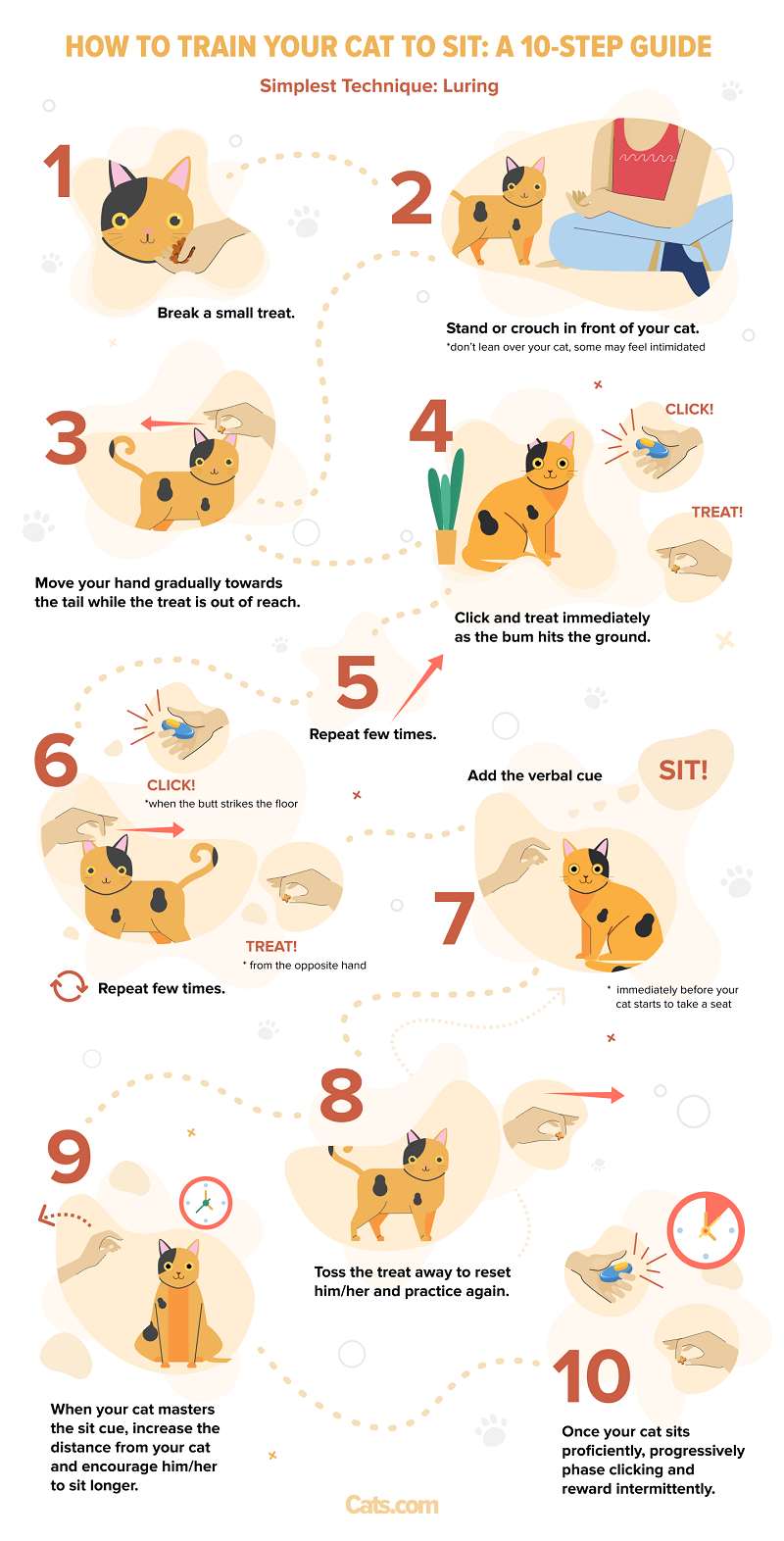
Credit: cats.com
Monitoring Progress
Training a cat requires patience and consistency. Monitoring progress is crucial in this journey. It helps you understand what works best for your feline friend. As your cat learns new behaviors, observing changes is key. This ensures that the training is effective and enjoyable for both of you. Keep a close eye on your cat’s behavior. Regular monitoring will guide you to adjust your strategies as needed.
Tracking Behavior Changes
Watch for any shifts in your cat’s actions. These might indicate that your training is working. Cats often show subtle signs of learning. This could be a new response to a command. Or maybe a reduction in unwanted behavior. Document these changes. Use a notebook or a digital app. Recording progress helps in identifying patterns. It also highlights areas that need more attention.
Adjusting Strategies
Sometimes, initial methods may not yield desired results. Be ready to tweak your approach. Not all cats respond the same way to training. Experiment with different techniques. Maybe incorporate more rewards or change the timing of sessions. Observe your cat’s reactions closely. Adjusting strategies ensures that training remains effective. It keeps your cat engaged and motivated. This flexibility leads to better outcomes and a happier pet.
Maintaining Long-term Success
Training cats for long-term success involves patience and consistency. Focus on gentle guidance and rewards for good behavior. Create a routine that your cat can rely on to strengthen trust and understanding.
Maintaining long-term success in cat training requires patience and persistence. Cats need consistent reinforcement to keep their skills sharp. It’s not just about teaching; it’s about nurturing their instincts. Every interaction with your cat can be an opportunity to reinforce learning. Encouraging good behavior helps your cat feel secure and confident.Reinforcing Learned Behaviors
Reinforcement cements your cat’s training. Praise them with treats or affection. Use positive reinforcement to boost their confidence. Cats respond well to gentle encouragement. Keep training sessions short, making them fun and engaging. Repeat commands consistently to reinforce understanding. Avoid punishment, as it can lead to fear or anxiety. Celebrate small successes to encourage continued progress.Continual Engagement
Engagement keeps your cat mentally stimulated. Interactive toys can help maintain interest. Offer a variety of activities to prevent boredom. Rotate toys to keep your cat curious. Spend time playing with your cat daily. Use playtime to strengthen your bond. Introduce new challenges to keep them sharp. A happy cat is more likely to retain learned behaviors.
Credit: www.youtube.com
Frequently Asked Questions
Are Cats Easy To Train?
Cats can be trained, but they can be more independent than dogs. Use positive reinforcement and patience. Focus on simple commands and litter training. Consistency helps improve results. Keep sessions short to maintain their interest. Each cat’s personality affects how easily they learn.
How Do You Teach A Cat No?
Use a firm voice and say “no” when the cat misbehaves. Redirect its attention to a toy. Consistency is key for effective training. Reward good behavior with treats to reinforce positive actions. Avoid yelling or physical punishment to maintain trust.
What Is The Easiest Thing To Train A Cat?
Training a cat to use the litter box is the easiest task. Cats have natural instincts for using it. Provide a clean, accessible litter box, and most cats will learn quickly. Consistency and positive reinforcement help reinforce this behavior.
How Do I Discipline Cats?
Discipline cats with positive reinforcement. Reward good behavior with treats or praise. Redirect unwanted actions using toys or scratching posts. Avoid punishment, as it can cause stress and fear. Consistency is key for effective training. Always ensure a safe, comfortable environment for your cat’s well-being.
Conclusion
Training your cat takes patience and consistency. Start with simple commands. Use treats to reward good behavior. Spend time daily on training sessions. Keep them short and fun for your cat. Practice in a quiet space. Avoid distractions. Praise often and keep a positive attitude.
Remember, each cat learns at its own pace. Don’t rush the process. Enjoy the journey of teaching your cat new tricks. Building trust and understanding is key. With time, your cat will respond well. Celebrate small victories. Training strengthens your bond and enriches your cat’s life.
Happy training!