How to Cure Cat Anxiety: Proven Tips and Solutions
Have you ever noticed your cat hiding under the bed for hours or suddenly becoming skittish without any apparent reason? You are not alone.
Many cat owners face the challenge of dealing with feline anxiety. It’s a common issue, but what if you could help your beloved pet feel more at ease? Imagine the comfort and peace of mind you would both enjoy if your home was a stress-free haven for your cat.
In this blog post, you’ll uncover effective strategies and tips to cure cat anxiety, ensuring your furry friend can relax and thrive. Keep reading to discover how simple changes can make a big difference in your cat’s life.

Credit: restorapet.com
Identifying Symptoms
Recognizing signs like excessive grooming or hiding helps address cat anxiety. Calming techniques include safe spaces and soothing routines.
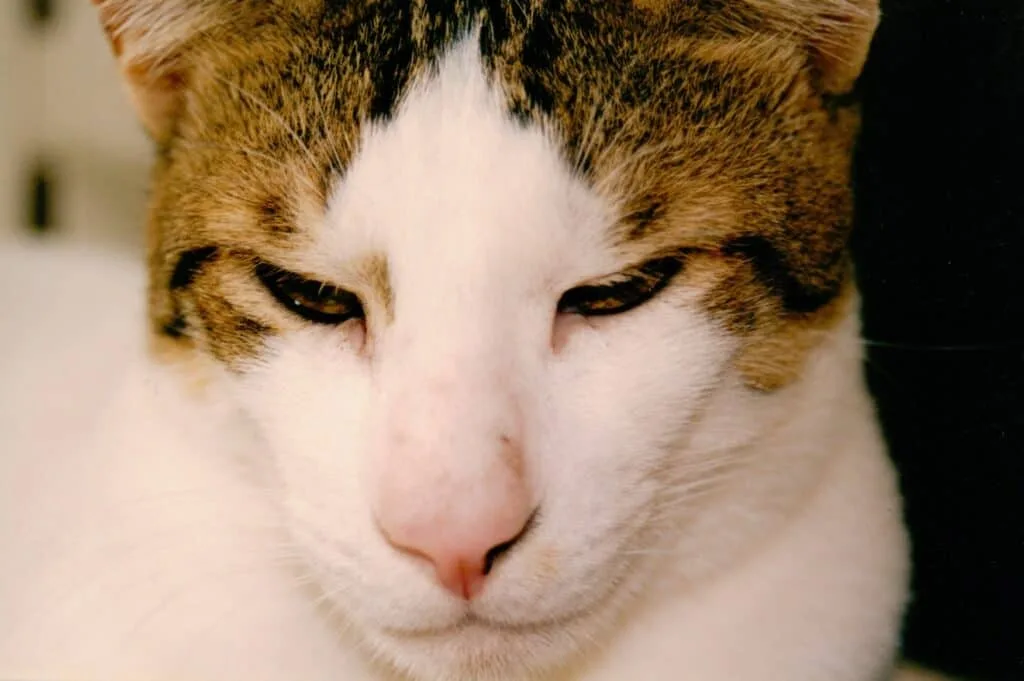
Understanding how to identify symptoms of cat anxiety is crucial for any pet owner. Just like humans, cats can experience stress and anxiety, which can impact their well-being. Recognizing these symptoms early can help you take steps to alleviate their discomfort and improve their quality of life.Physical Symptoms
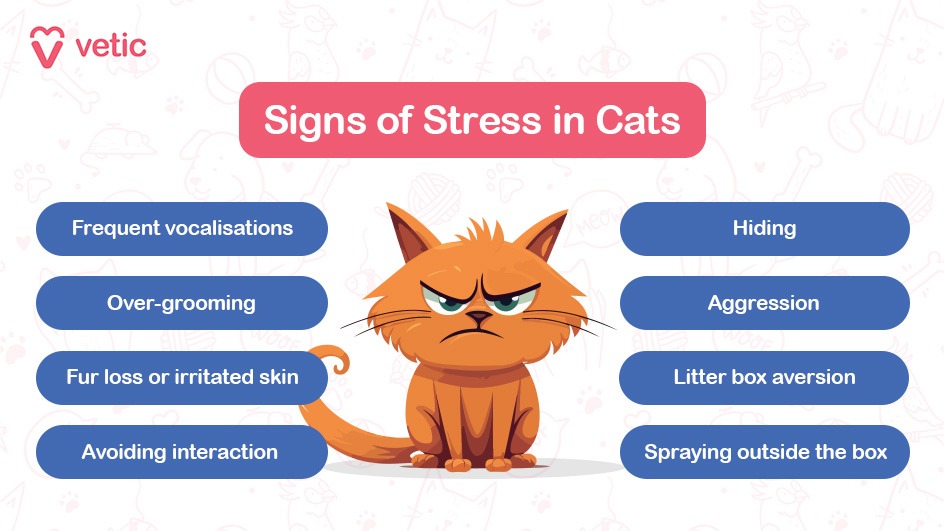
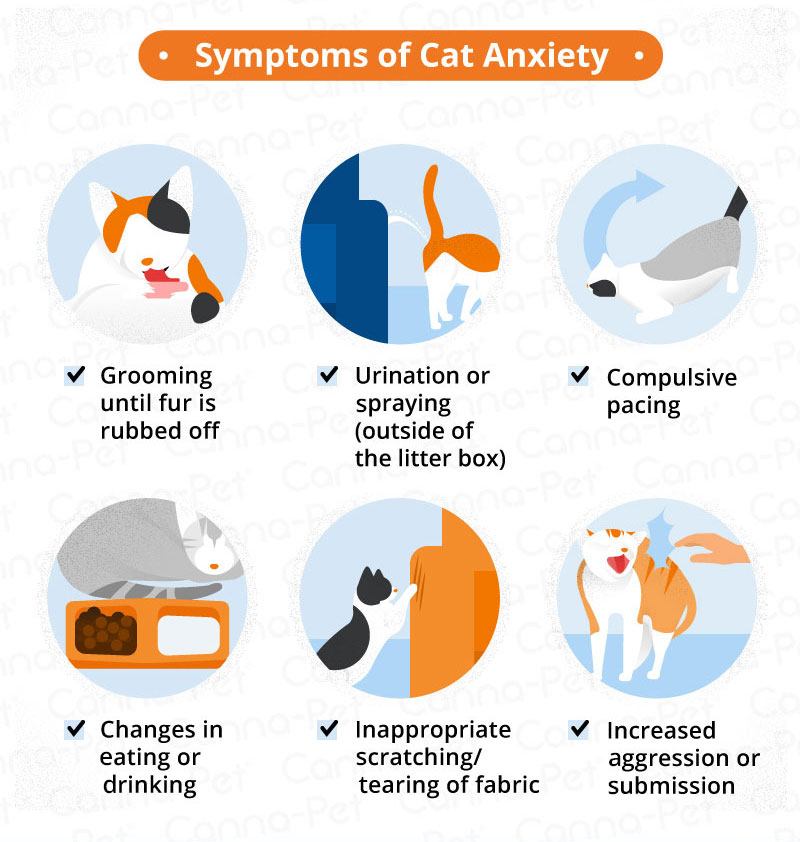
Cats may exhibit a variety of physical signs when they are anxious. You might notice excessive grooming, which can lead to bald patches. This behavior often results from stress, as cats groom themselves to self-soothe. Another symptom to watch for is a change in appetite. Cats may eat less or more than usual when stressed. Sudden weight loss or gain can be a red flag that something isn’t right.Behavioral Changes
Behavioral changes are often the first signs of anxiety. A previously sociable cat might start hiding more often. This withdrawal can indicate that your cat is feeling overwhelmed or threatened. Additionally, increased aggression or unusual vocalizations can signal anxiety. If your cat starts hissing, growling, or meowing excessively, it might be time to assess their environment and stressors.Litter Box Issues
An anxious cat might show changes in litter box habits. If your cat suddenly begins urinating or defecating outside the litter box, it could be a sign of anxiety. This behavior is often a way for cats to express their distress or discomfort. Consider if there have been any changes in your home, such as a new pet or a different routine, which might have triggered this issue.Unusual Sleeping Patterns
Changes in sleep patterns can also indicate anxiety. If your cat is sleeping significantly more or less than usual, it may be due to stress. Pay attention to where and how your cat sleeps; a shift to hidden or unusual spots can be a clue.Hyperactivity Or Restlessness
Sometimes, anxiety manifests as increased energy or restlessness. A cat that can’t seem to settle down might be experiencing anxiety. This can include pacing, jumping, or running around the house without an apparent reason.Personal Story: Understanding Whiskers’ Anxiety
When my cat Whiskers started hiding under the bed, I was puzzled. It was only after noticing her aggressive hissing when approached that I realized something was wrong. A visit to the vet confirmed she was anxious due to a recent move. This experience taught me to be more observant of her behavior, especially during major changes. Have you noticed any of these signs in your cat? Recognizing these symptoms is the first step in helping your furry friend feel more comfortable and secure.Common Causes
Understanding the common causes of cat anxiety is vital. Cats, like humans, can feel anxious due to various factors. Recognizing these causes helps in providing better care for your feline friend.
1. Changes in EnvironmentMoving to a new home can stress your cat. Sudden changes in their surroundings may unsettle them. Even simple rearrangements of furniture can trigger anxiety. Cats prefer stability.
2. Social InteractionsMeeting new people can be overwhelming for cats. They might feel threatened or scared. Introducing them slowly to new faces can ease their stress. Some cats prefer solitude.
3. Loud NoisesLoud sounds like thunderstorms can frighten cats. They have sensitive hearing. Sudden noises can make them anxious or restless. Providing a quiet space can help.
4. Health IssuesIllness can be a major cause of anxiety. Cats often hide their pain. Regular vet visits ensure they are healthy. Health problems can lead to stress.
5. Lack of StimulationBoredom can lead to anxiety in cats. They need play and interaction. A lack of toys or activities can make them restless. Keep your cat engaged.
Environmental Adjustments
Cats, like humans, can feel anxious due to their surroundings. Adjusting their environment can greatly help in reducing anxiety. Making simple changes at home can provide your cat with comfort. Let’s explore some effective environmental adjustments.
Safe Spaces
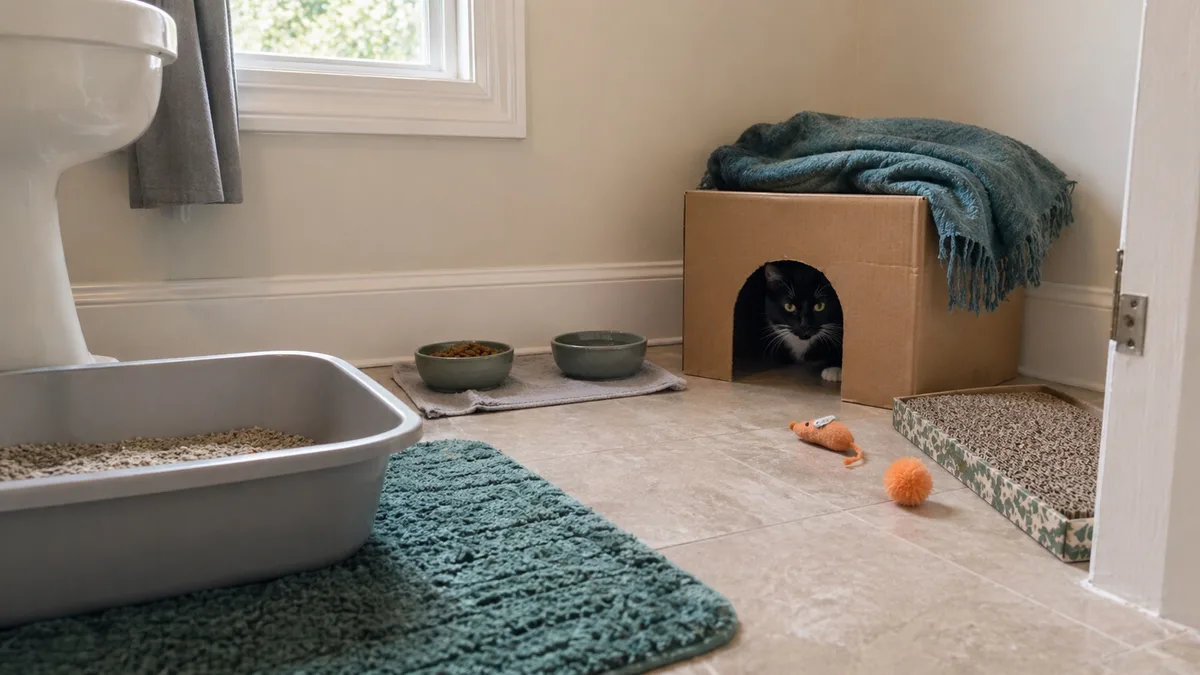
Cats need a place to retreat when they feel overwhelmed. Creating safe spaces can help reduce anxiety. Use cozy corners or high perches where your cat can hide or observe quietly. Ensure these spaces are away from noise and disturbances. Soft bedding and familiar scents can enhance comfort. A safe space acts as a refuge during stressful times.
Reducing Stressors
Identify and minimize potential stressors in your cat’s environment. Loud noises and sudden changes can trigger anxiety. Try to maintain a calm and stable atmosphere. Consider using white noise machines to mask disruptive sounds. Ensure a consistent routine for feeding and playtime. Predictability can ease your cat’s mind. Reduce clutter to prevent overstimulation. A tidy environment can help keep your cat calm.
Behavioral Techniques
Behavioral techniques can help reduce cat anxiety effectively. Create a calm environment and establish a daily routine. Use interactive toys and positive reinforcement to build your cat’s confidence.
Cat anxiety is a common issue that many pet owners face, often leaving them puzzled about how to help their furry companions. Behavioral techniques can play a pivotal role in alleviating anxiety in cats. These approaches focus on modifying your cat’s behavior through positive interactions and gradual exposure to stressors. By understanding and applying these techniques, you can foster a more relaxed environment for your feline friend.Positive Reinforcement
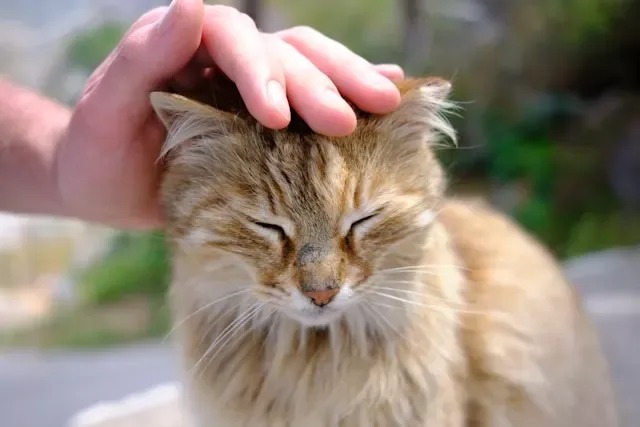
Positive reinforcement is a powerful tool. It involves rewarding your cat for calm behavior. This could be a treat, a gentle stroke, or a favorite toy. Think about what your cat loves most and use it to your advantage. Imagine this: your cat is anxious around new people. Instead of scolding, reward them when they stay calm in such situations. This teaches them that good things happen when they are relaxed. Consistency is key. Make sure the rewards are immediate and linked to the desired behavior. Over time, your cat will associate calmness with positive experiences.Desensitization
Desensitization involves gradually exposing your cat to anxiety-inducing situations. Start with a low level of exposure and slowly increase it as your cat becomes more comfortable. Let’s say your cat fears the vacuum cleaner. Begin by placing the vacuum in the room turned off. Allow your cat to explore and get familiar with it. As they become less anxious, turn it on for short periods from a distance. Gradually, your cat will learn that the vacuum is not a threat. Patience is crucial here. Don’t rush the process and always ensure your cat feels safe. Have you noticed any particular triggers for your cat’s anxiety? Identifying these can help tailor the desensitization process effectively.Natural Remedies
Cats, like humans, can experience anxiety. It can be stressful for pets and owners. Many seek natural remedies. These remedies can help soothe anxious felines. They offer a gentle approach. Cats often respond well to these treatments.
Herbal Supplements
Herbal supplements can calm your anxious cat. Valerian root is a popular choice. It has calming effects. You can find it in many pet stores. Another herb is chamomile. It soothes and relaxes cats. Just add it to their food. Passionflower is also useful. It helps reduce anxiety. Always consult a vet before use.
Pheromone Products
Pheromone products mimic natural cat scents. These scents calm anxious cats. Plug-in diffusers are common. They release soothing pheromones into the air. Sprays are also available. Use them on bedding or carriers. They help create a calm environment. Collars infused with pheromones are practical. They offer continuous relief. Try them and see the change in your cat.
Dietary Changes
Changing your cat’s diet can help reduce anxiety. Food impacts mood. The right nutrients can calm your cat. It’s essential to choose foods wisely. Let’s explore some beneficial dietary changes.
Nutrient-rich Foods
Nutrient-rich foods are crucial for calming anxious cats. High-quality proteins support brain health. Choose foods with real meat as the first ingredient. Omega-3 fatty acids also help. They reduce stress and inflammation. Look for foods with fish oil or flaxseed. Antioxidants are another key. They protect the brain from stress. Blueberries and spinach are great sources.
Supplements For Calm
Supplements can further help in calming your cat. L-theanine is one option. It promotes relaxation without drowsiness. You can find it in green tea extracts. Another supplement is tryptophan. It helps produce serotonin, a calming hormone. Consider adding it to your cat’s diet. Always consult your vet before starting new supplements.
Professional Help
Finding professional help is crucial for addressing cat anxiety effectively. Experts can identify triggers and offer tailored solutions to ease your feline friend’s distress. Trust in their guidance ensures a calmer, happier environment for both you and your pet.
Dealing with a cat’s anxiety can be challenging. Sometimes, it requires professional guidance to effectively address the issue. Seeking professional help ensures that your feline companion receives the best care tailored to their specific needs. Let’s explore the expertise that veterinarians and animal behaviorists can offer you.Consulting Veterinarians
Veterinarians are often your first point of contact for any health concerns, including anxiety. They can conduct thorough examinations to rule out any underlying health issues that may be causing stress. Your vet may suggest medications or supplements to ease anxiety symptoms. They can also recommend changes in your cat’s diet or environment to promote calmness. Have you considered how your home setup might be affecting your cat’s mood?Animal Behaviorists
Animal behaviorists specialize in understanding and modifying pet behavior. They can observe your cat’s interactions and identify triggers for anxiety. A behaviorist might provide you with techniques to help your cat feel more secure. This could include specific training methods or environmental adjustments. Would you be willing to try a new approach to help your cat feel at ease? Seeking professional help can make a significant difference in managing your cat’s anxiety. It provides peace of mind knowing that you have expert support. Have you taken the step to consult a professional for your cat’s well-being?
Credit: www.amazon.com
Monitoring Progress
Understanding cat anxiety is crucial for effective treatment. Monitoring progress helps ensure the chosen methods work. It involves observing changes and adjusting strategies as needed. Cats may show signs of improvement or need different approaches. Regular checks are essential for their well-being.
Tracking Behavioral Changes
Observe your cat’s daily habits. Note any new patterns or routines. Increased playfulness or calmness suggests improvement. Watch for reduced hiding or aggression. Document these changes for a clearer picture. Consistent tracking helps in assessing the effectiveness of current methods.
Adjusting Strategies
If anxiety persists, reevaluate your approach. Consider trying new calming techniques. Consult a vet if needed for professional advice. A change in environment might help. Modify routines or introduce new toys. Tailor strategies to your cat’s needs. This ensures ongoing progress and comfort.
Credit: aqsfence.com
Frequently Asked Questions
How Can I Reduce My Cat’s Anxiety?
Create a safe space for your cat with familiar scents. Use calming pheromone diffusers. Engage in interactive play daily. Maintain a consistent routine to reduce stress. Offer treats and affection to reassure them.
What Calms Cats Naturally?
Cats naturally calm with pheromone diffusers, catnip, chamomile, and lavender. Regular playtime and a cozy environment also help.
What Triggers Anxiety In Cats?
Loud noises, unfamiliar environments, changes in routine, and new pets or people can trigger anxiety in cats. Ensure a calm, stable environment to help your cat feel secure. Regular play and gentle interaction can also reduce stress.
What Are Signs Of Cat Anxiety?
Cats show anxiety through excessive grooming, hiding, aggression, or litter box issues. Changes in appetite or sleep are common signs. Increased vocalization or destructive behavior may indicate stress. Watch for trembling or tail flicking. Ensure a calm environment to ease anxiety.
Conclusion
Helping your cat overcome anxiety is important for their well-being. Simple changes can make a big difference. Try creating a calm environment. Use toys and activities to reduce stress. Regular routines help your cat feel secure. Pay attention to their needs and signals.
Professional help is available if anxiety persists. Your love and care make a huge impact. A happy cat means a happy home. Keep patience and stay consistent. Small steps lead to big improvements. Your efforts will pay off with a content and relaxed furry friend.

Similar Posts