How Many Cans of Cat Food Per Day: Essential Guide
Are you a cat parent wondering just how many cans of food your feline friend needs each day? You’re not alone.
Feeding your cat the right amount of food is crucial for their health and happiness, yet it can be surprisingly tricky to get it just right. With so many variables like age, weight, and activity level, finding the perfect balance can feel overwhelming.
But don’t worry – we’ve got you covered. This guide will help you navigate the world of cat nutrition with ease, ensuring your furry companion remains purring and content. Stay with us as we explore the secrets to feeding your cat the right amount, and discover tips that can make a world of difference in their daily life. Your cat deserves the best, and with a little guidance, you can provide just that.

Credit: michupet.com
Determining Daily Cat Food Needs
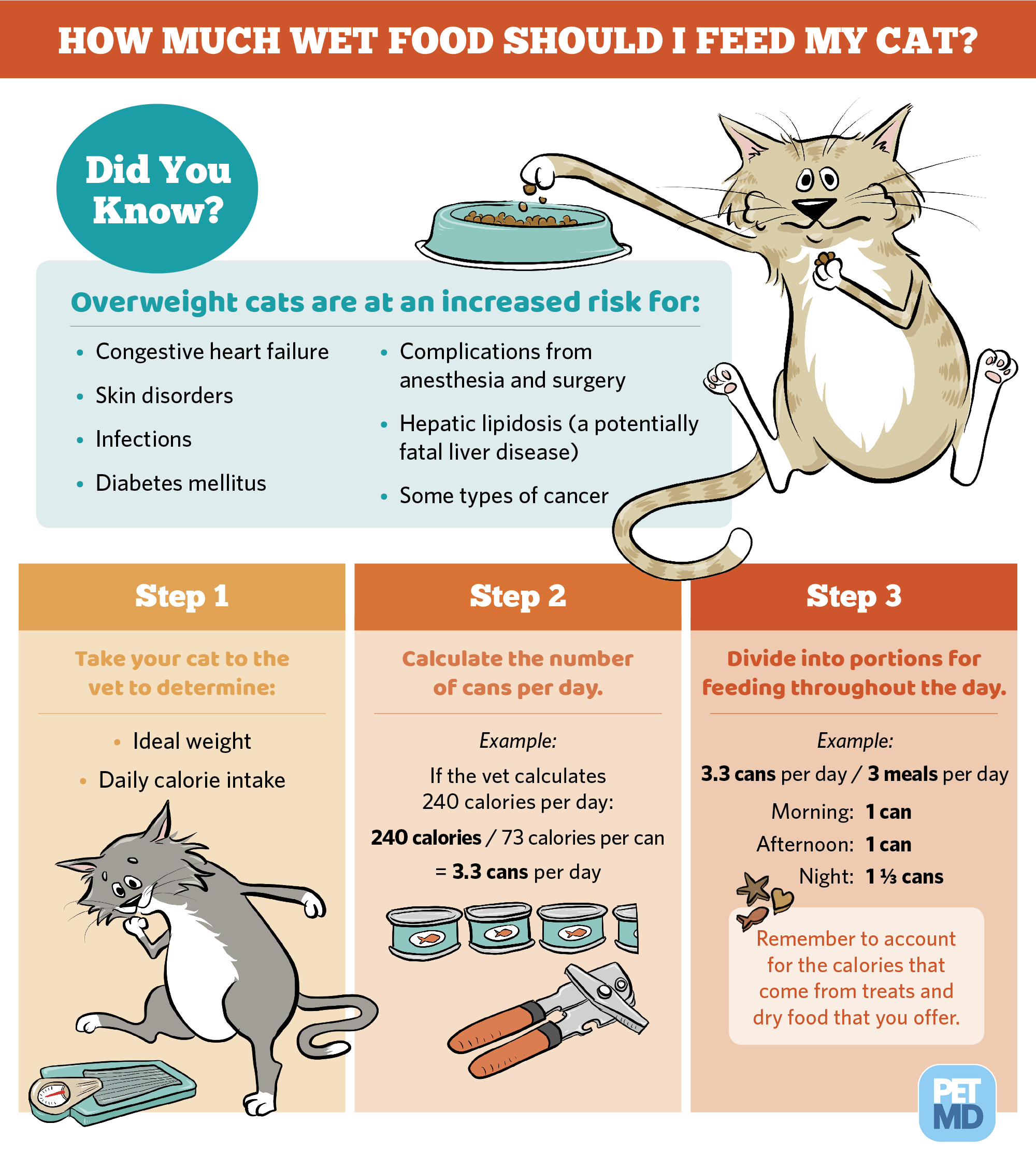
Calculate your cat’s daily food needs by considering its weight, age, and activity level. Typically, one to three cans suffice, depending on these factors. Check the label for specific feeding guidelines to ensure a balanced diet.
Determining how many cans of cat food your feline friend needs each day can feel like a guessing game. But it doesn’t have to be. Understanding your cat’s specific needs will help you make informed decisions and ensure they stay healthy and happy. Let’s break it down step by step.Factors Affecting Food Quantity
Several factors can influence how much food your cat requires. Activity level is a key consideration; more active cats may need more calories. Indoor cats tend to be less active than outdoor cats, potentially needing less food. Health status also plays a role. A cat with a medical condition may require a specific diet. It’s crucial to consult your vet for personalized advice.Age And Life Stage Considerations
A kitten’s dietary needs are vastly different from those of an adult or senior cat. Kittens require more frequent feedings and higher calorie intake for growth. As cats age, their metabolism slows down, and their nutritional needs change. Senior cats may need fewer calories but more nutrients for joint health. Always check the feeding guidelines on the cat food can and adjust as needed.Breed And Size Impact
The size and breed of your cat significantly affect how much they need to eat. Larger breeds like Maine Coons will naturally require more food than smaller breeds like Siamese. Even within the same breed, individual cats may have different appetites. My neighbor’s two Siamese cats, for example, have very different eating habits. One prefers smaller, more frequent meals, while the other likes to eat a larger meal at once. Consider your cat’s unique traits and adjust their feeding schedule accordingly. Have you noticed any changes in their eating habits? It might be time to reassess their needs. Understanding your cat’s daily food needs isn’t just about following the instructions on a can. It’s about knowing your cat and being attentive to their unique lifestyle and health requirements.Understanding Cat Food Labels
Deciphering cat food labels can help determine feeding amounts. Consider your cat’s weight, age, and activity level. Generally, one to two cans daily suffice for most cats.
Understanding cat food labels can be a bit tricky. Yet, knowing how to read them is crucial. It ensures your cat gets the nutrition it needs. Labels provide key details about the food. These include nutritional information, caloric content, and serving size. Let’s dive deeper into each aspect.Nutritional Information
The nutritional information is vital. It tells you what your cat will consume. Look for proteins, fats, and essential vitamins. Cats need animal-based proteins. These are crucial for their health. Fats provide energy and help absorb vitamins. Check for amino acids like taurine. They are necessary for your cat’s heart and eyes. Avoid artificial preservatives and flavors. They can be harmful over time.Caloric Content
Caloric content helps you manage your cat’s weight. It shows how much energy the food provides. Cats have different energy needs. This depends on their age, size, and activity level. A young, active cat needs more calories. An older, sedentary cat needs fewer calories. Always compare the caloric content of different brands. Choose one that fits your cat’s lifestyle.Serving Size Recommendations
Serving size recommendations are often on the label. They guide you on how much to feed your cat. These are based on weight and age. Follow them to avoid overfeeding or underfeeding. Adjust the serving size if your cat gains or loses weight. Always provide fresh water alongside meals. This ensures your cat stays hydrated.Types Of Cat Food
Understanding the types of cat food available is crucial for cat owners. Each type has its own benefits and considerations. Choosing the right one depends on your cat’s needs and preferences.
Wet Vs. Dry Food
Wet food contains more moisture than dry food. This helps keep your cat hydrated. Cats often need this extra water intake. Dry food is more convenient and less messy. It also helps with dental health by reducing plaque buildup.
Benefits Of Canned Food
Canned food is usually higher in protein. This is essential for a cat’s diet. It often contains fewer carbohydrates. This can help manage your cat’s weight. Additionally, the moisture content supports urinary tract health.
Special Dietary Options
Some cats require special diets due to health issues. There are options for cats with allergies or sensitivities. You can find food designed for weight management. Veterinary diets target specific health concerns. Always consult your vet for the best choice for your cat.
Credit: www.fireline.com
Feeding Schedule Tips
Feeding your feline friend can sometimes feel like an intricate puzzle. You want to ensure they get the right amount of nutrition without overfeeding them. A well-planned feeding schedule can help you achieve this balance. It’s not just about pouring food into a bowl; it’s about understanding your cat’s needs and creating a routine that works for both of you. Let’s dive into some practical tips to help you establish a feeding schedule that keeps your cat happy and healthy.
Establishing Routine
Cats thrive on routine. Consistency helps them feel secure and reduces stress. Set fixed times for meals each day. Your cat will soon start looking forward to these moments. Regular feeding times help regulate their digestive system and maintain energy levels. If you often find your cat meowing at you at the same time each day, it’s their way of reminding you about their feeding schedule.
Balancing Portions
Portion control is crucial. Overfeeding can lead to obesity, while underfeeding might leave your cat hungry. Measure out the food based on your cat’s weight and activity level. If you’re unsure, check the label on the cat food packaging for guidelines. Remember, the goal is to provide just enough food to meet your cat’s nutritional needs without excess.
Adjusting For Activity Level
Active cats require more calories than sedentary ones. Observe your cat’s daily activities. Do they spend hours chasing toys, or are they more of a lounge lover? Adjust the food portions accordingly. If your cat seems to be gaining weight or losing energy, it might be time to reevaluate their feeding schedule. Are you considering how the seasons affect their activity level?
Creating a feeding schedule isn’t just about nourishing your cat; it’s about building a routine that enhances their life. With these tips, you can ensure your cat remains healthy, happy, and content. So, how many cans will you serve today?
Signs Of Overfeeding Or Underfeeding
A cat’s ideal food intake varies. Too many cans cause weight gain; too few lead to malnutrition. Monitor their behavior and body condition for signs of overfeeding or underfeeding.
Signs of Overfeeding or Underfeeding your cat can lead to issues. Understanding these signs helps maintain your cat’s health. Proper feeding ensures your feline friend stays active and happy. Overfeeding or underfeeding can disrupt this balance. Let’s explore key indicators of these feeding problems.Weight Fluctuations
Sudden weight changes in your cat could indicate feeding issues. Overfed cats may gain weight quickly. This can lead to obesity. On the other hand, underfed cats might experience weight loss. Regularly monitor your cat’s weight. Notice any drastic changes? Adjust the food portions accordingly. Weight should remain stable over time.Behavioral Changes
Cats show behavior changes when fed improperly. An overfed cat may become lethargic. They might sleep more than usual. Underfed cats often appear restless. They may beg for food frequently. Observe your cat’s behavior closely. It reveals much about their feeding status.Health Implications
Incorrect feeding affects your cat’s health. Overfeeding can lead to diabetes. Heart problems are common in overweight cats. Underfeeding might cause malnutrition. Your cat may suffer from weakened immunity. Regular vet check-ups are crucial. They help spot health issues early. Adjusting food amounts can prevent these problems. Feeding your cat correctly is essential. Recognize signs of overfeeding and underfeeding. Keep your feline friend healthy and happy.Consulting With Veterinarians
Consulting with veterinarians is essential for your cat’s diet. They provide expert advice tailored to your pet’s needs. Cats have unique dietary requirements. Getting professional guidance ensures your cat stays healthy and happy.
Professional Guidance
Veterinarians offer professional guidance on cat nutrition. They understand the specific needs of different breeds. Each cat is unique. A vet can assess your cat’s age, weight, and health. This helps determine the right amount of food. They can suggest the best canned food options. This ensures a balanced diet for your furry friend.
Tailored Nutritional Plans
A tailored nutritional plan is crucial for your cat. Vets create these based on individual health factors. They consider allergies, activity levels, and medical conditions. This personalized approach ensures your cat gets the nutrients it needs. It helps prevent obesity and other health issues. Tailored plans support your cat’s overall well-being.
Regular Health Checkups
Regular health checkups are vital for your cat. They help monitor your cat’s health and diet effectiveness. Vets can adjust the feeding plan as needed. This keeps your cat in optimal health. Checkups also detect early signs of illness. Early detection can prevent serious health problems. Regular visits ensure your cat’s diet remains suitable and effective.

Credit: www.expertcatcare.com
Frequently Asked Questions
How Much Canned Food Should My Cat Eat Per Day?
Feed your cat about 3-4 ounces of canned food per 5 pounds of body weight daily. Adjust based on activity level and veterinary advice. Always ensure fresh water is available.
Are Two Cans Of Food Too Much For A Cat?
Two cans of food may be too much for a cat. Consider factors like the cat’s age, weight, and activity level. Consult with a vet for personalized feeding advice. Adjust portions to maintain a healthy weight and prevent obesity. Always ensure the cat gets balanced nutrition and adequate hydration.
How Many Cans Of Cat Food Daily?
The number of cans depends on your cat’s size and activity. Typically, an average cat needs about one 3-ounce can per 3. 5 pounds of body weight per day. Adjust based on your cat’s health and vet’s advice.
Is One Can Of Cat Food Enough?
For some cats, one can might be sufficient. It depends on the cat’s weight, age, and activity level. Consult your veterinarian to ensure your cat receives the appropriate amount of nutrition.
Conclusion
Feeding your cat the right amount matters. Balancing their diet keeps them healthy. Knowing how many cans a day is key. Start with your vet’s advice. Observe your cat’s weight and activity. Adjust portions as needed. Happy, active cats often eat well.
Signs of overfeeding include weight gain. Underfeeding leads to low energy. Always choose quality cat food. It supports their overall well-being. Remember, every cat is unique. Their needs may vary. Regular check-ups help monitor their health. Your cat deserves the best care.
Proper feeding ensures a long, happy life.