How Much are Cat Vet Bills: Uncovering the Costs
Have you ever wondered just how much those vet bills for your beloved feline friend might be? If you’re a cat owner, you know that taking care of your pet’s health is a top priority.
But what happens when the vet bills start stacking up? The truth is, understanding the cost of cat vet bills can often feel overwhelming, leaving you anxious about potential expenses. But fear not—this article is here to guide you through the essentials, helping you to anticipate and manage those costs effectively.
Imagine having the peace of mind that comes with knowing exactly what to expect when it comes to your cat’s healthcare. By diving into the details, you’ll be equipped with the knowledge to make informed decisions about your pet’s wellbeing without breaking the bank. Stick around to discover how to keep your feline healthy and happy, while also keeping your finances under control. Ready to unlock the secrets behind those vet bills? Let’s get started!

Credit: www.hellogetsafe.com
Common Veterinary Services
When you’re a cat owner, it’s essential to understand the various veterinary services your feline friend may need. These services not only ensure your cat’s health but also impact your budget significantly. Knowing what to expect can help you plan and provide the best care for your furry companion.
Routine Check-ups
Routine check-ups are crucial for maintaining your cat’s overall health. These visits typically involve a physical examination, weight check, and discussions about diet and behavior. Costs can vary, but you might spend anywhere from $50 to $100 per visit. My cat, Whiskers, always seems to know when it’s vet day. Despite the occasional hiss, I’ve found these check-ups invaluable in catching health issues early.
Vaccinations
Vaccinations protect your cat from severe diseases and are a necessary expense. The core vaccines usually include feline distemper, feline herpesvirus, and rabies. Budget around $15 to $50 for each vaccine. When I first adopted Luna, she needed multiple shots to stay healthy. It was a small price to pay for her safety and my peace of mind.
Spaying And Neutering
Spaying or neutering your cat is a one-time cost that can prevent numerous health problems and unwanted behaviors. The procedure can range from $200 to $500, depending on location and clinic. After having Max neutered, I noticed he became more relaxed, and it helped reduce his tendency to wander outside. Have you considered how this procedure could positively affect your cat’s life and your household?
Understanding these common veterinary services can help you prepare for the costs associated with keeping your cat healthy. Consider setting aside funds or exploring pet insurance options to mitigate these expenses. Your proactive approach will ensure your feline friend leads a long, happy life.

Credit: www.reddit.com
Unexpected Medical Expenses
Cat vet bills can catch owners by surprise with costs varying based on treatment. Routine check-ups might be affordable, but emergency surgeries or unexpected illnesses can quickly add up. Budgeting for potential medical expenses helps manage these costs effectively.
Unexpected medical expenses for cats can surprise many pet owners. These costs arise suddenly, demanding immediate attention. Understanding these expenses can help manage your budget better. Let’s delve into three common areas where unexpected costs may occur.Emergency Care
Emergency care bills can be overwhelming. Accidents or sudden illnesses often require urgent veterinary attention. This care may involve diagnostics, medications, and overnight stays. Each adds to the total bill. Emergency visits can range from a few hundred to several thousand dollars. Planning for these events can save stress later.Surgery Costs
Surgery costs are another significant expense. Injuries or health issues might require surgical intervention. These procedures vary in complexity and price. Minor surgeries might be affordable, but complex ones can be costly. The price often includes anesthesia, surgical team fees, and post-operative care. Knowing potential surgery costs helps in financial preparation.Chronic Illness Management
Chronic illness management often requires ongoing treatment. Conditions like diabetes or kidney disease need regular vet visits. Medications, special diets, and routine tests become part of life. These expenses can add up over time. Budgeting for these treatments helps maintain your cat’s health without financial strain.Regional Cost Variations
Cat vet bills can vary widely based on location. Urban areas often have higher costs due to increased overhead. Rural regions might offer lower prices, reflecting local economic conditions.
Understanding the cost of cat vet bills can be a critical part of budgeting for your feline friend’s health care. One major factor affecting these costs is where you live. Regional cost variations can make a significant difference in your vet expenses. Whether you’re in a bustling city, a peaceful rural area, or even another country, vet bills can vary widely. Let’s dive into some key differences.Urban Vs. Rural Pricing
Urban areas often have higher vet costs compared to rural regions. This might be due to the higher operating costs for clinics in cities. Rent, salaries, and other expenses tend to be more in urban settings, which can drive up the price you pay for vet services. In contrast, rural vets might offer lower prices, but there could be fewer specialists available. This means you might need to travel to a city for certain treatments. Consider how easy it is for you to access these services when choosing where to live.International Differences
Have you ever wondered how much a vet visit would cost in another country? Vet bills can vary dramatically from one nation to another. For example, in some European countries, you might find that regular check-ups are more affordable compared to the US. However, specialized treatments could be priced similarly worldwide. It’s essential to research vet costs if you’re planning to relocate internationally. This can help avoid any unpleasant surprises when your cat needs care. Regional cost variations in vet bills are something every pet owner should be aware of. Have you experienced these differences firsthand? It’s always beneficial to share your experiences with other cat owners. Your insights could help someone make informed choices about their pet’s healthcare.
Credit: www.reddit.com
Cost-saving Strategies
Owning a cat can be a delightful experience, but vet bills can sometimes be overwhelming. However, there are effective ways to manage these costs. Let’s dive into some practical strategies that can save you money without compromising your furry friend’s health.
Pet Insurance Benefits
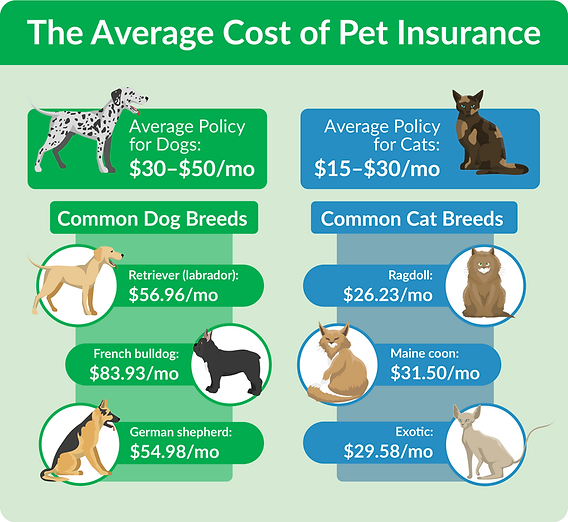
Pet insurance can significantly reduce vet bills. Imagine a sudden illness or accident that requires immediate attention. Insurance can cover a substantial portion of the expenses. Some plans even include routine check-ups. But, is it worth it? Consider the peace of mind knowing that unexpected costs won’t strain your budget.
Preventive Care Importance
Preventive care is crucial for minimizing vet bills. Regular check-ups and vaccinations can prevent costly diseases. Think of dental care as well; neglected teeth can lead to major health issues. Wouldn’t it be better to spend a little now and save a lot later?
Discount Programs And Clinics
Look for discount programs and clinics offering affordable services. Some vet offices provide loyalty discounts or special rates for multiple pets. Community clinics often have lower fees for basic services. Have you checked for local options that could ease your financial burden?
By exploring these cost-saving strategies, you can ensure your cat receives top-notch care without breaking the bank. Isn’t it reassuring to know you can manage vet expenses while keeping your feline friend healthy and happy?
Budgeting For Cat Care
Caring for a cat involves more than just cuddles and playtime. It requires a financial commitment that can catch you off guard if you’re not prepared. Understanding how much cat vet bills can be is crucial for budgeting effectively. It’s not just about the occasional visit to the vet; it’s about creating a comprehensive plan that ensures your feline friend stays healthy and happy throughout their life. Let’s look at how you can estimate these costs and plan for them effectively.
Estimating Annual Costs
Have you ever wondered what the typical yearly vet bill for a cat might be? On average, a routine check-up can cost anywhere from $50 to $100. Vaccinations might add another $50 to $100 annually. However, unexpected illnesses or emergencies can increase your expenses significantly.
Consider your cat’s age and health status. Older cats or those with chronic conditions may require more frequent visits. These could push your annual budget to several hundred dollars. It’s wise to factor in these potential costs early on to avoid financial surprises.
Creating A Financial Plan
How can you create a financial plan that accounts for your cat’s vet bills? Start by setting aside a monthly amount dedicated to cat care. Think of it as a savings account for your pet’s health. This helps you manage routine expenses and be prepared for emergencies.
Consider pet insurance as part of your plan. It might seem like an added expense, but it can save you from larger out-of-pocket costs when unexpected health issues arise. Compare different plans to find one that suits your budget and needs.
Finally, ask yourself, are you ready for the unexpected? Emergency vet visits can be costly. Having a financial cushion can prevent stress and ensure your cat gets the care they need when they need it.
Budgeting for cat care is not just about numbers; it’s about peace of mind. When you plan ahead, you ensure your furry friend stays healthy without financial strain. Are you ready to start planning today?
Long-term Financial Considerations
Budgeting for cat vet bills is essential for long-term financial planning. Routine check-ups, vaccinations, and unexpected emergencies can add up over time. Understanding these costs helps prepare for your feline friend’s health needs.
Long-term Financial Considerations Owning a cat is a rewarding journey, but it comes with its share of financial responsibilities. As your feline friend ages, you might notice an increase in vet bills. Understanding these long-term financial considerations can help you plan better and ensure your cat gets the best care throughout its life.Aging Cat Health Needs
As cats age, their health needs change. They may require more frequent vet visits for regular check-ups or monitoring of chronic conditions like arthritis or kidney disease. These visits can add up, impacting your budget significantly. Preventative care is crucial for older cats. Vaccinations, dental cleanings, and parasite prevention are essential to maintain their health. Consider setting aside a small monthly amount for these anticipated expenses. Have you considered the possibility of your cat needing specialized care? Treatments such as blood work, X-rays, or ultrasounds are common for aging cats and can be quite costly. It’s wise to be financially prepared for these possibilities.Planning For End-of-life Care
Thinking about your cat’s end-of-life care is challenging, but it’s a necessary part of pet ownership. Euthanasia and cremation services can range from $100 to $300 or more, depending on your location and choices. These costs can come unexpectedly if you’re not prepared. Consider creating an end-of-life care plan for your cat. This plan should include financial resources and decisions about your cat’s final days. Discussing this with your vet can provide clarity on potential costs and options. Have you thought about pet insurance as a way to manage these expenses? Some policies cover a portion of end-of-life care costs, providing financial relief during a difficult time. Investigating insurance options early could be beneficial. By thinking ahead and planning financially, you can ensure your cat receives compassionate and comprehensive care throughout its life. What steps can you take today to prepare for these future expenses?Frequently Asked Questions
What Is The Average Yearly Vet Bill For A Cat?
The average yearly vet bill for a cat ranges from $200 to $400. Costs can vary based on location and health needs. Regular check-ups, vaccinations, and unexpected issues can impact expenses. Investing in pet insurance may help manage costs effectively.
Always budget for potential emergencies.
How Much Should Cats Go To The Vet?
Cats should visit the vet at least once a year for a routine check-up. Regular visits ensure vaccinations, dental care, and overall health monitoring. Senior cats or those with health issues may need more frequent visits. Always consult with your veterinarian for personalized advice based on your cat’s specific needs.
How Much Is The Vet For A Cat Without Insurance?
Vet costs for a cat without insurance can range from $50 to $400 per visit. Routine check-ups are usually cheaper, while emergencies or surgeries can be more expensive. Prices vary based on location and services needed. Always budget for unexpected expenses.
How Much Does It Cost To Do A Check-up On A Cat?
A cat check-up typically costs between $50 and $150. Prices vary based on location and services. Always consult your local vet for exact pricing. Routine check-ups help maintain your cat’s health.
Conclusion
Cat vet bills vary based on many factors. Routine check-ups usually cost less. Emergency care often requires more money. It’s important to budget for your cat’s health needs. Pet insurance can help manage unexpected costs. Always consult with your vet for the best care.
They know your pet’s needs best. Remember, keeping your cat healthy saves money long-term. Regular visits catch issues early. Plan ahead to avoid surprise expenses. Your cat deserves the best care possible. Proper planning ensures they stay healthy and happy.
Investing in their health is always worth it.