Can Cats Have Anxiety: Understanding Feline Stress
Have you ever noticed your cat hiding more than usual, or acting skittish without any apparent reason? You might wonder what’s going on in that furry little head.
You’re not alone. As a loving pet owner, you want to ensure your feline friend is happy and healthy. But what if your cat is experiencing something you might not have considered—anxiety? Yes, cats can indeed have anxiety, and understanding it can help you provide better care for your pet.
You’ll discover the signs of anxiety in cats, what might be causing it, and most importantly, how you can help your cat feel more at ease. By reading further, you’ll gain valuable insights into your cat’s behavior and learn practical tips to improve their well-being. So, if you’re curious about your cat’s mental health, or simply want to be prepared for any behavioral changes, keep reading to find out how you can make a difference in your pet’s life.
Feline Anxiety Symptoms
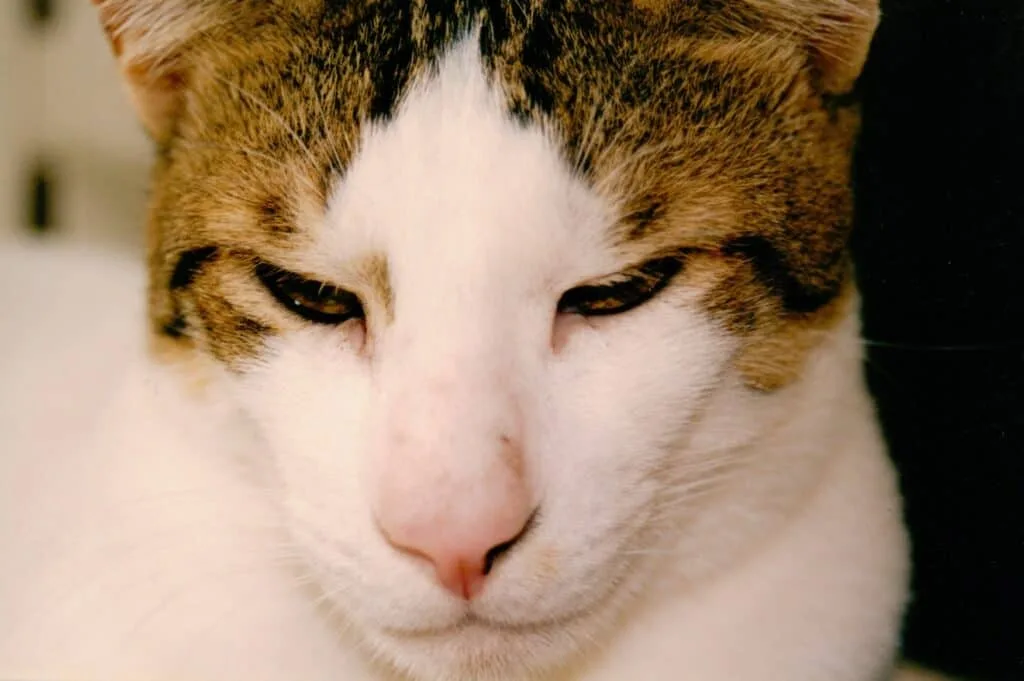
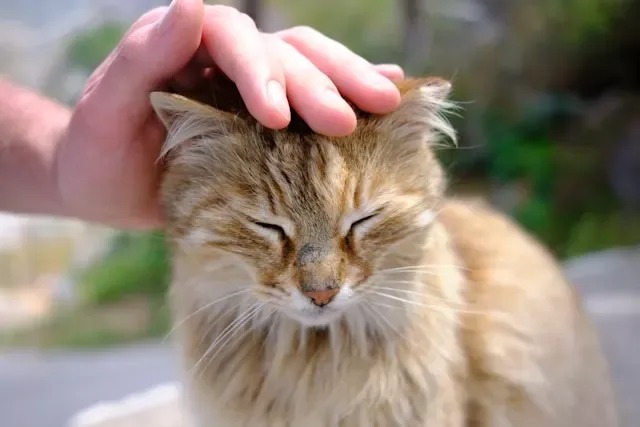
Cats can experience anxiety, showing symptoms like excessive grooming, hiding, or aggression. Changes in environment often trigger stress. Understanding feline behavior is key to managing anxiety effectively.
Understanding the symptoms of anxiety in cats is crucial for ensuring their well-being. Just like humans, cats can experience anxiety, and it often manifests in various ways. Recognizing these signs can help you take the necessary steps to ease your feline friend’s discomfort. Let’s delve into some of the common symptoms that indicate your cat might be experiencing anxiety.Behavioral Changes
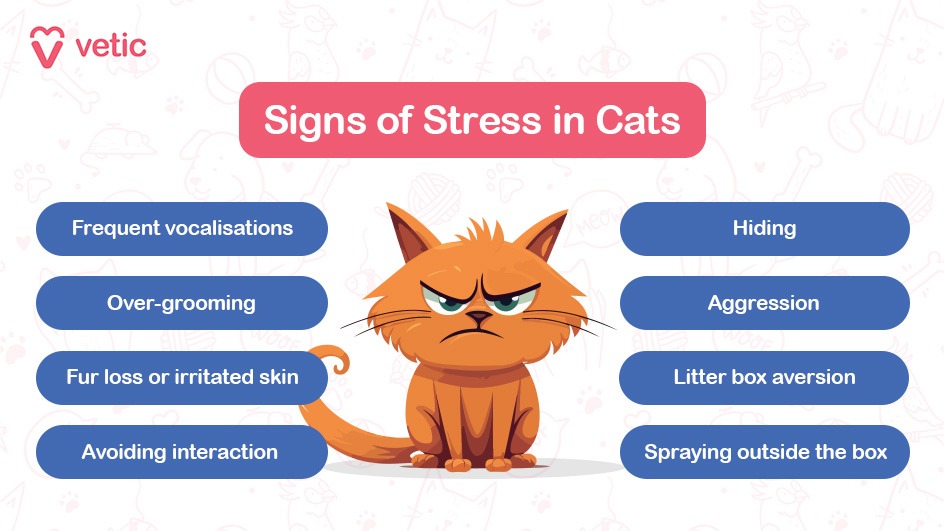
Cats are creatures of habit, so sudden changes in behavior can be a red flag. You might notice your cat hiding more than usual or becoming unusually aggressive. A once-social cat might start avoiding interaction or become clingy and overly dependent. These shifts in behavior can be subtle or quite pronounced, and keeping a keen eye can help you detect them early.Physical Signs
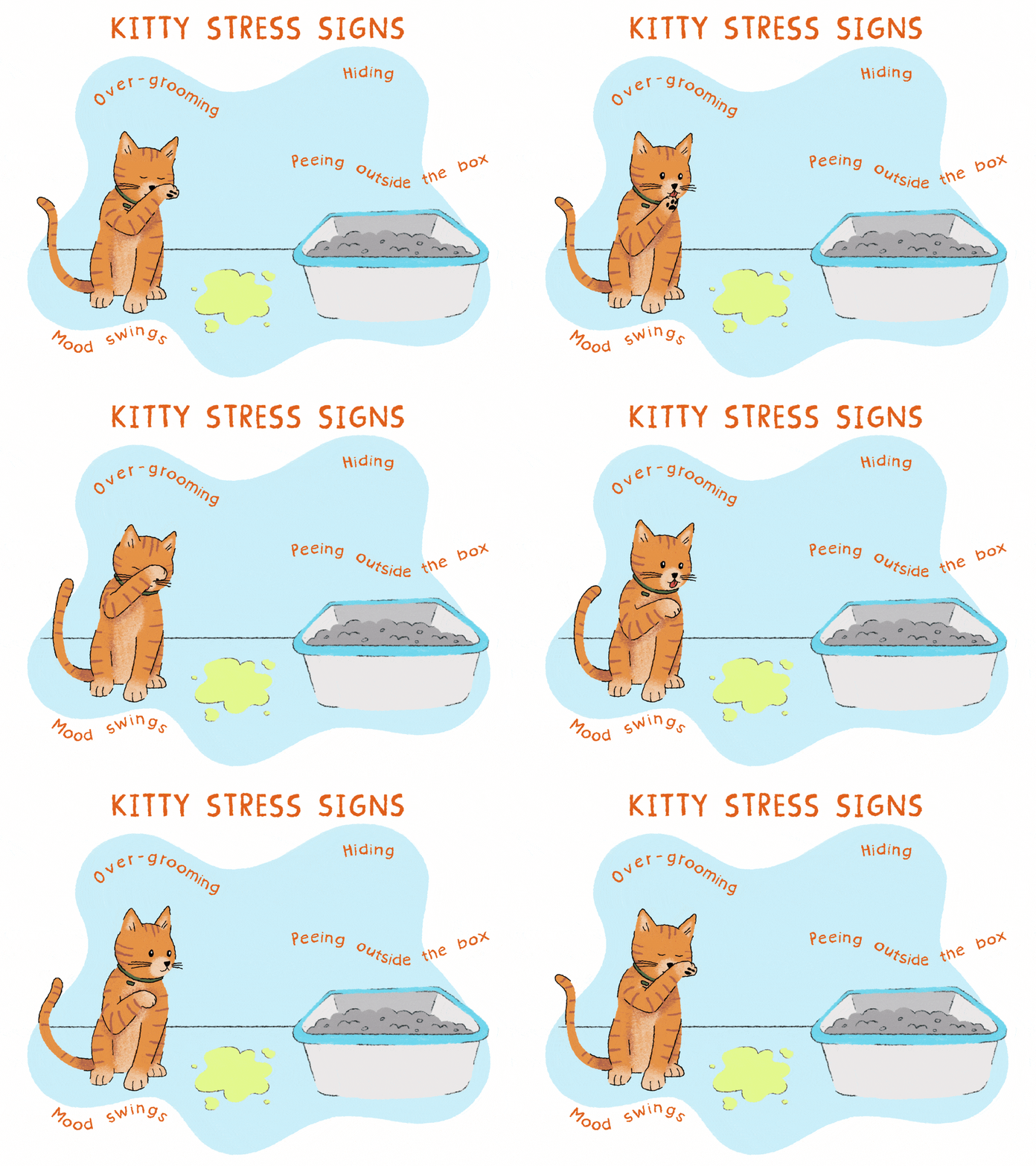
Physical symptoms of anxiety in cats are often overlooked but are quite telling. Your cat may experience digestive issues like vomiting or diarrhea. Excessive grooming, which can lead to bald spots, might also occur. These physical signs can sometimes mimic other health issues, so it’s important to consult a vet if you’re unsure.Vocalization Patterns
Have you noticed your cat meowing more than usual or making unusual sounds? Changes in vocalization can be a sign of anxiety. Cats may yowl or cry at odd hours, seeking attention or expressing discomfort. Pay attention to these vocal cues, as they can provide insights into your cat’s emotional state. Have you ever wondered why your cat suddenly starts meowing incessantly at night? It could be anxiety. Observing these patterns can be a game-changer in understanding your pet’s needs. By staying attentive to these symptoms, you can make a significant difference in your cat’s life. Remember, your observations are vital in helping your feline companion live a happier, stress-free life.
Credit: www.thesprucepets.com
Common Causes Of Cat Anxiety
Cats can experience anxiety due to changes in their environment, separation from owners, or unfamiliar noises. These factors may trigger stress, leading to behaviors like hiding or excessive grooming. Understanding these causes can help in soothing a cat’s anxious mind.
Cats, much like humans, can experience anxiety. Understanding what triggers this anxiety is crucial for ensuring your feline friend’s well-being. Several common causes can lead to anxiety in cats, ranging from environmental factors to social dynamics and even underlying medical conditions. Identifying these causes can help you take proactive steps to alleviate your cat’s stress.Environmental Stressors
Cats are creatures of habit. Even minor changes in their environment can unsettle them. Imagine moving furniture or bringing in new household items; these changes can confuse your cat. Loud noises, such as construction or thunderstorms, can also induce anxiety. A personal experience might resonate: I once had to rearrange my living room, and my cat spent days hiding under the bed, refusing to eat. It made me realize how sensitive cats are to their surroundings. Think about your cat’s favorite spot. Is it disrupted? Are there new smells or unfamiliar people? These factors can contribute to your cat’s stress levels.Social Factors
Cats can be social creatures, but their interactions can sometimes be a source of anxiety. If you have multiple pets, observe their dynamics. Are there signs of aggression or dominance? A new pet or family member can also affect your cat’s mood. When my friend adopted a puppy, her cat started acting out, clawing at furniture and avoiding the family. It’s vital to ensure your cat feels secure and not threatened by new additions to the household. Consider how you interact with your cat. Are you giving it enough attention? Or maybe too much? Striking the right balance is key to reducing anxiety.Medical Conditions
Sometimes, anxiety isn’t just about what’s happening externally. Cats can suffer from medical conditions that manifest as stress or anxiety. Health issues like hyperthyroidism or chronic pain can lead to behavioral changes. It’s essential to monitor your cat’s health regularly. Is it eating less or grooming excessively? These could be signs of underlying medical problems. Consulting a vet can provide insights into whether your cat’s anxiety is rooted in a health issue. Addressing medical concerns can significantly improve your cat’s quality of life. — Addressing these common causes of anxiety can help you create a calmer environment for your cat. What steps have you taken to ensure your cat feels secure? Share your experiences and insights.Impact Of Anxiety On Cat Health
Cats can experience anxiety, impacting their health significantly. Symptoms may include excessive grooming or appetite changes. Understanding signs of stress in felines helps ensure their well-being.
Cats, like humans, can experience anxiety, and this can significantly impact their health. Anxiety in cats is not just about feeling stressed; it can lead to a range of health issues. Understanding how anxiety affects your cat’s physical and mental well-being is crucial for ensuring their overall health and happiness.Physical Health Consequences
Anxiety can manifest in cats through various physical symptoms. You might notice your cat grooming excessively, leading to bald spots or skin infections. This behavior is often a coping mechanism for stress. Digestive issues are another common consequence. Your cat may suffer from vomiting or diarrhea. These symptoms can be distressing for both you and your pet and may lead to dehydration or other serious health problems. Weight changes are also a concern. Some cats eat less due to anxiety, losing weight and becoming undernourished. Others may eat more, leading to obesity and related health issues. Monitoring your cat’s eating habits can help you spot these changes early.Mental Well-being
Anxiety doesn’t just affect your cat’s body; it impacts their mental state too. Your cat may become withdrawn, avoiding interactions and hiding more often. This behavior can reduce their quality of life, making them miss out on social interactions and play. Aggression is another sign of anxiety. A cat that was once gentle may start hissing or scratching. This change in behavior can be challenging for you and affect the bond you share with your pet. Cats may also suffer from depression due to anxiety. You might notice a lack of interest in activities they once enjoyed. This can lead to a sedentary lifestyle, contributing further to physical health issues. Consider whether your cat is showing signs of anxiety. How can you help them feel more secure and comfortable? Recognizing these impacts early can lead to effective interventions, improving your cat’s overall well-being.Identifying Triggers
Cats, much like humans, can experience anxiety, and identifying triggers is crucial in helping them feel more comfortable. Understanding what sets off your feline friend’s nerves can prevent unnecessary stress. Let’s dive into some common triggers that could be affecting your cat’s mental well-being.
Daily Routine Disruptions
Cats thrive on routine. They love predictability. If you suddenly change their feeding schedule or the time you play with them, it can cause anxiety. Imagine the confusion your cat feels when their world doesn’t follow the usual pattern. One day, I decided to rearrange my work hours, and my cat seemed unusually restless. It made me realize how much she relied on our daily rhythm.
Be mindful of these disruptions. Try to maintain a consistent routine as much as possible. If you need to change it, do so gradually and observe your cat’s response. How does your cat react to changes in their daily schedule?
Changes In Environment
A new piece of furniture or moving to a different home can unsettle your cat. Even a slight change, like a new scent in the house, can be a big deal for them. When I introduced a new couch, my cat refused to sit on it for days. It was a clear sign of her discomfort with change.
Introduce changes slowly. Allow your cat time to explore and adjust at their own pace. Do you notice your cat hiding more often after an environmental change?
Interaction With Other Pets
Introducing a new pet or even a temporary visitor can be stressful for your cat. Cats can be territorial and may feel threatened by another animal. When my neighbor’s dog visited, my cat retreated to her favorite hiding spot. It was evident she was anxious about the unfamiliar presence.
Monitor interactions between your pets. Ensure each animal has their own space and time to themselves. How does your cat behave when another pet enters their territory?
Understanding these triggers can help you create a more harmonious environment for your cat. Pay attention to their behavior. Your observations can lead to a happier, healthier pet.
Managing And Reducing Anxiety
Cats, like humans, can experience anxiety. Managing and reducing anxiety in cats is essential for their well-being. A stressed cat may show changes in behavior, such as hiding or aggression. Helping your cat feel calm and secure can improve their quality of life. Let’s explore effective ways to manage and reduce anxiety.
Creating A Safe Space
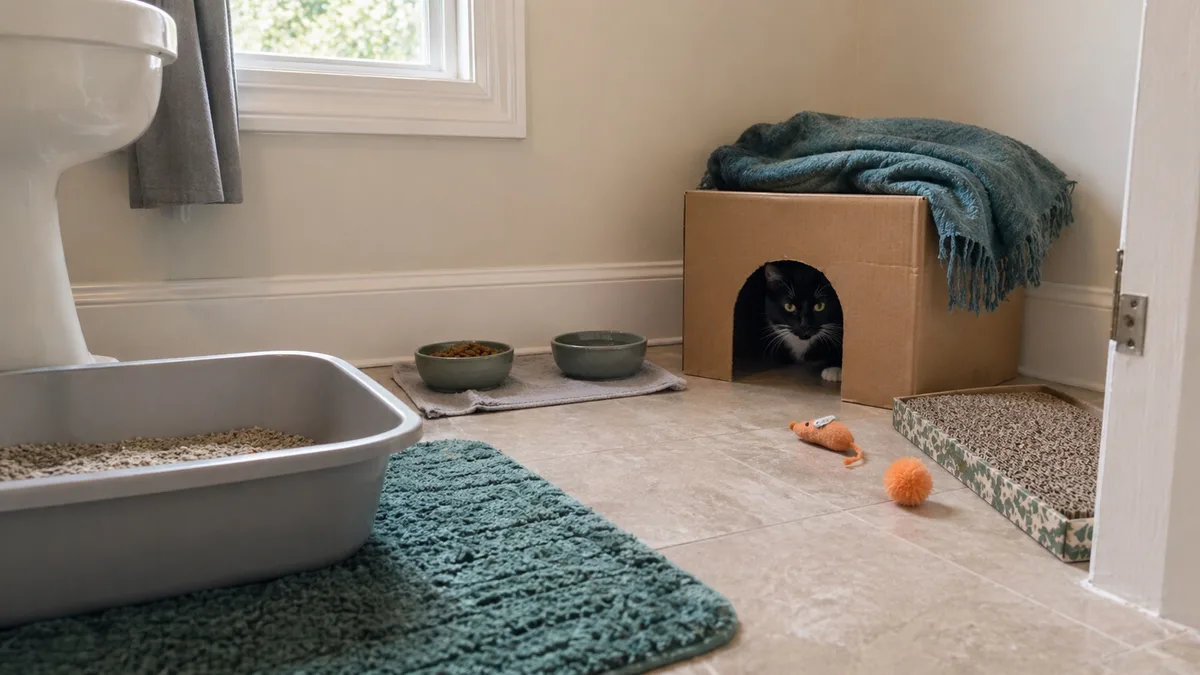
A safe space provides comfort to anxious cats. This can be a quiet room or a cozy corner. Place their bed, toys, and litter box there. Keep the area calm and free from loud noises. Familiar items can help them feel more secure. Ensure the spot is easily accessible, so they can retreat there anytime.
Regular Play And Exercise
Engaging in regular play helps reduce anxiety. Interactive toys can stimulate their mind and body. Play sessions should last at least 15 minutes. They offer a healthy outlet for pent-up energy. Exercise also helps them maintain a healthy weight. Use toys like feathers or balls to encourage movement.
Use Of Calming Products
Calming products can support an anxious cat. Feline pheromones are available as diffusers or sprays. They mimic natural calming signals. Herbal remedies like catnip or valerian may also help. Consult your vet before trying new products. Sometimes a little extra help can make a big difference.
Seeking Professional Help
Understanding feline anxiety can be challenging for cat owners. Recognizing when to seek professional help is crucial. Cats show anxiety in various ways. They might hide, become aggressive, or avoid the litter box. Professional intervention can ease these issues. Here’s how experts can help your anxious feline friend.
Veterinary Consultation
A veterinarian is the first expert you should consult. They can rule out medical issues causing anxiety. Sometimes, anxiety results from pain or illness. A thorough check-up is necessary. The vet might suggest blood tests or X-rays. These tests ensure your cat’s health is optimal.
Vets can also recommend anxiety medications. These are safe for cats and can calm their nerves. Medication is usually a temporary solution. It helps manage symptoms while addressing root causes.
Behavioral Therapy
Behavioral therapy can address anxiety triggers directly. Animal behaviorists specialize in this area. They observe and analyze your cat’s behavior. This helps identify what causes stress.
Therapists create a customized plan for your cat. This plan includes techniques like desensitization. This method gradually exposes cats to anxiety triggers. Over time, they become less reactive. Consistency is key in behavioral therapy.
Training sessions can also be useful. These sessions teach cats new coping mechanisms. Positive reinforcement is a common technique. It rewards calm behavior, encouraging more of it. Patience is crucial as behavioral change takes time.
Preventive Measures
Cats can experience anxiety, much like humans. Providing a safe, quiet space and maintaining a routine helps. Interactive toys and regular playtime ease stress.
Anxiety in cats is more common than you might think, and taking preventive measures can make a significant difference in your feline friend’s well-being. Just as we take steps to ensure our own mental health, being proactive about your cat’s emotional health can prevent issues before they arise. Let’s dive into some practical strategies that can help keep your cat calm and content.Maintaining Consistency
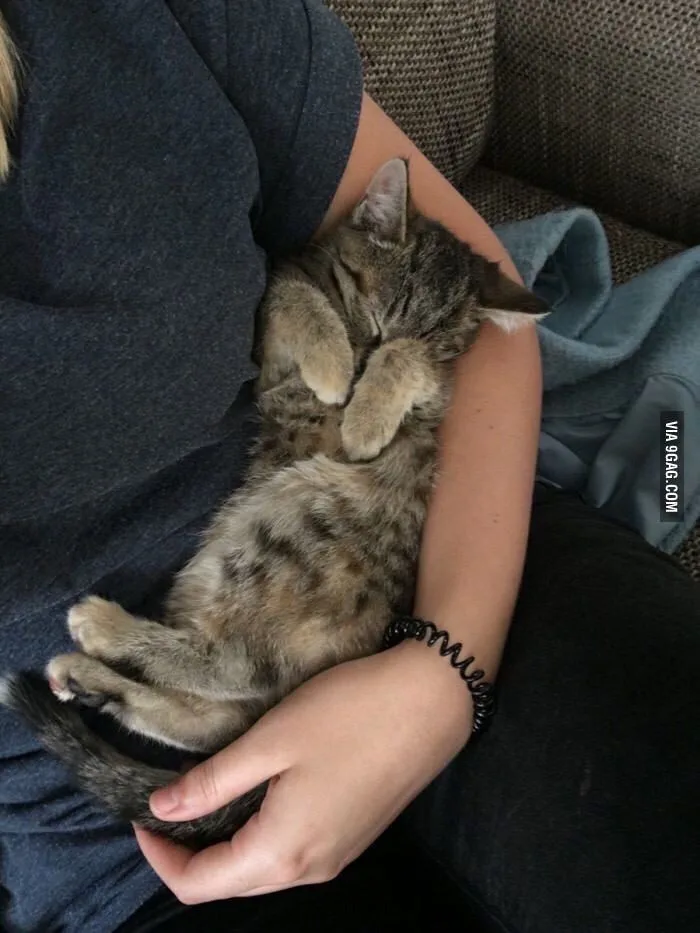
Cats thrive on routine. Regular feeding times, play sessions, and bedtimes help them feel secure. Imagine if your daily routine changed without warning. You’d feel unsettled, right? Your cat feels the same. Aim to keep their environment and schedule as stable as possible. This consistency can be a comforting anchor in their life.Early Socialization
The experiences a cat has early in life can shape their personality. If you have a kitten, expose them to various environments, people, and other pets safely. I remember when I introduced my kitten to different rooms and noises gently. It helped him grow into a confident adult cat. Even for older cats, gradual exposure to new experiences can aid in reducing anxiety. Small, positive interactions build a world of trust.Monitoring Health
Physical health and mental health are deeply connected. Regular vet check-ups can catch health issues that might cause stress. A toothache or an upset stomach can easily turn into anxiety. Keep an eye on their appetite, litter box habits, and general behavior. If you notice any changes, consult your vet. Sometimes, the root of anxiety is a simple health issue that can be treated. Preventive measures are about creating a safe and predictable world for your cat. What steps will you take to ensure your cat feels secure?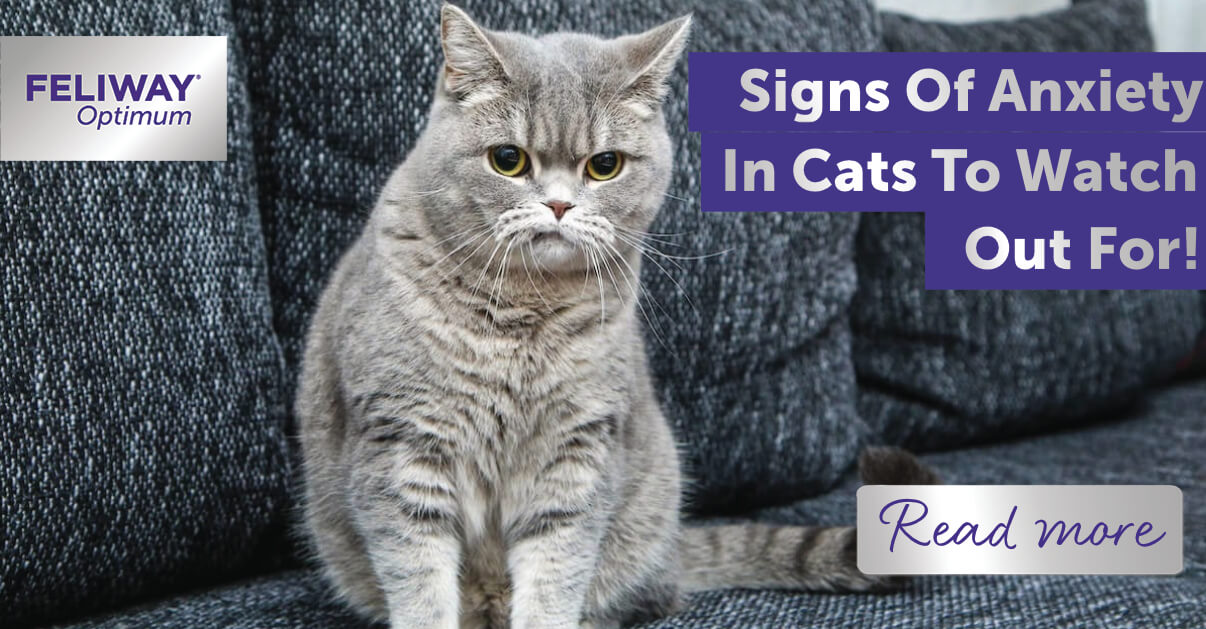
Credit: us.feliway.com

Credit: www.pawmaw.com
Frequently Asked Questions
What Are Signs Of Anxiety In Cats?
Cats show anxiety through excessive grooming, hiding, aggression, or vocalization. Changes in appetite or litter box habits also indicate stress.
How To Calm Cat Anxiety?
Create a calm environment with quiet spaces. Use pheromone diffusers to soothe your cat. Offer interactive toys and regular playtime. Maintain a consistent routine to reduce stress. Consult a vet for anxiety-specific treatments if needed.
Can A Cat Have Separation Anxiety?
Yes, cats can have separation anxiety. They may show signs like excessive meowing, destructive behavior, or loss of appetite. Providing engaging toys and a comfortable environment can help ease their anxiety. Gradual desensitization to alone time can also be beneficial for a cat experiencing separation anxiety.
Will A Cat Stop Eating If Stressed?
Yes, stress can cause a cat to stop eating. Common stress triggers include changes in environment, routine, or illness. Monitor your cat’s behavior and consult a vet if it continues not to eat. Ensuring a calm environment can help alleviate stress and encourage eating.
Conclusion
Cats can experience anxiety just like humans. Recognizing the signs is crucial. Look for changes in behavior or appetite. Consult your vet for advice and treatment. There are calming solutions available. Try creating a peaceful environment at home. This can help reduce stress.
A happy cat is a healthy cat. Show them love and attention daily. It makes a big difference. Understanding their needs is key. Your cat will appreciate your care. Remember, a little effort goes a long way. Keep learning about your feline friend.
They rely on you for comfort and security.

Similar Posts