What Kind of Cat Litter is Best for Ice: Expert Insights
Have you ever found yourself stuck with icy sidewalks or driveways during the winter months? You’re not alone!
As you search for solutions to make those slippery surfaces safer, you might wonder, “What kind of cat litter is best for ice? ” Believe it or not, cat litter can be a clever and cost-effective tool in your winter arsenal.
But not all cat litters are created equal when it comes to melting ice or providing traction. You’ll discover which types of cat litter are most effective for battling ice, and why some are better than others. Imagine walking confidently on your driveway without the fear of slipping, all thanks to a simple household item. You owe it to yourself to find the perfect cat litter that transforms your icy troubles into a walk in the park. Keep reading to uncover the secrets that will keep you safe and sound this winter!

Credit: www.leoalmanac.org
Understanding Ice Melting Needs
Choosing the right cat litter can help with ice melting needs. Clay-based cat litter absorbs moisture effectively, making it ideal for icy surfaces. Its coarse texture provides traction, reducing slipperiness on walkways.
Understanding how to melt ice effectively is crucial for safety and convenience, especially during the harsh winter months. You might wonder why cat litter is often recommended for melting ice. The answer lies in its unique properties that can aid in both traction and melting. Let’s delve into the specifics to help you choose the best type of cat litter for your icy sidewalks and driveways.Ice Types And Characteristics
Different types of ice require different approaches for melting. Regular ice forms from water freezing, while black ice is a thin, nearly invisible layer that forms on roads and sidewalks, making it especially dangerous. Each type demands a different strategy for melting and traction. Understanding the characteristics of the ice you are dealing with is essential. Regular ice might be thicker and easier to see, while black ice requires more attention due to its slippery nature. Knowing the type of ice can guide you in selecting the right cat litter with properties that best meet your needs.Environmental Considerations
When selecting cat litter for ice melting, it’s crucial to think about the environmental impact. Clay-based litters might offer excellent absorption, but they can be harsh on the surrounding soil and plants. Choosing biodegradable or environmentally friendly options can reduce potential harm to your garden and local wildlife. Consider how the litter will interact with your environment. Some biodegradable litters, like those made from corn or wheat, can effectively provide traction while being gentle on the earth. Do you prioritize eco-friendliness in your choices? If so, exploring these options might align with your values and needs. By understanding your ice melting needs and weighing the environmental factors, you can make informed decisions. Choose a cat litter that not only addresses your immediate safety concerns but also aligns with your environmental values.Cat Litter As An Ice Melting Agent
Many people discover surprising uses for everyday household items. Cat litter is one of them. It’s not just for your feline friend. It can help melt ice during winter months. This is a practical alternative to traditional salt-based ice melts. Cat litter is a versatile solution for icy driveways and sidewalks. It provides traction and absorbs moisture. Let’s explore how cat litter functions as an ice melting agent.
Composition And Properties
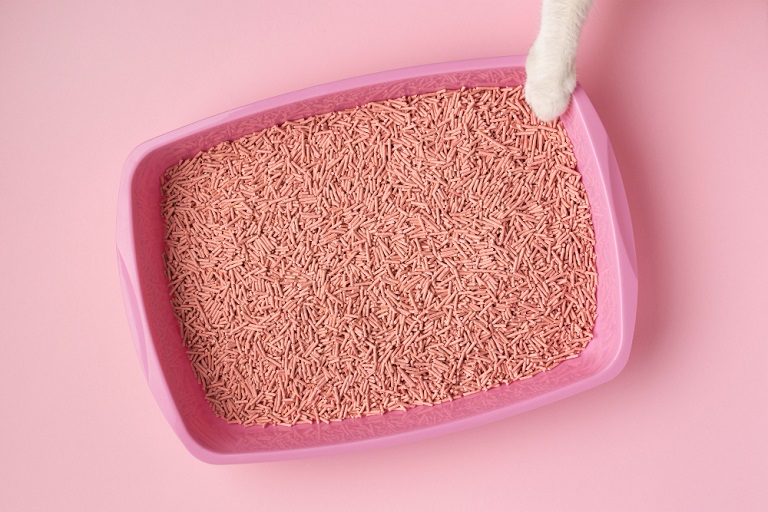
Cat litter is made from materials that absorb moisture. Most cat litters are clay-based. Some are made from silica, corn, or recycled paper. Clay-based litters are most common for melting ice. They have excellent absorption capabilities. The granular texture provides traction on slippery surfaces. It doesn’t dissolve like salt. Instead, it creates a layer that helps prevent slipping.
Silica-based litters are different. They absorb moisture but are less effective for traction. Corn-based litters are biodegradable. They are less common for ice melting purposes. The composition of cat litter impacts its effectiveness in icy conditions.
Comparative Effectiveness
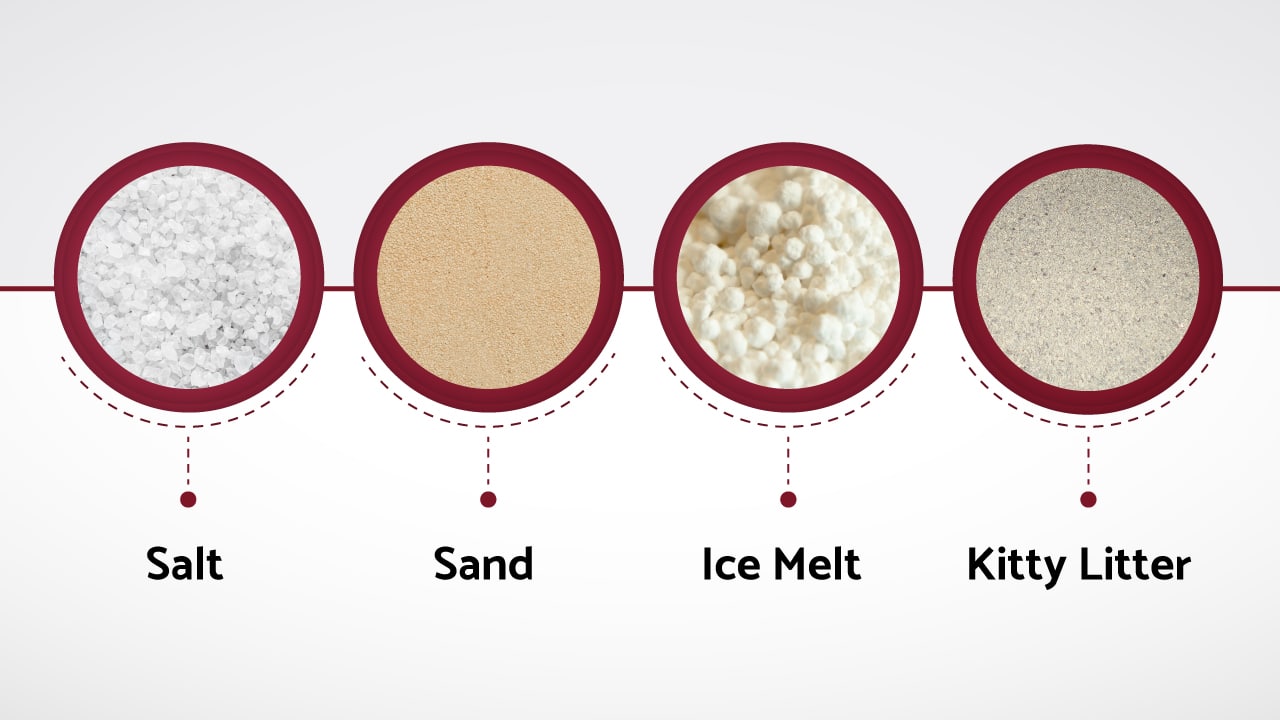
Traditional ice melts rely on salt. Salt lowers the freezing point of water. It is highly effective for melting ice. But it can damage concrete and plants. Cat litter provides a safer alternative. It doesn’t harm surfaces or vegetation. It is less effective at melting ice than salt. But it offers good traction on ice and snow.
Cat litter works well in combination with other ice melts. It can be sprinkled over salt-treated areas. This enhances traction without risking damage. Cat litter alone may not melt thick ice efficiently. But it is handy for shallow icy spots. It is a practical choice for environmentally conscious homeowners.
Types Of Cat Litter Suitable For Ice
When winter arrives, many people face the challenge of dealing with icy walkways and driveways. Surprisingly, cat litter can be a handy solution for improving traction on ice. Choosing the right type of cat litter can make a significant difference. Let’s explore some options that are effective for ice.
Clay-based Litter
Clay-based litter is a popular choice for many cat owners. Its coarse texture helps provide traction on icy surfaces. When spread over ice, it helps prevent slipping by adding grip. You might have experienced this during a particularly icy winter. As you sprinkle clay litter on your driveway, notice how it creates a safer path.
However, be mindful that clay litter can become muddy when wet. Use it sparingly, especially in areas where water might collect. This option is best for temporary fixes rather than long-term solutions. How often do you find yourself reaching for clay litter during unexpected snowfall?
Silica Gel Litter
Silica gel litter is known for its moisture-absorbing properties. While designed to keep cat boxes dry, it can also work wonders on ice. Its crystalline structure offers excellent traction, making it a reliable choice for icy patches. Imagine walking down your driveway and feeling confident, thanks to the silica gel litter you’ve spread.
Besides its traction benefits, silica gel litter doesn’t get as messy as clay. It remains effective even in slightly damp conditions. Consider adding this to your winter toolkit for an easy and clean solution. Could silica gel be the unexpected hero of your winter routine?
Biodegradable Options
For those who care about the environment, biodegradable cat litter is a fantastic choice. These litters are usually made from recycled paper, corn, or wood. They offer decent traction and break down naturally, reducing environmental impact.
One snowy morning, you might find yourself appreciating the biodegradable litter on your walkway. As it provides grip, it also aligns with your eco-friendly values. These options are perfect for those seeking sustainable solutions. Are you ready to switch to an environmentally friendly ice-busting method?
Choosing the right cat litter for ice is a practical decision that can enhance safety during winter months. Consider your priorities—whether it’s effectiveness, cleanliness, or environmental impact—and select a litter that best suits your needs. Which type will you try out this winter?
Credit: tractionmagic.com
Expert Insights On Cat Litter
Choosing the right cat litter is not just a matter of convenience for your feline friend; it can also be a surprisingly effective tool when dealing with icy sidewalks. But with so many options on the market, how do you decide which type is truly the best? Let’s dive into expert insights on cat litter to guide your choice.
Environmental Impact
Cat litter isn’t just about your pet; it’s also about the planet. Clay-based litters, though popular, are not biodegradable and contribute to landfill waste. On the other hand, plant-based litters made from materials like corn or wheat offer a more eco-friendly alternative.
Have you considered the impact of microplastics? Some synthetic litters can release these tiny particles, harming marine life. Opting for a natural litter reduces this risk significantly. Are you ready to make a choice that benefits both your cat and the environment?
Cost-benefit Analysis
Cost is always a factor, but what about value? While clay litters are often cheaper upfront, their environmental cost can be high. Natural litters might seem pricey, but they often last longer, reducing the need for frequent replacements.
Think about the hidden savings. Natural litters are often lighter, saving on transport costs if you order online. Plus, they tend to produce less dust, which means less cleaning and less respiratory irritation for both you and your pet.
Have you noticed how some litters clump better than others, making cleanup easier? This can save you time and effort—valuable commodities in your busy life. Are you willing to spend a bit more now to enjoy these long-term benefits?
Your choice of cat litter can impact not only your daily routine but also the world around you. Are you ready to make a decision that reflects your values and priorities?
Practical Tips For Using Cat Litter
Choosing the right cat litter for icy conditions helps prevent slipping. Opt for clay-based litter for effective traction. It provides a gritty surface, reducing the risk of falls on ice.
When winter hits and icy sidewalks become a daily challenge, cat litter can be a surprising ally. Many people don’t realize that certain types of cat litter can provide traction on slippery surfaces. If you’ve ever experienced the terror of slipping on an icy path, you know how crucial it is to find a quick solution. While rock salt is commonly used, it can be harsh on surfaces and the environment. Cat litter offers a more gentle alternative. But before you rush to sprinkle it everywhere, it’s essential to know how to use it effectively and safely.Application Techniques
First, ensure the area is clear of snow. Cat litter works best when applied directly to ice. Choose a litter with a coarse texture, like clay-based types, as they provide better grip. Spread it evenly across icy patches, focusing on walkways and driveways. You can use a small shovel or a cup to distribute it, ensuring a thin layer covers the ice. Too much litter can become messy when it absorbs water. If you’ve ever used too much and found yourself with a muddy mess, you know less is often more.Safety Precautions
Not all cat litters are created equal. Avoid using clumping varieties as they can turn into a sticky mass when wet, creating a new hazard. Always check the packaging to ensure it’s suitable for outdoor use. Consider pets and wildlife. Some litters contain chemicals that might be harmful if ingested. Choose a natural, non-toxic option to keep your furry friends safe. Have you ever thought about the environmental impact? Traditional litters may not be biodegradable. Opt for eco-friendly brands to minimize your footprint. By using these tips, you can make your winter safer and avoid those nerve-wracking slips. What are your go-to winter safety hacks?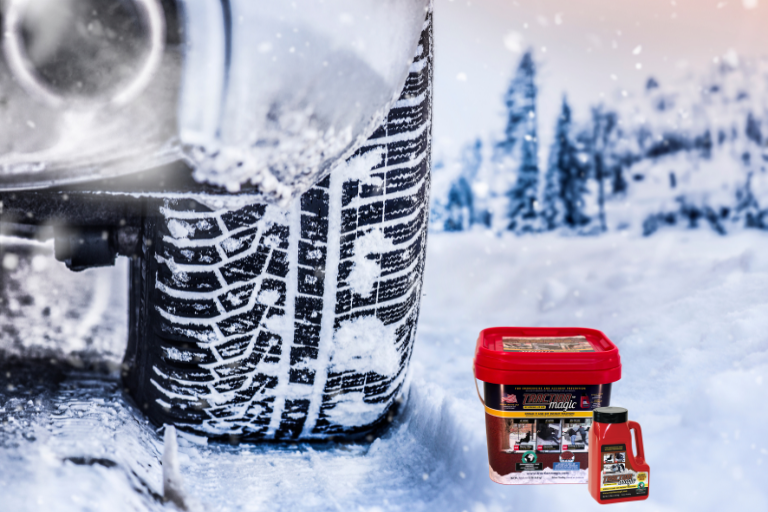
Credit: tractionmagic.com
Alternative Ice Melting Solutions
Natural cat litter works well for melting ice. Brands made from clay or sand provide traction and help break down ice. Choose unscented options to ensure safety for pets and the environment.
When winter arrives, icy pathways become a common challenge. Many people are surprised to learn that cat litter can be an effective alternative ice melting solution. But not all cat litters are created equal. Some work better than others in providing traction and melting ice. Let’s explore different methods to tackle the ice problem, highlighting traditional approaches and newer, innovative products.Traditional Methods
You might have used salt as the go-to solution for ice. It’s cheap and readily available. However, it can cause damage to your driveway and plant life over time. Sand is another classic choice. It doesn’t melt ice, but it provides traction. Be prepared for a bit of a mess as it gets tracked into your home. Some people turn to ashes from their fireplace. This method gives traction and a bit of melting power. However, it can be dirty and tricky to clean up.Innovative Products
Have you tried using clay-based cat litter? It’s excellent for traction. Just sprinkle it over icy patches, and you’ll feel the grip. Consider silica gel litter. It’s not only for traction but also absorbs moisture, reducing the refreezing risk. Biodegradable litters made from materials like corn or wheat are gaining popularity. They offer traction and are eco-friendly, a win-win! What about experimenting with a mix of these products? Combining traditional methods with innovative products can often yield the best results. Have you found a unique method that works for your icy driveway? Share your insights with your community. Choosing the right cat litter for ice is about understanding your specific needs and environment. By being open to trying new solutions, you might just discover the perfect fix for those slippery winter woes.Frequently Asked Questions
Will Cat Litter Work On Ice?
Cat litter can improve traction on icy surfaces. Opt for non-clumping, biodegradable litter for best results. It absorbs moisture, reducing slipperiness. Avoid clay-based litter, which can become slippery when wet. While effective, it won’t melt ice like salt. Always use caution and consider combining with other de-icing methods.
Is Cat Litter Good For An Icy Driveway?
Cat litter can provide traction on icy driveways. Choose non-clumping, biodegradable types for best results. Avoid clay-based litter, as it can become slippery when wet. Using cat litter is a quick, eco-friendly solution for improved safety on icy surfaces.
Is Salt Or Cat Litter Better For Ice?
Salt melts ice effectively by lowering its freezing point. Cat litter provides traction but doesn’t melt ice. For melting ice, salt is the better choice. Use cat litter for added traction on icy surfaces. Always apply sparingly to minimize environmental impact.
Can You Put Kitty Litter On Top Of Ice?
Yes, you can put kitty litter on ice. It provides traction and helps prevent slipping. Use non-clumping, clay-based litter for best results. Avoid clumping litter as it can become messy. Always consider eco-friendly alternatives like sand or gravel for environmental safety.
Conclusion
Choosing the right cat litter for ice is crucial. It ensures safety and effectiveness. Clay-based litters work well on ice. They provide traction and melt ice quickly. Avoid litters with harmful chemicals. They can harm pets and the environment. Natural litters like sand or gravel offer eco-friendly options.
Always check local regulations on litter use. Experiment to find what works best for you. Remember, safety first during icy conditions. Keep paths clear and safe for everyone.