Are Cat Worms Contagious to Humans: Essential Facts
Imagine this: you’re cuddling with your furry feline friend, enjoying a quiet evening at home. But then, a thought crosses your mind—are cat worms contagious to humans?
It’s a question that can make any pet owner uneasy. After all, your health and your family’s well-being are top priorities. Understanding the risks and knowing how to protect yourself can bring peace of mind. You’ll discover whether these pesky parasites can jump from cats to humans and what steps you can take to keep everyone safe.
Stay with us to unravel the facts and myths about cat worms and your health.
Credit: www.petshed.com
Types Of Cat Worms
Cats can carry different types of worms. These worms can affect their health. Some worms can spread to humans. Knowing the types of worms is important. It helps in keeping both cats and humans safe. Let’s look at the most common types.
Roundworms
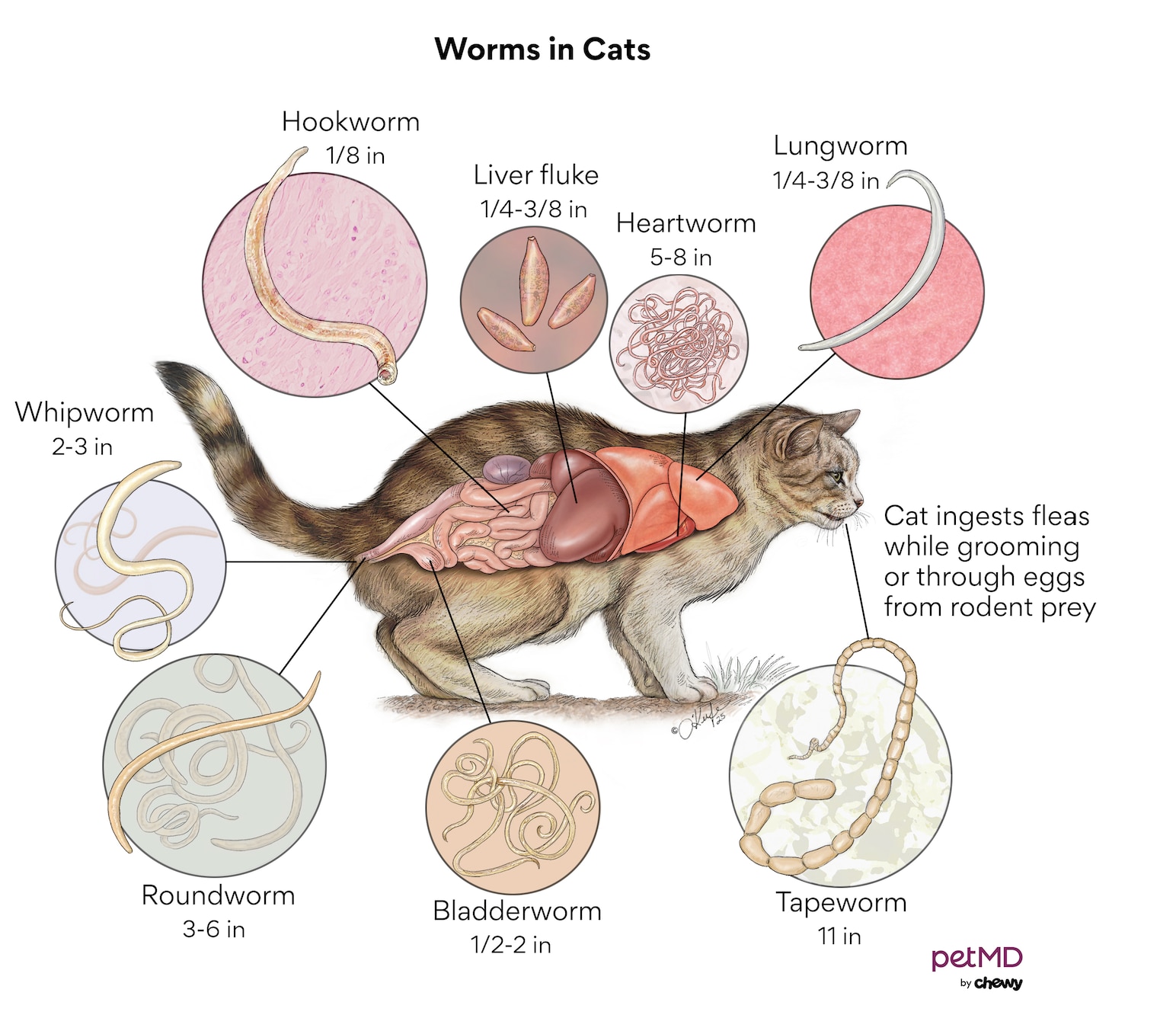
Roundworms are the most common worms in cats. They look like spaghetti. Cats can get them from the environment. They can also get them from eating infected animals. Kittens can be born with them. These worms can pass to humans. Kids are more at risk. They can cause stomach pain and other issues.
Tapeworms
Tapeworms are flat and long. Cats get them from fleas. They can also get them from eating infected rodents. Tapeworms attach to the cat’s intestines. They can cause weight loss and vomiting. Humans can get tapeworms too. Usually from swallowing infected fleas. Good hygiene reduces the risk.
Hookworms
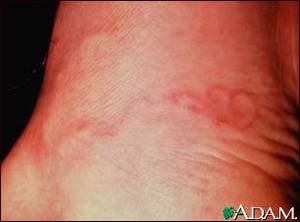
Hookworms are small and thin. They attach to the cat’s intestine. They suck blood and can cause anemia. Cats get them from the environment. They can also get them from their mother’s milk. Hookworms can infect humans. They can cause skin irritation. Walking barefoot increases the risk.
Transmission Methods
Cat worms can spread to humans through contact with infected feces or contaminated surfaces. Maintaining hygiene and proper pet care helps reduce the risk. Regular vet visits ensure early detection and treatment, protecting both pets and owners.
Understanding how cat worms can be transmitted to humans is crucial for pet owners. Knowing the various transmission methods helps you take preventive measures to protect yourself and your family. Here, we explore some of the common ways these parasites can make their way from your feline friends to you.Direct Contact
Direct contact with an infected cat is one of the most straightforward ways to catch worms. Cats can carry parasites like roundworms or hookworms, which can be transmitted to humans if you touch their fur or feces. Have you ever pet your cat and then touched your face without washing your hands? This simple act could potentially expose you to these parasites. Always wash your hands after handling your pet, especially if they roam outside.Contaminated Environment
Your cat’s litter box is a potential hotspot for worm eggs. If you clean the litter box without gloves, you risk coming into contact with these eggs. Imagine unknowingly transferring these to your kitchen counter or dining table. It’s essential to maintain a clean environment and use gloves when handling cat waste. Regularly disinfect areas where your cat spends time to reduce the risk of contamination.Flea Infestation
Fleas are not just a nuisance; they can be carriers of tapeworms. If your cat has fleas, there’s a chance these pests can transfer tapeworms to you. Have you noticed your cat scratching more than usual? This could be a sign of fleas, and if they are in your home, they could bite you too. Ensure your cat is regularly treated for fleas, and vacuum your home frequently to keep these pests at bay. Taking proactive steps to understand and mitigate these transmission methods can significantly reduce the risk of contracting worms from your feline friend. How often do you check your home and pet for potential signs of worms? Being vigilant can make all the difference.Symptoms In Humans
Cat worms can spread to humans, causing symptoms like stomach pain, diarrhea, and itchy skin. Regular hand washing and deworming pets help reduce the risk of transmission.
Are cat worms contagious to humans? It’s a question many pet owners find themselves pondering. While cats are adorable companions, the prospect of sharing parasites with them is less appealing. Understanding the symptoms in humans when exposed to cat worms is crucial for maintaining your health and peace of mind. Let’s explore how these symptoms manifest, focusing on digestive issues, skin irritations, and respiratory problems.Digestive Issues
One of the most common signs that you’ve been exposed to cat worms is digestive discomfort. You might notice unexplained stomach pain or diarrhea. These symptoms can be alarming, especially if you’re unsure of their origin. Have you ever wondered why your stomach suddenly feels upset after handling your pet? It could be a sign of parasitic transmission. The digestive upset can disrupt your daily routine, making it hard to concentrate on tasks or enjoy meals. If you suspect your symptoms might be linked to your feline friend, it’s wise to consult a healthcare professional.Skin Irritations
Skin irritations are another potential indicator of cat worms affecting humans. You might experience itchy, red patches on your skin. These can appear out of nowhere, leaving you puzzled about their cause. Think back to the last time you cuddled your cat; could those affectionate moments be linked to your skin troubles? While minor irritations can be annoying, persistent or worsening symptoms warrant attention. It’s essential to recognize changes in your skin and seek medical advice if necessary.Respiratory Problems
Respiratory issues can also be a symptom of exposure to cat worms. You might find yourself coughing or experiencing shortness of breath unexpectedly. This can be particularly unsettling, especially if you’re typically healthy. Have you considered the possibility that your pet’s presence could be affecting your breathing? While these symptoms might seem unrelated to your beloved cat, it’s important to consider all factors. If respiratory problems persist, reaching out to a healthcare provider can help pinpoint the cause. Understanding the symptoms of cat worms in humans empowers you to take proactive steps in safeguarding your health. Have you noticed any of these symptoms after spending time with your furry friend? If so, it’s time to take action. Always prioritize your well-being and seek professional advice when needed. Your health is a priority, just like your love for your cat.Risk Factors
Understanding the risk factors associated with cat worms is crucial for protecting your health. While cats can be adorable companions, they can also harbor worms that might pose a risk to humans. Knowing who is more susceptible and how your living conditions can increase exposure helps in taking preventative measures.
High Risk Groups
Some people are more vulnerable to contracting cat worms. Children, for example, are often at higher risk because they play on the floor and may not wash their hands frequently. Imagine a child petting a cat and then eating without washing their hands—it’s easy for worms to spread this way.
People with weakened immune systems, like the elderly or those with certain health conditions, also face increased risks. If you or someone you care for falls into these categories, taking extra precautions can be a lifesaver.
Living Conditions
Your living environment plays a significant role in the risk of cat worms. Crowded spaces where multiple cats live can become breeding grounds for parasites. Have you ever walked into a room where the cat litter box hasn’t been cleaned? Such conditions can elevate the chances of worm transmission.
Outdoor cats are more likely to bring worms into your home. They can pick up parasites from soil and other animals. If your cat spends time outside, regular vet check-ups and cleaning routines can reduce risks.
These insights are not just about fear; they’re about taking steps to protect yourself and your family. What changes can you make today to ensure a safer environment for everyone in your household?
Preventive Measures
Preventing cat worms from spreading to humans is crucial for health. Cat worms can pose risks to humans, especially children. Being proactive can help keep your family safe. Implementing preventive measures is essential for a worm-free home.
Regular Vet Check-ups
Routine visits to the vet are vital. They ensure your cat is worm-free. Vets can spot early signs of infection. Regular check-ups help catch issues before they escalate. Ask your vet about preventive medications. These medications can reduce the risk of worms.
Hygiene Practices
Maintaining good hygiene is critical. Wash hands after handling your cat. Clean litter boxes daily to prevent contamination. Disinfect surfaces your cat frequently uses. These practices help in minimizing exposure to worms. Educate children on proper handwashing techniques.
Flea Control
Fleas can carry worm larvae. Keeping fleas away is essential. Use flea prevention products on your cat. Vacuum your home regularly to remove flea eggs. Treat your yard to eliminate fleas. Control fleas to reduce worm risks. Always check your cat for fleas.
Treatment Options
Understanding the treatment options for cat worms is crucial. These parasites can pose health risks to humans. Effective treatment ensures the safety of both humans and pets. This section explores various treatment options available. Proper care and timely intervention can prevent severe complications.
Medications For Humans
Humans need specific medications to treat infections from cat worms. Doctors often prescribe anti-parasitic drugs. These medications target and eliminate the worms. Commonly prescribed drugs include albendazole and mebendazole. It’s important to follow the doctor’s instructions carefully. Dosage and duration vary based on the infection type.
Regular follow-ups with a healthcare provider are essential. This helps in monitoring the treatment’s effectiveness. Early detection and treatment reduce health risks significantly. Always consult a healthcare professional if symptoms appear. Self-medication can lead to complications.
Veterinary Treatments
Cats require veterinary care to treat worm infections. Vets prescribe specific medications for cats. These drugs help eliminate worms effectively. Common treatments include oral medications and topical solutions. Regular deworming is crucial for prevention.
Vets may also recommend lifestyle changes for your pet. This includes maintaining a clean environment. Ensuring your cat has a balanced diet is important. Regular vet visits help in early detection of parasites. This minimizes the risk of transmission to humans.
Myths And Misconceptions
Cat worms create many myths and misconceptions. People often fear these parasites. Understanding the truth helps protect both humans and cats. Let’s explore some common misunderstandings and clarify the science.
Common Misunderstandings
Many think all cat worms spread to humans easily. This isn’t true. Not all worms jump from cats to people. Some need specific conditions to infect humans.
Others believe indoor cats can’t get worms. Even indoor cats face risks. Worms can enter homes through shoes or other pets.
Another myth: all worm infections in humans are serious. Most infections are mild and treatable. Early detection helps manage them effectively.
Scientific Clarifications
Cat worms like roundworms and hookworms can infect humans. But it’s rare with good hygiene. Washing hands and cleaning litter boxes reduce risks.
Tapeworms need fleas to spread. Humans must ingest infected fleas to get tapeworms. This is uncommon with proper flea control.
Veterinarians use medications to prevent and treat cat worms. Regular vet visits keep your cat healthy and lower your risk.
Education and awareness are key. Knowing the facts helps keep everyone safe.
Credit: www.petmd.com

Credit: www.petshed.com
Frequently Asked Questions
How Likely Is It For Humans To Get Worms From Cats?
Humans can get worms from cats, but it’s rare. Proper hygiene reduces risk. Wash hands after handling cats. Regularly deworm pets to prevent transmission. Avoid contact with cat feces. Consult a vet for advice on preventing worm infections. Stay informed and practice good pet care to ensure safety.
Is It Safe To Be Around A Cat With Worms?
It’s generally safe to be around a cat with worms, but take precautions. Wash your hands after handling. Keep litter boxes clean and ensure your cat receives proper treatment. Consult a vet for advice on prevention and treatment to protect both you and your pet.
Can I Still Cuddle My Cat With Worms?
You can cuddle your cat with worms, but wash your hands afterward. Worms can transfer through contact. Ensure your cat receives proper treatment to prevent spreading. Keep hygiene in mind to protect your health and others. Consult a vet for appropriate medication and advice.
Should I Deworm Myself If My Cat Has Worms?
Consult a doctor before deworming yourself if your cat has worms. Humans can get infected, but treatment varies. Keep hygiene practices strict to reduce the risk of transmission. Always seek medical advice for the best course of action.
Conclusion
Understanding cat worms and their risks is important for pet owners. Cats can pass certain worms to humans. Practicing good hygiene reduces this risk. Regular vet visits help keep cats healthy. Clean litter boxes frequently. Wash hands after handling pets.
Educate family members about these precautions. Prevention is key to avoid issues. Stay informed and proactive. Keep your home a safe space for all. This ensures health and happiness for both you and your pets.