Are Tapeworms in Cats Contagious? Unveiling the Facts
Have you ever caught your furry friend scooting across the floor or noticed tiny, rice-like grains near their favorite resting spot? If you have, you might be concerned about tapeworms in cats.
It’s a distressing discovery that leaves you wondering, “Are these parasites contagious to me or my other pets? ” This unsettling thought can easily send shivers down your spine, especially when your beloved feline is involved. You care deeply about your cat’s health and want to ensure your home remains a safe haven for your entire family.
Understanding whether these pesky worms can spread is crucial, and that’s exactly what we’ll unravel. Keep reading to uncover the truth about tapeworms in cats and how it impacts your household. Your peace of mind could be just a few paragraphs away.
Tapeworms In Cats: An Overview
Tapeworms are a common parasite in cats. They can affect a cat’s health significantly. These parasites live in the intestines and grow by absorbing nutrients. Tapeworms may cause weight loss or discomfort for your feline friend. Understanding tapeworms is essential for cat owners. It helps in spotting signs early and getting proper treatment.
Types Of Tapeworms
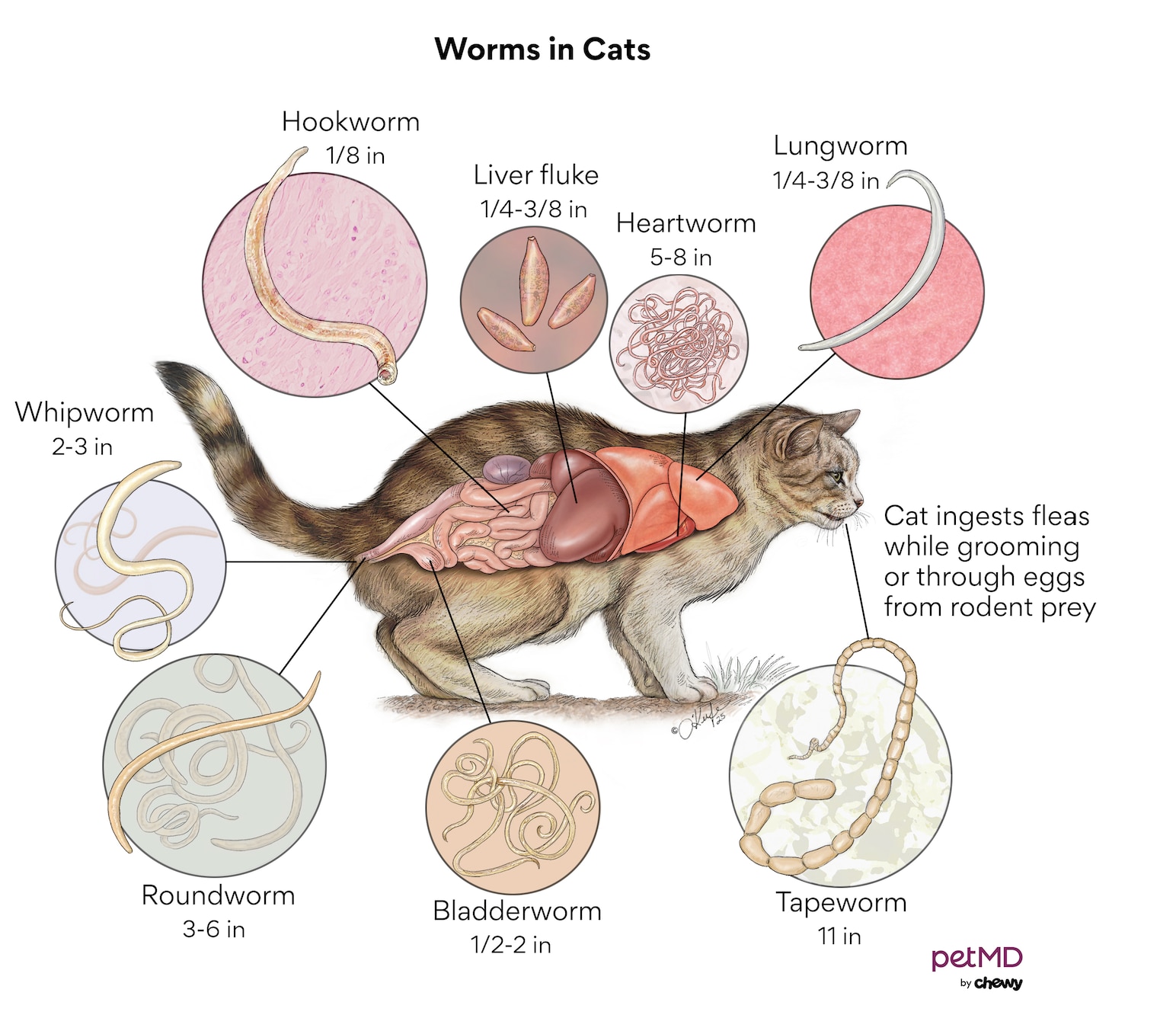
Different types of tapeworms can infect cats. The most common is Dipylidium caninum. This type spreads through fleas. Cats may swallow infected fleas while grooming. Another type is Taenia taeniaeformis. It spreads when cats eat rodents. Each type of tapeworm varies in its life cycle and symptoms. Knowing the type helps in choosing the right treatment.
Lifecycle Of Tapeworms
The lifecycle of tapeworms is fascinating. It begins with eggs in the environment. Fleas or rodents eat these eggs. Cats then consume infected fleas or rodents. Inside the cat, the tapeworm matures and attaches to the intestines. Here, they grow and produce segments filled with eggs. These segments exit the cat’s body in feces. The cycle repeats when eggs are ingested by another host.
Credit: www.petmd.com
Transmission Of Tapeworms
Tapeworms in cats can spread through fleas. Cats often ingest fleas while grooming. These fleas carry tapeworm larvae. Once inside, the larvae grow into adult tapeworms. Regular flea control helps prevent this transmission.
Transmission of tapeworms in cats is a topic that often raises concern among pet owners. Understanding how these pesky parasites are passed from one host to another is crucial for effective prevention and treatment. You might wonder, is your fluffy friend at risk, and how do these tiny invaders make their way into your cat’s system? Let’s break down the process and discover how you can keep your beloved pet safe.How Cats Get Tapeworms
Cats typically acquire tapeworms by ingesting an intermediate host that harbors the larvae. This often happens when a cat grooms itself and accidentally swallows fleas, or through eating small rodents like mice or birds. These intermediate hosts contain tapeworm larvae, which then develop into adult tapeworms inside the cat’s intestines. Outdoor cats are particularly susceptible due to their hunting habits. However, even indoor cats can be at risk if they have access to fleas or consume contaminated food. The good news is, you can manage this risk by maintaining a flea-free environment and supervising your cat’s diet.Role Of Fleas In Transmission
Fleas play a pivotal role in the transmission of tapeworms. When a flea infested with tapeworm larvae bites a cat, it may lead to ingestion of the flea. This is the most common pathway for tapeworm infection in felines. Think of a flea as a tiny Trojan horse, carrying the unwelcome guest into your cat’s body. It’s a clear reminder of why flea control is essential for your pet’s health. Regularly inspecting and treating your cat for fleas can significantly reduce the risk of tapeworm infection. Have you noticed your cat scratching more than usual? It might be time to check for fleas and take action. By addressing the flea problem, you’re not just stopping an itch—you’re also preventing potential tapeworm transmission. In conclusion, understanding the transmission of tapeworms is key to keeping your feline friend healthy. Regular flea control and awareness of your cat’s environment can make a world of difference. What steps will you take today to protect your cat from these sneaky parasites?Symptoms In Infected Cats
When it comes to cats, tapeworm infestations are a concern that often goes unnoticed until symptoms become evident. Understanding the signs can help you act swiftly to protect your feline friend from discomfort and potential health issues. Here’s what to look for if you suspect your cat might be infected with tapeworms.
Physical Signs To Watch For
Have you ever noticed your cat incessantly licking or biting at its rear? It’s not just an odd quirk; it could be a sign of tapeworms. These parasites cause irritation around the anus, prompting cats to seek relief through excessive grooming.
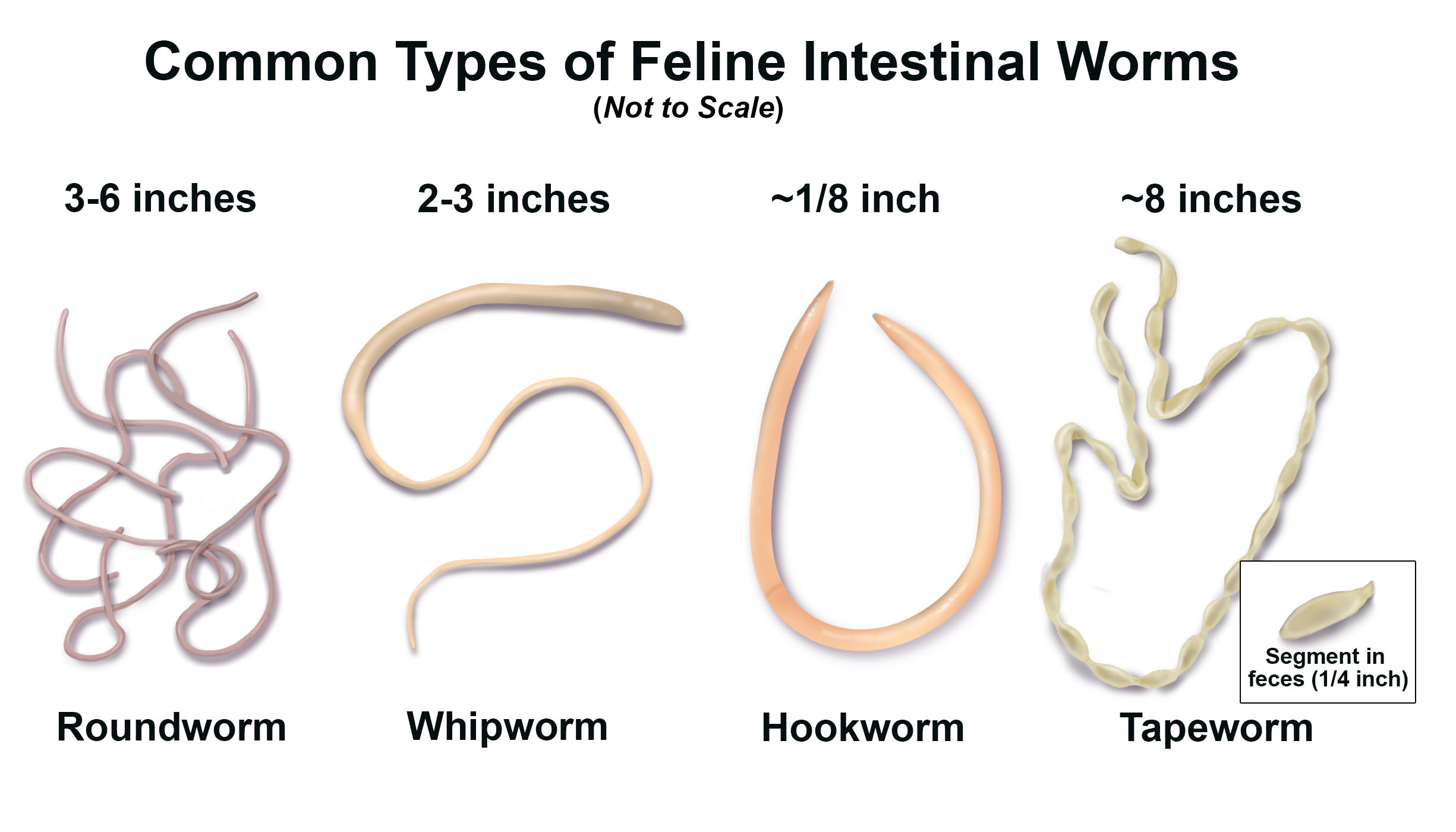
Additionally, you might spot rice-like particles around your cat’s bedding or on its fur near the tail area. These are segments of the tapeworms, a clear indicator that your furry companion might be infected. Observing these signs early can prevent further discomfort.
Behavioral Changes
Tapeworms don’t just affect your cat physically; they can alter its behavior as well. You might notice your cat becoming more lethargic or losing interest in activities it once loved. The energy drain is real, as the parasite competes with your cat for nutrients.
Another change could be in its appetite. Does your cat suddenly seem ravenous or, conversely, have less interest in food? This fluctuation can be a result of the tapeworms disrupting your cat’s digestive process. Recognizing these behavioral shifts can guide you in seeking timely veterinary care.
Have you ever caught yourself wondering if your cat’s odd behavior is just a phase or something more? It’s essential to trust your instincts and observe the patterns. Your vigilance could be crucial in catching an infestation early.
When was the last time you closely watched your cat’s behavior? Regular monitoring can be more insightful than you think, helping you safeguard your pet’s health and happiness.
Contagion Risks To Other Pets
Tapeworms in cats pose minimal contagion risks to other pets. Direct transmission through fleas is uncommon. Regular vet check-ups and flea control help maintain pet health.
When your feline friend is diagnosed with tapeworms, it’s natural to worry about the health of your other pets. While tapeworms primarily affect cats, the risk of transmission to other household pets exists, especially if preventive steps aren’t taken. Understanding these contagion risks is crucial for ensuring the well-being of all your furry companions.Potential Spread Among Household Pets
Tapeworms can pose a risk to other pets, especially if they share the same living space. Dogs, for instance, might ingest tapeworm eggs if they groom themselves or eat the same food as an infected cat. Birds and small mammals are less likely to contract tapeworms directly from cats, but they are not entirely out of the woods. Consider the environment your pets share. Tapeworm eggs can be present in the environment, particularly in areas where an infected cat spends a lot of time. It’s a good idea to keep your pet’s sleeping and eating areas clean and sanitized regularly.Precautions To Prevent Transmission
Regular deworming treatments are crucial for all pets in your household. Consult your vet to determine the best deworming schedule and products for each pet. This practice not only helps in controlling tapeworms but also protects against other parasites. Maintain a clean living environment. Wash your pet’s bedding and toys frequently and ensure litter boxes are cleaned daily. This minimizes the chances of your pets ingesting any tapeworm eggs. Monitor your pets’ behavior. If you notice any signs of tapeworms such as weight loss, vomiting, or rice-like segments in their feces, seek veterinary advice promptly. Early intervention can prevent the spread and make treatment simpler. Have you ever considered how sharing water bowls might increase transmission risk? Separate food and water bowls for each pet can reduce the risk of cross-contamination. By making these small adjustments, you can protect your pets from tapeworms and other parasites.Human Health Concerns
When your beloved feline friend is diagnosed with tapeworms, it’s natural to wonder about the implications for your own health. Understanding the potential risks and adopting preventive measures can put your mind at ease. Let’s explore the question of whether humans can get tapeworms from cats and look into safety measures every pet owner should consider.
Can Humans Get Tapeworms From Cats?
It’s a common concern among cat owners. Can your furry friend’s tapeworms find their way into your system? The answer is somewhat reassuring: the risk is relatively low. Tapeworms in cats generally belong to the species Dipylidium caninum, which rarely infects humans.
Transmission usually requires accidental ingestion of infected fleas. If you or your child were to swallow a flea carrying tapeworm larvae, infection might occur. Although it’s uncommon, it’s not impossible. So, maintaining a flea-free environment is crucial.
Safety Measures For Pet Owners
Knowing the risks, what steps can you take to protect yourself and your family? First and foremost, focus on flea control. Regularly treat your cat with vet-recommended flea preventatives. This minimizes the chances of tapeworm transmission.
Practice good hygiene. Wash your hands thoroughly after handling your pet or cleaning the litter box. Teach your children to do the same. Clean and vacuum your home frequently to eliminate any stray fleas.
Consider your environment. Are there any places in your home where fleas could thrive? Address those spots promptly. It’s about being proactive and vigilant. Doing so will keep both you and your cat happy and healthy.
Have you ever faced a similar situation? How did you handle it? Share your experiences in the comments below. Your insights might be just what another pet owner needs!
Credit: www.vet.cornell.edu
Diagnosis And Treatment
Tapeworms in cats can be concerning for pet owners. Diagnosing and treating these parasites is crucial. Knowing the right steps can help ensure a healthy pet. Early diagnosis and effective treatment can prevent complications. Understanding the process makes managing tapeworms easier.
Veterinary Diagnosis Techniques
Veterinarians use various methods to diagnose tapeworms in cats. A common technique is examining the cat’s feces. They look for tapeworm segments or eggs. Sometimes, a stool sample is sent to a lab for analysis. A vet may also perform a physical examination. This helps in spotting signs of tapeworms.
Another method involves checking the cat’s fur. Tapeworm segments may cling to the fur around the anus. These segments look like grains of rice. Diagnosing tapeworms early can lead to better outcomes.
Effective Treatment Options
Treating tapeworms in cats involves medication. Deworming drugs are the most common choice. These drugs are safe and effective. They work by dissolving the tapeworms in the intestines. The cat then expels the dead tapeworms naturally.
Veterinarians might suggest oral or injectable dewormers. The choice depends on the cat’s health and age. It’s important to follow the vet’s instructions carefully. Ensuring that the cat completes the treatment is key. This prevents reinfection and ensures a healthy pet.
Sometimes, additional treatments may be necessary. Flea control is vital since fleas can carry tapeworms. Keeping the cat’s environment clean helps in preventing future infestations.
Preventive Measures
Cats can spread tapeworms to other pets and humans through infected fleas. Regular flea control and deworming prevent this. Keep your pet’s environment clean to reduce risks.
Preventing tapeworms in cats involves a few straightforward steps that can make a big difference in your pet’s health. These parasites are more common than you might think, and taking preventive measures is crucial for both your cat and your household. By focusing on effective strategies, you can significantly reduce the risk of tapeworms and keep your feline friend healthy and happy.Flea Control Strategies
Fleas are the primary carriers of tapeworm eggs. Ensuring your cat is free from fleas is your first line of defense. Use vet-approved flea treatments consistently. An unexpected challenge could be remembering to apply these treatments regularly, especially during peak flea season. Consider using flea collars or oral medications if your cat spends a lot of time outdoors. These can provide longer-lasting protection. Vacuum your home frequently to remove any fleas or eggs that might have fallen off your cat. You’ll be surprised at how effective this simple step can be.Regular Veterinary Check-ups
Routine vet visits are essential for catching issues before they become serious. A vet can spot signs of tapeworms that you might miss. It’s also a great opportunity to ask questions about your cat’s health and get expert advice. Discuss with your vet about deworming schedules. They can recommend the best products and timing based on your cat’s lifestyle. What unexpected insight might you gain from these check-ups? Perhaps discovering that your cat’s weight loss is linked to tapeworms or learning about the latest treatments available. By taking these preventive measures, you’re not only protecting your cat but also creating a healthier environment for everyone in your home.
Credit: www.catster.com
Myths And Misconceptions
Myths and misconceptions about tapeworms in cats are common. Many cat owners worry unnecessarily. These misunderstandings can lead to anxiety and false beliefs. Let’s explore these myths and uncover the truth.
Common Misunderstandings
Some think tapeworms spread easily between pets and humans. This is not accurate. Tapeworm transmission requires specific conditions. Cats must ingest infected fleas. These fleas carry tapeworm eggs. Direct contact with an infected cat is not enough. Another myth is that tapeworms harm humans easily. While possible, it is rare. Proper hygiene minimizes risks.
Clarifying Facts About Tapeworms
Tapeworms live in the intestines. They absorb nutrients from food. Cats show few symptoms. Owners often find segments near the tail. These segments resemble grains of rice. Regular vet check-ups help detect them early. Flea control is essential. It prevents tapeworm infections in cats. Treatments are effective and simple. Most medications work quickly. They eliminate tapeworms safely. Cats recover without complications.
Frequently Asked Questions
Can My Cat Give Tapeworms To My Other Cat?
Yes, tapeworms can spread between cats. Cats can get tapeworms by ingesting infected fleas or rodents. Regular flea control and deworming can help prevent transmission. Always consult your vet for effective treatments. Keep both cats healthy by maintaining hygiene and monitoring their health.
Can I Touch My Cat If It Has Tapeworms?
Yes, you can touch your cat with tapeworms. Wash your hands thoroughly afterward. Regularly clean your cat’s bedding and environment to prevent spread. Consult a vet for treatment.
Should I Quarantine My Cat With Tapeworms?
No, you don’t need to quarantine your cat with tapeworms. Instead, consult a vet for treatment. Regularly clean your home and cat’s bedding to prevent reinfestation. Keep your cat’s flea control up-to-date, as fleas often spread tapeworms.
Is Tapeworm From Cats Contagious To Humans?
Yes, cat tapeworms can be contagious to humans. Humans can get infected by ingesting infected flea larvae. It’s important to maintain good hygiene and regular vet check-ups for pets.
Conclusion
Tapeworms in cats can spread but it’s manageable. Regular vet visits help. Watch for signs like weight loss or vomiting. Cleaning the litter box often reduces risk. Flea control is key; fleas carry tapeworms. Keep your cat indoors to limit exposure.
Safe practices protect other pets and family members. Treatment options exist and are effective. Prioritize your cat’s health. Stay informed and proactive. Your furry friend deserves a healthy, happy life. With care, tapeworms become less of a worry. Keep your cat safe and healthy.
That’s what matters most.