What Essential Oils are Safe for Cats in a Diffuser: A Guide
You love your cat and want to create a soothing home environment, but you’re worried about the essential oils in your diffuser. Are they safe for your feline friend?
This question is more common than you might think, and it’s crucial to find the right answers. Diffusing essential oils can uplift your mood and bring tranquility to your space, but some scents can be harmful to your cat. Understanding which essential oils are safe for cats is not only a way to protect your pet but also to enjoy peace of mind.
Dive into this article to discover the essential oils that can coexist harmoniously with your cat, ensuring both of you can enjoy a serene and relaxing atmosphere at home.
Essential Oils And Cats
Essential oils have become increasingly popular for their aromatic and therapeutic benefits. However, when it comes to using them around cats, caution is necessary. Cats are sensitive creatures, and not all essential oils are safe for them. As a cat owner, understanding which essential oils are safe for your feline friends can prevent potential health issues. Let’s dive into the world of essential oils and cats to ensure your pet’s safety while enjoying the benefits of aromatherapy.
Understanding Cat Sensitivity
Cats have a unique physiology that makes them more sensitive to certain substances than humans or other pets. Their liver lacks some enzymes necessary for metabolizing compounds found in many essential oils. This means that even small amounts of some oils can be toxic to your feline friend.
Have you noticed your cat avoiding certain scents? That’s their instinct kicking in. Cats naturally steer clear of strong odors which can be overwhelming or harmful to them. It’s crucial to be mindful of the oils you use in your diffuser, ensuring they’re not only pleasant for you but safe for your cat.
Common Risks Of Essential Oils
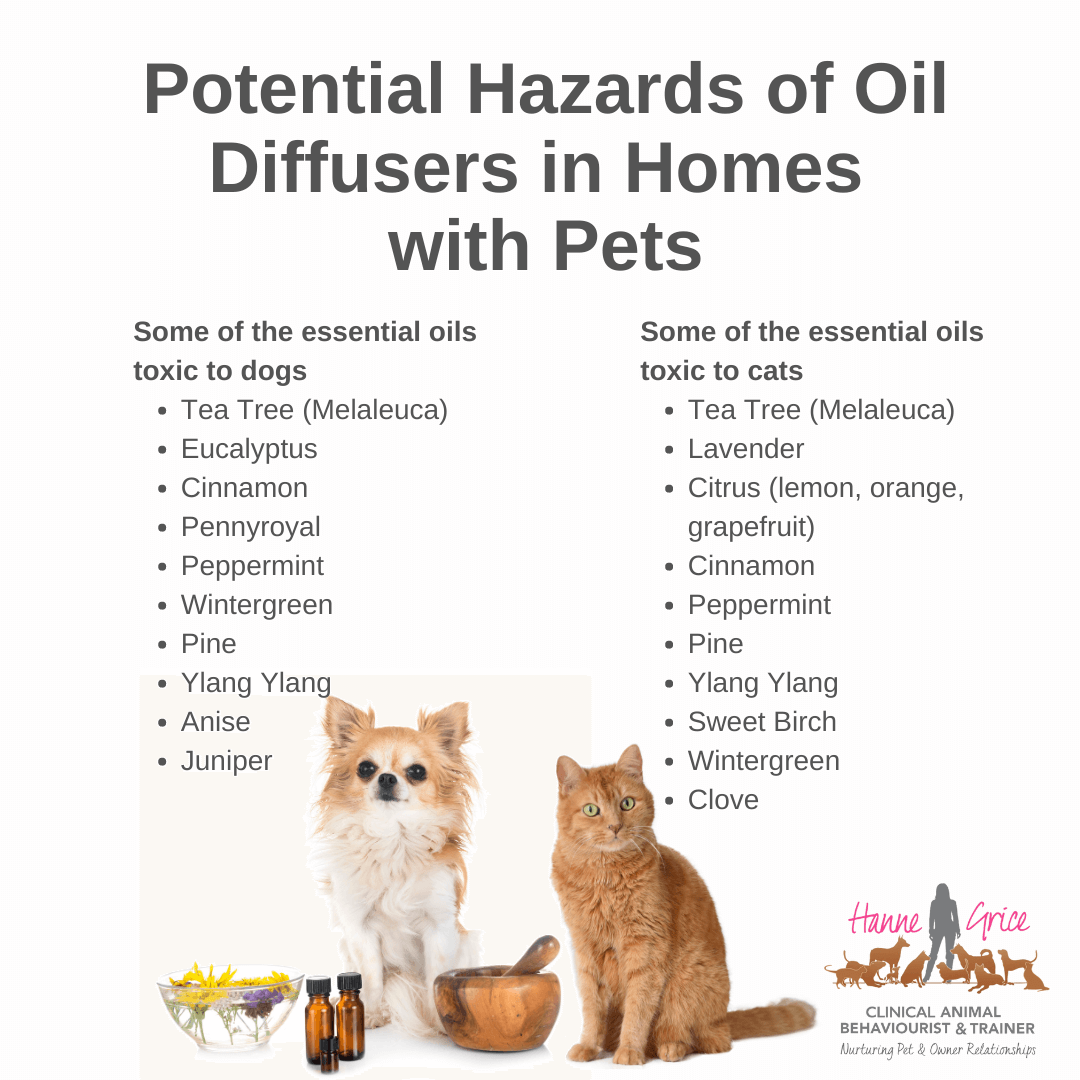
Using essential oils around cats can pose several risks. Some oils can cause respiratory issues, skin irritation, or even affect their nervous system. Tea tree oil, for example, is popular for its antiseptic properties but is dangerous for cats.
Oils like eucalyptus, lavender, and citrus can lead to drooling, vomiting, or worse. You might love the calming scent of lavender, but it can cause distress to your cat. It’s important to recognize these risks and choose oils that are non-toxic to your pet.
Are you willing to compromise your cat’s health for a pleasing aroma? It’s a question every cat owner should ask themselves. Prioritizing your pet’s well-being over your preference for certain scents is key to a harmonious home.
Keeping your cat safe while enjoying essential oils is all about making informed choices. Always research and choose oils that are known to be safe for cats. Consider consulting with your vet for recommendations. Your cat’s health and happiness should always come first.
Safe Essential Oils For Cats
Using essential oils with a diffuser can be a delightful way to freshen up your home. But as a cat owner, you might be concerned about what scents are safe for your feline friend. Not all essential oils are cat-friendly, but some can be used safely. Let’s delve into a few that are generally considered safe, allowing you to enjoy a pleasant aroma without worrying about your pet’s health.
Lavender Benefits
Lavender is widely known for its calming properties. It can help reduce stress in both humans and cats. Imagine your cat calmly lounging as the soothing scent of lavender fills the air.
This oil can be particularly useful if your cat tends to be anxious or high-strung. Always ensure that the lavender oil is well-diluted before using it in a diffuser.
Chamomile Uses
Chamomile is another gentle option that can benefit your cat. It’s famous for its relaxing effects and can aid in soothing your pet’s nerves. Just like a warm chamomile tea can help you unwind, the aroma can have a similar effect on your cat.
Consider this oil if your cat is prone to stress during thunderstorms or fireworks. It’s a safe way to create a serene environment for your pet.
Rosemary Applications
Rosemary isn’t just for your Sunday roast; it can also be a safe essential oil for cats. It has a fresh scent that can invigorate your living space without posing harm to your furry friend.
While rosemary is not as calming as lavender or chamomile, it can promote a sense of alertness and energy. However, if your cat has respiratory issues, you might want to use it sparingly.
Have you ever thought about how certain scents can affect your mood? The same goes for your cats. Ensuring that the oils you use are safe for them is not just a precaution—it’s an act of love.
Always remember to monitor your cat’s behavior when introducing a new scent. If you notice any signs of discomfort, it’s best to discontinue use immediately. Your pet’s safety should always come first.
How To Diffuse Safely
Diffusing essential oils can create a calming atmosphere, but when you have cats, safety becomes a priority. How can you enjoy the benefits of essential oils while ensuring your feline friend stays healthy? With careful choices and practices, you can diffuse oils safely around your cat.
Choosing The Right Diffuser
Not all diffusers are created equal. Ultrasonic diffusers are gentle and disperse essential oils in tiny particles, making them a safer choice for households with cats. They don’t overheat the oils, maintaining their natural properties without overwhelming your pet.
A diffuser with adjustable settings lets you control the intensity of the scent. This flexibility ensures a balance that is pleasant for you but not too strong for your cat.
Proper Ventilation Importance
Fresh air is crucial when diffusing essential oils around cats. Ensure the room is well-ventilated, allowing the scent to disperse without becoming concentrated. Open windows or doors to maintain a flow of air.
Why is ventilation key? It prevents the buildup of scent particles that might irritate your cat’s sensitive respiratory system. Think of it as a way to keep the environment fresh and safe.
Monitoring Cat Behavior
Pay attention to your cat’s reactions when you start diffusing oils. Do they seem more relaxed, or are they avoiding the room? Their behavior can be a clear indicator of how they’re responding to the scents.
If your cat shows signs of distress, such as sneezing, coughing, or acting unusually, it might be time to reconsider the oils you’re using or adjust the diffuser settings. Your cat’s comfort should always be your priority.
What does your cat’s behavior tell you about the atmosphere in your home? Let their actions guide your decisions on whether to continue or change your diffusing practices.

Credit: www.sunnybrookschools.org
Signs Of Essential Oil Poisoning
Essential oils offer various benefits, but caution is necessary around cats. Some oils can harm them. Recognizing essential oil poisoning is crucial for pet safety. Knowing the symptoms helps in early detection and action.
Common Symptoms
Cats may show specific signs if exposed to toxic oils. Look for drooling or vomiting. These are common reactions. Breathing difficulty might occur. This is a serious symptom. Lethargy can be another indicator. Your cat may seem unusually tired. Tremors or seizures are alarming signs. Immediate care is needed.
Immediate Actions To Take
Quick action is vital if poisoning is suspected. First, remove the cat from the area. Ensure fresh air access. Avoid using the diffuser again. Contact a vet immediately. Describe symptoms clearly to them. Follow their advice without delay. Do not attempt home remedies. Professional help is crucial. Time is of the essence in emergencies.
Consulting A Veterinarian
Consulting a veterinarian is crucial for your cat’s safety. Essential oils can affect pets differently. Cats are more sensitive to oils than humans. A vet can offer expert advice. They know which oils are safe for diffusers around cats.
When To Seek Professional Help
If your cat shows strange symptoms, consult a vet immediately. Signs like drooling or vomiting need attention. Changes in behavior can signal a problem. Don’t wait if you’re unsure about an oil’s safety. A quick visit can prevent serious health issues.
Discussing Safe Practices
Talk to your vet about safe practices. Ask about oils that won’t harm your cat. Discuss the best way to use a diffuser. Learn how to balance scents in your home. Your vet can guide you in creating a safe environment.
Credit: www.amazon.com
Alternative Aromatherapy Options
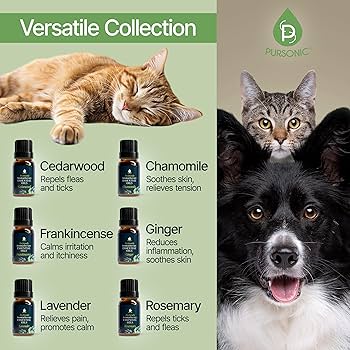
Selecting safe essential oils for cats in a diffuser is crucial. Lavender, chamomile, and frankincense are gentle options. These oils can provide calming effects without harming your feline friends. Always ensure good ventilation and use oils sparingly to maintain a safe environment for your pets.
If you’re a cat owner who loves the calming atmosphere of aromatherapy, you might wonder about safe alternatives to essential oils for your feline friend. Essential oils can be toxic to cats, but that doesn’t mean you have to abandon your love for soothing scents. There are several cat-safe options that can bring tranquility to your home without putting your pet at risk. Let’s dive into these alternatives that ensure your furry companion stays safe while you enjoy a fragrant environment.Hydrosols Introduction
Hydrosols are a fantastic alternative to essential oils for cat owners. These are the gentle by-products of the essential oil distillation process. They contain the essence of the plant but are much less concentrated. Their mild nature makes them safer for use around cats. You can easily add them to a diffuser or use them as a room spray. When I started using lavender hydrosol, my cat seemed more relaxed, and I could enjoy the calming aroma without worry. Hydrosols can still have some effects on pets, so always monitor your cat’s behavior. If you notice anything unusual, it’s best to stop using that particular hydrosol.Herbal Infusions
Herbal infusions offer another safe way to fill your home with natural scents. These are simple, homemade mixtures of herbs steeped in hot water. Once cooled, you can use them in a diffuser or spray bottle. Herbs like chamomile and rosemary can provide a pleasant aroma without the risks associated with essential oils. I found that using a chamomile infusion helped create a serene atmosphere, and my cat even seemed to sleep more peacefully. Would you try creating your own herbal infusions? It’s simple and allows you to control what goes into your aromatherapy practice. Just remember, not all herbs are safe for cats, so do a bit of research before you start experimenting. Incorporating these alternatives is not only safer but also offers a creative way to explore different scents. By choosing hydrosols and herbal infusions, you’re making a conscious choice to protect your cat while enjoying the benefits of aromatherapy.
Credit: www.pinterest.com
Frequently Asked Questions
Are Any Essential Oils Safe To Diffuse Around Cats?
Some essential oils like lavender and chamomile are generally safe for cats. Always use them in moderation. Ensure proper ventilation and observe your cat for any signs of discomfort. Consult a veterinarian before diffusing oils around pets to ensure safety.
What Essential Oil Smells Are Safe For Pets?
Lavender, chamomile, and frankincense essential oils are generally safe for pets. Always use diluted oils and consult your vet. Ensure oils are diffused in a well-ventilated area to avoid irritation. Avoid oils like tea tree, citrus, and eucalyptus as they can be toxic to pets.
What Scents Are Safe For Cats To Smell?
Cats can safely enjoy the scents of lavender, chamomile, and valerian. These fragrances are generally non-toxic. Always ensure essential oils are diluted and used sparingly. Avoid strong or concentrated scents, as they might irritate your cat. Keep an eye on your pet’s reactions to any new fragrance.
What Essential Oils Are Calming To Cats?
Lavender and chamomile essential oils are calming for cats. Use them in moderation and ensure proper ventilation. Always consult a veterinarian before introducing new scents to your cat’s environment. Avoid direct application on their fur or skin to prevent irritation.
Conclusion
Choosing safe essential oils for cats is crucial. Cats have sensitive systems. Unsafe oils can harm them. Lavender and chamomile are generally safe options. Always diffuse oils in a well-ventilated space. Monitor your cat for any changes in behavior. Stop using the diffuser if you notice issues.
Consult your vet for personalized advice. Safety comes first with our furry friends. Prioritize their well-being and comfort. With these tips, you can enjoy essential oils safely. Both you and your cat can benefit. Keep your home peaceful and pleasant.

Similar Posts